
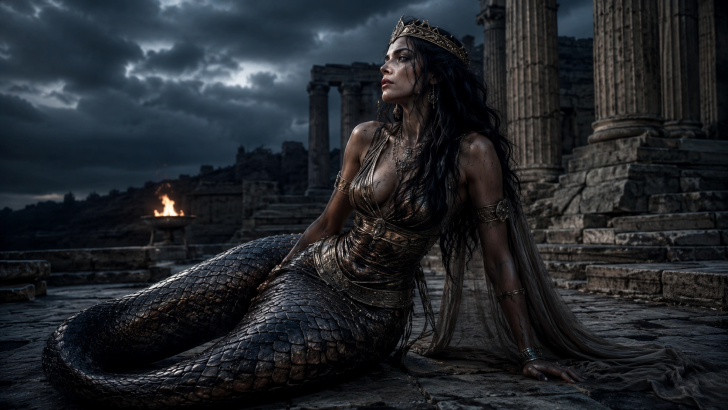
Among the many strange beings found in ancient myths, Lamia stands out as one of the most tragic and mysterious.
Over the centuries, her legend evolved from that of a mortal queen into a frightening monster whose name inspired countless stories throughout the ancient world.
Different versions of the myth exist, and details often vary depending on the source.
Some portray Lamia as a victim of divine punishment. Others focus on her monstrous form and frightening reputation.
These changing stories helped keep her legend alive for generations. Here are ten fascinating facts about Monster Queen Lamia and her enduring legend.
1. Lamia Was Originally a Beautiful Queen
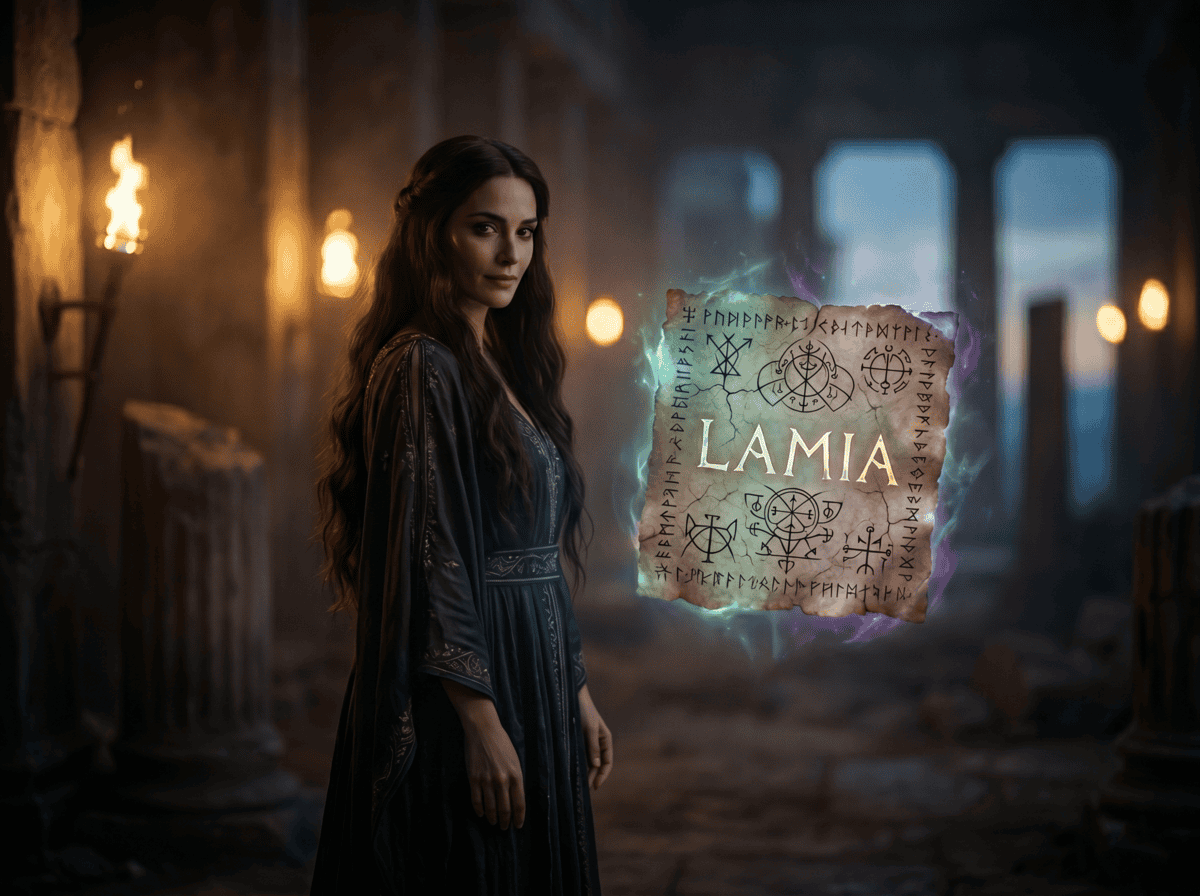
Before becoming a monster, Lamia was said to be a beautiful queen. Ancient stories often describe her as a woman of extraordinary beauty who ruled in Libya.
Unlike the terrifying creature she later became, Lamia was originally portrayed as graceful, admired, and powerful.
Her beauty attracted attention from both mortals and gods. Many myths begin by emphasizing how dramatically her life changed.
The contrast between her former status and her later fate became one of the most memorable parts of her story.
Ancient audiences were often fascinated by tales in which fortune suddenly turned into tragedy. Lamia’s transformation followed that pattern perfectly.
The image of a respected queen becoming a feared creature added emotional depth to the legend and helped distinguish her from many other monsters found in Greek mythology.
2. She Was Connected to Zeus
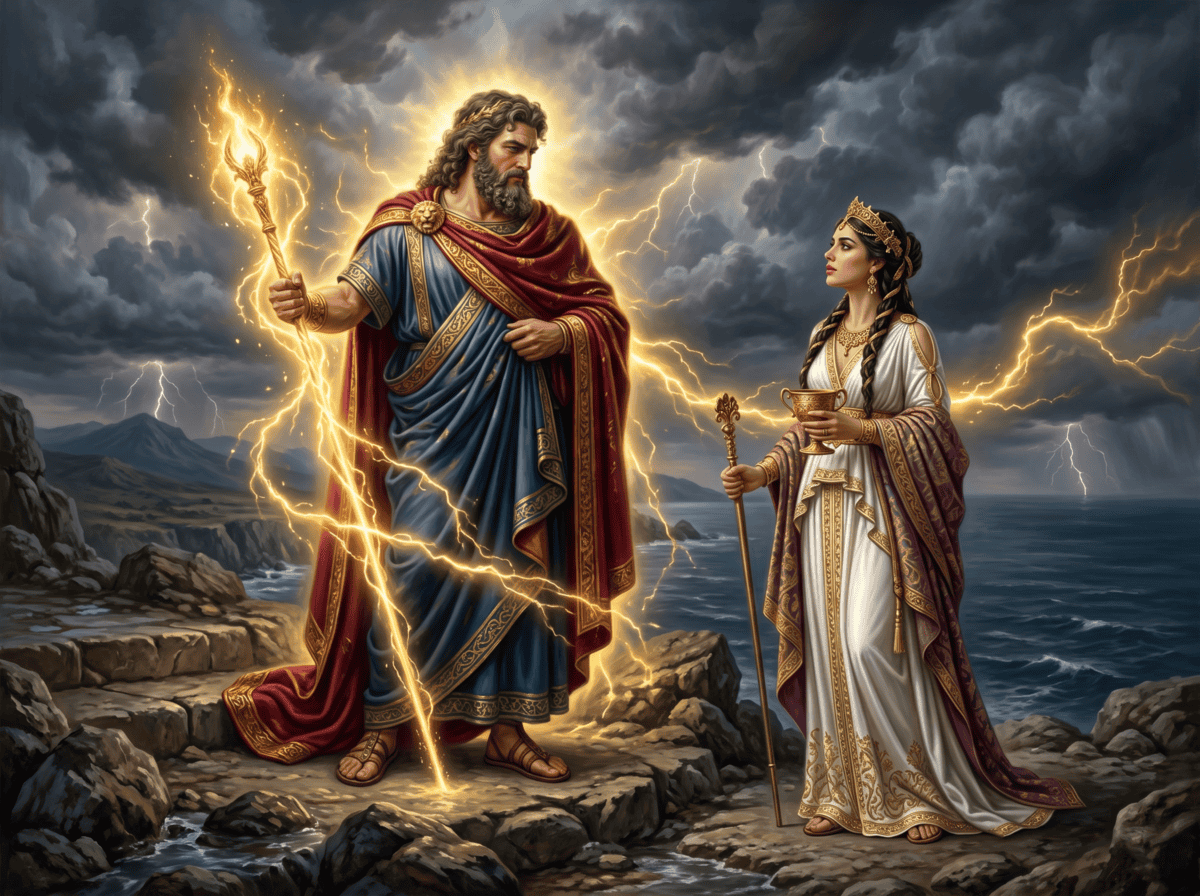
One of the most famous parts of Lamia’s story involves the king of the gods. According to many versions of the myth, Lamia became involved with Zeus.
As with many stories involving Zeus, this relationship eventually led to trouble. When Zeus formed connections with mortal women, jealousy and conflict often followed.
Lamia’s legend was no exception. Her association with the ruler of the gods placed her at the center of a divine drama that would ultimately change her life forever.
This connection also helped explain why her story became so well known throughout the Greek world.
Because Zeus appeared in countless myths, figures connected to him often gained lasting attention.
Lamia’s relationship with the king of the gods became one of the key events that shaped her tragic destiny.
3. Hera’s Jealousy Played a Major Role
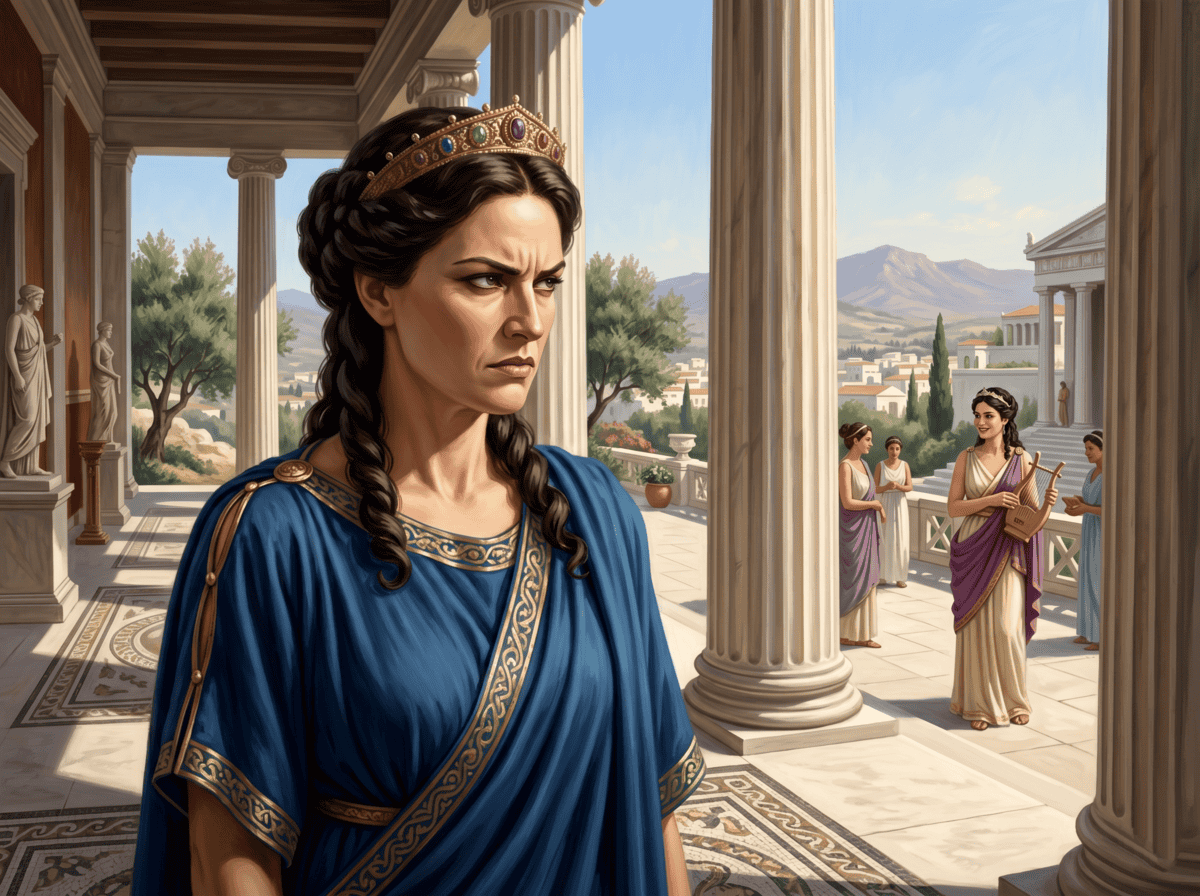
In many versions of the story, the goddess Hera became furious when she learned about Lamia.
Hera was often portrayed as fiercely protective of her marriage and deeply resentful of Zeus’s relationships with other women.
As a result, Lamia became the target of Hera’s anger. Different ancient sources describe the punishment in different ways, but nearly all versions emphasize the devastating consequences.
Rather than directing her fury solely toward Zeus, Hera frequently punished those connected to him.
This recurring theme appears throughout Greek mythology and forms a central part of Lamia’s story.
The involvement of Hera transformed what might have been an ordinary tale into a tragic myth about jealousy, loss, and divine vengeance.
Her actions set the stage for Lamia’s eventual transformation into a feared creature.
4. Tragedy Changed Her Forever
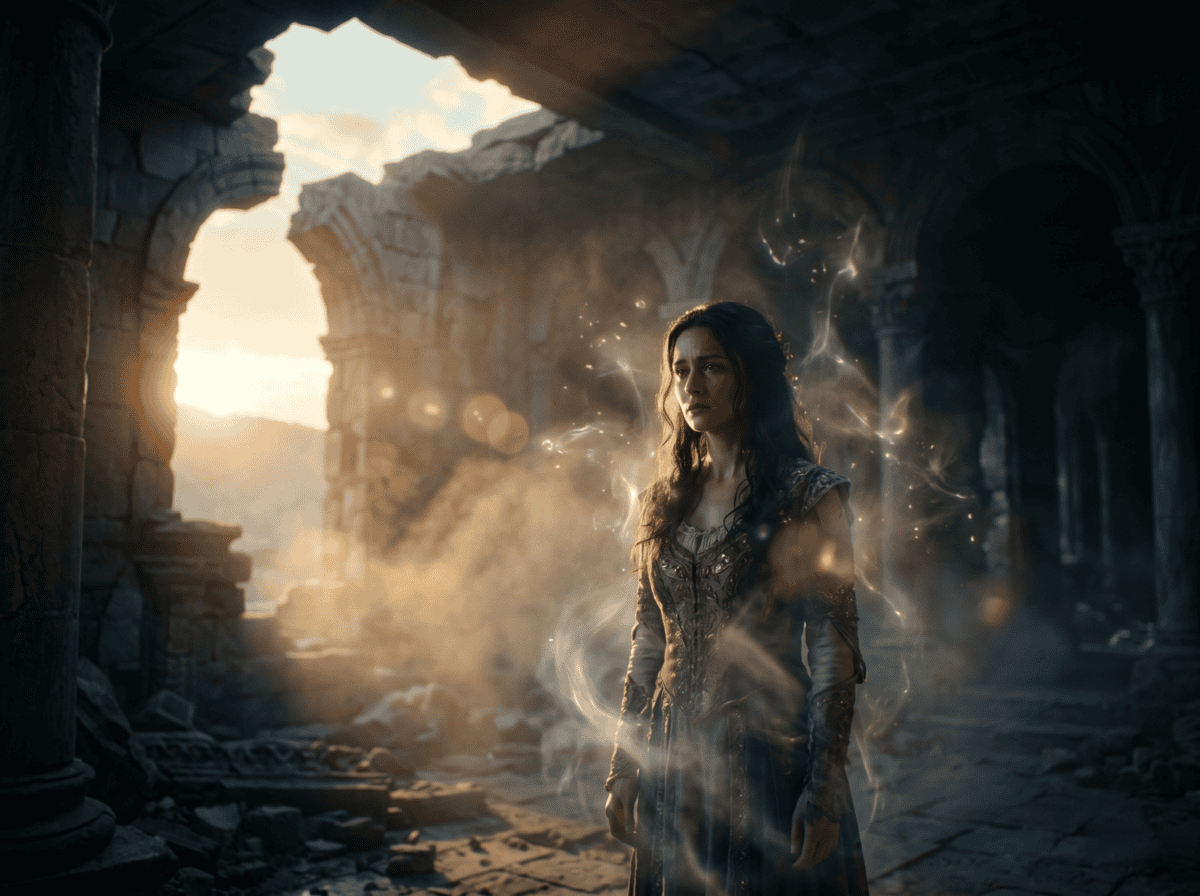
The heartbreaking events that followed became the turning point in Lamia’s legend. Many stories claim that Lamia suffered the loss of her children as a result of Hera’s punishment.
Overwhelmed with grief, she was unable to recover from the tragedy. Ancient writers often used extreme suffering as an explanation for dramatic transformations.
In Lamia’s case, her sorrow became one of the defining elements of her character. The pain she experienced was said to affect both her mind and her nature.
This tragic background distinguishes Lamia from many other monsters in mythology. It added complexity made her legend both frightening and deeply sad.
Rather than beginning as a purely evil being, she was often portrayed as someone whose life had been shattered by immense loss.
5. She Was Transformed Into a Monster

Over time, Lamia’s story evolved from tragedy into horror. Many versions of the myth claim she was transformed into a monstrous creature.
Descriptions vary, but she was often depicted as part woman and part serpent. Ancient artists and storytellers imagined her with frightening features that reflected her changed nature.
This transformation symbolized the complete collapse of her former life. The beautiful queen had become something feared and avoided.
Such transformations were common in Greek mythology, where emotional suffering often manifested physically.
Lamia’s monstrous appearance served as a visible representation of the pain, anger, and bitterness that had consumed her.
6. She Became a Figure Used to Frighten Children
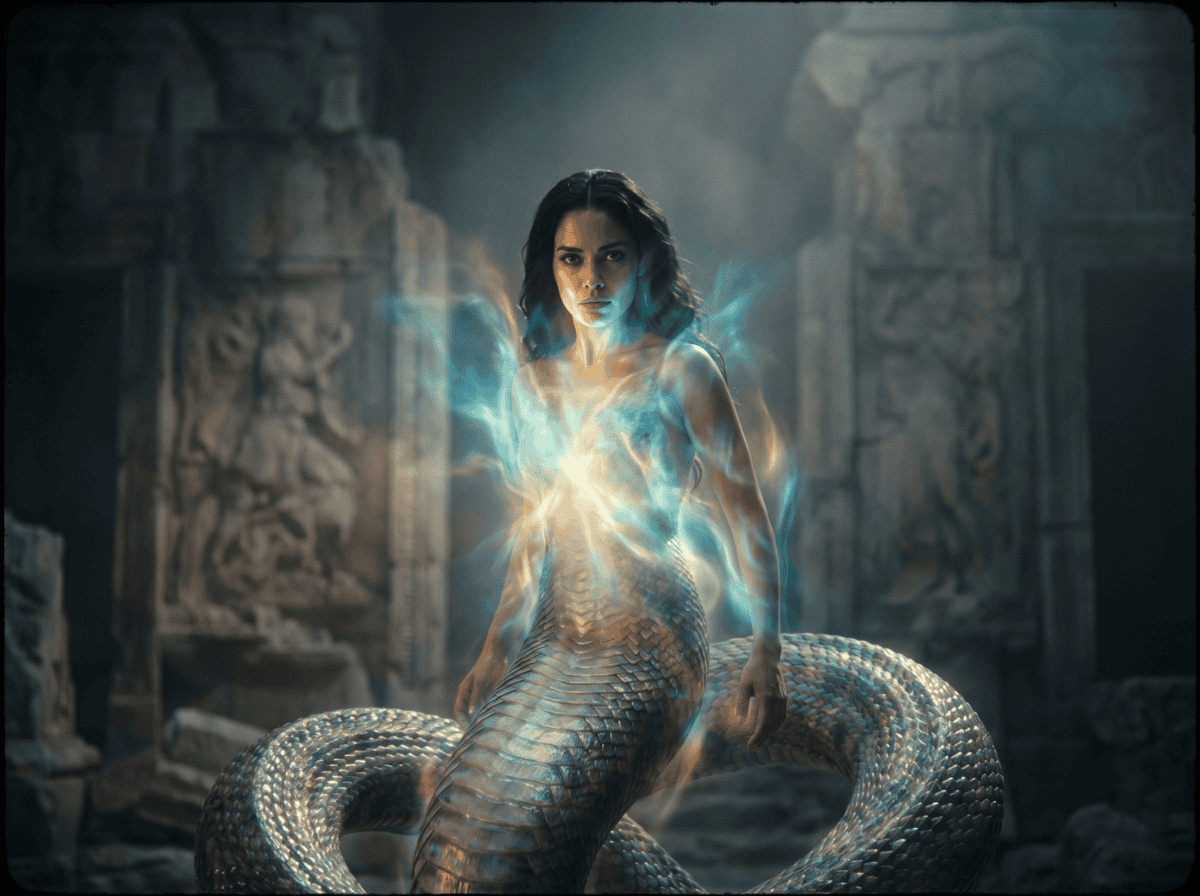
As the legend developed, Lamia became a figure used to scare children. Parents sometimes invoked her name as a warning to encourage good behavior.
Stories described her as lurking in the darkness or seeking unsuspecting victims. This role transformed Lamia into something similar to a mythical bogeyman.
Many cultures have created frightening creatures that serve as cautionary figures for young people, and Lamia became one of the most famous examples in the ancient Greek world.
Over time, her name became associated with fear itself, helping ensure that her story remained well known even among people who knew little about the details of her tragic past.
7. Her Appearance Changed Across Different Stories
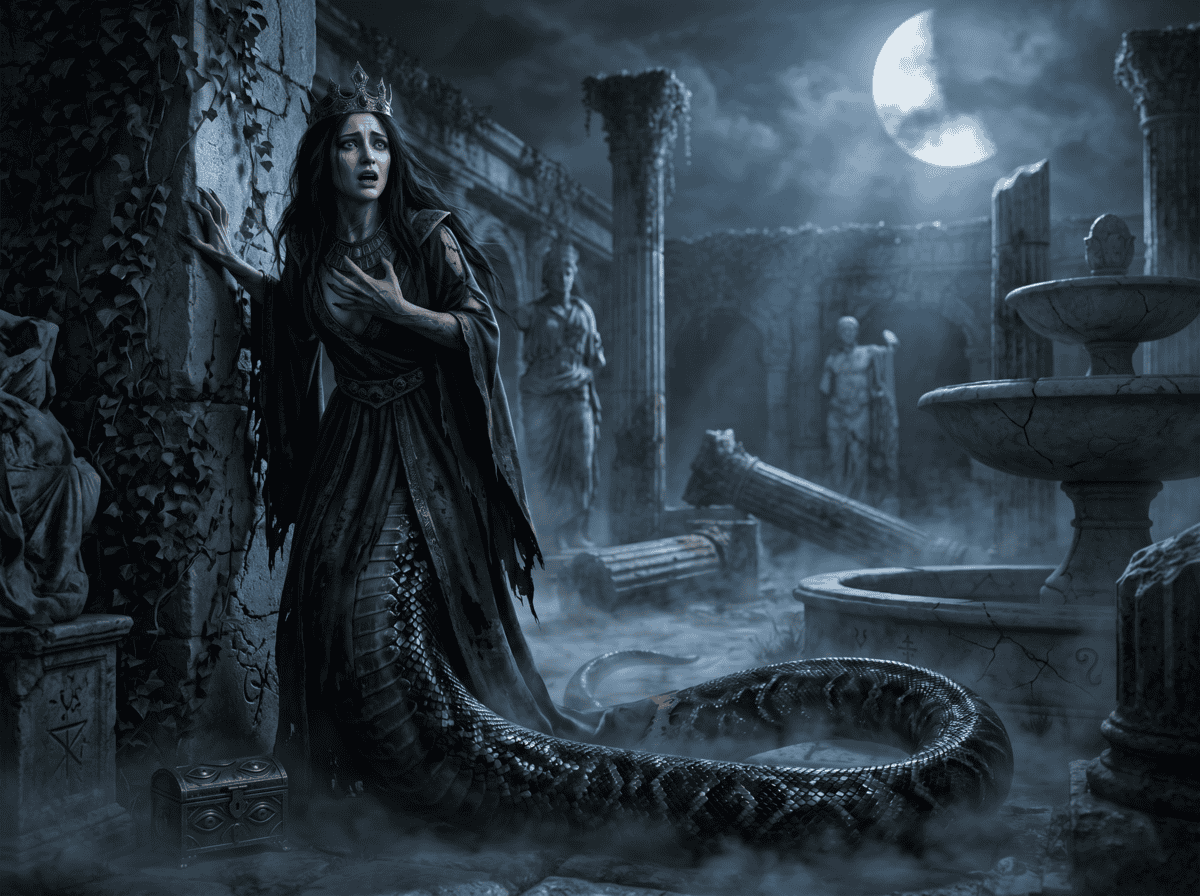
One reason Lamia remains so fascinating is that no single description fully defines her. Different writers portrayed her in different ways.
Some described her as a serpent woman. Others depicted her as a beautiful but dangerous enchantress.
Certain stories emphasized her monstrous qualities, while others focused more on her tragic origins. These variations allowed the legend to evolve over many centuries.
As the story traveled through different regions and periods, new details were added while older elements were modified.
This flexibility helped Lamia remain relevant to changing audiences. The many versions of her appearance reveal how myths often adapt and grow rather than remaining fixed in a single form.
8. She Was Linked to Vampiric Legends
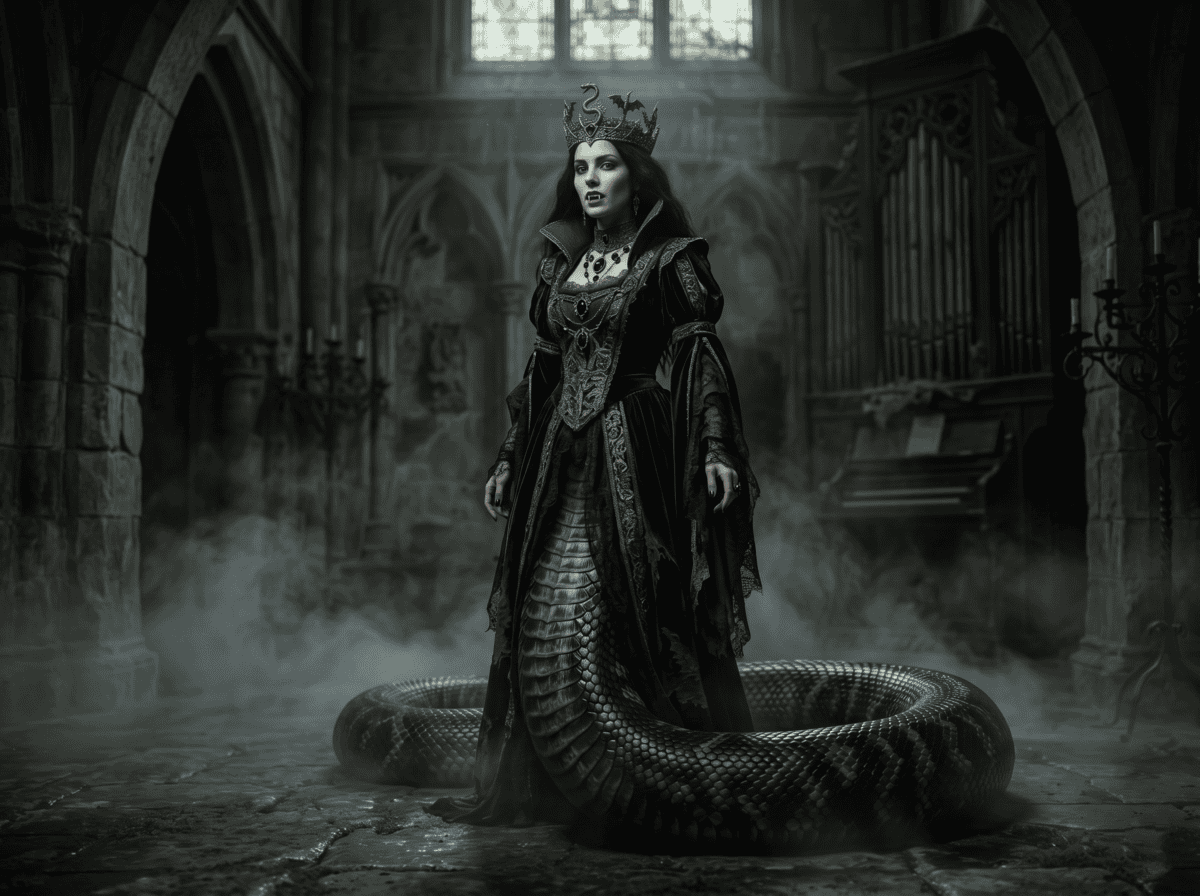
Some later traditions connected Lamia with ideas that resemble vampire folklore. Stories emerged describing her as a creature that preyed upon others during the night.
These legends appeared long before the modern image of vampires became popular.
Because of these similarities, some scholars view Lamia as one of several ancient figures that may have influenced later supernatural traditions.
Her association with darkness, danger, and predatory behavior contributed to these comparisons.
Although Lamia was not a vampire in the modern sense, certain elements of her legend overlap with themes that would appear in vampire stories centuries later.
This connection has helped keep interest in her myth alive among modern readers.
9. Lamia Was Sometimes Given the Power to Remove Her Eyes

One of the strangely unique details found in some versions of Lamia’s legend involves her eyes.
According to certain stories, she was unable to close her eyes and find rest because of the sorrow that haunted her.
To ease her suffering, Zeus supposedly granted her a peculiar ability. He allowed Lamia to remove and replace her eyes whenever she wished.
This unusual detail made her stand out from many other creatures in Greek mythology.
Ancient audiences found the story both unsettling and symbolic. Some interpreted it as a reflection of her endless mourning and emotional torment.
Others viewed it as a sign of the supernatural powers she possessed after her transformation.
10. Ancient Writers Discussed Her for Centuries
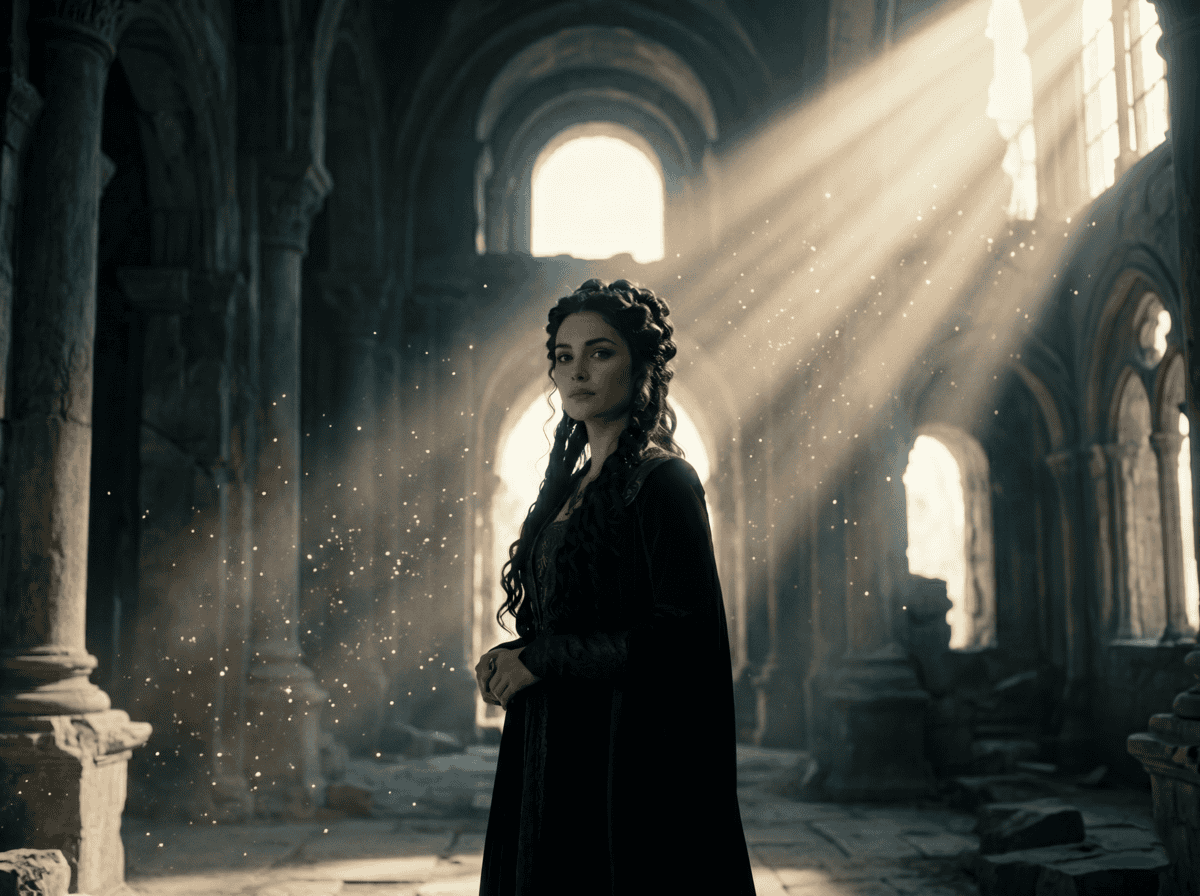
Lamia’s story proved remarkably durable. Ancient Greek and Roman writers continued discussing her long after the earliest versions of the myth appeared.
Poets, historians, philosophers, and storytellers all referenced her in different ways. Some treated her as a terrifying monster.
Others used her story to explore themes of grief, jealousy, or transformation. Because her legend contained both tragedy and horror, it appealed to a wide range of audiences.
The continued attention from ancient authors helped preserve her story through the centuries.
Without their writings, Lamia might have disappeared from history like countless other forgotten mythological figures.

自出生以来,我一直感觉到自己与神灵有着紧密的联系。作为一名作家和导师,我的使命是帮助他人在最黑暗的时刻找到爱、幸福和内心的力量。