
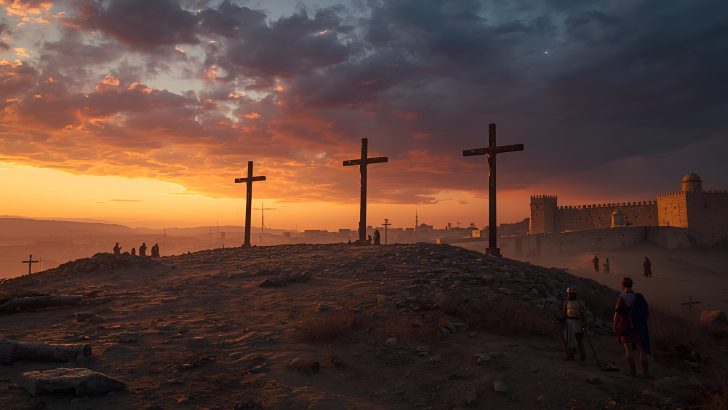
One of the most discussed details in the story of Jesus’ crucifixion is a small but powerful statement found in the Bible.
The Gospel of John says that when Roman soldiers came to break the legs of those who were crucified, they did not break the legs of Jesus because he had already died.
Instead, a soldier pierced his side with a spear. The writer then explains that this happened so that Scripture would be fulfilled.
The passage says, “Not one of his bones will be broken.” This detail has caused many readers to ask an important question.
Was this simply a coincidence, or was it a sign of divine protection and prophecy?
Over the centuries, theologians, historians, and believers have discussed this moment in many ways. Some see it as clear proof that the events of the crucifixion followed a divine plan.
Others examine the historical context of Roman crucifixion to understand how unusual this detail may have been.
Regardless of interpretation, the idea that Jesus’ bones were never broken remains one of the most fascinating details connected to the crucifixion story.
1. The Idea Comes from an Old Prophecy

The belief that the Messiah would not have any broken bones comes from passages written long before the time of Jesus.
One of the most commonly mentioned verses is found in Psalm 34, which says that God protects the righteous person and that not one of his bones will be broken.
Another connection appears in the story of the Passover lamb in the Book of Exodus. In that law, the lamb that was sacrificed during Passover was not allowed to have any of its bones broken.
Many Christian writers later connected this rule with the death of Jesus. They believed that Jesus was being presented as the true Passover lamb whose sacrifice brought salvation.
Because of this connection, the detail about his bones remaining unbroken became very important in Christian interpretation.
To believers, it was not just a random event during the crucifixion. Instead, it looked like the fulfillment of earlier Scripture.
This connection between the Old Testament and the events of the crucifixion is one of the main reasons the “never broken a bone” idea has remained a powerful part of Christian teaching for centuries.
2. Roman Crucifixion Often Included Breaking the Legs
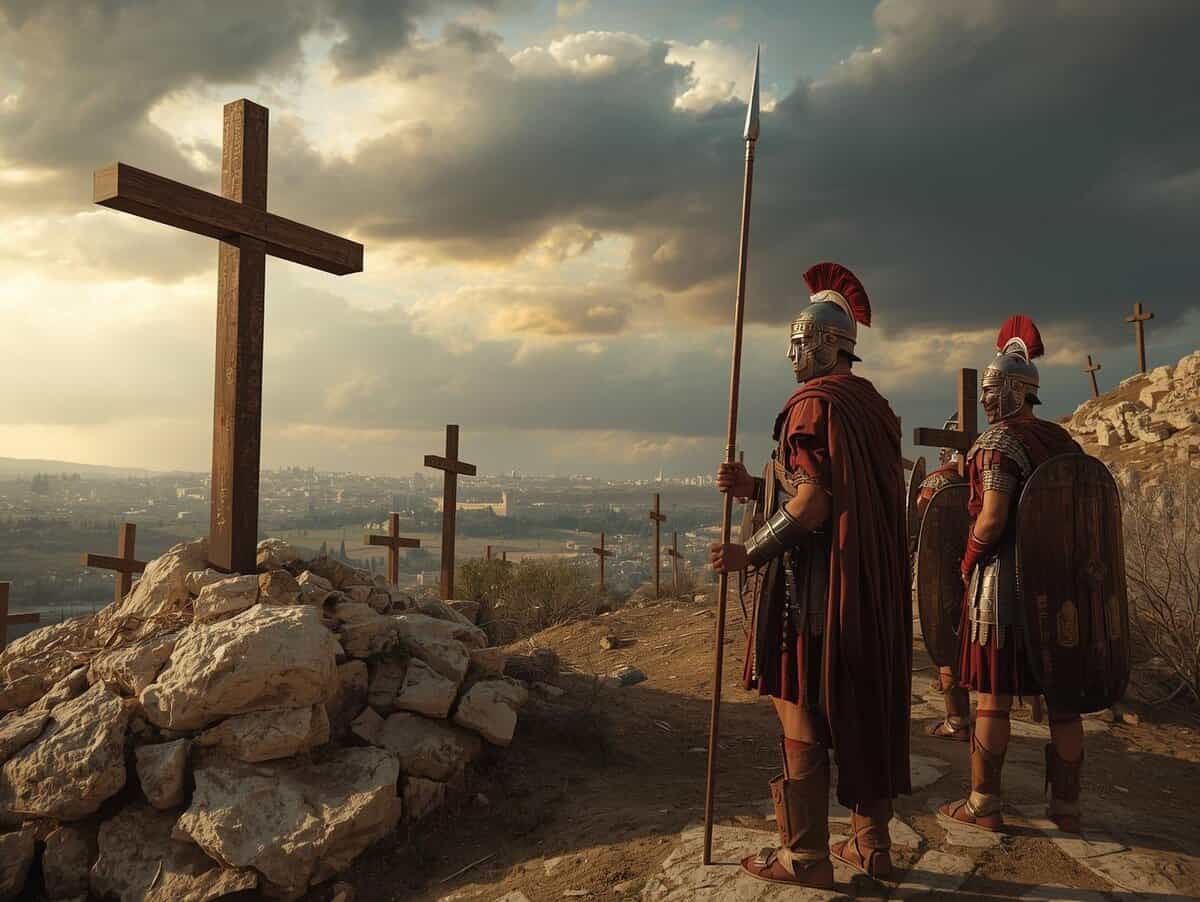
Understanding Roman crucifixion helps explain why the detail about Jesus’ bones is so interesting.
In many crucifixions, Roman soldiers used a brutal method called crurifragium, which means breaking the legs of the person on the cross.
This was usually done to speed up death. When someone was crucified, they had to push themselves up with their legs to breathe.
If the legs were broken, the person could no longer lift their body, which caused death to happen more quickly.
According to the Gospel of John, this is exactly what happened to the two criminals who were crucified beside Jesus.
However, when the soldiers came to Jesus, they saw that he had already died. Because of this, they did not break his legs.
Instead, one soldier pierced his side with a spear to confirm that he was dead. This moment became very important to early Christian writers.
They saw it as the exact fulfillment of the prophecy that none of his bones would be broken.
The fact that the soldiers followed normal Roman practice with the other victims but not with Jesus made the event appear even more significant to many believers.
3. Some Scholars View It as a Theological Message
While many believers see the unbroken bones as a fulfilled prophecy, some historians and biblical scholars approach the passage differently.
They suggest that the Gospel writer may have included the detail to emphasize a theological message rather than simply record a physical fact.
According to this view, the author wanted readers to connect Jesus with the Passover lamb and the righteous servant described in the Psalms.
By highlighting that none of his bones were broken, the writer strengthened that symbolic connection.
This does not necessarily mean the event did not happen, but it suggests that the meaning behind it was especially important to the early Christian community.
Ancient writers often shaped their narratives in ways that highlighted deeper spiritual messages.
In this interpretation, the detail about the bones served to show that the crucifixion fit into a larger story about sacrifice, redemption, and prophecy.
Whether one sees the moment as a historical fact, a symbolic storytelling, or both, the message about Jesus as a perfect sacrifice remained central to early Christian belief.
4. The Detail Strengthened Early Christian Faith

For many early Christians, the statement that Jesus’ bones were never broken became powerful evidence that God’s plan was unfolding exactly as predicted in Scripture.
The early church often pointed to fulfilled prophecies as proof that Jesus truly was the promised Messiah.
Details like this one helped believers see a connection between ancient writings and the events they believed had changed the world.
The idea that even a small physical detail of the crucifixion had been predicted long before gave believers confidence in their faith.
It suggested that nothing about the story happened by accident. Every event appeared to follow a larger divine plan.
Because of this, the “never broken a bone” detail was repeated in sermons, writings, and teachings for centuries.
It became part of the broader message that the life and death of Jesus fulfilled many ancient promises.
For believers, this detail was not just interesting history. It was a sign that God was guiding the story from beginning to end.
5. The Debate Between Coincidence and Divine Plan Continues
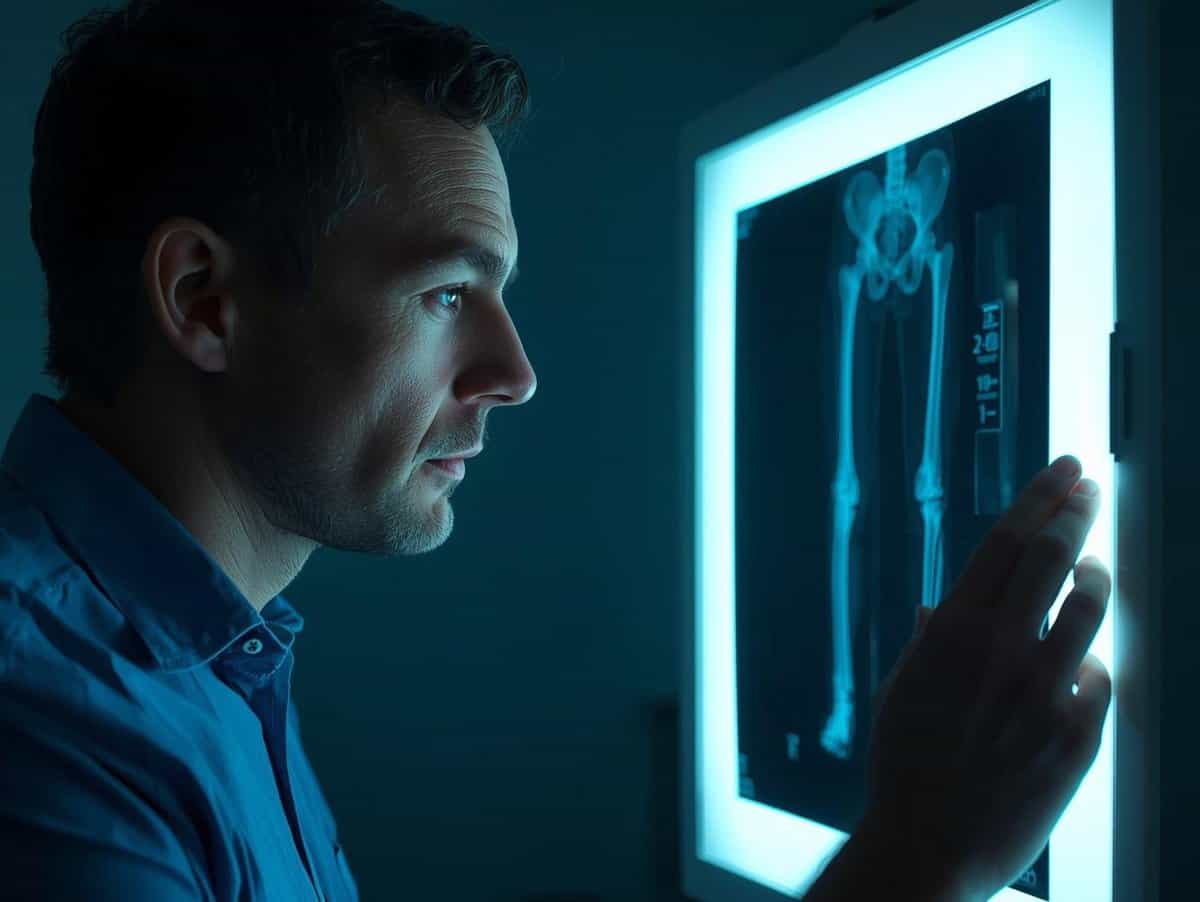
Even today, the question remains open for discussion. Some people see the unbroken bones as clear evidence of divine protection and fulfilled prophecy.
They believe that God guided the events of the crucifixion so that the prophecy would be fulfilled exactly as written.
Others approach the story from a historical perspective and ask whether the detail could have been a coincidence or a narrative emphasis added by the Gospel writer.
These different perspectives show how the same passage can inspire both faith and scholarly debate.
What makes the topic so fascinating is that it sits at the intersection of history, theology, and interpretation.
For believers, the moment is a powerful reminder of God’s plan and faithfulness. For historians, it is an example of how ancient texts combine storytelling, symbolism, and religious meaning.
Regardless of interpretation, the idea that Jesus’ bones were never broken continues to be one of the most memorable and meaningful details in the story of the crucifixion.

自出生以来,我一直感觉到自己与神灵有着紧密的联系。作为一名作家和导师,我的使命是帮助他人在最黑暗的时刻找到爱、幸福和内心的力量。