
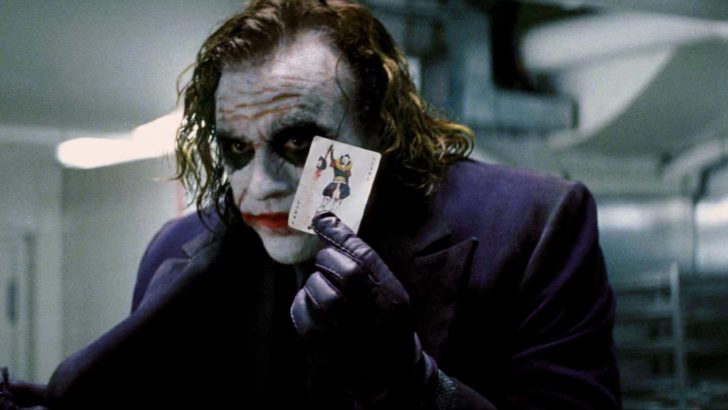
There’s no way you haven’t noticed – every new blockbuster, anime, or book features villains who are way more compelling than heroes.
And it’s not a coincidence; it’s a full-blown trend that’s been building for a while.
As a millennial, I can admit we started romanticizing bad guys first, and then Gen Z took it and ran with it.
The concept of humanizing a villain and seeing beyond the surface is great. Don’t get me wrong, I’m glad we no longer have cartoonish bad guys who are evil for the sake of evil.
However, we took it so far that we no longer have a clear line between a hero and a bad guy, and it’s really bad for storytelling.
1. Villains Are More Human Than Heroes
This particular problem comes from bad writing. Villains are often presented asmore layered and essentially more human than heroes.
This shouldn’t be the case simply because being a hero is much harder than being a bad guy.
It means going against the grain, doing things the harder way just because it’s right, and never backing down.
However, modern stories often serve us a hero who is unsure, undefined, without clear goals, and honestly bland.
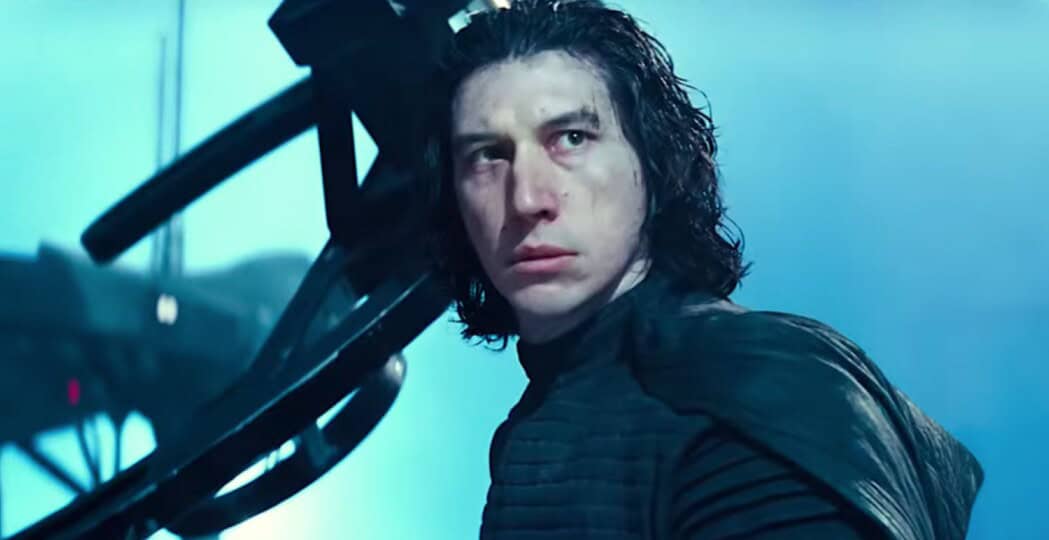
I mean, compare Kylo Ren and Rey, the actual hero of that story.
There’s the bad guy who is undeniably cool, who goes through difficulties, and has actual depth. Opposite him is a Mary Sue who just sort of goes through the motions.
Sometimes, I feel like we’re romanticizing the villain because certain stories don’t even give us the hero.
2. Rebellion and Nonconformity
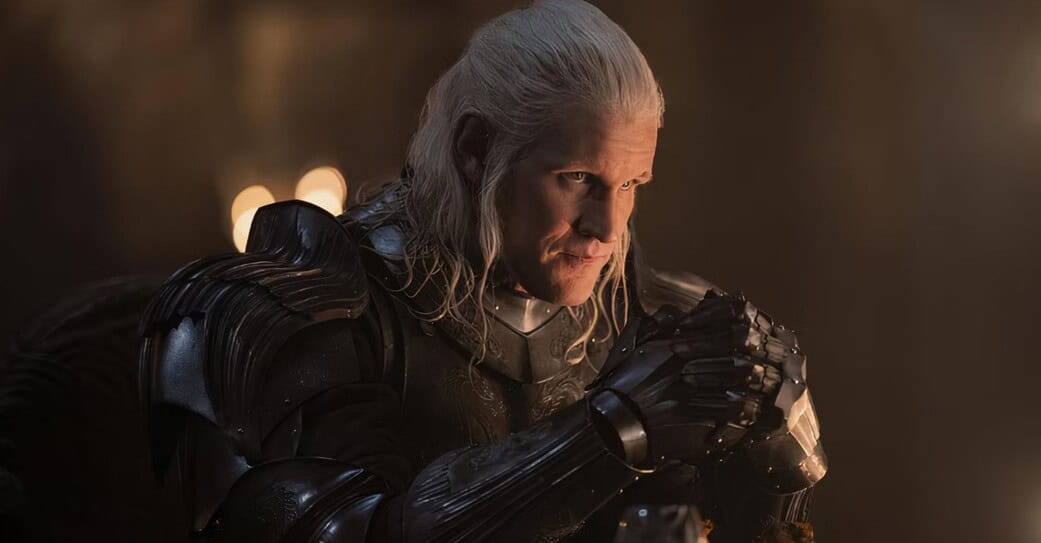
Villains are the ultimate symbols of rebellion, and this is one of the reasons why they resonate so strongly with us.
They break rules and challenge authority, and that’s exactly what most of us wish to do.
Younger generations have seen through the lies of authority, and so they’re naturally at odds with a hero who represents the system that is fundamentally flawed.
If the bad guy is the one who goes against the system and tries to break it in order to create something better, then our obsession is very understandable.
When it comes to nonconformity, the bad guys seem to assume the freedom to be unapologetically themselves, which is something we all strive for.
3. Charisma and Style
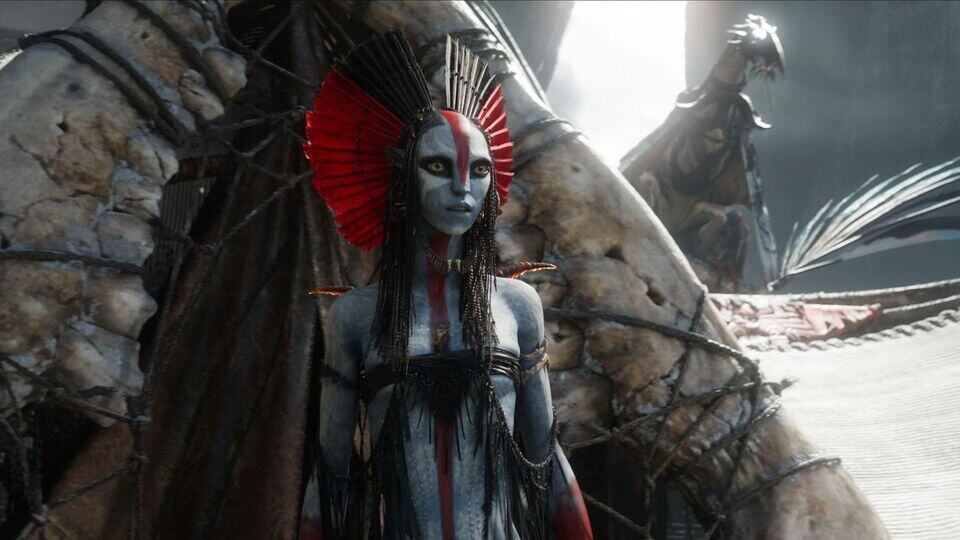
Gen Z calls it aura-farming, and I’m here for it.
We have to admit that villains are often leagues cooler than heroes, at least in newer media. Think of Loki, Harley Quinn, or Hannibal Lecter.
These characters have incredible style, and they’re so charming and confident. They dress differently and speak with an attitude – they instantly grab our attention.
This sense of individuality makes them irresistible.
However, long ago, this stylization of villains used to have a very good purpose – to teach us that not all good-looking and charming people have good intentions.
Right now, I feel like most of them are made to look cool just for the fan service.
4. Challenging Conventional Morality
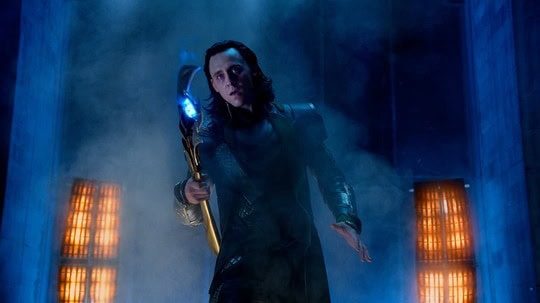
Villains tend to flip the script on conventional morality, which resonates with the younger generations because they don’t buy into it themselves.
In a culture where everything is relative, and there isn’t one truth, but your truth and mine, heroes start to look almost oppressive.
Besides, the bad guys often have motives that feel relatable – loss, betrayal, or their own version of justice – forcing us to reconsider what’s truly right or wrong.
这 moral ambiguity sparks debates and keeps us hooked.
It’s more interesting to root for a character whose defining trait isn’t “good,” but who has understandable reasons for their actions.
It mirrors the complexity of human nature, and keeps us engaged.
5. Power and Control
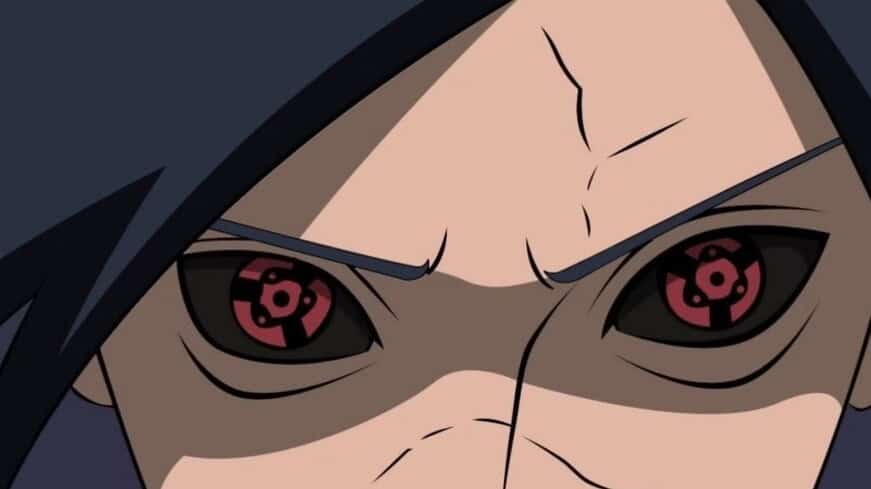
Villains are often characterized by their desire for power, and this taps into a universal human desire for control.
Many of us feel more or less powerless in our daily lives, so watching these characters wield influence can be oddly satisfying.
They’re unapologetic about their ambition, and that’s the kind of boldness we all wish we had.
Their confidence and pursuit of what they want contrasts sharply with the indecision and passivity most people deal with.
Villains remind us of the thrill of taking control, allowing us to live vicariously through them.
6. Ultimate Anti-Heroes
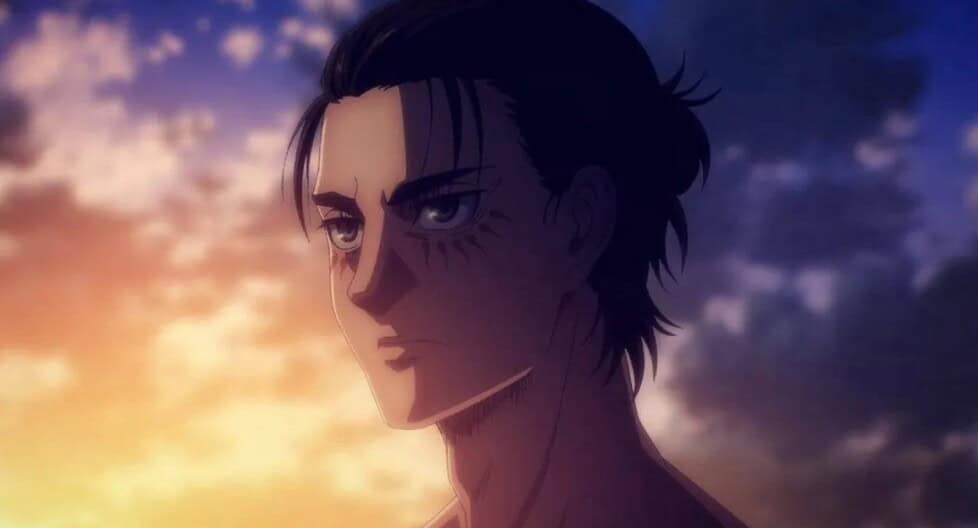
Anti-heroes are villains with the heart of gold, or, at the very least, some redeeming qualities.
Characters like Walter White and Tony Soprano show us that even bad guys can have moments of vulnerability and goodness.
This blurred line between good and evil makes these characters fascinating because they defy the typical hero archetype.
We’re drawn to anti-heroes because they’re real and flawed like us, but they’re also essentially good and well-meaning.
They reflect our own imperfections and the messy reality of human nature.
7. Reflection of Our Inner Darkness
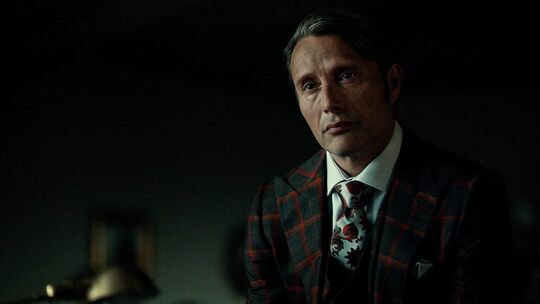
None of us is all sunshine and rainbows. Though most people are generally good, everyone occasionally struggles with dark thoughts, envy, and temptation.
Villains give us a safe outlet to 探索 那些 darker impulses without real-world consequences.
Watching them do their thing makes us excited because it resonates with us, often on a subconscious level.
We’re deeply curious about our own shadow-selves, and these bad guys act out what we sometimes wish we could do – break rules or just be unapologetically selfish.
8. The Best Storytellers
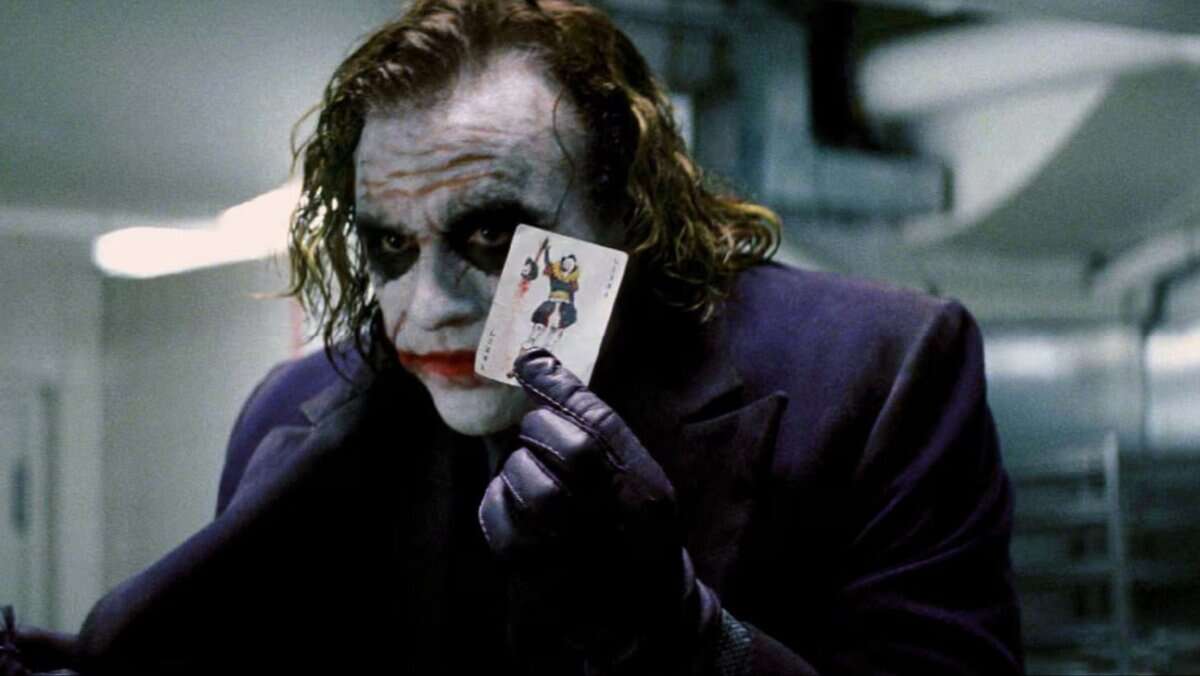
Good stories need great villains. They add depth, challenge heroes, and create necessary conflict.
Without them, any story would feel flat, or there wouldn’t even be a story to tell.
Sometimes, like in The Lord of the Rings or Hannibal, the villain is the story; everything starts with him and happens because of him.
Where most people start to have a problem with it, when the bad guy completely takes over the story and outshines the heroes.
That typically means that heroes were badly written and didn’t leave a strong impression.
This really shouldn’t happen because heroes have a lot to teach us and to inspire us in many ways. If all we have is the bad guy, then the whole message of the story is bleak.
9. Humanizing Villains
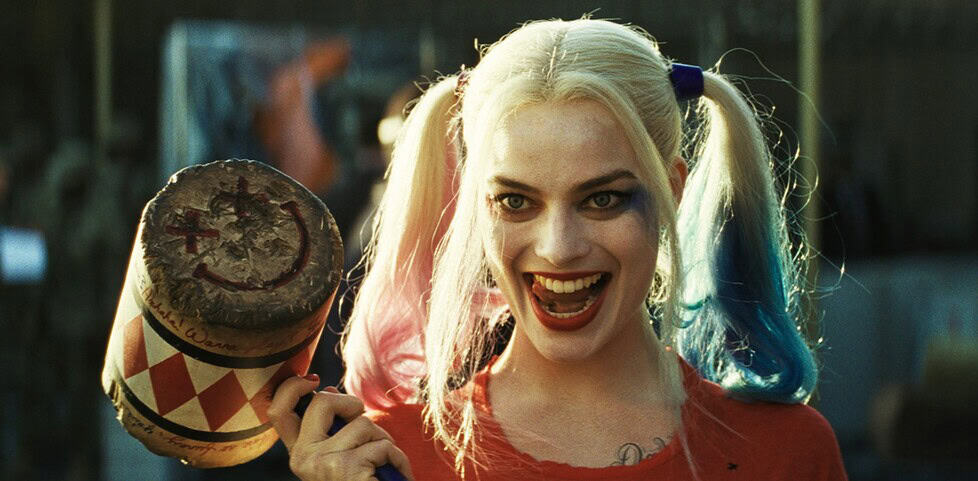
In recent years, villains have been given more depth and humanity.
Many older books and movies feature bad guys that were masterfully written, but they didn’t have that level of humanity that modern ones often do.
Characters like Thanos have a truly tragic backstory that allows us to empathize with them, and perhaps even take their side.
This trend reflects a growing cultural shift – acceptance that good and evil aren’t always black and white.
When such a relatable bad guy stands opposite equally great hero, then we have an amazing story.
However, humanization of bad guys often tends to leave us with bland, uninspiring heroes.
10. Mirror to Our Society
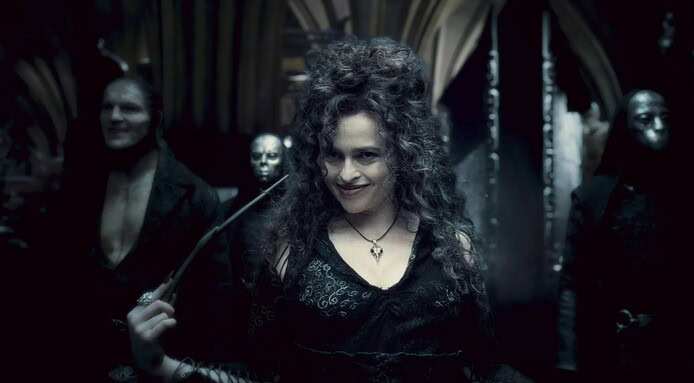
Villains often mirror societal flaws and fears.
They embody corruption and greed that rule in the real world, and magnify them.
Negative characters, such as Joker, symbolize chaos and moral decay. They allow us to indirectly examine the darker parts of society.
Not to mention, they can give us some powerful messages and lessons about life.
Overall, many people seem to find villains much more believable and plausible than heroes, which is a nasty mirror to look at.

A little Aquarius, devoted to writing and embroidery. Through my writing, I hope to empower readers to align with their true selves and navigate life’s mysteries with confidence.