

It seems like younger generations devote a lot of time to psychoanalyzing their parents.
To an outsider looking in, or even to the parents themselves, this can look like disrespect.
But what if I told you that this isn’t an act of rebellion, but a profound act of love?
We are attempting something that generations before us rarely tried: we want to truly understand and empathize with the people who raised us.
Sure, you’ll see people throwing around labels like narcissist way too freely on the internet, but underneath all that, the intention is actually beautiful.
1. It’s Not Blame, It’s Curiosity

We’re moving away from blaming our parents to being curious about their experiences.
Instead of looking at the ways they messed us up, we are asking why they parented the way they did.
It’s the difference between looking at your parents as villains in your story versus looking at them as complex characters.
When we approach our parents with curiosity instead of judgment, we open the door to beautiful relationship with them.
We stop seeing their actions as personal attacks and start seeing them as reactions to their own 未解决的问题.
This is the first step in breaking cycles of misunderstanding.
2. Emotional Awareness
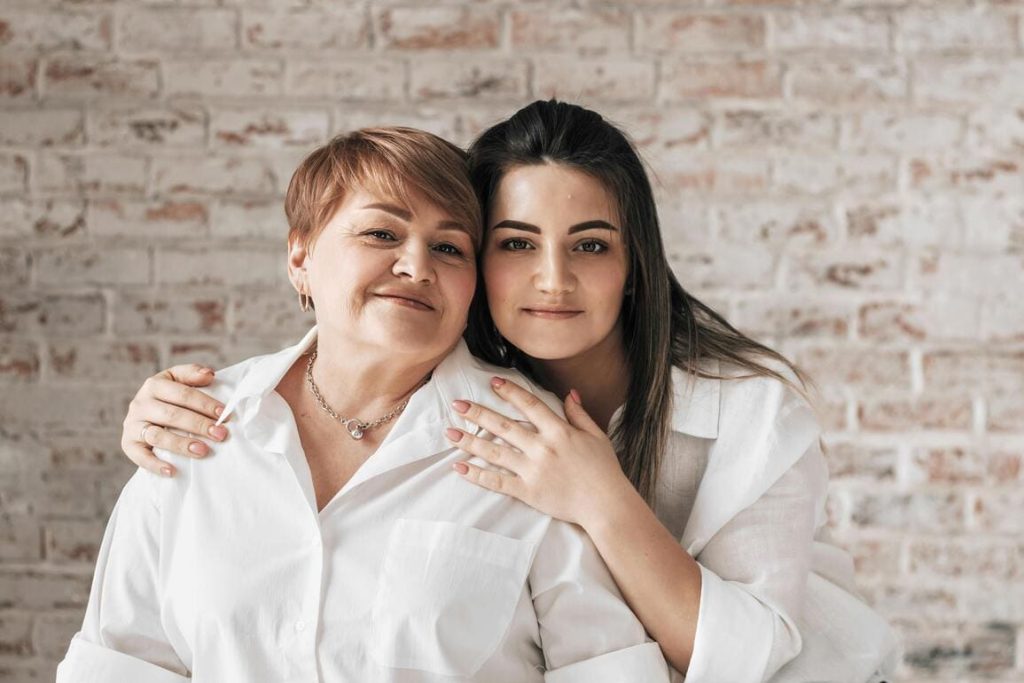
There is a huge gap in emotional awareness between our generation and the ones that came before us.
My own mom is a perfect example of this. She is of the firm opinion that her parents were terrible at their job.
They were overly strict, negligent, and completely uninterested in understanding her perspective. To her, they are simply bad parents.
But here is the thing about the older generation: they just didn’t have the language for mental health that we have today.
They often take their own experience at face value without digging deeper.
My mom never considered the traumatic, unsafe, and abusive environments her parents survived.
We are the generation asking, “What happened to 他们?” and that’s truly beautiful.
3. Empathy for the First Time Parent

This is something you hear younger people say all the time now: “It was my mom’s first time being a parent; she was still learning to live.”
Isn’t that a beautiful way to look at it?
This perspective doesn’t erase the mistakes, but it recognizes them as something that was never meant to be hurtful.
We are acknowledging that our parents weren’t born with all the 经验 in the world; they were figuring it out along the way, just like we are.
This attempt to understand our loved ones is deeply compassionate.
When we look at our parents through this lens, we see their mistakes as growing pains.
It allows us to recognize that they were doing their absolute best, even though, sometimes, their best wasn’t enough.
4. Deconstruction Comes From Love

I know – most people don’t enjoy being psychoanalyzed. It can feel invasive and critical.
But often, parent deconstruction comes from a place of deep, beautiful love.
We aren’t doing this to expose them; we are doing it to 连接 与他们在一起。
We want to know the stories they buried, the fears they hid, and the dreams they sacrificed for us.
By analyzing their pasts, we are trying to find the person underneath the “parent.”
It’s an act of intimacy.
We love them enough to try to understand who they really are, not just the role they played in our lives.
5. Moving Past Blind Obedience
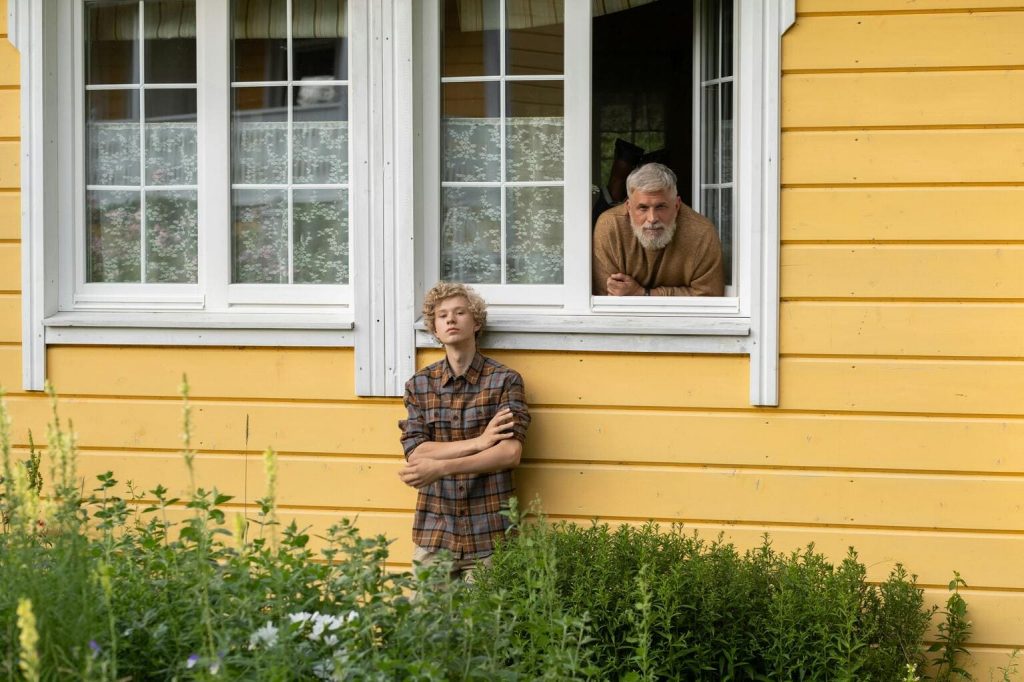
The younger generation doesn’t have the same veneration and blind obedience for their parents’ authority anymore, and it’s not because we respect them less.
It’s because we view them as people.
When we are little, our parents seem invincible, but as we grow up, we start to see their weaknesses.
We understand their struggles, their pain, their unresolved issues, and their relationship troubles.
We realize they are just humans winging it, and we stop blindly following their advice.
It means we are engaging with them as equals, which is truly beautiful.
We’re choosing to love them without having to pretend they are perfect.
6. The Human Behind the Parent

When we try to see our parents beyond just the role they play in our lives, we get to see them as individuals.
Their struggles and heartbreaks come into the view, and suddenly, everything makes sense.
Maybe your dad was distant because he was taught that emotions were weakness. Maybe your mom was controlling because she was terrified of the world she couldn’t protect you from.
When we see the human behind the parent, our own hearts soften.
We realize that their behavior was often a defense mechanism, a way to survive their own pain and keep us from experiencing it.
This realization is so beautiful and liberating for everyone involved.
It frees us from taking their actions personally and frees them from the pressure of being perfect.
7. Uncovering Their Unresolved Issues

Part of the deconstruction process involves realizing that our parents are carrying a bunch of unresolved issues, just like the rest of us.
We look at them and see the patterns they couldn’t break.
We see the anxieties they projected onto us and the dreams they forced us to live because they couldn’t.
It’s a hard realization, but it’s also a beautiful one.
It helps us understand that their parenting wasn’t really about us; it was a reflection of their own internal battles.
When we can look at our parents and say, “You were really hurt by that, weren’t you?” we change the whole dynamic.
It’s a moment of shared humanity, and in that moment, forgiveness is much easier to find.
8. Building a Bridge of Understanding
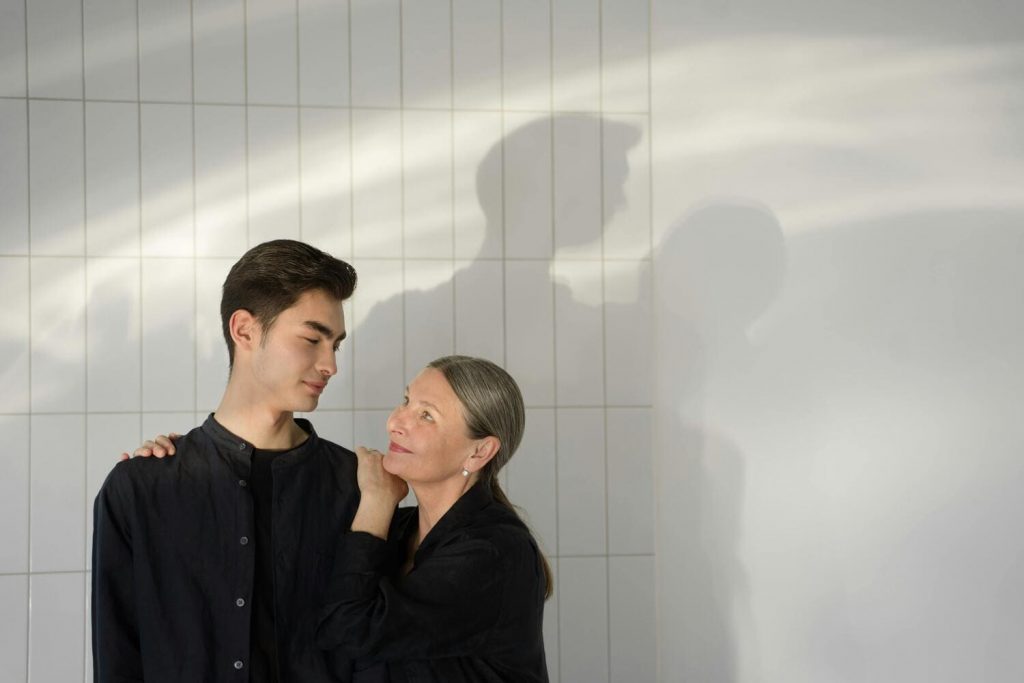
So, what is the goal of all this deconstruction?
It’s connection.
It doesn’t destroy a relationship with your parents; it allows you to build a bridge between you.
You’re able to let go of old expectations and roles. Here, all mistakes are acknowledged and held.
But here is the beautiful part: they are forgiven not because you feel obliged to forgive, but because you understand.
宽恕 born of 理解 feels like a release.
You drop the grudge because you see the human error in it, and you choose love over resentment
9. A New Relationship

This entire process leads us to a place where we can have a real, adult relationship with our parents.
We stop looking to them to validate us, and we start enjoying them for who they actually are.
We can laugh about the family dynamics and cry about the shared losses. We can appreciate the love that was always there, even if it was imperfect.
Deconstruction clears the air.
We realize that our parents were also kids once, trying to survive their own upbringings, and they did the best they could with what they knew.
We see the love that was woven through their mistakes.
In that moment, we can find a deep sense of gratitude for everything they did for us despite the world working against them.
No one can say that’s not a beautiful thing.

A little Aquarius, devoted to writing and embroidery. Through my writing, I hope to empower readers to align with their true selves and navigate life’s mysteries with confidence.