
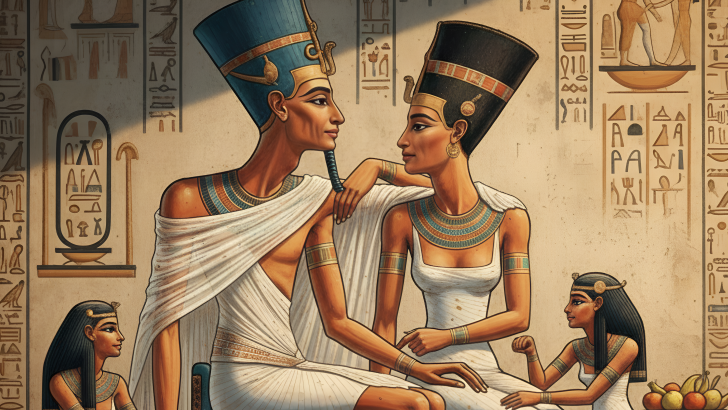
Akhenaten is one of the most unusual and controversial rulers in ancient Egyptian history.
During his reign in the fourteenth century BCE, he attempted a major religious revolution that changed traditions that had existed for thousands of years.
Instead of supporting the many gods worshipped across Egypt, he promoted the worship of a single divine power.
His changes affected religion, art, politics, and daily life. Although his reforms did not last long after his death, they left a lasting mystery for historians.
These eight facts explain how Akhenaten tried to reshape Egyptian belief and why his rule remains one of the most fascinating periods of the ancient world.
1. He Promoted the Worship of One Main God
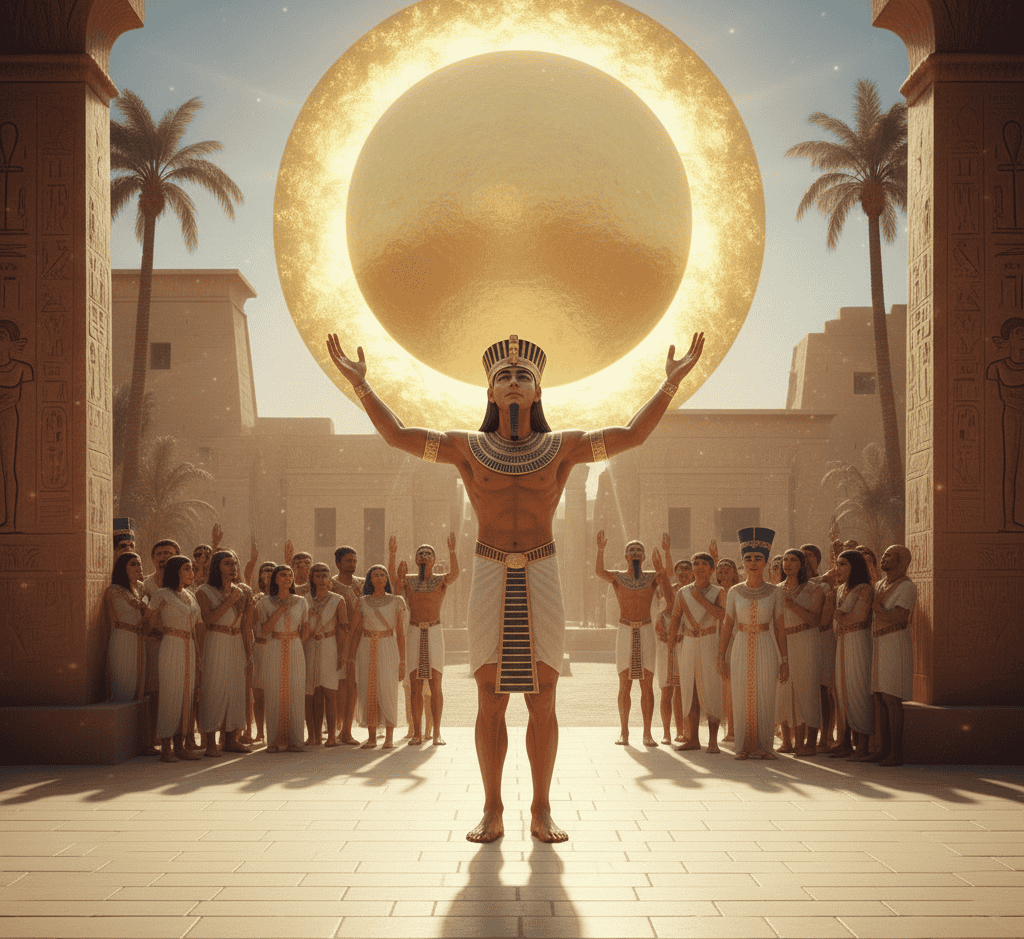
Akhenaten is best known for focusing Egyptian religion on a single deity called Aten, the sun disk.
Before his rule, Egyptians worshipped many gods connected to nature, protection, and daily life.
Akhenaten taught that Aten was the supreme source of life and energy for the entire world.
He reduced the importance of other gods and encouraged people to honor Aten above all.
This shift was extremely unusual in a culture built on many long-standing religious traditions.
His focus on one main divine power changed how temples, prayers, and royal ceremonies were organized.
2. He Closed Temples of Other Gods

To strengthen his religious reforms, Akhenaten ordered the closure or reduction of temples dedicated to major gods such as Amun.
These temples were powerful institutions with land, wealth, and influence.
By limiting their role, he reduced the power of the priesthood and redirected attention toward Aten worship.
This decision caused tension because many priests and citizens were deeply connected to traditional beliefs.
Removing established religious centers disrupted both spiritual life and the economy.
His actions showed how serious he was about changing Egypt’s religious system, even if it created resistance.
3. He Built a New Capital City
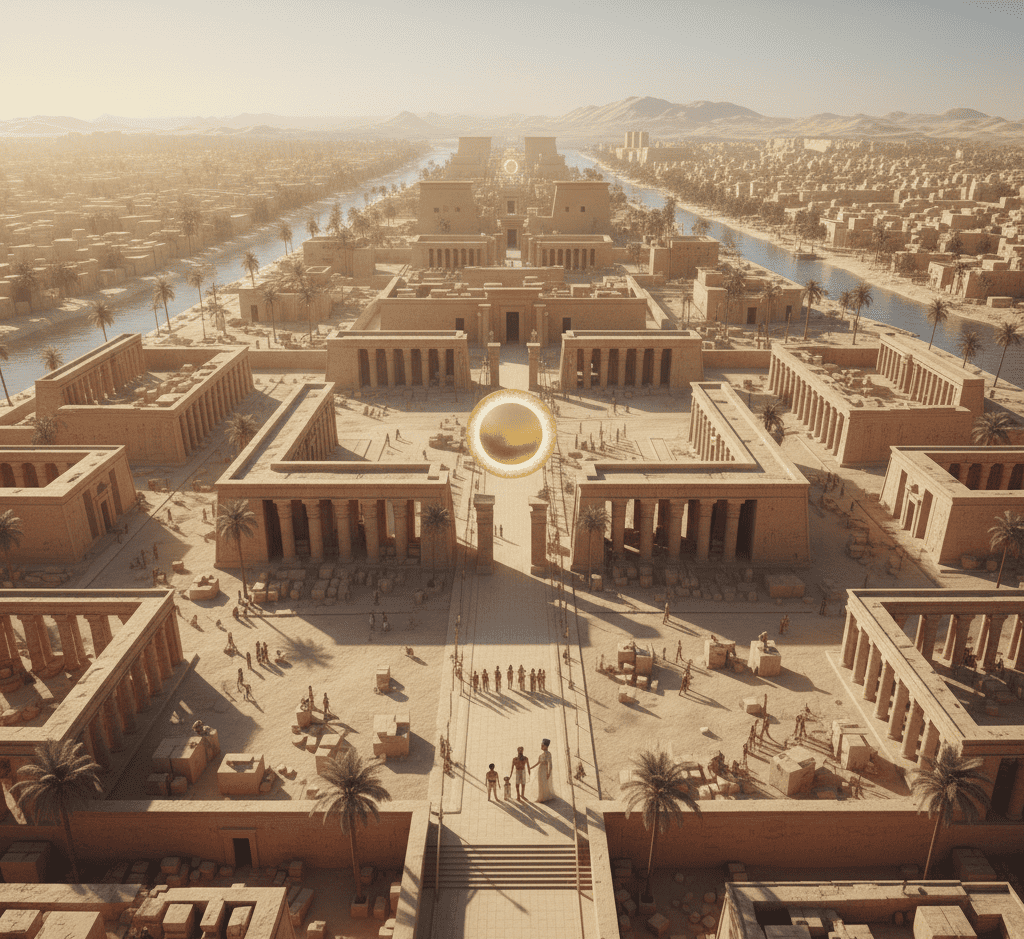
Akhenaten founded a completely new capital called Akhetaten, known today as Amarna.
He moved the royal court and government there to create a fresh center devoted to Aten worship.
The city was built quickly with temples, palaces, homes, and public buildings designed around open sunlight, reflecting the importance of the sun god.
By leaving the old religious centers behind, he hoped to separate his new system from traditional influences.
The move showed his determination to create not just a new religion but a new cultural and political environment.
4. His Art Style Was Very Different
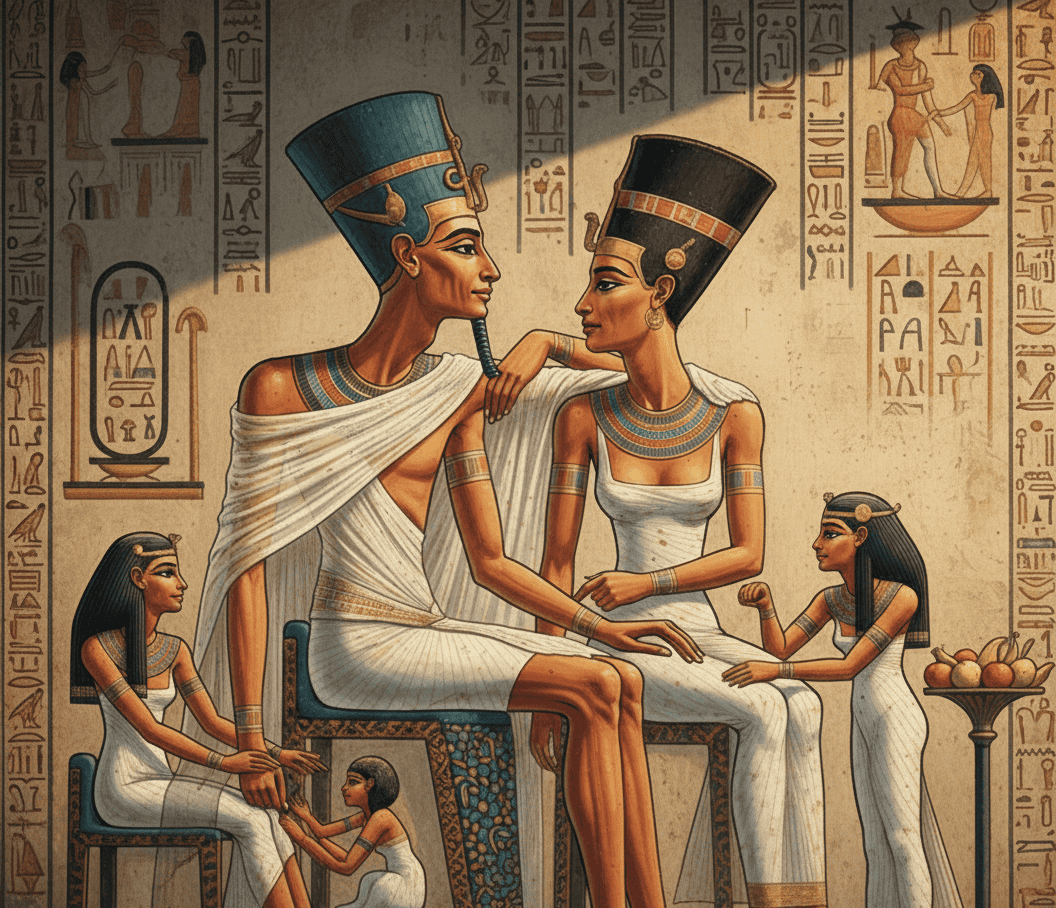
The art created during Akhenaten’s reign looks very different from traditional Egyptian images.
Earlier royal art showed pharaohs as perfect and strong figures. Under Akhenaten, artists used a more natural and unusual style.
The king was shown with a long face, narrow chest, wide hips, and relaxed poses.
Scenes also included family life, showing the royal couple and their children in personal moments.
This new artistic approach may have been meant to emphasize honesty, humanity, and the special connection between the royal family and Aten.
5. His Queen Nefertiti Played an Important Role
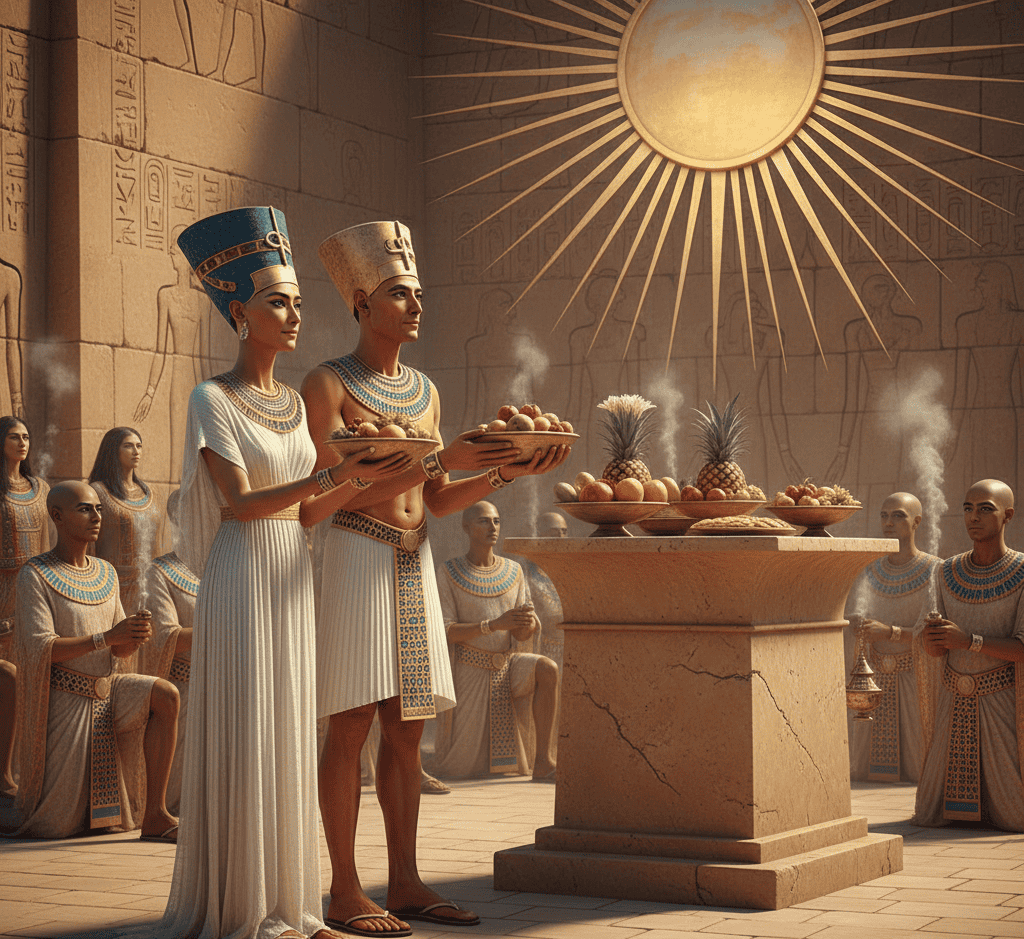
Akhenaten did not rule alone. His wife, Queen Nefertiti, appears frequently in art and inscriptions, sometimes performing religious rituals alongside him.
She was shown as nearly equal in importance, suggesting she had a strong influence in both religion and politics.
Together, they presented themselves as the main link between Aten and the people.
Their partnership strengthened the image of a royal family chosen to guide Egypt’s spiritual transformation.
Nefertiti’s prominent role was unusual and highlights how central the royal household was to the new religious system.
6. The People May Not Have Fully Accepted His Changes

Although Akhenaten pushed his reforms strongly, there is evidence that many Egyptians quietly continued traditional worship.
The old gods had been part of daily life for generations, and local beliefs were deeply rooted.
Outside the new capital, some communities likely kept their older practices. The lack of widespread support made the new system fragile.
Religious change on such a large scale required time and acceptance, and Akhenaten’s rapid reforms may have been too extreme for the population to fully embrace.
7. His Religious Revolution Did Not Last
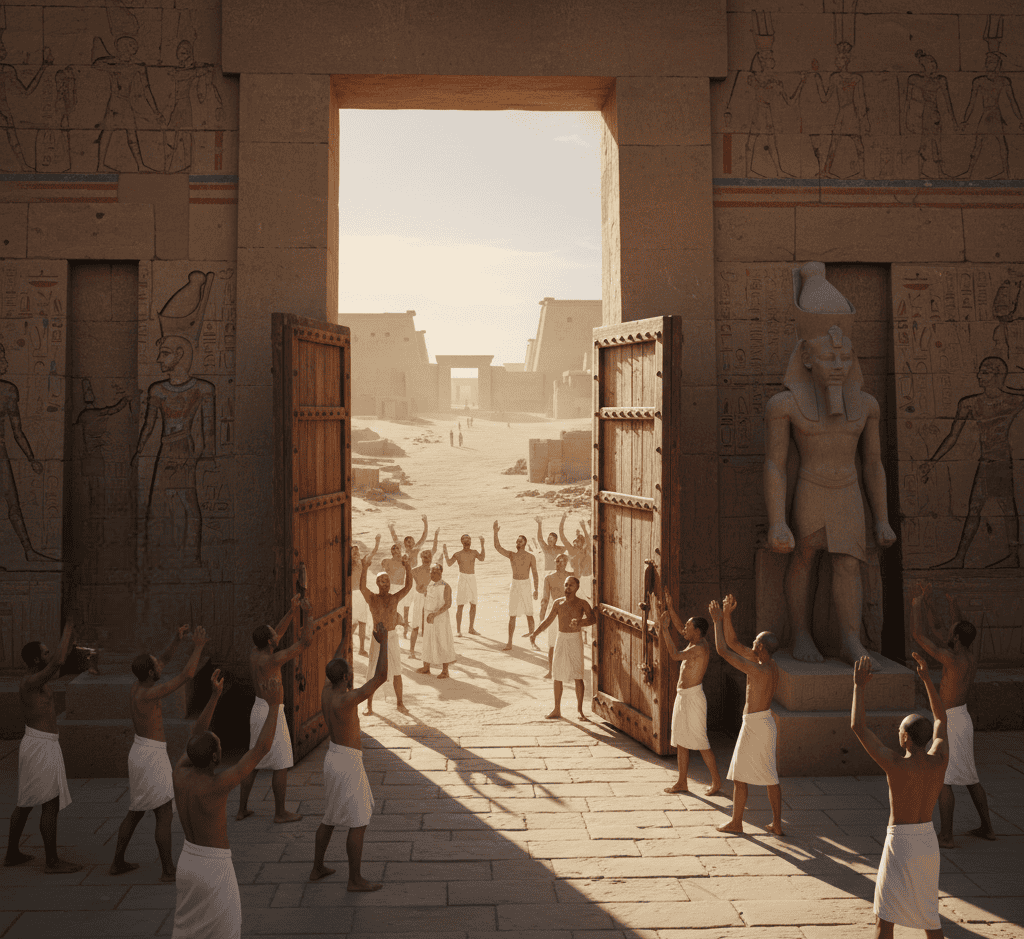
After Akhenaten’s death, Egypt quickly returned to its traditional religious system.
His successors reopened temples, restored the old gods, and moved the capital away from Amarna.
Even his name was removed from some records, and later rulers tried to erase his memory.
This reaction shows how unpopular or unstable his changes may have been.
The speed of the reversal suggests that his reforms depended heavily on his personal authority rather than strong public support.
8. He Remains One of Egypt’s Most Mysterious Rulers
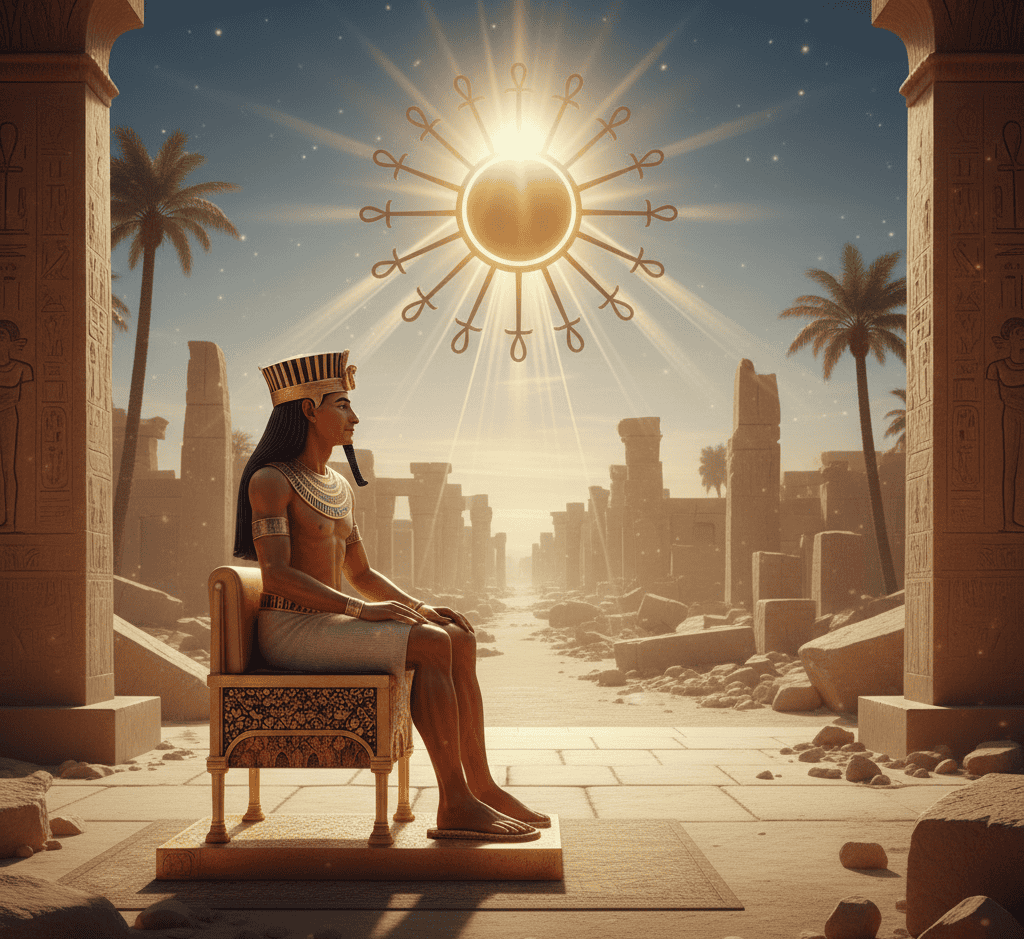
Today, Akhenaten is remembered as a revolutionary figure who attempted one of the earliest known religious transformations led by a single ruler.
Historians still debate his motives, personality, and the reasons behind his unusual policies.
Some see him as a visionary, while others view him as a ruler whose focus on religion weakened Egypt politically.
The ruins of Amarna and the unique art from his time continue to provide clues about his reign.
His bold attempt to reshape belief ensures that he remains one of the most fascinating and debated pharaohs in history.

自出生以来,我一直感觉到自己与神灵有着紧密的联系。作为一名作家和导师,我的使命是帮助他人在最黑暗的时刻找到爱、幸福和内心的力量。