

When children misbehave, emotions arise quickly, and the things you say in those times matter to both of you more than you realize.
Positive phrases can bring down the intensity of a situation, teach children about responsibility, and build a stronger connection based on mutual respect.
Using positive language allows children to feel understood, but at the same time, learn to recognize their own limits. Here are some simple, respectful, and effective parenting tools you can incorporate into your everyday parenting moments.
1. “I see you’re having a hard time right now.”
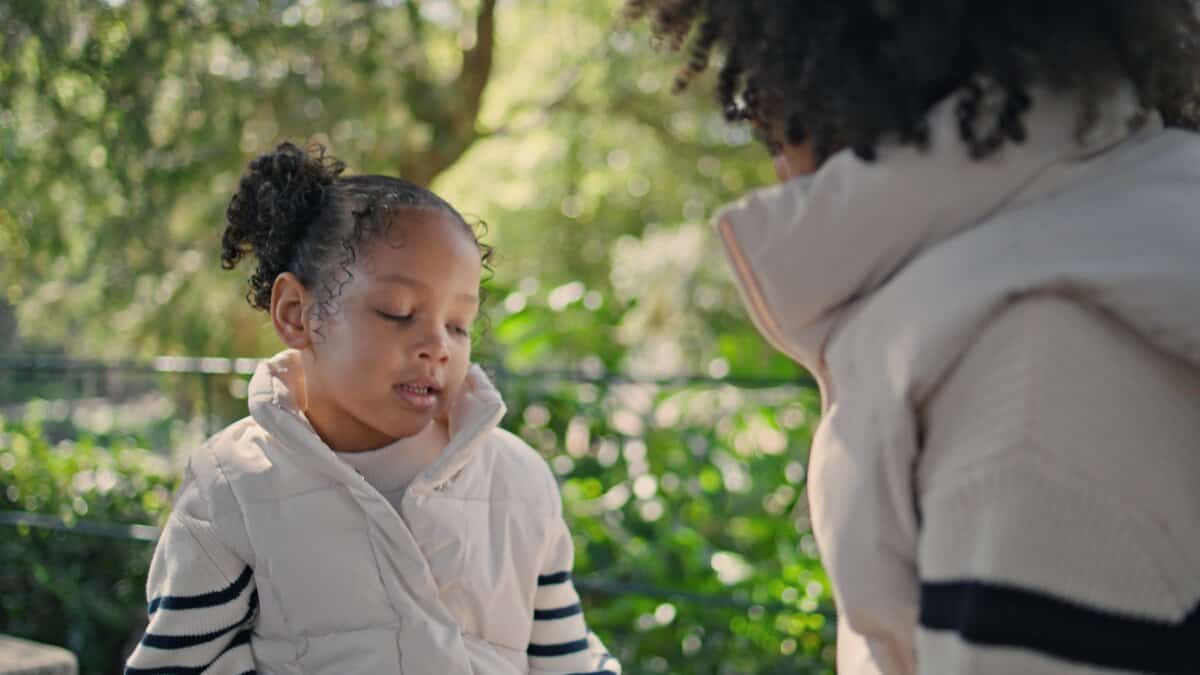
This phrase expresses empathy before you correct the behavior. It makes your child feel like they are understood and not attacked. When children feel understood, they are more receptive and willing to listen.
Use this phrase in a calm voice, at the child’s eye level. While it doesn’t justify the behavior, using this phrase can help create an opening for your child to lower their emotional resistance to your correction.
Use this phrase in a calm and neutral tone; it is most effective when the child is experiencing emotional upheaval and can’t think logically. The phrase allows for collaboration rather than confrontation.
2. “Let’s take a moment and calm our bodies first.”

The expression suggests managing anxiety or frustration until calmness is obtained before addressing the concerns. So, when you’re having a meltdown or are experiencing extreme emotional responses, remember to take a moment to stop and/or breathe.
Do not expect your child to respond right away. This phrase also illustrates how to breathe and take a moment to compose yourself while providing a safe place for you both to sit quietly.
Rather than using punishment to teach self-control, the phrase shows children that it is possible to manage their negative emotions.
By learning to manage their feelings, children can learn how to control their emotions quickly, allowing them to feel secure and familiar when dealing with their strong feelings.
3. “What were you trying to do?”

Rather than assigning blame for a child’s actions, this question seeks to provide parents with a better understanding of the child’s motivations.
Most misbehavior comes from an unmet need; rather than cutting the child off while he or she answers, it is better to listen because that establishes trust between parent and child, as well as a foundation for better communication.
The question’s wording does not imply that the child’s misbehavior was acceptable but offers guidance as to what alternative behavior would be appropriate the next time around.
When parents consider the child’s perspective, this shows the child that his or her opinion is valued, even in cases of inappropriate behavior.
4. “That behavior is not okay, but you are.”

The phrase makes a distinction between the child and the behavior, therefore preserving the self-esteem of the child while at the same time establishing a clear boundary.
Children have to know that they are still loved despite making mistakes, not referred to as “bad” or “difficult.” This type of language helps to reduce feelings of shame and defensiveness.
It supports and allows for taking responsibility without fear. As time passes, children will see mistakes as opportunities for growth rather than indicators of failure.
5. “What can you do differently next time?”

The phrase lends itself to learning, not punishment. Children are able to plan and problem-solve by using it. Use it after things have settled down and avoid using it in a sarcastic manner.
When children reflect on their decisions, they begin to have ownership over them. This establishes long-term change in the child’s behavior. It also expresses your confidence in the child’s ability to improve.
The more the child believes he or she can improve, the more confidence the child has in their own decision-making ability.
6. “I won’t let you do that.”
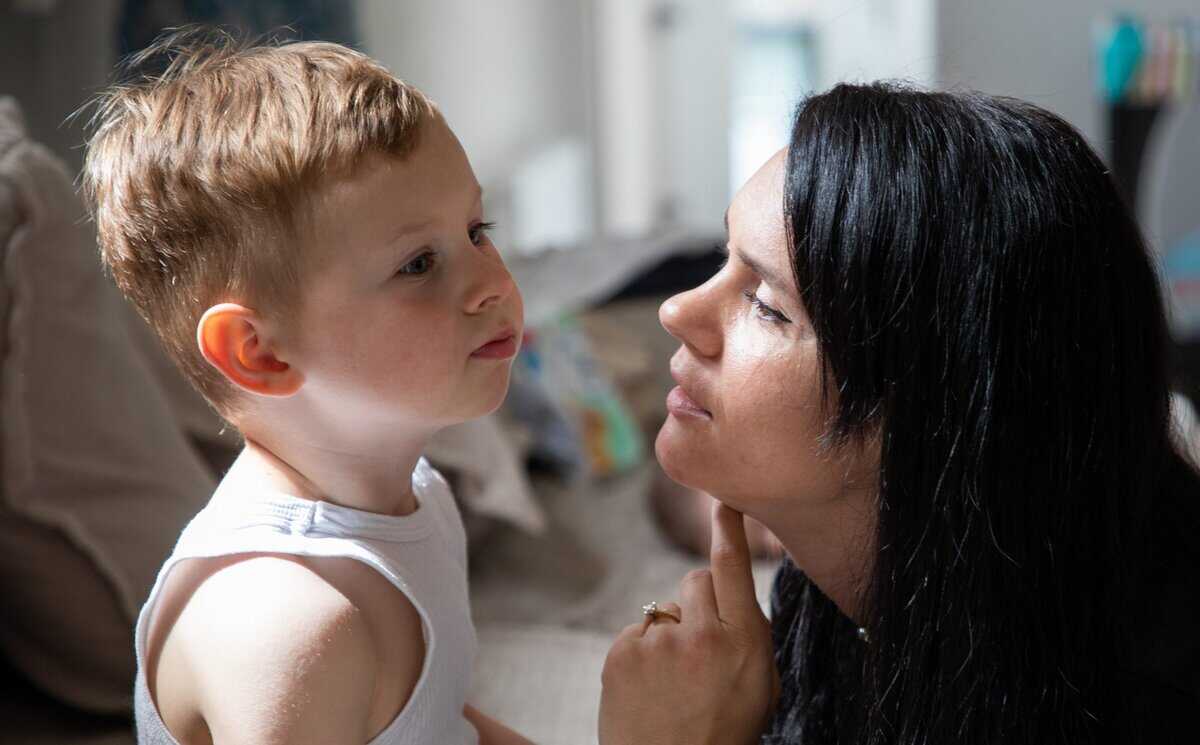
This phrase creates safety for children by establishing clear boundaries without threat or aggressive yelling. Children need limits to feel secure.
You should use your ‘firm stance’ instead of frustration while you use this phrase. Avoid using lengthy explanations during times of “crisis.”
This phrase is appropriate when either respect or safety is an issue. This gives you leadership while remaining respectful; using this phrase consistently creates the foundation of trust and predictability.
7. “Let’s fix this together.”

“Your mistake, our teamwork.” This statement changes mistakes from fear of punishment to an opportunity for responsibility. It allows the child to feel supported instead of alone.
Use this statement when you have a spill, broken item, or incorrect statement. Don’t do it all yourself; let your child be involved, develop problem-solving skills, and build a stronger relationship with you.
When children feel supported, they are more likely to cooperate.
8. “I need you to listen now.”

Use a firm and calm tone when saying this phrase to give the impression that it is very important. By saying this in a clear way, you can create a clear expectation for what you expect.
Do not repeat yourself, since children respond best when they are given direct information about boundaries. The best way to use this phrase is when you maintain eye contact with the child as well.
Children develop respect for communication as they grow up and learn that this phrase is important.
9. “Take responsibility for your choice.”
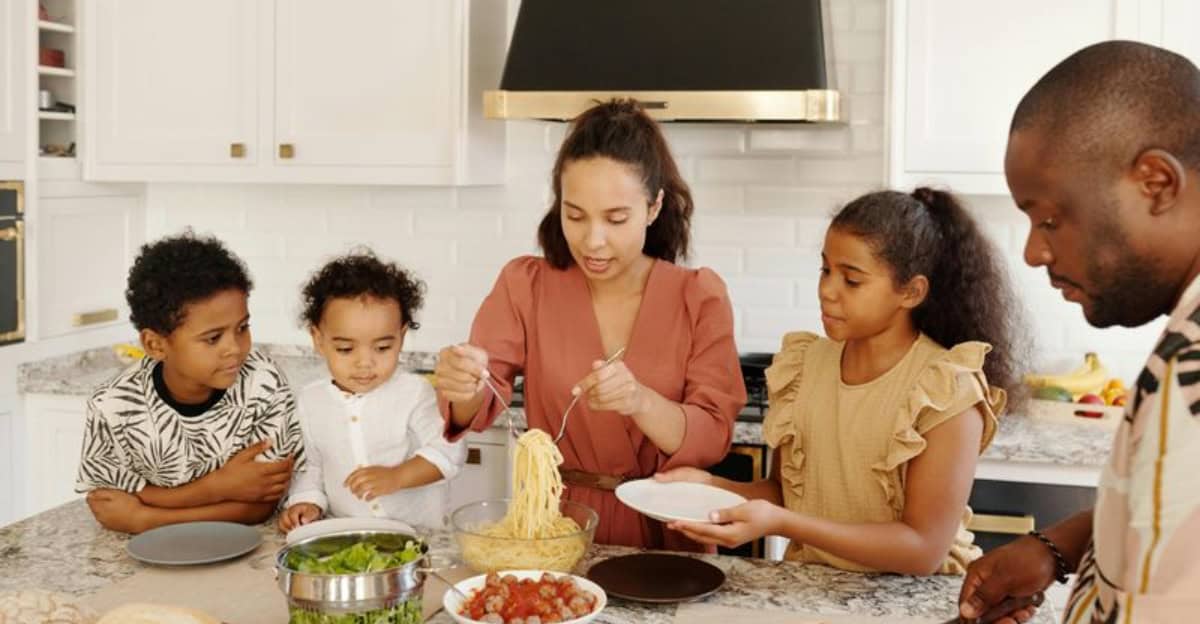
Using this phrase shows respect yet creates accountability. Blame is avoided while promoting “ownership.” Use the phrase after defining ‘expectations.’
Do not shame or lecture your child; being responsible helps a child’s emotional growth. This statement conveys that there are consequences for one’s actions without fear.
It is a tool for children to learn to make decisions throughout their lives. Calmly holding children accountable promotes growth in maturity more than punishment alone.
10. “I love you, even when I’m upset.”

When parents offer the unconditional statement, “I love you no matter what,” this gives children emotional safety in the moment! It is best to use this phrase after you discipline your child, during disagreements, or when your child makes an error.
Do not ever use the phrase “I love you” as a reward for good behavior. Children who feel safe use this feeling to become more open to correction and being taught.
This type of security increases trust and attachment between parent and child. The foundation upon which all healthy behavior and healthy growth occur for children is emotional security.

Born and raised in Bosnia and Herzegovina. Ever since I was a little girl, my imagination knew no bounds. I remember vividly how I’d scribble down short stories, each page bursting with adventures and characters conjured up from the whimsy of my mind. These stories weren’t just for me; they were my way of connecting with my friends, offering them a slice of my fantasy world during our playtimes. The joy and excitement on their faces as we dived into my fictional realms motivated me to keep writing. This early passion for storytelling naturally evolved into my pursuit of writing, turning a childhood hobby into a fulfilling career.