
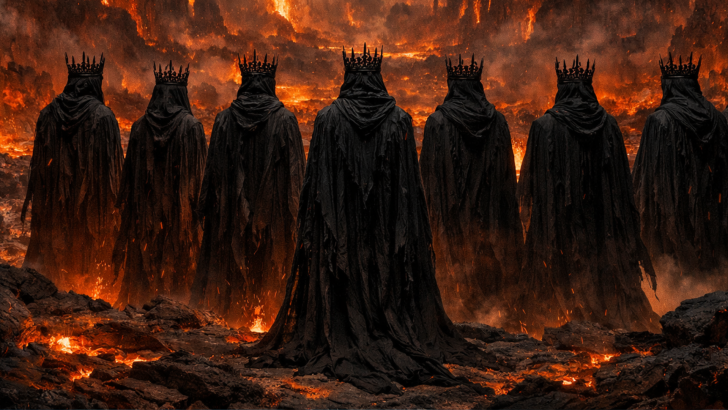
Stories about hell often focus on fire, torment, and eternal punishment, but behind these frightening images lies a deeper system of order.
According to demonology and mystical traditions, hell is ruled not by chaos alone, but by seven powerful princes.
Each of these princes is linked to one of the seven deadly sins, acting as both symbol and overseer of human temptation.
These figures have been named, described, and studied for centuries, appearing in religious texts, occult manuscripts, and even folklore.
Understanding them does not mean embracing evil, but rather recognizing the patterns of human behavior that these myths reflect.
By exploring these princes, we gain insight into both ancient beliefs and our own struggles with vice and morality.
1. Lucifer and Pride
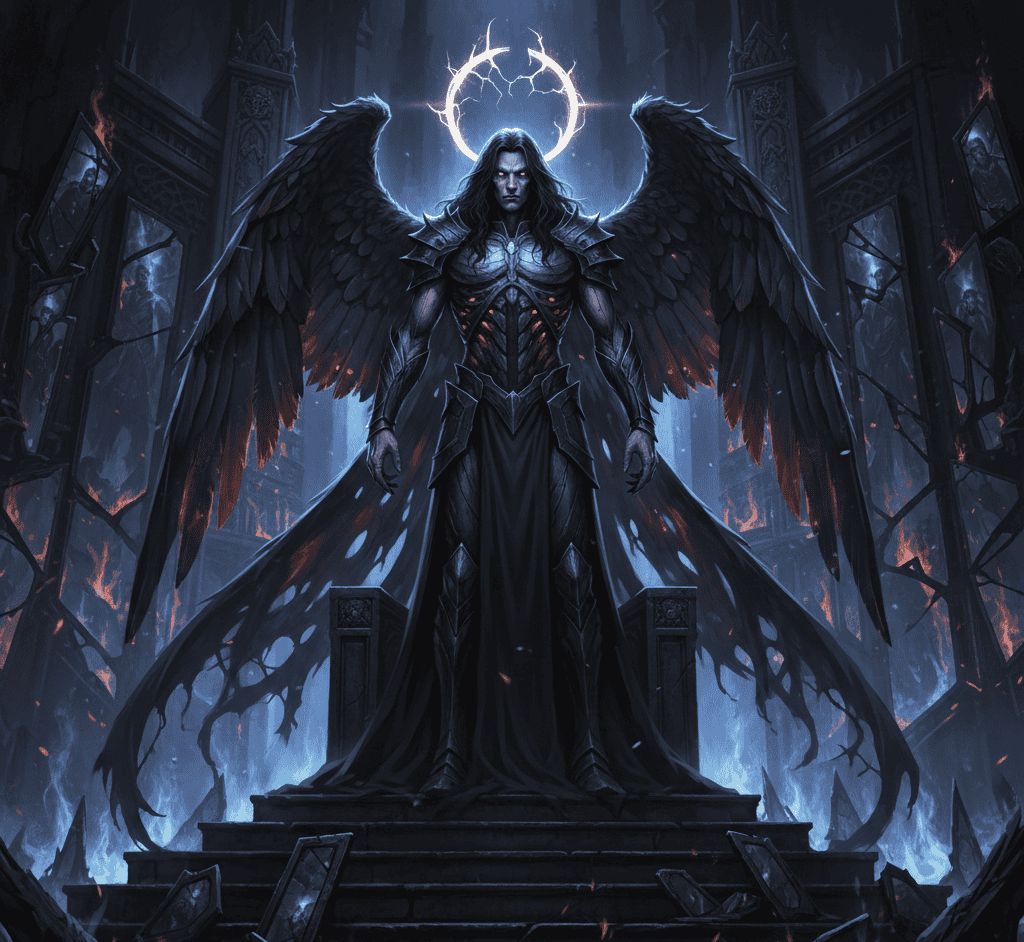
At the top of the hierarchy sits Lucifer, often called the Light Bringer. He is the prince of pride, a sin that many consider the root of all others.
Pride is about placing oneself above others, believing one is better or more deserving. Legends describe Lucifer as a once-glorious angel who became obsessed with his own greatness.
He rebelled against divine authority, and his fall became a cautionary tale for all who overvalue themselves.
In stories, Lucifer tempts humans by inflating their ego, encouraging arrogance, and selfish ambition.
Pride can make people blind to their faults, and Lucifer’s influence reminds us of the dangers of losing humility in pursuit of status or power.
2. Mammon and Greed
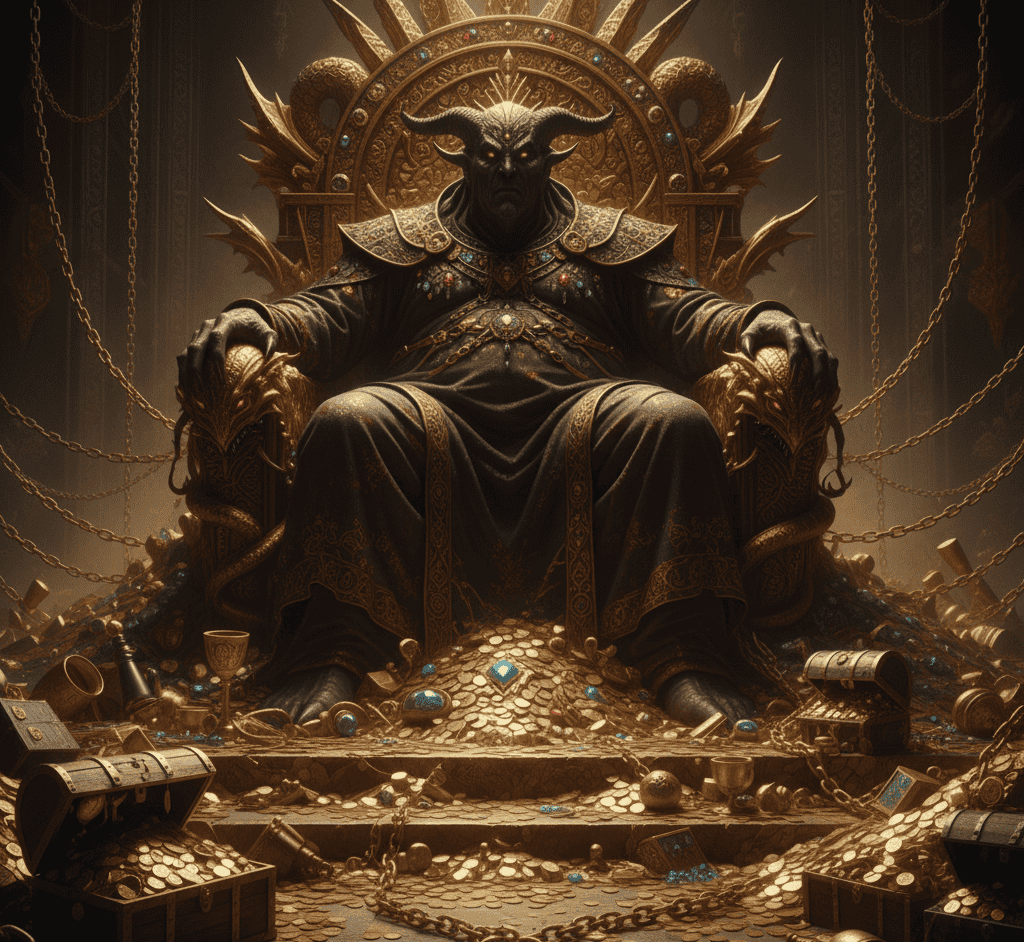
Mammon is the prince of greed, a sin rooted in the desire for wealth, possessions, and material power.
Ancient texts describe him as a figure who hoards gold and treasures, offering humans promises of prosperity in exchange for their integrity.
Greed can lead to exploitation, dishonesty, and endless dissatisfaction, as it never allows contentment.
Mammon’s influence is seen in modern life through the pursuit of money above all else, from corruption in business to obsession with luxury.
He represents the temptation to measure success solely by what we own, rather than by the values we live by or the relationships we build.
3. Asmodeus and Lust
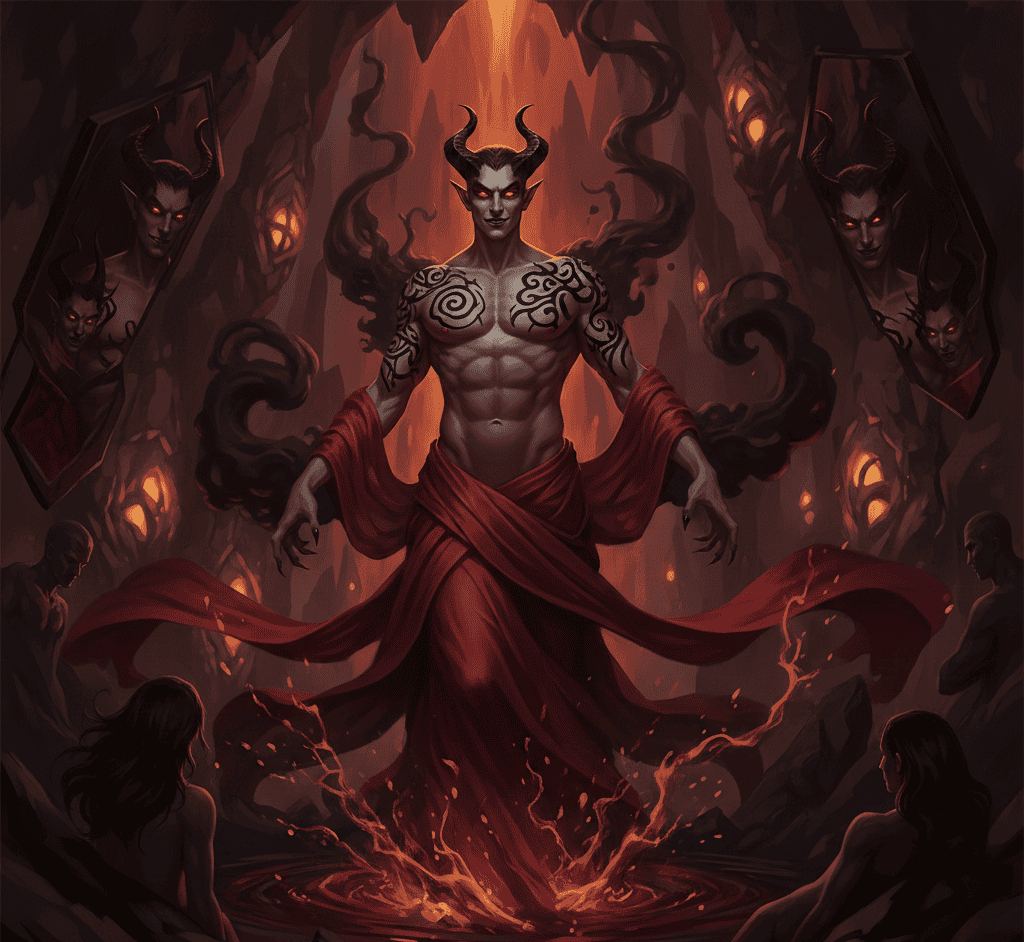
Asmodeus rules over lust, the sin of uncontrolled desire and indulgence in pleasure. He is often depicted as cunning and persuasive, able to manipulate emotions and weaken self-control.
Lust is not merely physical attraction, but an obsessive craving that can harm relationships and cloud judgment.
In folklore, Asmodeus tempts humans by inflaming passions that distract from responsibility or morality.
Stories of his influence are warnings about allowing desire to override conscience, teaching that balance and respect are necessary for both emotional and spiritual well-being.
4. Abaddon and Destruction
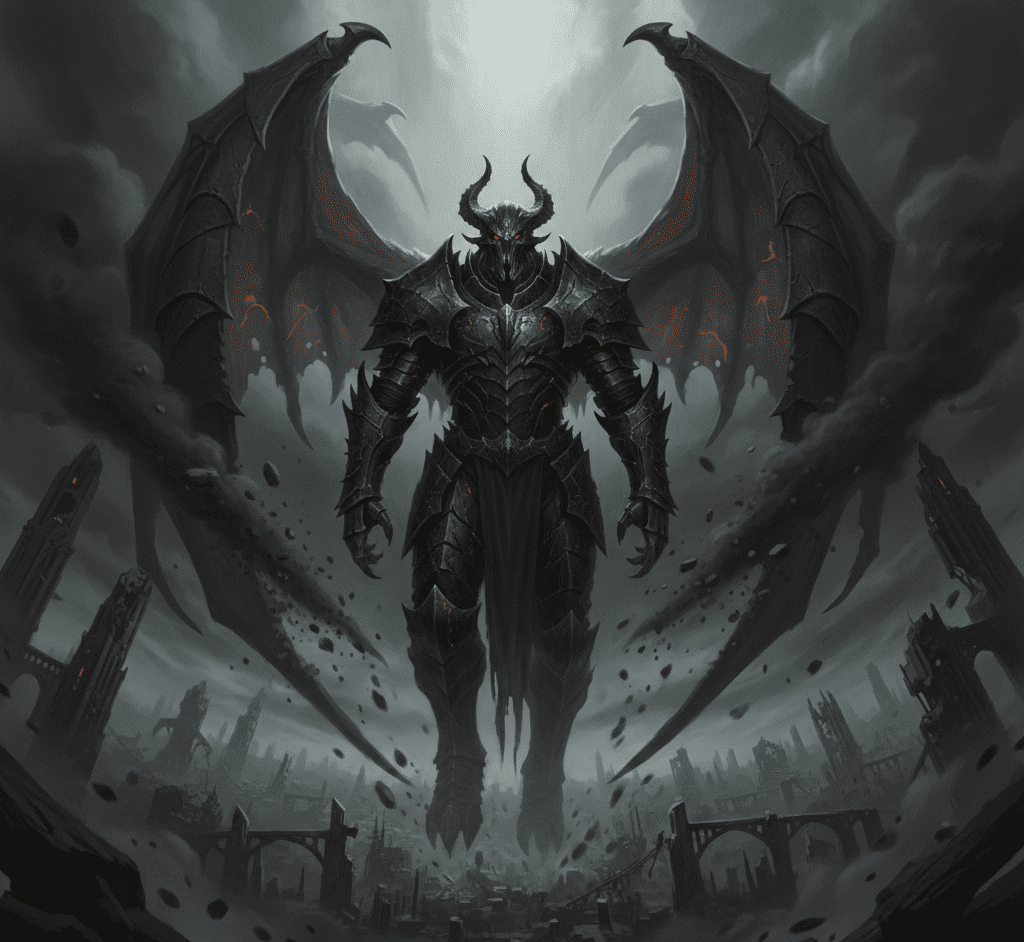
Abaddon is known as the “angel of the abyss” or the destroyer. He is a powerful figure connected to destruction, chaos, and the punishment of the wicked.
Some texts describe him as the leader of the bottomless pit, commanding legions and overseeing the consequences of sin.
While he may influence human weakness indirectly, his domain is more about the results of unchecked vices than the sins themselves.
In the context of the seven deadly sins, Abaddon can be seen as embodying the destructive outcomes that arise when envy, wrath, or other sins go unchecked.
He reminds humans that wicked behaviour can lead to ruin if not controlled, serving as both a warning and a symbol of consequence.
5. Beelzebub and Gluttony
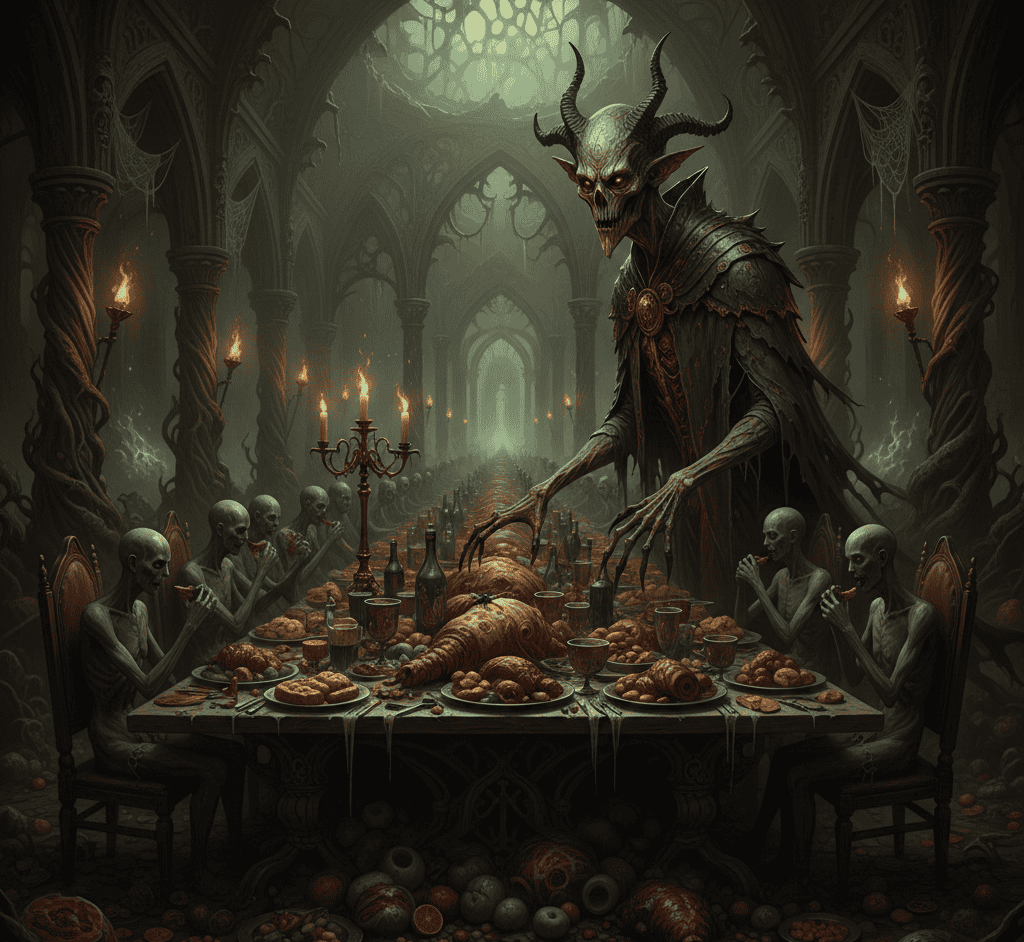
Beelzebub rules gluttony, the sin of excessive indulgence, not just with food, but with anything that can overpower moderation.
His name evokes images of decay and consumption, reflecting the way overindulgence can harm both body and mind.
Gluttony distracts from spiritual growth, fosters dependence, and diminishes self-discipline.
In modern life, Beelzebub’s influence appears in addictions, compulsive behaviors, and the constant craving for more, showing that moderation is key to personal balance and health.
6. Satan and Wrath
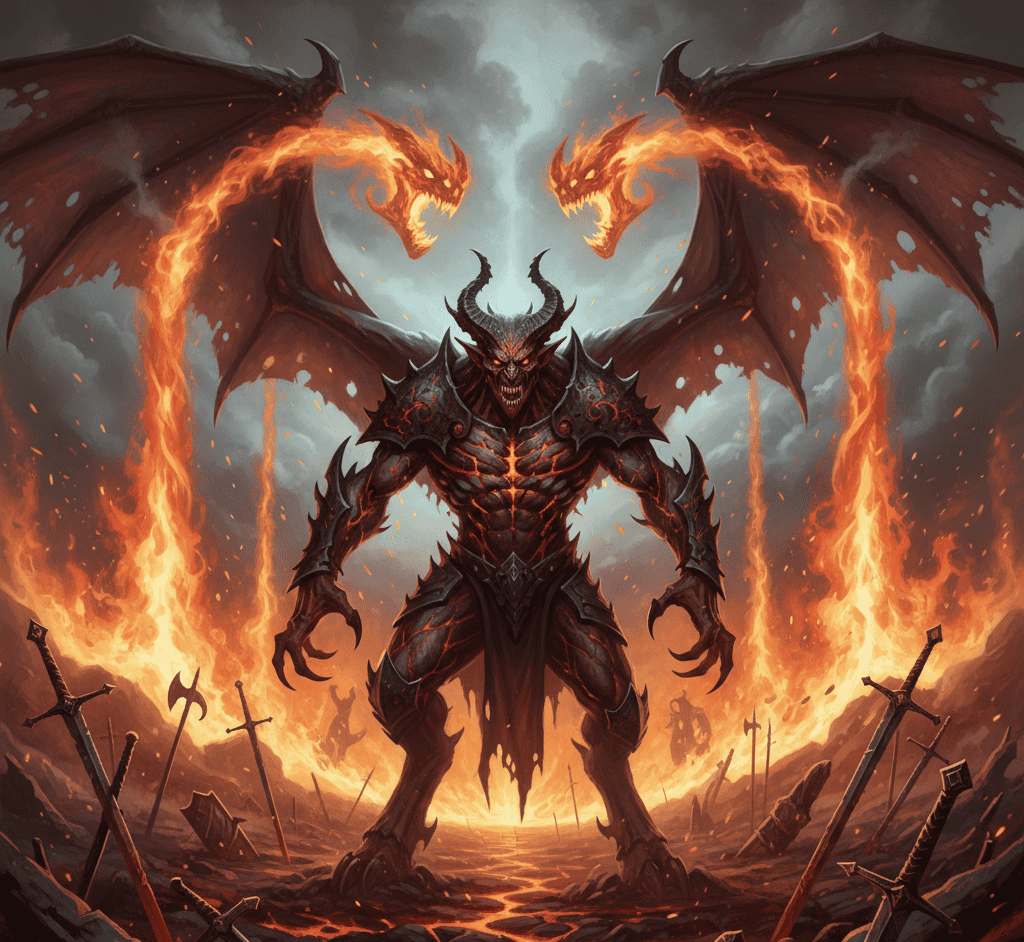
Satan, often confused with Lucifer in popular culture, is here considered the prince of wrath. He embodies uncontrolled anger, revenge, and hostility.
Wrath is destructive, both to those who harbor it and those who suffer from it. Stories describe Satan as feeding on conflict, inciting violence, and exploiting human rage.
His influence can be subtle, appearing in grudges, bitterness, and harsh judgments, or overt, through aggressive and vengeful acts.
Learning to recognize wrath within ourselves allows us to control impulses and respond with calm and fairness rather than harm.
7. Belphegor and Sloth
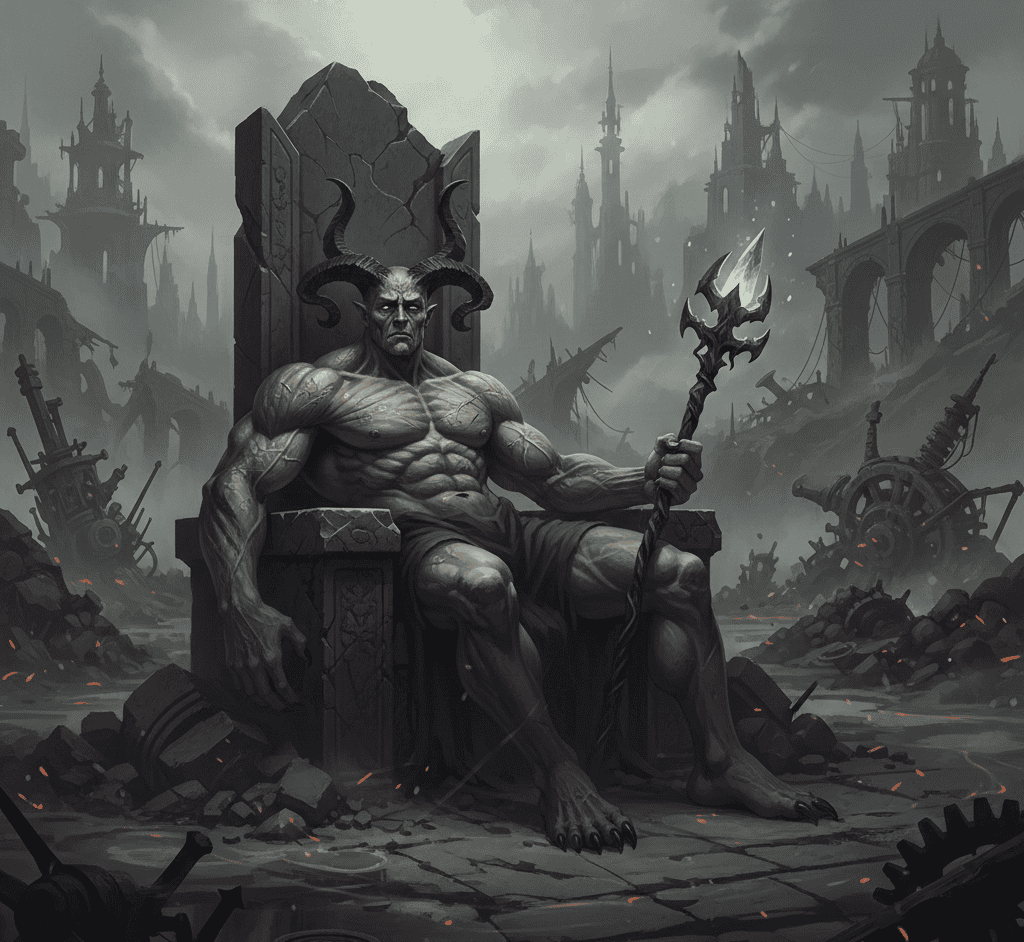
Belphegor is the prince of sloth, the sin of laziness and apathy. He tempts humans by encouraging procrastination, indifference, and the avoidance of responsibility.
Sloth is not merely physical inactivity, but spiritual and emotional disengagement.
Legends warn that those who fall under Belphegor’s influence may waste opportunities, ignore duties, and let potential pass by.
By observing his domain, we learn the value of effort, curiosity, and persistence in shaping a meaningful life. Resistance to sloth fosters growth, creativity, and purpose.
8. Reflections on the Princes of Hell
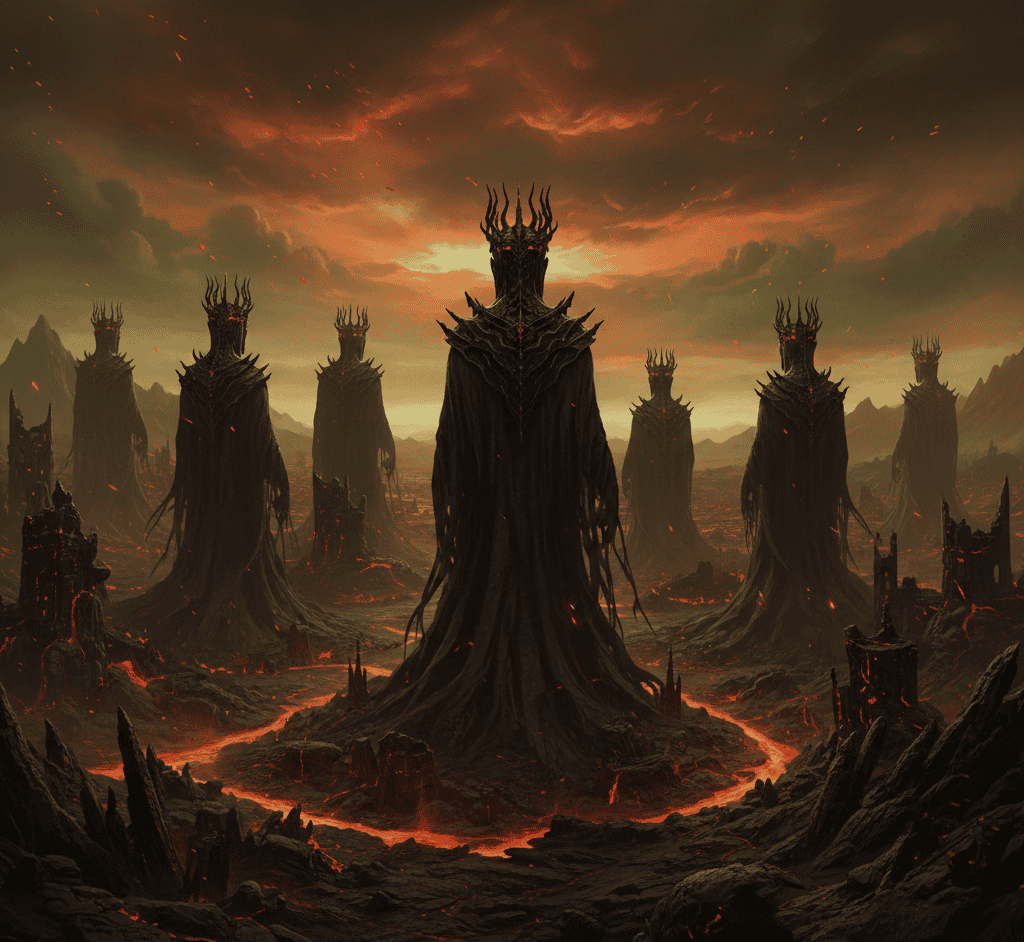
The stories of these seven princes are not meant to instill fear alone. They serve as mirrors for human behavior, revealing the ways our desires and flaws can shape our lives.
Pride, greed, lust, envy, gluttony, wrath, and sloth are not just abstract concepts; they are tendencies that appear in everyday choices, from small acts of selfishness to larger patterns of harm.
Recognizing the symbolic role of each prince encourages self-awareness and moral reflection.
Whether one views them as literal beings, archetypes, or cautionary stories, their lessons remain valuable.
These princes remind us that human nature is complex and that every person struggles with temptation.
By naming and understanding each sin, the stories give a framework for cultivating virtues like humility, generosity, temperance, gratitude, patience, and diligence.
In this way, the seven princes of hell are not only figures of fear, but also teachers guiding humans toward self-improvement.
Ultimately, the tales of these princes highlight the ongoing battle between higher aspirations and base impulses.
The princes of hell, through their association with deadly sins, continue to offer insight, reflection, and a way to understand the shadow side of human nature.
By confronting these aspects of ourselves, we gain the chance to grow, transform, and choose paths that reflect wisdom, compassion, and integrity.

自出生以来,我一直感觉到自己与神灵有着紧密的联系。作为一名作家和导师,我的使命是帮助他人在最黑暗的时刻找到爱、幸福和内心的力量。