
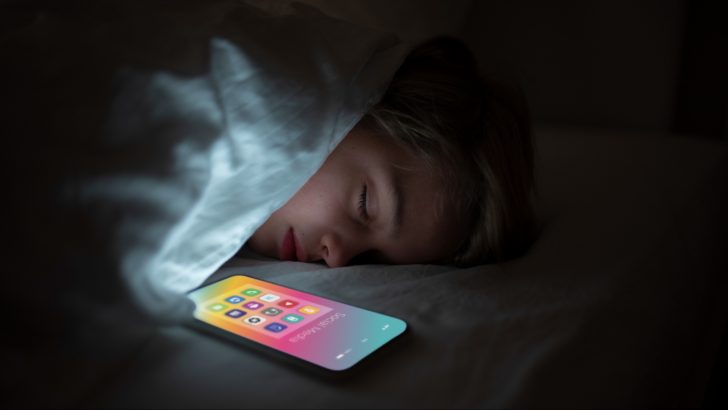
Many of us have gotten into the habit of falling asleep to our favorite YouTube videos playing in the background.
Whether it’s ASMR, ambient music, true crime, or audiobooks, we’ve become hooked on 这个 内容 to the point where some of us can’t even fall asleep without it.
I’m guilty of this, too. I have a specific kind of content that I play when going to sleep – it can’t be too boring or too engaging, and it has to be on a familiar topic so it calms me.
However, turns out this habit can seriously mess with the quality of 我们的 sleep.
How Audio Content Disrupts Your Sleep Quality

When you fall asleep to sounds or voices, your brain doesn’t switch off. Instead, it keeps processing the audio, which can interfere with the deep, restorative stages of sleep.
This means that even if you’re technically resting, your brain might still be partially awake, which leads to lighter sleep overall.
Over time, this can leave you feeling more and more exhausted, and it can even affect your mood.
The type of content also matters; there’s a difference between falling asleep to the sounds of nature and to narration.
The first is definitely the lesser of two evils, because it doesn’t force your brain to process as much information as it tries to rest.
So, while it might feel soothing, your nightly routine with audio might be doing more harm than good.
The Impact of Audio on Your Dreams
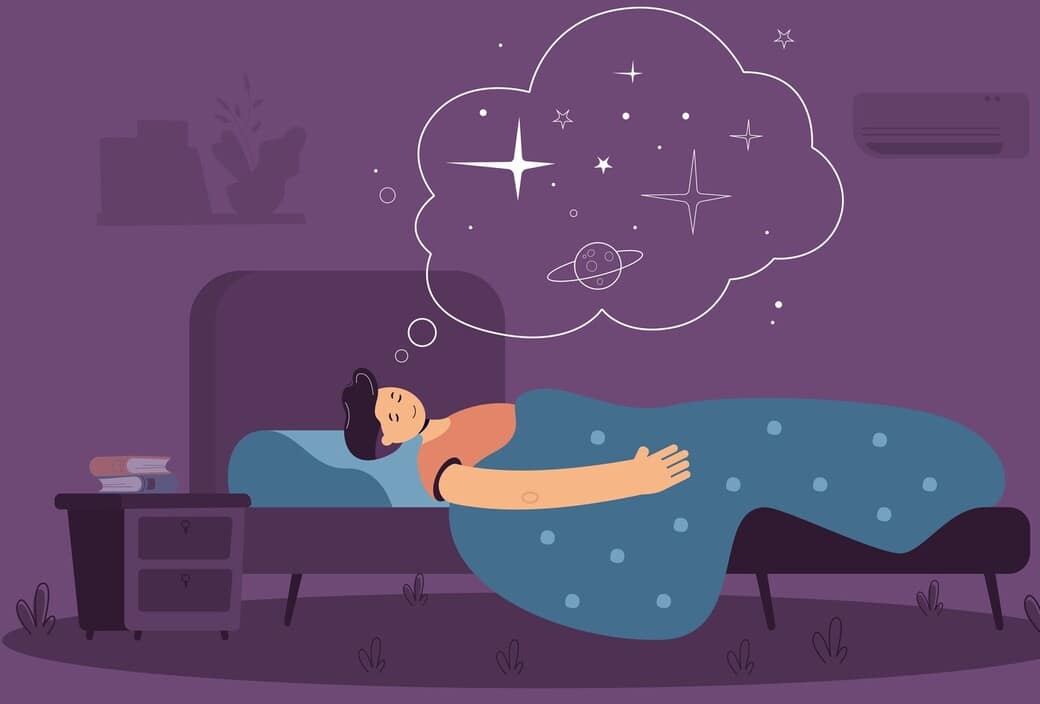
Have you noticed how listening to true crime or horror stories sometimes results in messed-up dreams?
That’s because your subconscious mind is still absorbing those narratives as you sleep.
I’m able to listen to scary content all day long and then sleep like a baby at night; however, actually falling asleep to it often triggers nightmares for me.
This content seeps into your dreams, creating bizarre scenarios that leave you feeling disturbed in the morning.
Even non-scary content can influence your dreams, but usually not in such an upsetting way.
All of this happens because your mind is still “listening” even while you sleep.
If you want more peaceful, restful dreams, cutting out stimulation or intense audio might be a good idea.
Silence Is Naturally Restorative

There’s a good reason why silence has been a preferred sleep aid for centuries. When you turn off all sounds, your brain can settle into a calmer state, allowing your body to fully relax.
Silence helps your mind slow down, making it easier to transition into deeper sleep stages.
Without external stimuli, your sleep becomes more restorative, and you wake up 感觉 爽快.
Listening to content as you fall asleep, even if it’s relaxing, keeps your brain active in the background, preventing you from reaching that deep stage of sleep.
If you’re used to falling asleep to noise to the point where you can’t get comfortable without it, it’s best to reduce it gradually.
Getting Comfortable With Silence: Beginner’s Guide

Switching from audio to silence can be tough, especially if you’ve been using the content to fall asleep for a while.
You can start small by gradually reducing the volume of the content each night.
There’s also the option to set a timer to turn off the audio after 10, 15, or 20 minutes – giving your brain a chance to settle without the sound.
Creating a calming bedtime routine, light stretches or reading, helps your mind relax naturally.
Over time, try spending a few nights in complete silence. It might feel strange at first, but your brain will gradually get used to it, and you might find it easier to fall asleep naturally.
The Least Disruptive Type of Audio to Fall Asleep to

If completely giving up audio feels impossible, choose content that’s least disruptive.
Soft, instrumental sounds like gentle ambient music 或 自然 sounds tend to be less stimulating than narration.
Avoid anything with lyrics or sudden changes in volume, as these can wake you up or keep your brain alert.
Podcasts that are monotone, slow-paced, and familiar – like a meditation guide or a calming soundscape – are less likely to interfere with your sleep.
It’s important for the content to be non-intrusive 和 repetitive. That way, you avoid overstimulating your brain or triggering strange dreams.
Creating a Sleep-Friendly Environment

Your environment plays a big role in how easily you fall asleep on your own.
Make sure your bedroom is cool, dark, and quiet – these are all signals to your brain that it’s time to rest.
Establish a consistent bedtime routine, so your body naturally knows when it’s time to unwind.
When it comes to sleep, we’re not much different than babies. We also need structure, familiarity, and habit.
Blue light suppresses melatonin, so try to avoid screens at least an hour before bed. And since you might still want to pass the time somehow before going to sleep, pick up a book instead.
Over time, these habits will help your brain associate your bedroom with rest, making it easier to fall asleep without distractions.
Developing a Relaxation-Routine

Building a calming routine can make a big difference in your ability to fall asleep naturally.
Try activities like gentle stretching or deep breathing exercises to relax your mind and body. Warm baths or drinking herbal teas can also create a sense of comfort and readiness to go to sleep.
Consistency is everything; doing the same relaxing activities every night signals to your brain that it’s time to wind down.
Over time, these habits can replace your reliance on audio for sleep, helping you develop a healthier sleep pattern.
You’ll have to be patient; it takes time to retrain your brain to fall asleep without external stimuli.
Embrace the Silence for Better Sleep and Dreams
While falling asleep with soothing sounds and familiar voices can feel comforting, it’s worth considering how it affects your sleep quality.
Silence allows your brain to rest more deeply and promotes more peaceful dreams.
Due to our heavy reliance on the Internet, we take in an endless amount of information each day. For the sake of our peace, it’s important to reduce this intake at least when we sleep.
You’re naturally capable of resting without any external stimulation.
It’s a process, but with 耐心 and some simple changes, you can enjoy more natural, restorative sleep and wake up feeling truly refreshed.

A little Aquarius, devoted to writing and embroidery. Through my writing, I hope to empower readers to align with their true selves and navigate life’s mysteries with confidence.