
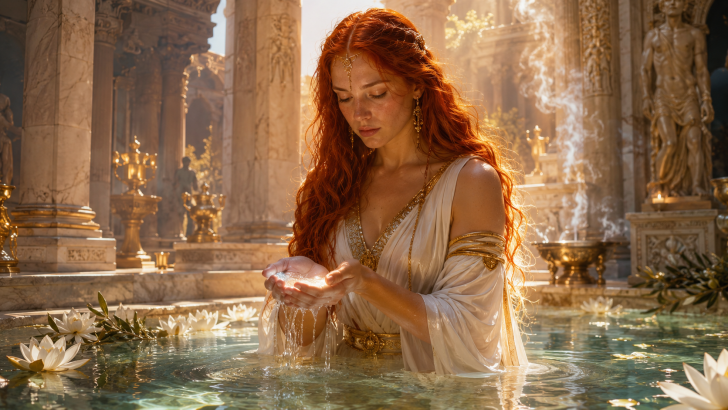
For thousands of years, people believed that cleansing the body could also cleanse the spirit.
Across ancient civilizations, purification rituals were performed before prayers, festivals, ceremonies, and major life events.
These practices were not simply about hygiene. They were believed to prepare people to enter sacred spaces, approach the gods, or begin a new chapter of life.
Different cultures developed their own purification traditions, but many shared the same goal of leaving behind what was considered unclean and embracing a fresh beginning.
Here are eight fascinating purification rituals from ancient civilizations.
1. Egyptians Used Sacred Water for Spiritual Cleansing
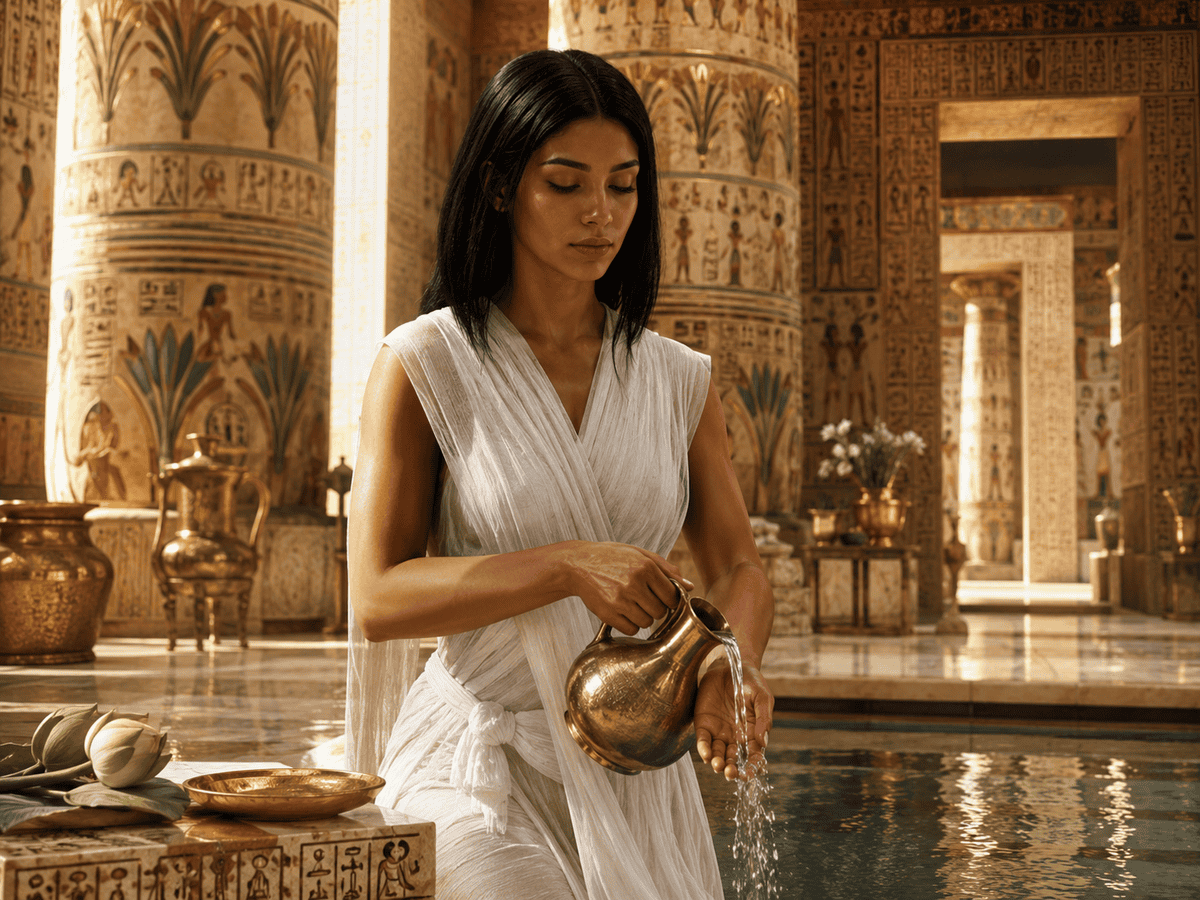
Water played an essential role in ancient Egyptian religious life. Before entering temples, priests carefully washed themselves several times a day.
They believed physical cleanliness reflected spiritual purity and helped them prepare to serve the gods with respect.
Purification also included wearing freshly cleaned linen clothing and following strict rules before performing sacred ceremonies.
The Nile River, which gave life to Egypt, strengthened the symbolic importance of water.
To the ancient Egyptians, cleansing with water was more than a daily habit. It was a way of honoring the divine and approaching religious duties with a pure heart and mind.
2. Greeks Washed Before Entering Sacred Temples
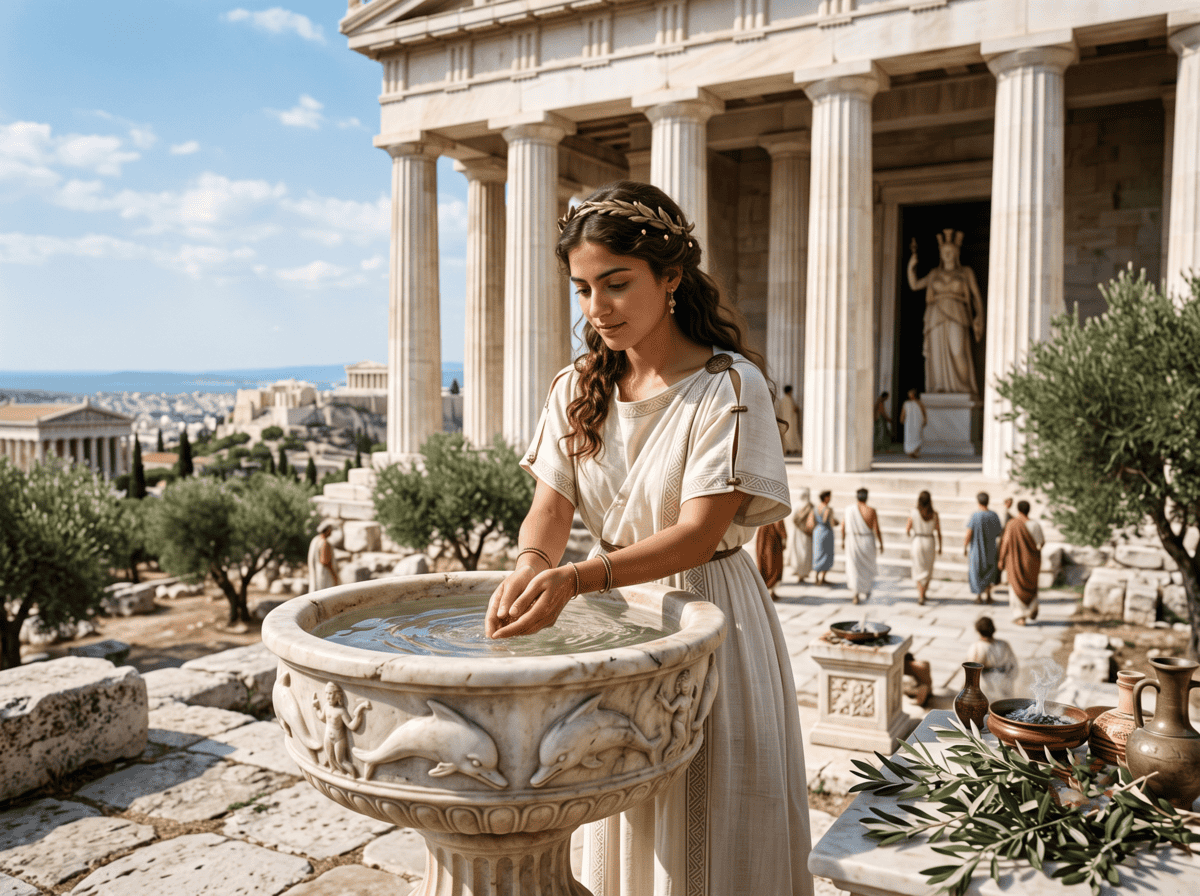
The ancient Greeks believed people should be purified before approaching the gods.
Visitors often washed their hands or sprinkled themselves with water before entering temples or taking part in religious ceremonies.
Special basins filled with clean water were placed near many sanctuaries for this purpose.
The ritual reminded worshippers that sacred places deserved respect and reverence.
Although the act itself was simple, it symbolized leaving ordinary concerns behind and preparing to communicate with the divine.
Cleanliness became an important part of religious life throughout ancient Greece.
3. Romans Performed Purification Ceremonies Called Lustratio
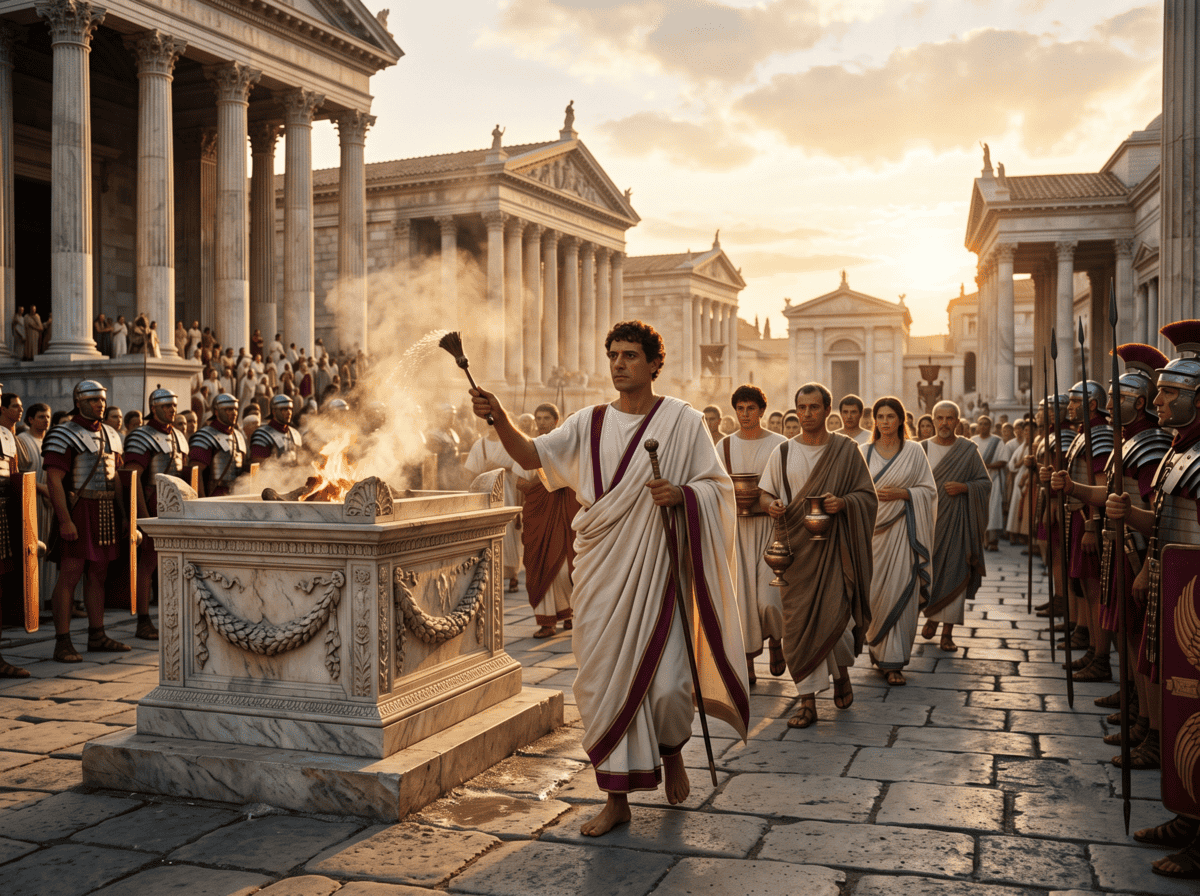
The Romans practiced purification through ceremonies known as lustratio. The purpose was to remove misfortune and invite divine protection.
These rituals were performed for individuals, families, cities, armies, and even farmland.
During the ceremony, participants might walk in a ceremonial procession while prayers and offerings were made to the gods.
Lustratio often marked important transitions, including military campaigns and public celebrations.
The Romans believed purification strengthened both individuals and entire communities by restoring harmony between people and the gods.
4. Celts Believed Sacred Springs Had Cleansing Powers
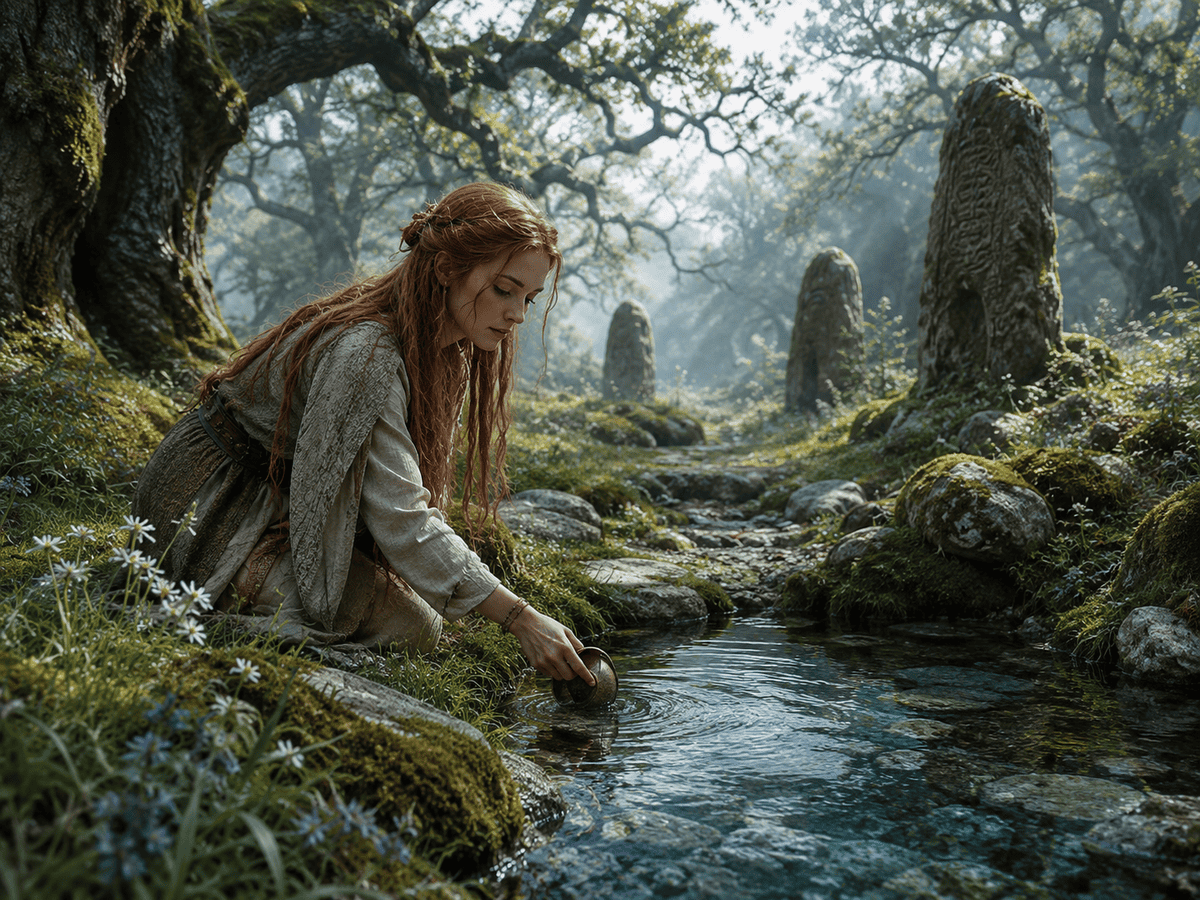
Throughout the ancient Celtic world, natural springs were often regarded as sacred places.
People visited these waters seeking healing, blessings, and spiritual renewal. Water flowing naturally from the earth was viewed as especially powerful.
Offerings such as coins, jewelry, and carved objects were sometimes placed into the springs as gifts for the divine beings believed to watch over them.
Many sacred wells continued attracting visitors for centuries, even after new religions spread across Europe.
Their lasting popularity shows how deeply purification through water was woven into Celtic tradition.
5. Ancient Hindus Purified Themselves in Sacred Rivers
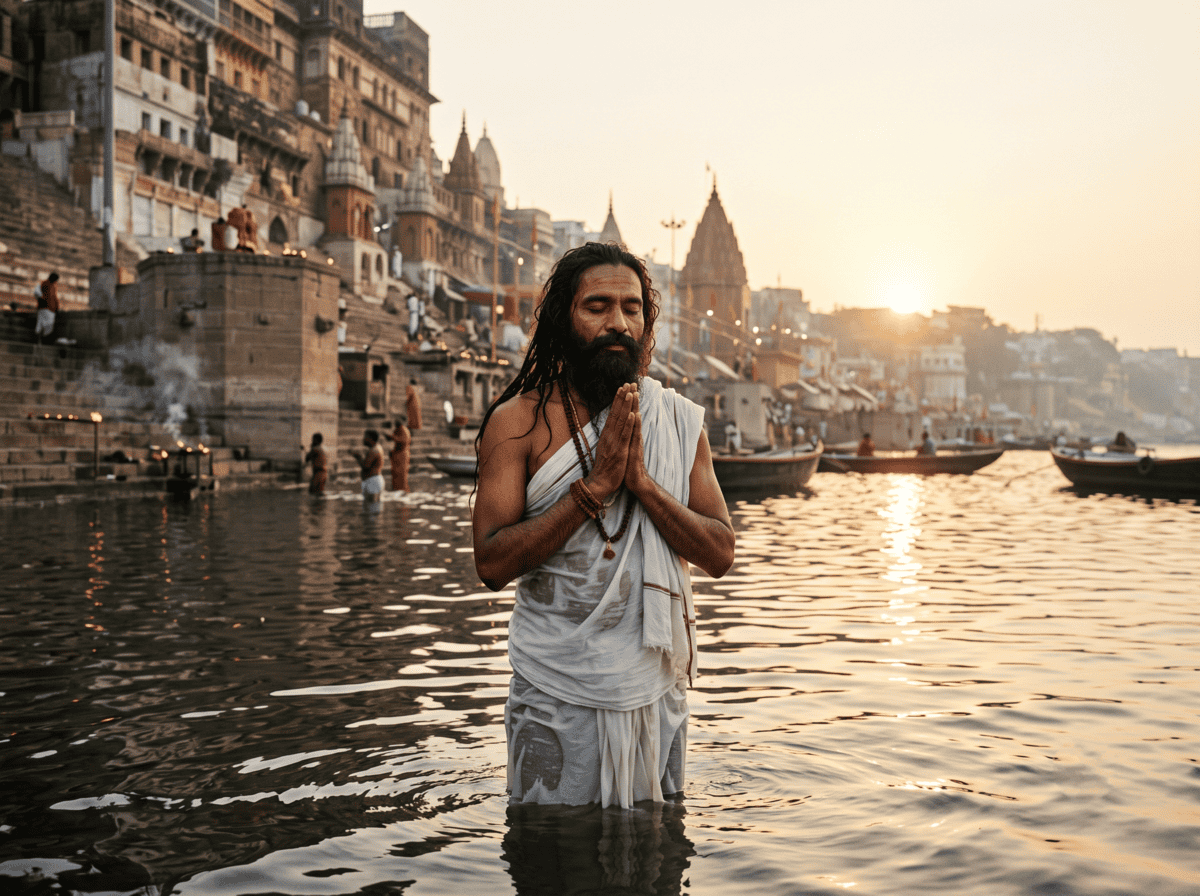
Water has remained central to Hindu religious life for thousands of years. Among these rivers, the Ganges became especially revered.
Ancient worshippers believed bathing in sacred rivers could symbolize purification and spiritual renewal.
Pilgrims traveled long distances to bathe in its waters during religious festivals and important occasions. The act represented more than physical cleansing.
It symbolized beginning again with renewed devotion and leaving behind spiritual burdens.
6. The Maya Used Steam Baths for Cleansing
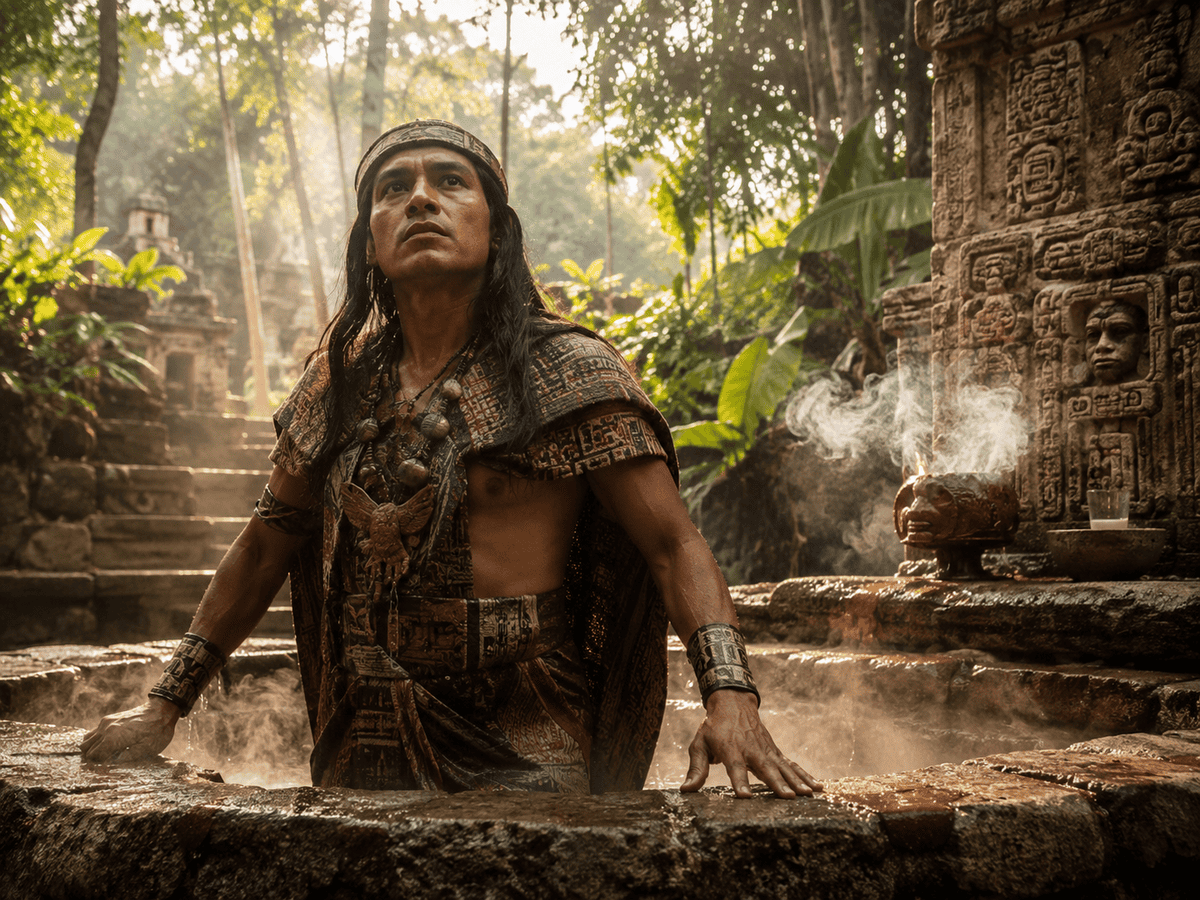
The ancient Maya built special steam baths that served both practical and ceremonial purposes.
These heated stone structures were used to cleanse the body before important events and religious ceremonies.
The intense heat and steam created an environment that people believed promoted both physical and spiritual renewal.
Steam baths were also associated with healing and childbirth. Their purification rituals reflected a holistic understanding of health and well-being.
7. Ancient Hebrews Practiced Ritual Washing
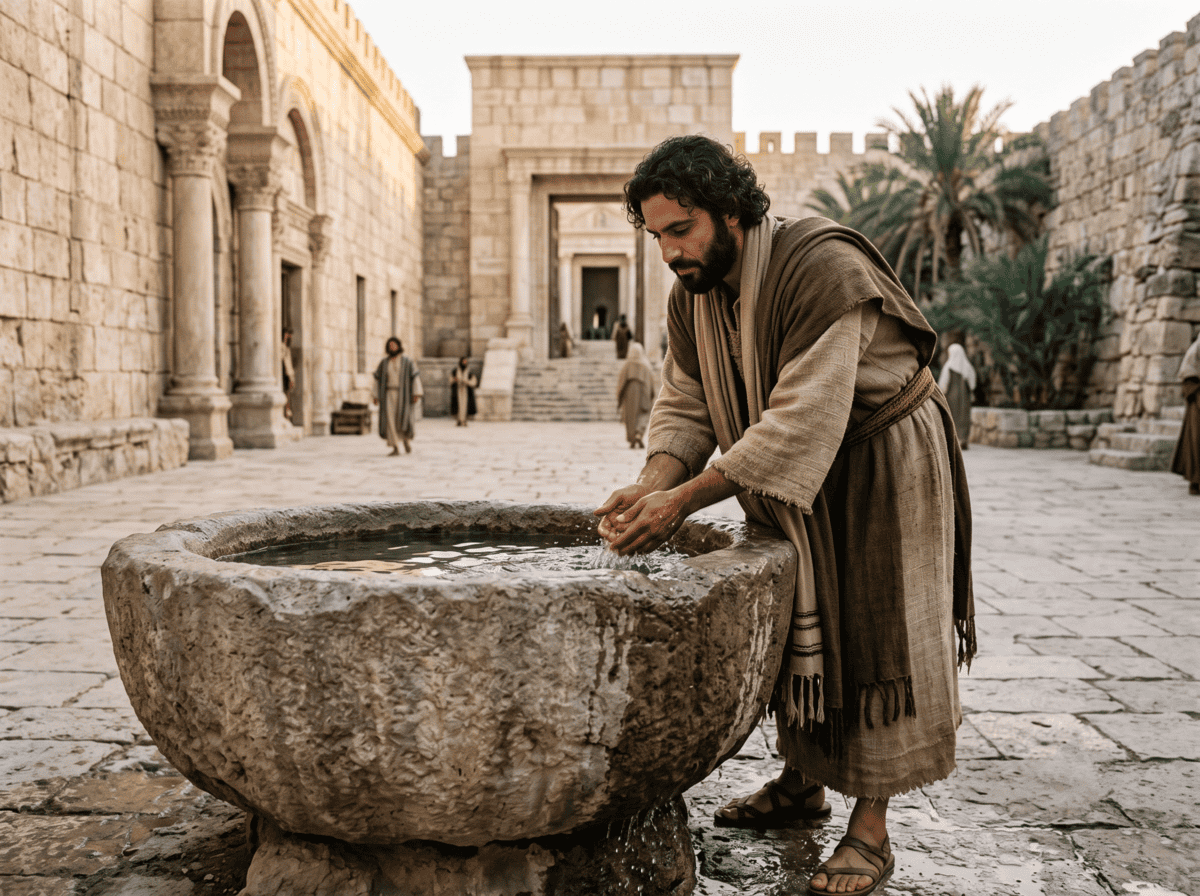
Ritual washing played an important role in the religious life of the ancient Hebrews.
Certain situations required ceremonial washing before participating in worship or returning to everyday religious activities.
These practices emphasized spiritual preparation rather than ordinary cleanliness alone.
Water became a visible symbol of renewal, obedience, and respect for God’s commandments.
The rituals reminded worshippers that approaching sacred things required thoughtful preparation.
Many of these traditions continued to influence later religious practices and remain historically significant today.
8. Incense Was Used to Purify Sacred Spaces
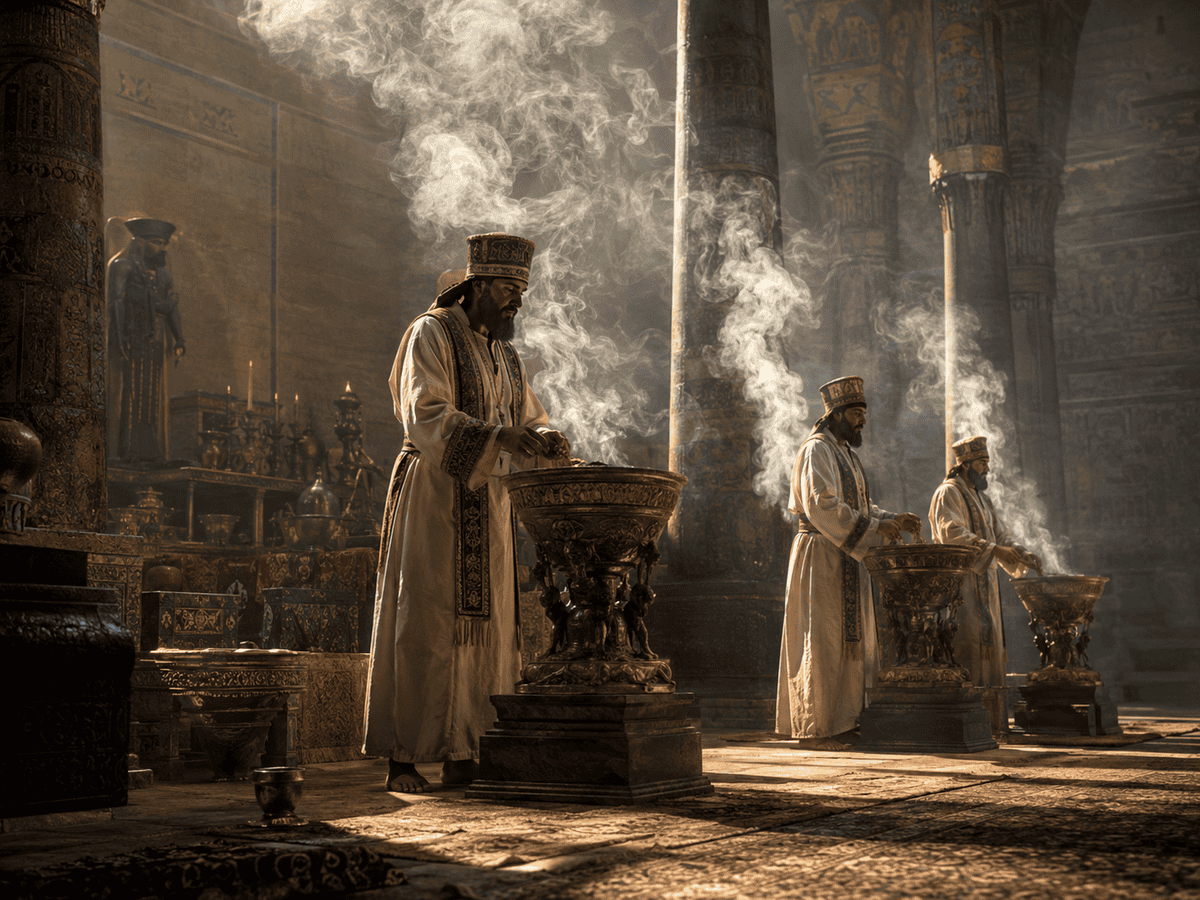
Purification was not always performed with water, even though water had a sacred role in every society.
Many ancient civilizations believed fragrant smoke could cleanse temples, homes, and ceremonial spaces before important rituals.
Incense made from herbs, resins, and aromatic woods was burned as prayers were offered to the gods.
The rising smoke symbolized the movement of prayers toward the heavens while also creating an atmosphere of reverence.
From Egypt and Mesopotamia to Greece and Rome, incense became an important part of religious ceremonies.
Its pleasant fragrance reminded worshippers that sacred places deserved beauty, respect, and careful preparation before any act of worship.

自出生以来,我一直感觉到自己与神灵有着紧密的联系。作为一名作家和导师,我的使命是帮助他人在最黑暗的时刻找到爱、幸福和内心的力量。