
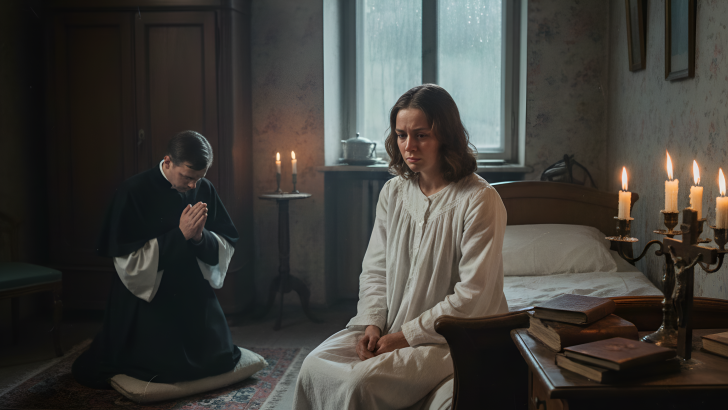
Horror movies often claim to be “based on true events,” but many of these terrifying tales have roots in real-life crimes, tragedies, and psychological horrors.
From murders to mysterious disappearances, the stories behind the films are often far more chilling than anything Hollywood could invent.
These events reveal the darker side of human nature, the fragility of safety, and the fear that resonates across generations.
Understanding the real cases behind these movies adds a layer of dread and fascination, showing how fact can inspire fiction in ways that haunt the imagination. Here are ten real-life cases that inspired horror movies.
1. The Amityville Horror
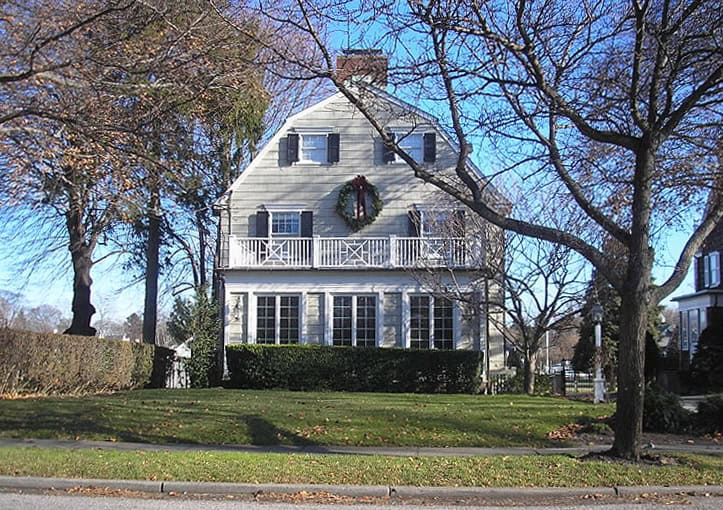
The story behind The Amityville Horror begins with the DeFeo family murders in 1974. Ronald DeFeo Jr. killed six members of his family in their Long Island home, claiming he heard voices compelling him to act.
The subsequent residents reported paranormal activity, including strange noises, moving objects, and terrifying visions.
These reports became the basis for the famous book and film series.
The real-life murders and alleged hauntings transformed a tragic event into a horror phenomenon, blurring the line between crime and supernatural terror.
2. Ed Gein, the Butcher of Plainfield
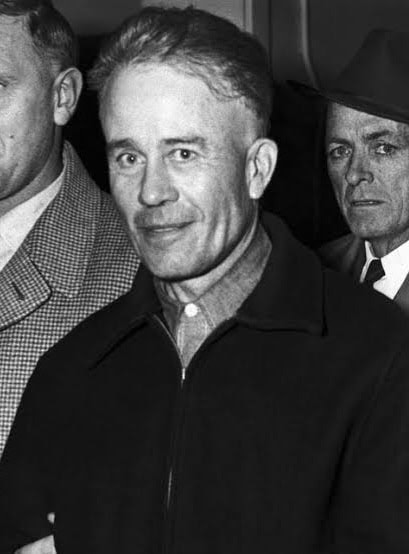
Ed Gein, a Wisconsin murderer and body snatcher in the 1950s, inspired numerous horror films, including Psycho, The Texas Chainsaw Massacre,以及 The Silence of the Lambs.
Gein exhumed corpses, created furniture and clothing from human remains, and killed women.
His crimes shocked the nation and revealed extreme psychological disturbance, influencing the portrayal of killers in cinema.
Gein’s real-life actions made him one of the most infamous figures in true crime history and demonstrated the terrifying overlap between reality and horror fiction.
3. The Zodiac Killer
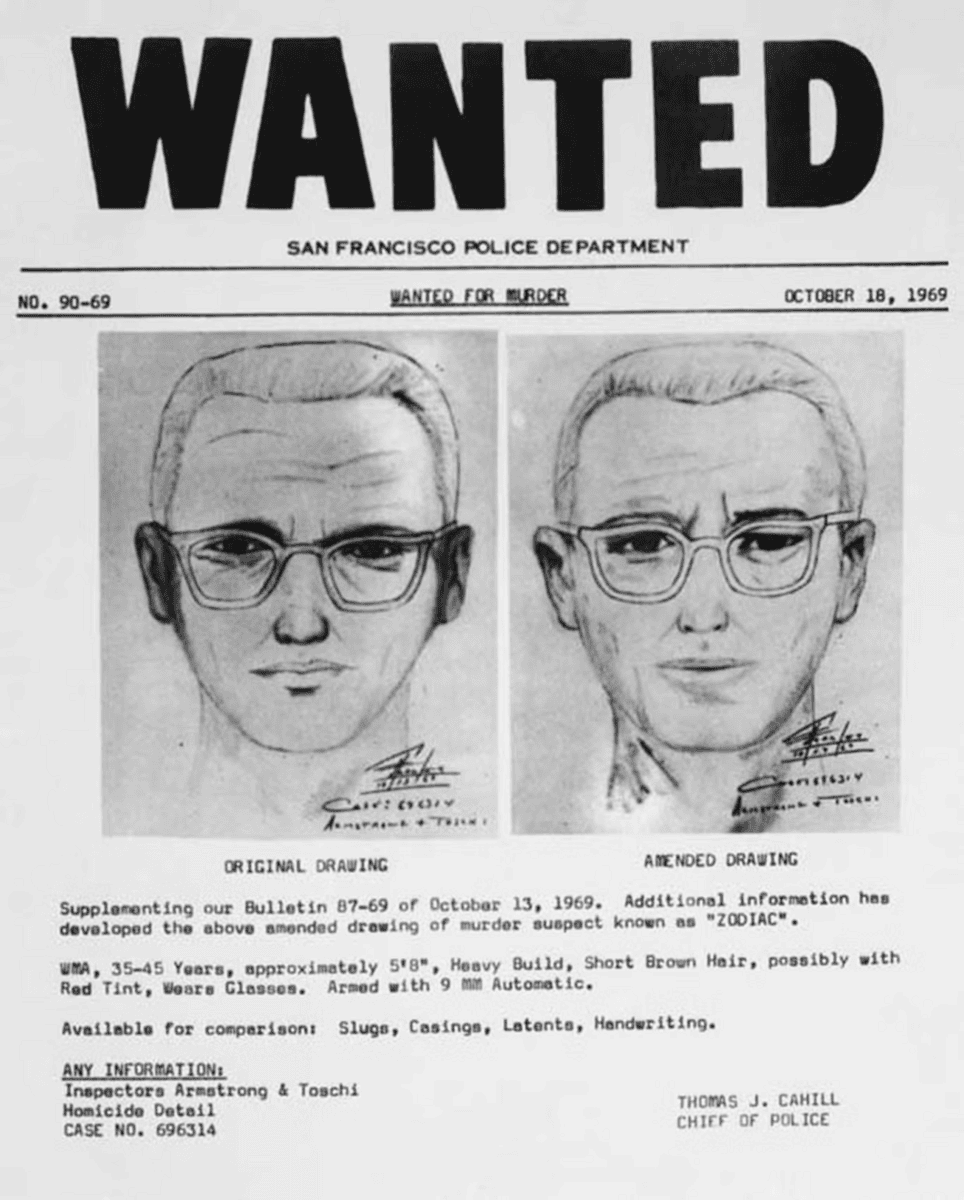
The Zodiac Killer terrorized Northern California in the late 1960s and early 1970s, murdering at least five known victims and taunting police with cryptic letters.
His identity remains unknown, creating a lasting mystery and fear. Movies such as Zodiac and inspired thrillers drew from his crimes, his cryptic messages, and the widespread panic he caused.
The case illustrates how a real-life killer can become an enduring cultural symbol of fear, fascination, and obsession, blending true crime with cinematic storytelling.
4. The Exorcism of Anneliese Michel

Anneliese Michel was a German woman who underwent 67 documented exorcisms before dying in 1976 from malnutrition and dehydration.
Her parents and priests were tried for negligent homicide, raising controversy over religious practices and mental illness.
The events inspired The Exorcism of Emily Rose and other films, exploring possession, faith, and psychological torment.
Michel’s tragic death highlights the dangers of extreme belief systems and the thin line between spiritual practices and human harm, showing how real-life tragedy can inspire supernatural horror.
5. The Villisca Axe Murders
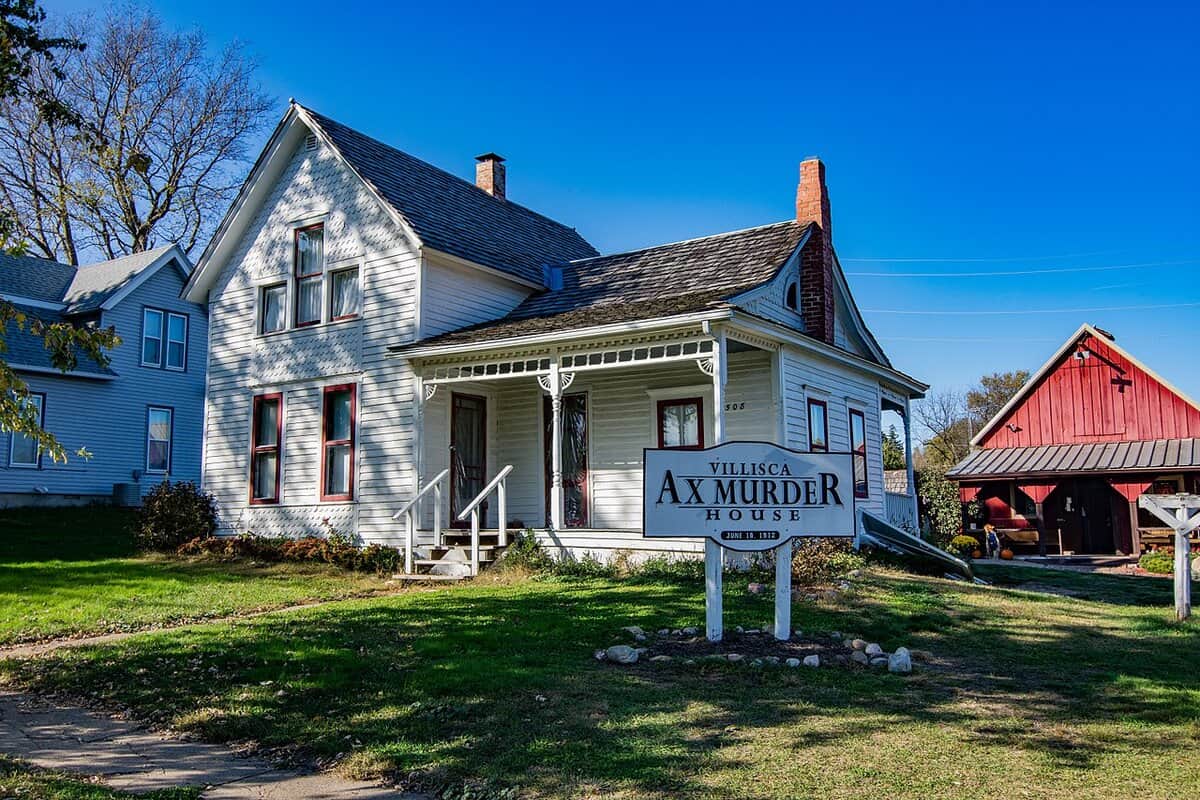
In 1912, eight people, including six children, were brutally murdered in their home in Villisca, Iowa, with an axe.
The case remains unsolved, leaving behind chilling theories and speculation. These events inspired multiple horror movies and books due to the brutality, mystery, and innocence of the victims.
The Villisca Axe Murders exemplify how real-world violence and unsolved cases provide fertile ground for horror narratives, combining fear, suspense, and the unknown in ways that resonate with audiences.
6. The Son of Sam
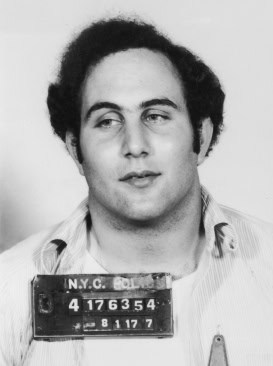
David Berkowitz, known as the Son of Sam, killed six people in New York City during 1976–1977, terrorizing the public with letters to the police.
His crimes inspired movies and TV shows exploring obsessive killers, cult influence, and urban paranoia.
Berkowitz claimed demonic influence, blending reality with sensational claims.
The case demonstrates how mass fear, media coverage, and a chilling criminal persona can feed cultural storytelling, transforming horrific events into enduring horror narratives.
7. The Murder of Kitty Genovese
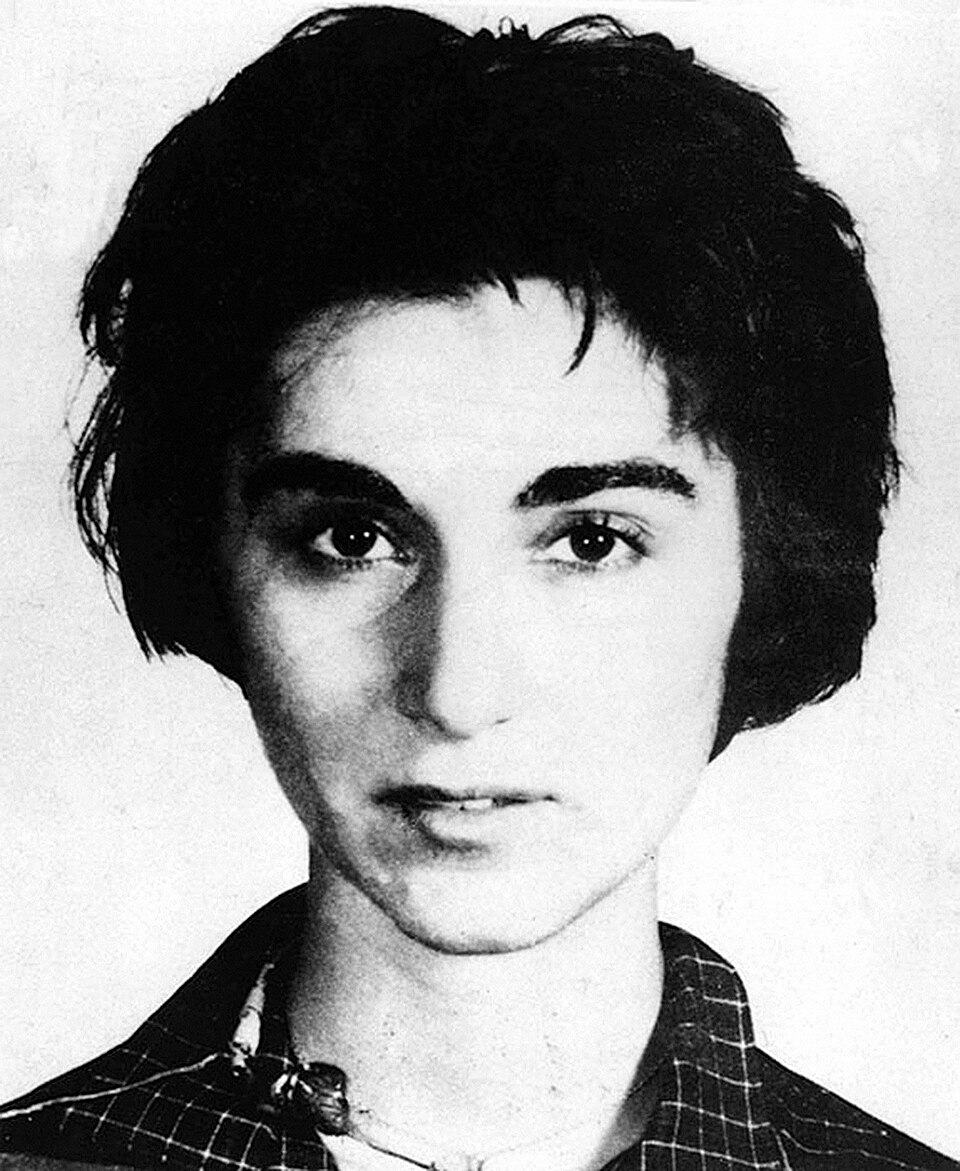
The 1964 murder of Kitty Genovese in New York City became infamous for the reported inaction of witnesses.
Her brutal stabbing and the public’s failure to intervene inspired films exploring psychological horror, urban isolation, and societal apathy.
While some details were later contested, the story had a profound cultural impact.
The case highlights real-life fear rooted in human behavior and societal failure, showing how tragedy can inspire horror that is psychological rather than supernatural.
8. The Black Dahlia
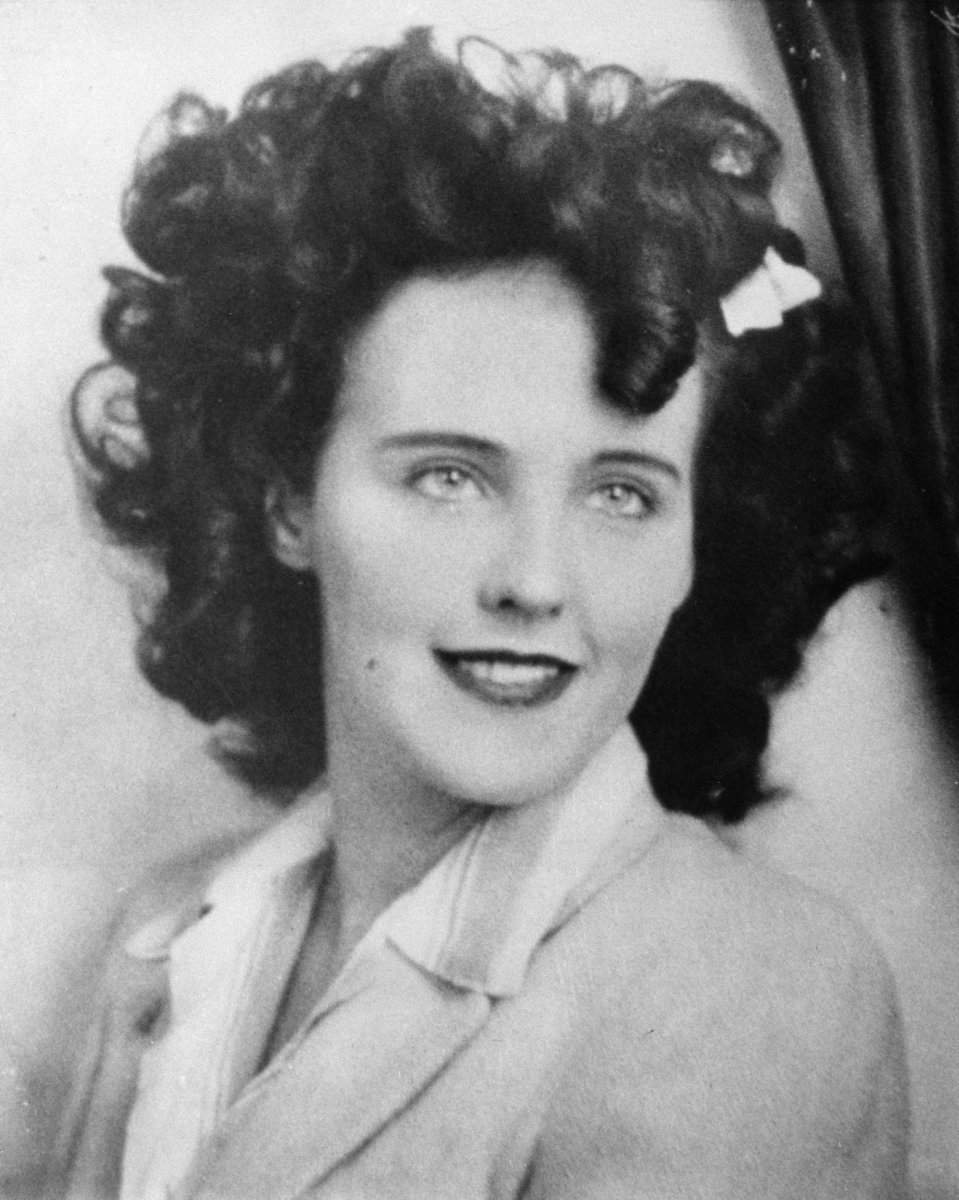
Elizabeth Short, known as the Black Dahlia, was brutally murdered in Los Angeles in 1947.
Her body was found mutilated and posed, making the case famous worldwide.
The mystery of her killer, combined with media frenzy, inspired numerous films and novels, exploring crime, obsession, and the darkness of fame.
The shocking nature of her death and the unsolved case made it a template for cinematic horror rooted in real human depravity.
9. The Boston Strangler
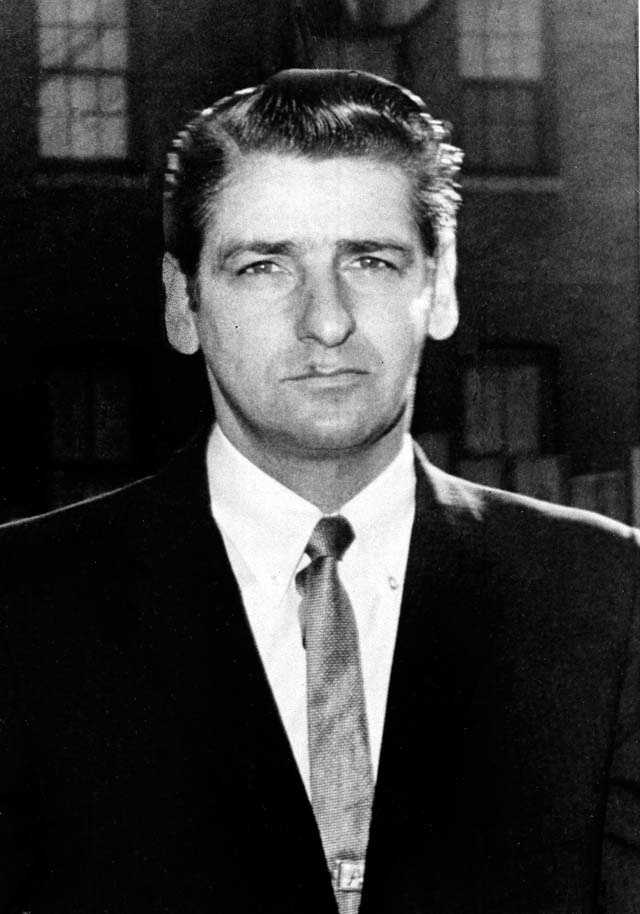
Between 1962 and 1964, Albert DeSalvo, known as the Boston Strangler, murdered 13 women in Massachusetts.
His crimes were methodical and horrifying, causing mass panic and distrust. Films and documentaries about his case depict the tension, fear, and psychological profile of a serial killer.
The Boston Strangler demonstrates how real serial crimes reveal societal vulnerabilities and provide chilling material for horror stories, blending true crime with suspenseful dramatization.
10. The Murder of Sharon Tate

In 1969, actress Sharon Tate and four others were murdered by followers of Charles Manson.
The ritualistic nature of the killings, combined with Manson’s manipulation, shocked the world.
The murders inspired films exploring cults, psychological control, and the unpredictability of violence.
This case exemplifies how crime and horror intersect in reality, with human cruelty and manipulation creating stories as chilling as any fictional tale.

自出生以来,我一直感觉到自己与神灵有着紧密的联系。作为一名作家和导师,我的使命是帮助他人在最黑暗的时刻找到爱、幸福和内心的力量。