
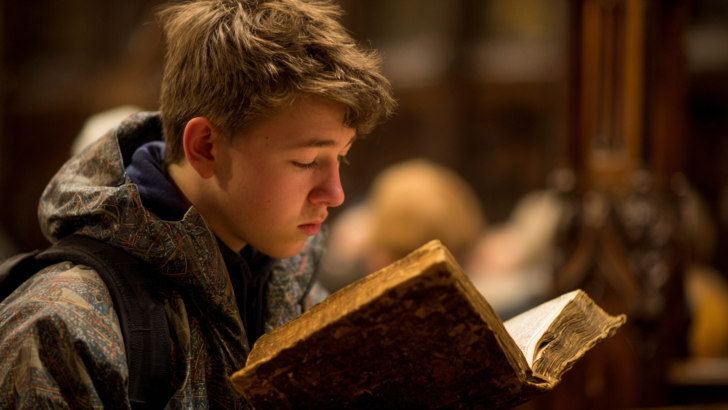
The development of religious traditions is a reflection of the social conditions prevalent at the time. Certain 规则 were created for practical reasons, e.g., keeping the community healthy and orderly or creating a cohesive cultural identity.
Over time, however, as the way society functions changes, some of those rules no longer feel relevant in how we live today.
Many people, both believers and non-believers, are asking how traditions can adapt to continue to represent something meaningful without having to let go of the original idea or value of those traditions.
To challenge a law does not mean rejecting one’s faith; it can prompt a new perspective into why the rule was created in the first place.
Here is a list of 10 rules followed by many religious groups that many people have begun to rethink in today’s society.
1. Strict Dress Codes
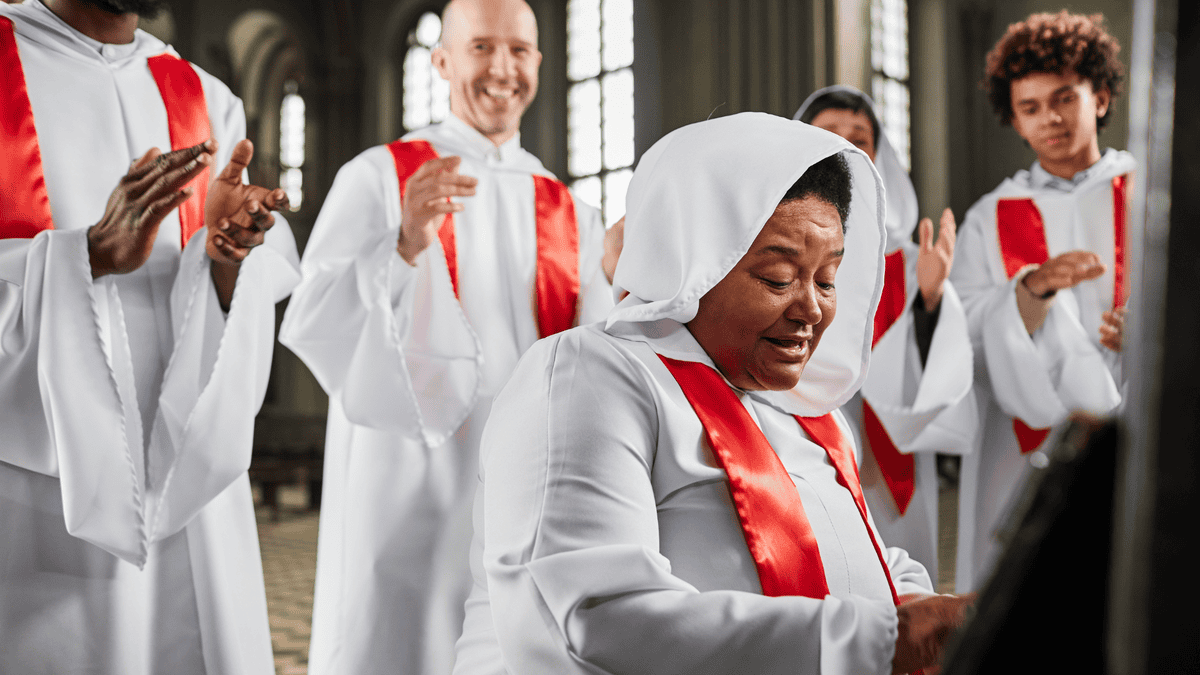
Dress codes have long been an important way to uphold social standards in many religious traditions. Originally, they served to preserve a community’s cultural identity, which now can be seen as conflicting with contemporary notions of personal expression and equality.
Modesty of clothing is still regarded by many believers as a form of religious practice, while others question whether there is still a need for such precise details about hair, fabric, or body coverage.
Discussions have begun to center around finding a balance between honoring tradition and respecting individual liberties regarding clothes.
2. Separation of Men and Women

Historically, people from various religions accepted rules around gender separation during worship, as well as in their everyday activities. Many of those customs derive from social systems from long ago.
As our society, in general, progresses toward greater levels of gender equality and shared participation, many of these communities are beginning to evaluate the values acquired through centuries of gender separation within the religion.
Others still maintain those customs as an essential part of their cultural identity. This raises the larger question: how do ancient cultures’ traditions respond to the changing expectations of society towards being equal and inclusive for all people?
3. Restrictions on Certain Foods

Food restrictions exist in most religions and generally arise from concerns of health or the environment.
In days gone by, certain meats were avoided in food consumption because they spoiled quickly or had a risk of transmitting diseases; however, today, refrigeration and food safety regulations have eliminated those concerns.
Many of the followers of these religions continue to adhere to the food restrictions as a form of spiritual discipline and as part of their cultural heritage, whereas others have begun to question whether or not the original purpose of the food restrictions continues to exist in today’s modern society.
4. Prohibitions on Technology

Historically, some religious groups discouraged technology like TV and the Internet for fear of the influence outside their congregations might have on their members.
However, in today’s world, technology plays a major role in all areas of life, including education, communication, and work. Many religious groups use technology but encourage their members to use it mindfully.
The challenge is being able to balance the use of modern technology with the need to stay spiritually focused.
5. Arranged Marriage Expectations

Historically, families would make marriage arrangements to create alliances, maintain social stability, and promote family cohesion.
While some cultures practice arranged marriages, social dynamics today prioritize individual choice. In modern times, the majority of young adults want to select their own partners, which has led to a progressive shift in how families expect to view marriage.
Current discussions center on finding a balance between cultural practices and individual freedom of choice.
6. Strict Rules About Music and Art

Many religious traditions have restricted music, art, or dance in the past because of concerns regarding distraction or immoral behavior.
However, today, many communities are embracing artistic expression in worship and as part of their cultural identity.
Music plays an important role in worship in many cultures around the world today. This demonstrates how practices that may have previously been viewed as inappropriate may become meaningful expressions of spirituality.
7. Expectations About Work and Occupations

In the past, there were limits placed on the types of jobs that people could do based on their religion.
These rules were often created because of previous moral beliefs about the goods or money. In today’s economy, many jobs are permitted, as they offer better pay.
Many religious communities have changed to accommodate the demand for new jobs and provide ethical guidelines for careers.
8. Rules About Social Interaction

Traditionally, many religions discouraged contact with those outside their faith community. This was due to a desire to preserve their culture during times of war and separation.
Now, however, with globalization, people around the world interact daily across multiple cultures and religions.
Interfaith dialogue and collaboration are becoming more prevalent. Some communities now promote cordial relationships with people of other faiths.
9. Strict Daily Ritual Requirements
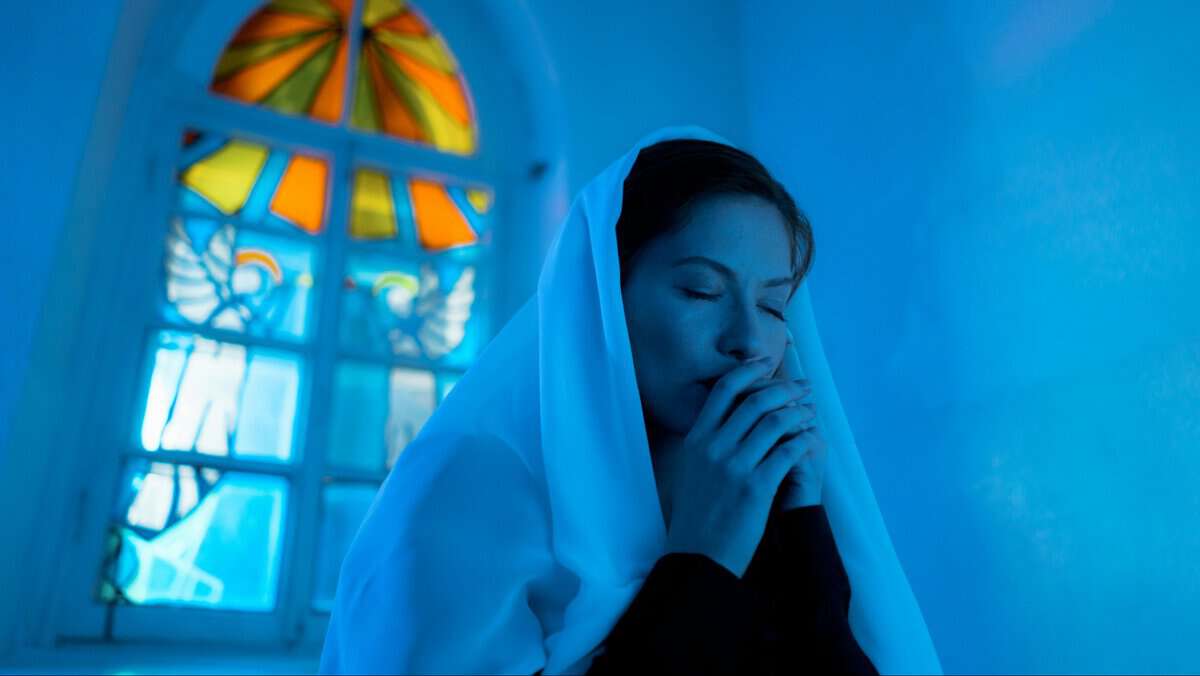
Strict and often daily routine rituals were preferred and mandatory, which originally helped structure community life.
They organized life with work, prayer, and social accountability in older societies when there was more time to adhere to them.
As the modern world has made adherence to such schedules impossible or very difficult, many believers have adjusted their practice to continually have a spiritual benefit while also remaining true to their lifestyle.
10. Absolute Authority of Religious Leaders
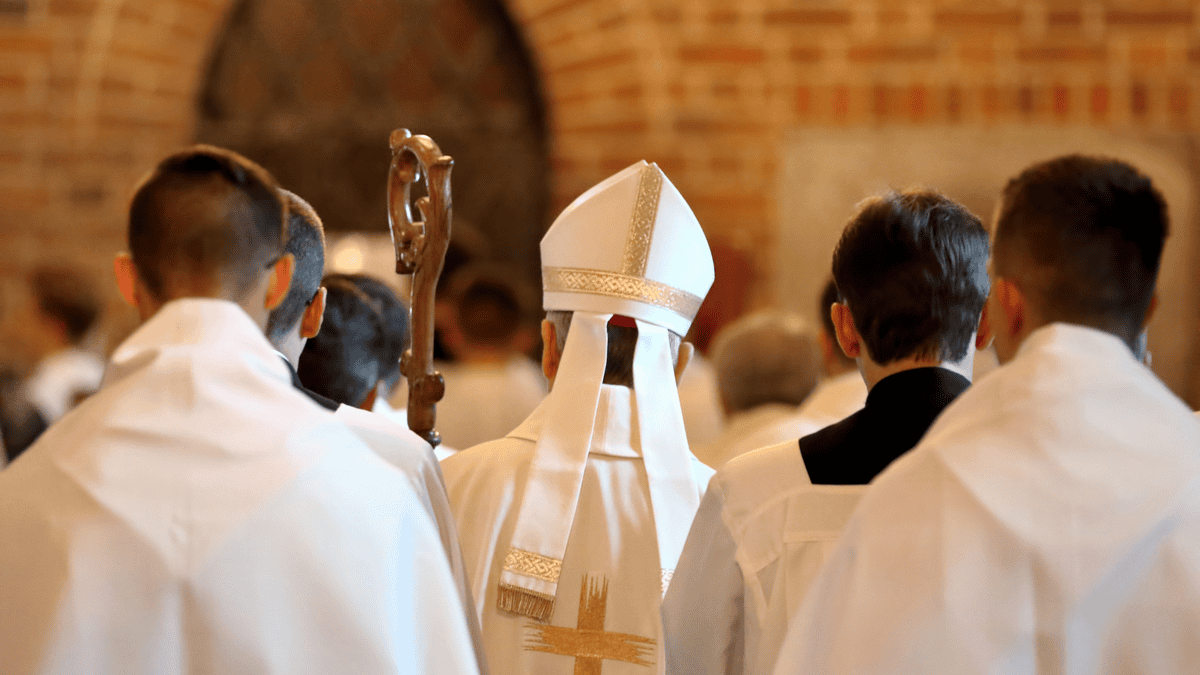
Religious authorities used to have unquestioned power over their communities; today, most community members expect transparency from their churches and to have open discussions about issues within their communities.
Today’s communities want to educate one another on issues and assume co-responsibility for their shared situation; this change is due to the cultural trend of wanting transparency and shared decision-making.

Born and raised in Bosnia and Herzegovina. Ever since I was a little girl, my imagination knew no bounds. I remember vividly how I’d scribble down short stories, each page bursting with adventures and characters conjured up from the whimsy of my mind. These stories weren’t just for me; they were my way of connecting with my friends, offering them a slice of my fantasy world during our playtimes. The joy and excitement on their faces as we dived into my fictional realms motivated me to keep writing. This early passion for storytelling naturally evolved into my pursuit of writing, turning a childhood hobby into a fulfilling career.