
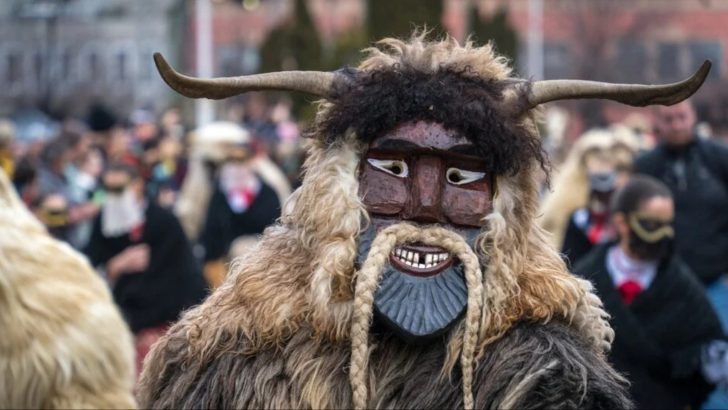
Poklade is an old Slavic custom that welcomes spring with masks, singing, dancing, and a lot of food.
It’s essentially a carnival, and its roots go all the way back to pagan times when people worshipped the Sun and the cycle of life.
Though it’s presented as a custom that prepares us for Lent, it’s got very little to do with Christianity and the resurrection of Jesus.
So, let’s see what makes Poklade so unique that it has endured despite centuries of Christianization!
1. Old Roots
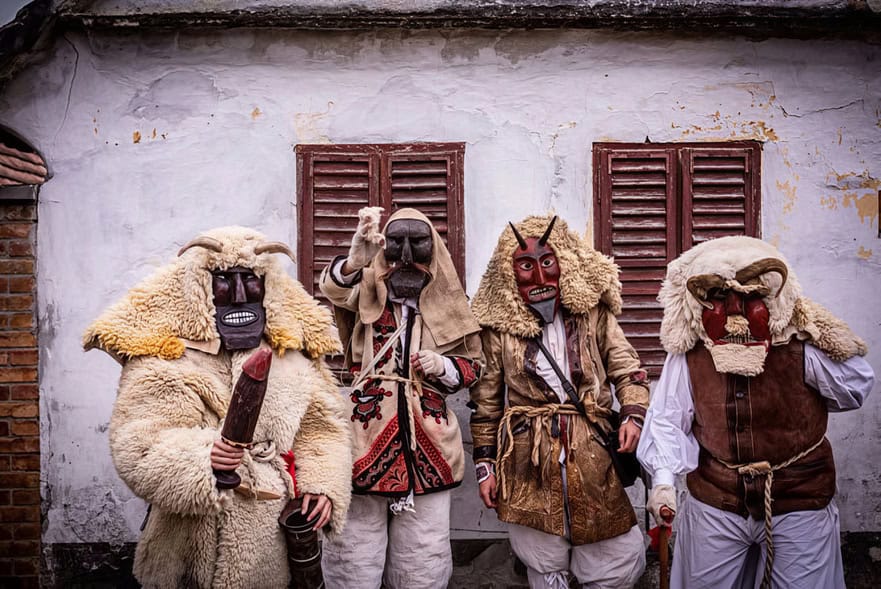
Poklade is a living piece of ancient history. Before Christianization, Slavs celebrated the end of winter and the coming of spring with this ecstatic festival.
It included creative, rustic masks, music, and ritualistic procession.
When Christianity came, and the church failed to prevent people from celebrating their customs, it tried to reframe them as Christian.
The time of Poklade coincides with Lent, so the carnival was presented as one final feast before the 40-day Lent in preparation for Easter.
So, it’s a colorful bridge between old beliefs and Christian customs, and it still turns heads.
You’ll still find local people protesting paganism, or as they label it, “devil worship.” However, this custom is a fascinating example of how cultures adapt and survive.
2. Masks and Disguises
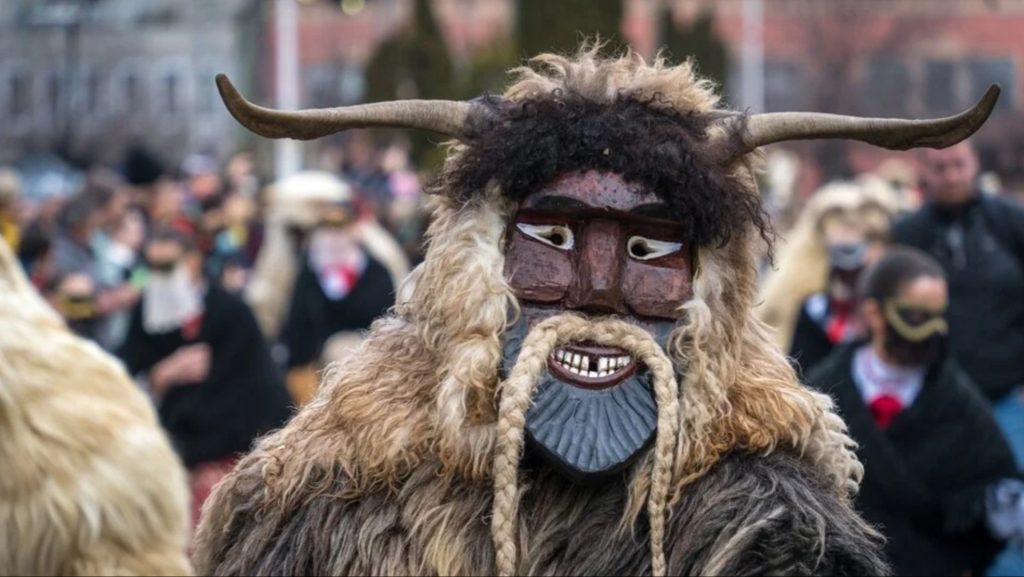
The most fascinating part of the carnival is masks. Participants, especially young men, dress up as all kinds of characters – heroes, witches, monsters, etc.
So, what’s the purpose of the masks?
In pre-Christian times, hiding behind disguises was believed to trick evil spirits and witches in order to protect the community.
The masks also allowed people to abandon social rules for an evening, celebrating freedom and chaos before Lent.
The church doesn’t really have a cover for the masks. It’s simply accepted that crafting these disguises is a beloved part of Poklade that people refused to abandon.
All of these customs are deeply rooted in ancient beliefs about warding off evil and welcoming spring’s renewal.
3. Jumping Over Fire
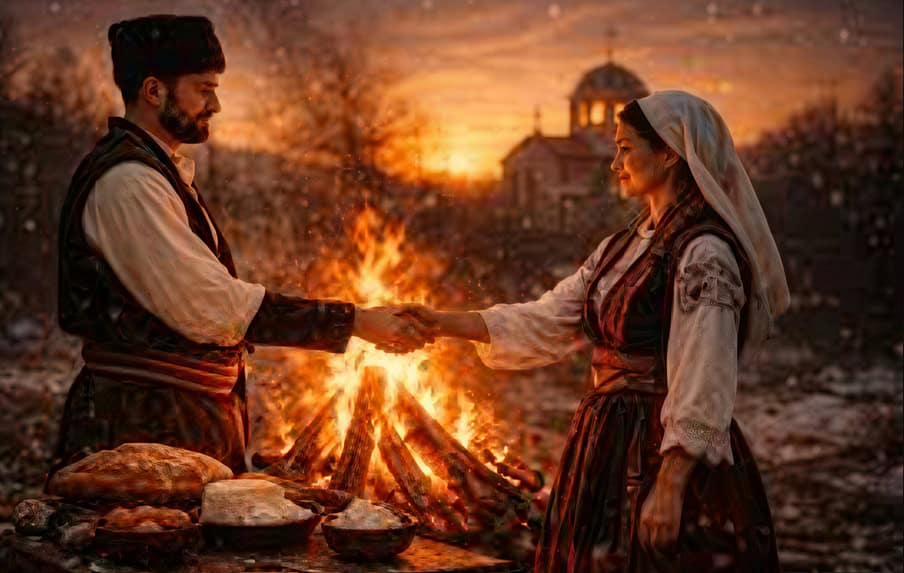
Slavs don’t miss a chance to leap across fire, and it’s a beloved part of Poklade, as well.
Heaps of straw are set on fire, and then the participants jump over the flames. There’s a long-standing belief that jumping over fire keeps you healthy for the year ahead.
In some places, kids would smear their faces with the ash, believing it would protect them from evil.
The fire itself is believed to purify and offer strength to the Sun, welcoming the warmth and light of spring.
This element adds another layer of excitement to the carnival, making it even more energetic!
4. The Feast
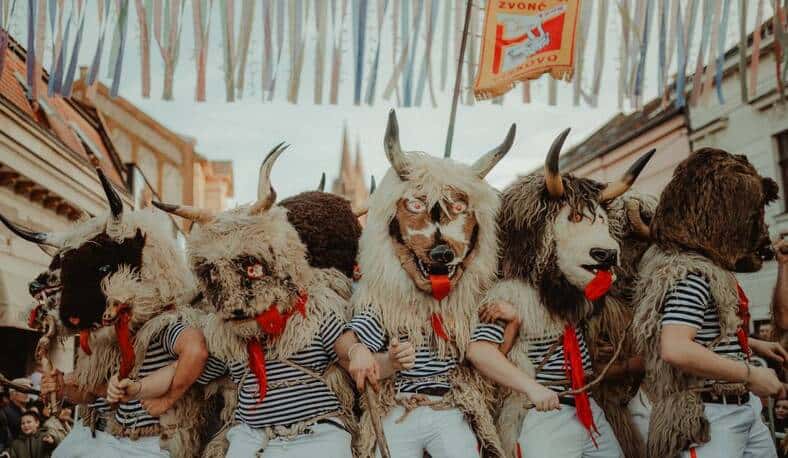
Like any carnival, Poklade is the day when you get to enjoy an excess of everything: food, fun, dance, love, whatever.
In many villages, food preparation is a community affair, and many people prepare food and bring it for everyone to enjoy.
There’s typically a long table set with various types of food.
The lavish meat feast is the highlight of the day, and in most cases, it’s specifically white meat, such as pork, chicken, or turkey.
People indulge as much as they want before Lent begins, and they’re expected to abstain.
The food is a symbol of vitality and the hope for a fruitful spring!
5. The Symbolism
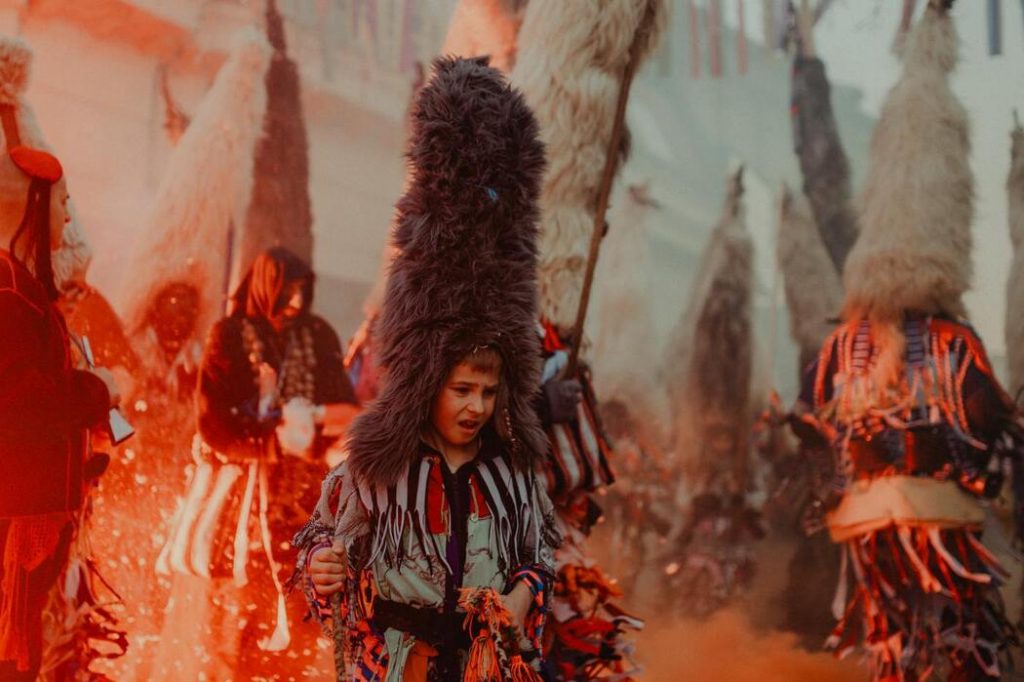
The costumes worn during Poklade have deep symbolic meaning. Some masks are designed to scare away evil spirits, while others represent gods 或 folklore creatures.
The disguises also helped conceal the participants’ identities, which were believed to protect them from malevolent forces that lurked around in the time between seasons.
The bright colors and exaggerated features are all part of the magic.
In most cases, the costumes are handmade, which honestly makes them so much more impressive! In the past, animal skins and straw were the staples of the carnival.
All of this adds to the mystical atmosphere, making the carnival a living tapestry of myth and community!
6. From Poklade to Lent
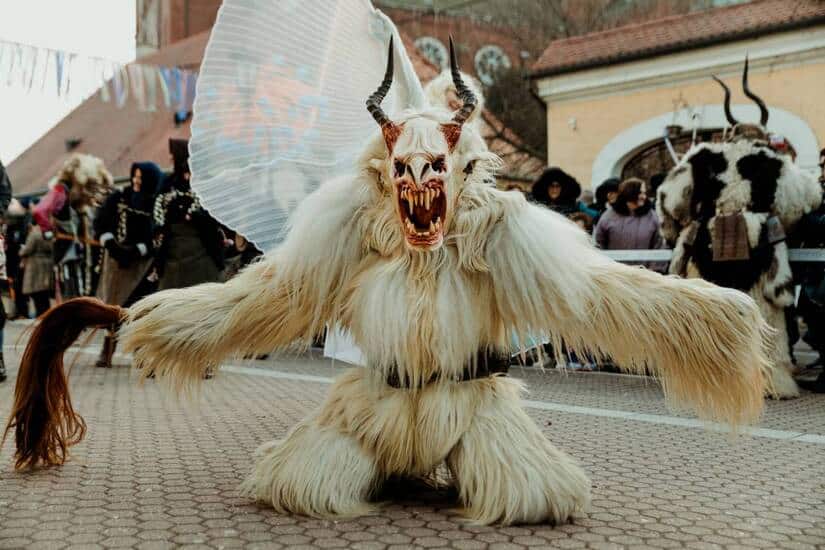
As the sun sets, everything changes. At midnight, the Poklade ends, and the 40-day Easter fast begins.
The fasting period is a time for spiritual reflection, compassion, and preparing for Easter’s joy.
The rowdy carnival gives way to quiet reflection and prayer.
Historically, this transition was seen as a battle between chaos and order within a liminal timeframe.
One season is ending, and the other is yet to begin, making it the time when evil spirits roam free, and you never know what to expect.
This is perfectly reflected in the carnival itself, since the people lit fires, carried garlic, and wore masks for protection.
The story of this custom is truly layered and complex, leading us back to the ancient concepts that shaped the pagan worldview.
7. Protection Against Evil
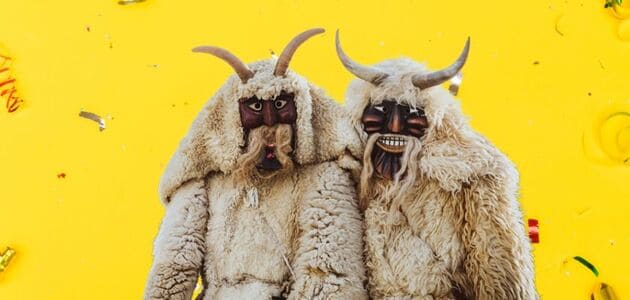
In ancient times, people saw Poklade as a dangerous period when witches and the dark forces ran rampant.
To ward off these dangers, Slavs would disguise themselves and carry talismans.
The masks and costumes essentially confused evil spirits and kept them away.
The participants would gather, ride horses through the village, and go from home to home to share blessings and receive gifts.
These customs reflected a belief that the time between winter and spring was spiritually dangerous, but it was also celebrated as a promise of renewal.
So, all these elaborate customs were part of a symbolic war against evil and chaos.
8. Why Poklade Matters Today
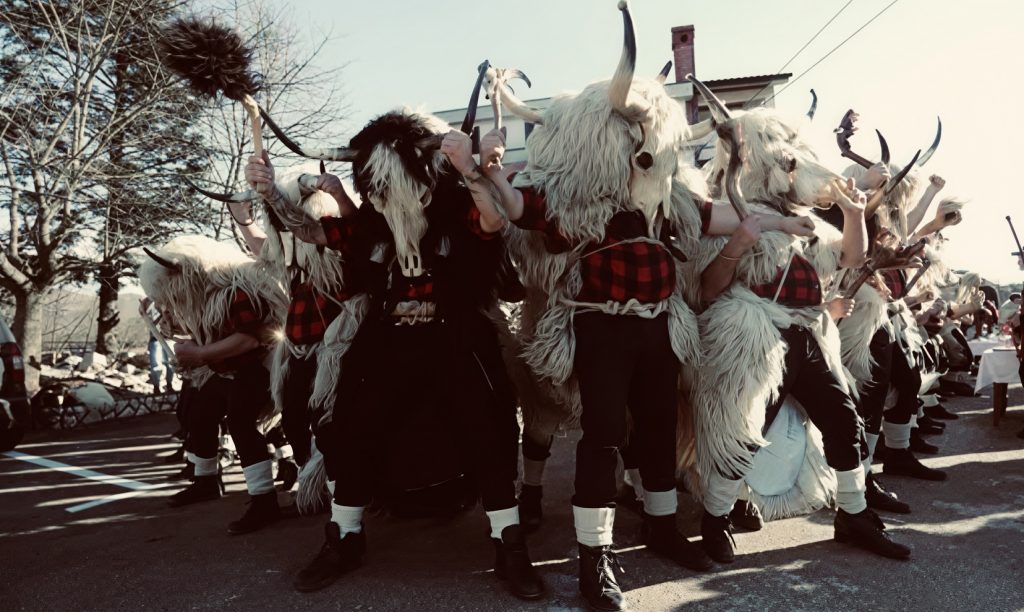
Poklade continues to be a beloved custom among Slavs, having endured centuries of Christianization and scrutiny.
You may encounter it in Croatia, Poland, Russia, Slovenia, Serbia, Bulgaria… Pretty much, everywhere.
In places like Croatia and Slovenia, it’s a widely accepted custom. However, in Serbia, it can only be encountered in certain and mainly rural parts of the country.
The masks, fires, and celebration connect the people to their 祖辈 和 old beliefs that shaped their colorful cultures.

A little Aquarius, devoted to writing and embroidery. Through my writing, I hope to empower readers to align with their true selves and navigate life’s mysteries with confidence.