

Aldebaran and Antares are the two stars that have been linked to the rise and fall of empires, religious authority, and conflict.
They’re part of the Four Royal Stars of Persia, and they carry a lot of weight in astrology and mythology.
When they align in the sky, especially in opposition, many believe they symbolize major global struggles, like wars and political upheaval.
These stars have met again on March 11, 2026. So, let’s explore their history and symbolism.
They might be trying to tell us something about the world’s ongoing conflicts.
1. Aldebaran: The Watcher of the East

Aldebaran shines brightly in Taurus, and it’s known as the “Eye of the Bull.” It symbolizes watchfulness and authority from the East.
In ancient Persia, it was called the “Watcher of the East,” representing a guardian of spiritual traditions.
Its position in the sky has long been associated with honor, truth, wars, and unconventional rulers who bring about change.
Historically, Aldebaran’s influence was linked to the rise of religious leaders and figures who sought to reshape existing power structures.
Its orange glow makes it a symbol of passionate authority and disruptive change.
When it’s prominent in the sky, it often signals a time of moral clarity.
2. Antares: The Heart of the Scorpion

Antares, located in Scorpius, is called the “Heart of the Scorpion,” and is strongly associated with the West.
Its red hue symbolizes war and intense power struggles.
In ancient astrology, Antares was linked with military power, conquest, and empire-building, especially in the context of rivaling civilizations.
The star’s mythology ties it to the fierce, sometimes destructive force of Scorpios, which are associated with 蜕变 through conflict.
Its energy represents the drive for dominance and control.
When Antares is prominent in the sky, astrologers often see it as a sign of potential warfare and major political conflicts.
3. East vs. West

In 2026, Aldebaran and Antares aligned in opposition, nearly 180° apart in the zodiac, forming a powerful aspect.
This opposition symbolizes a clash of forces, the East and the West.
Historically, astrologers have associated this opposition with major ideological struggles and cultural wars.
Some believe this alignment reflects real-world tensions, particularly between nations that claim spiritual authority and those driven by conquest.
The opposition also suggests a period where conflicts are intense, with each side deeply entrenched in its worldview, making diplomacy difficult.
4. Mythology and Significance

Both stars hold a prominent place in Persian mythology and astrology.
The Four Royal Stars (Aldebaran, Antares, Rigel, and Fomalhaut) were believed to 影响力 的 命运 of empires and kings.
Aldebaran, as the Watcher of the East, was associated with the rising sun and new beginnings, but also with moral authority.
Antares symbolizes the closing of cycles, destruction, and war.
Their mythology tells a story of cosmic balance, warning rulers about the importance of morality and the danger of hubris.
5. Astrology of Power and War
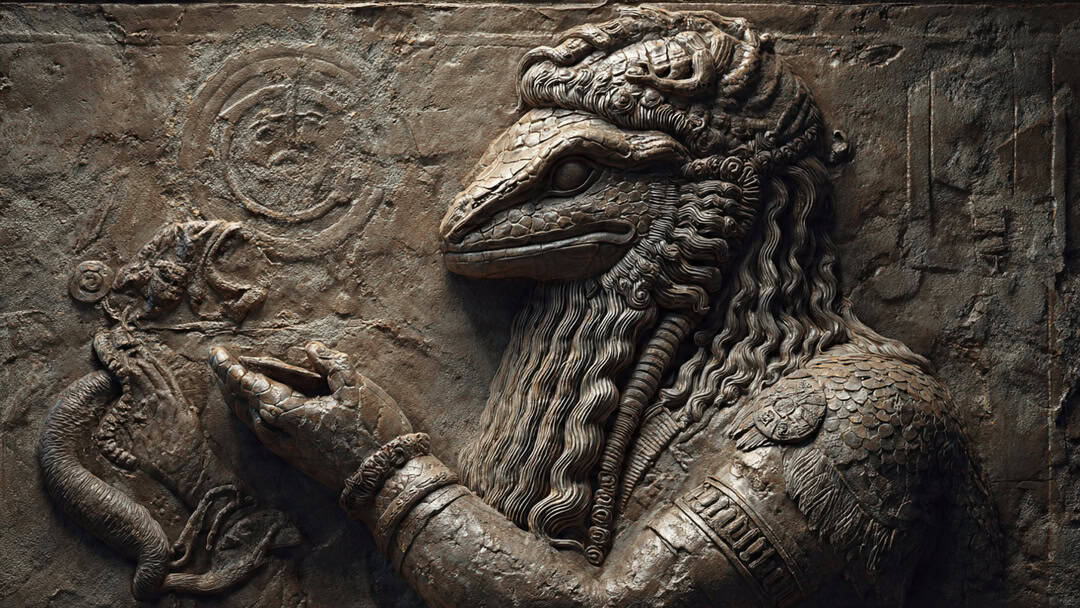
Astrologers have long viewed Aldebaran and Antares as stars that signify upheaval, but also potential for renewal.
Aldebaran’s placement suggests a time when spiritual authority and values are failing or challenged. This might include unconventional figures or revolutionary ideas.
Antares, on the other hand, warns of conflict, especially related to empire clashes.
When these two stars meet in the sky, astrologers know to expect major unrest.
The energy of their opposition ignites conflicts between nations, especially those with religious and ideological motives.
Historically, their alignments have coincided with wars, rebellions, and overturns 在 global power.
6. 2026: The Stars Align Again

On March 11, 2026, Aldebaran and Antares met in the sky, renewing their opposition after centuries.
This event is seen as significant because of the historical weight these stars carry. Many believe such alignments aren’t merely symbolic.
Given the current geopolitical climate, some speculate it could signal a new phase of conflict, possibly related to the ideological war between East and West.
Their influence is subtle but meaningful, reflecting underlying tensions that have been brewing for a long time.
This alignment prompts astrologers to watch for signs of further escalations.
7. Could the Stars Have Predicted the Conflicts?

Netizens are divided when it comes to this matter. Some believe that the ancient understanding of these stars offers insight into ongoing conflicts.
Others claim it’s all superstitious reaching.
Still, throughout history, astrologers have looked to these stars for clues about major wars and inner conflicts.
While not precise, astrology suggests that the energy of these stars influences the 集体意识.
Their meeting in 2026 might serve as a cosmic mirror to the ongoing East-West clash, highlighting great cultural, religious, and political differences.
8. A Reflection of Human Struggles
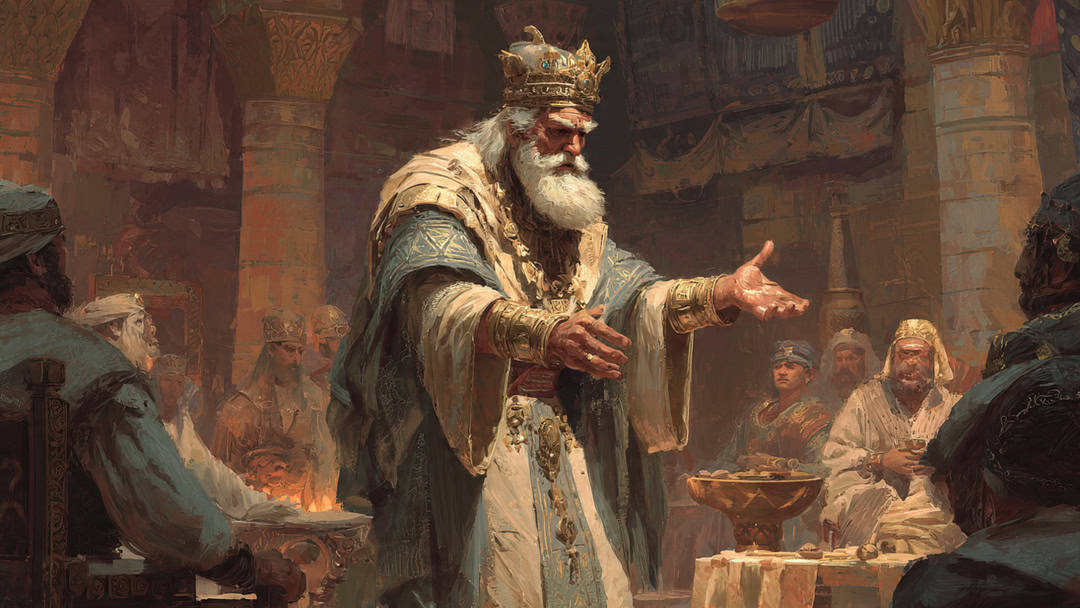
The mythology of these stars reminds us that ancient peoples looked to the heavens for predictions and wisdom, especially when it came to life-altering situations such as wars and revolutions.
As they align again in 2026, it’s worth considering how these cosmic forces mirror the struggles happening on Earth.
While stars don’t dictate our destiny, they can be a lens through which we understand the patterns of history and power.
They force us to confront the age-old dynamic of conflict and the hope for eventual balance.

A little Aquarius, devoted to writing and embroidery. Through my writing, I hope to empower readers to align with their true selves and navigate life’s mysteries with confidence.