

When people hear the words “serial killer,” they often picture a very specific type: male, mysterious, and probably the subject of at least three documentaries. But history—and true crime—has proven that women are just as capable of becoming infamous killers, often with methods that are quieter, more calculated, and honestly a little more unsettling.
While male serial killers tend to rely on overt violence, many female serial killers have historically used manipulation, poison, and trust as their weapons of choice. They didn’t always fit the stereotype, which is exactly what made them so dangerous. Some were caregivers, some were charming, and some were hiding in plain sight for years.
So, if you’re ready to feel both fascinated and slightly uneasy, here are some of the most notorious female serial killers of all time—proof that danger doesn’t always look the way you expect.
1. Aileen Wuornos – The Highway Killer
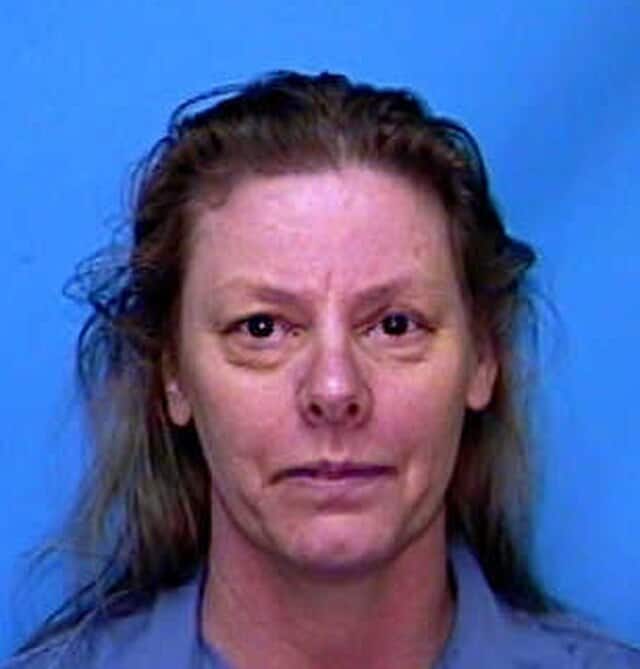
Often referred to as one of America’s most infamous female serial killers, Aileen Wuornos was convicted of murdering seven men in Florida between 1989 and 1990. Unlike many others on this list, her crimes were committed with a firearm rather than poison, and she claimed that the killings were acts of self-defense while she was working as a sex worker.
Her story is complex and deeply tragic. Wuornos had a traumatic upbringing marked by abuse and instability, which many believe contributed to her violent path. Still, the brutality and repetition of her crimes earned her a place in criminal history.
She became something of a cultural figure, later portrayed in films and documentaries, sparking debates about whether she was a cold-blooded killer or a victim of circumstance. Either way, her case remains one of the most widely discussed in modern true crime.
2. Belle Gunness – The Black Widow of Indiana
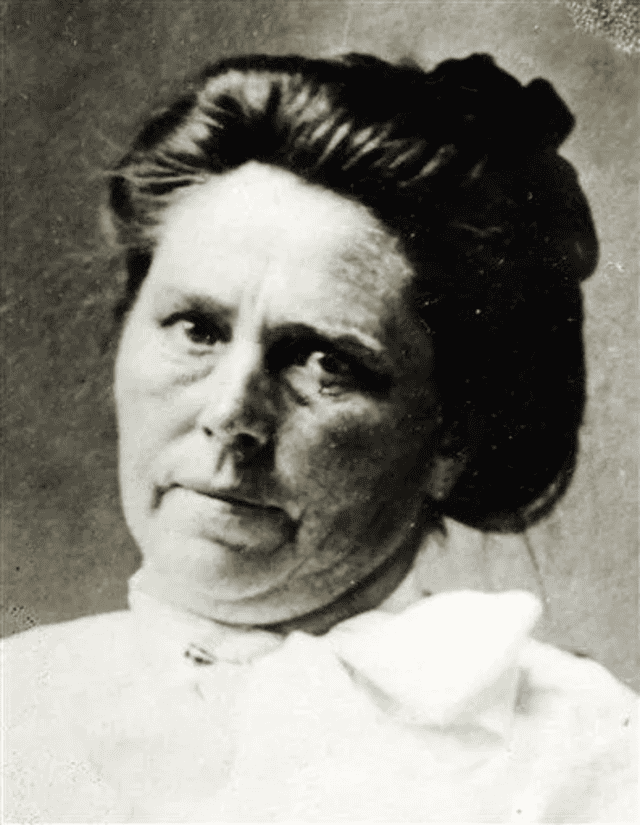
Belle Gunness might just be one of the most chilling figures in true crime history—and not just because of her suspected body count, which may exceed 40 victims.
Operating in the early 1900s, she lured men to her Indiana farm through personal ads, promising love and companionship. Instead, many of them mysteriously disappeared, along with their life savings. Authorities later discovered multiple bodies buried on her property, turning her farmhouse into a nightmare scene.
Gunness had a reputation for collecting insurance payouts and was suspected in the deaths of multiple husbands and even her own children. To make things even more eerie, her own death remains a mystery—some believe she faked it and escaped.
If “trust no one” were a person, it would probably be Belle Gunness.
3. Elizabeth Báthory – The Blood Countess
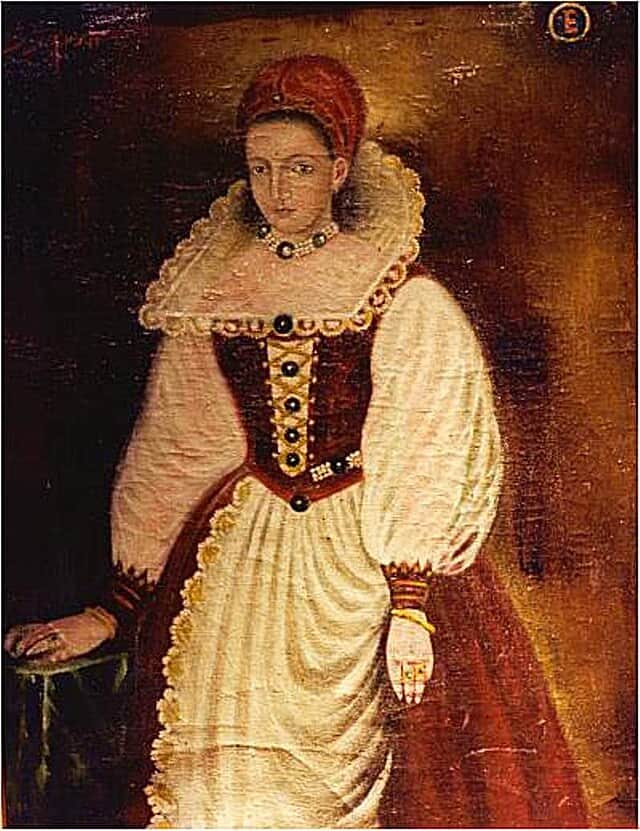
If you thought modern true crime was intense, let’s take a moment to appreciate (or fear) Elizabeth Báthory, a Hungarian noblewoman from the late 16th and early 17th centuries.
She is often accused of torturing and killing hundreds of young girls, making her one of the most prolific alleged serial killers in history. Legends claim she bathed in their blood to preserve her youth—though historians debate how much of this is fact versus exaggeration.
What is certain is that numerous witnesses testified against her, describing horrific acts within her castle. Due to her noble status, she was never formally executed but was instead confined to her home until her death.
Basically, she redefined the phrase “terrifying aristocrat.”
4. Nannie Doss – The Giggling Granny
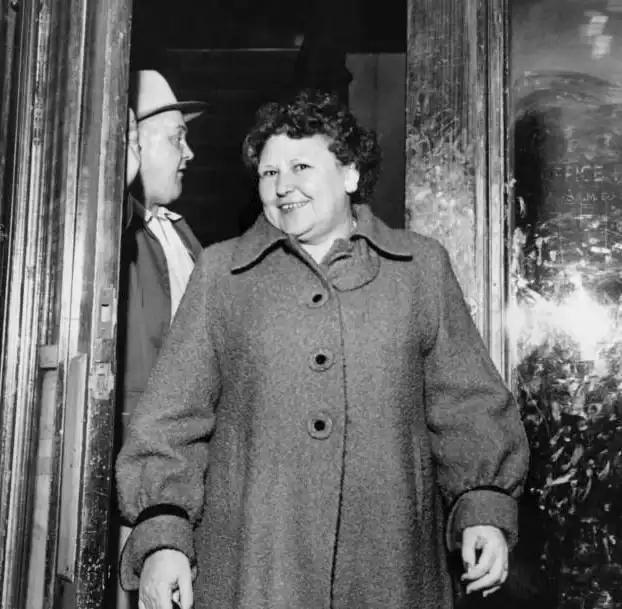
With a nickname like “The Giggling Granny,” you might expect someone harmless. Unfortunately, Nannie Doss was anything but.
Active in the mid-20th century, Doss is believed to have killed 11 people, including multiple husbands, family members, and even her own children and grandchildren. Her weapon of choice? Poison—quiet, effective, and difficult to detect at the time.
What made her particularly unsettling was her cheerful demeanor. She reportedly giggled while discussing her crimes, which only added to the eerie contrast between her appearance and actions.
Her motives often revolved around financial gain and dissatisfaction in relationships, proving that sometimes the most dangerous people are the ones who seem the least threatening.
5. Myra Hindley – The Moors Murderer
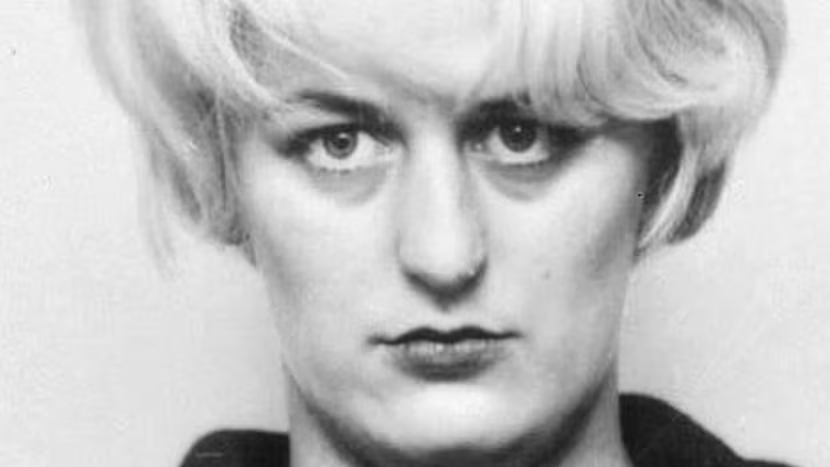
Myra Hindley, along with her accomplice Ian Brady, committed a series of murders in England during the 1960s that shocked the nation.
Known as the Moors Murders, their crimes involved the abduction and killing of children, making the case particularly horrifying. Hindley’s involvement challenged societal expectations of women at the time, as she actively participated in the crimes rather than being a passive accomplice.
Her trial and imprisonment drew intense media attention, and she became one of the most hated figures in British criminal history. Despite attempts at parole, she remained incarcerated until her death.
Her case is often cited as a turning point in how society views female offenders—reminding everyone that evil isn’t limited by gender.
6. Dorothea Puente – The Death House Landlady
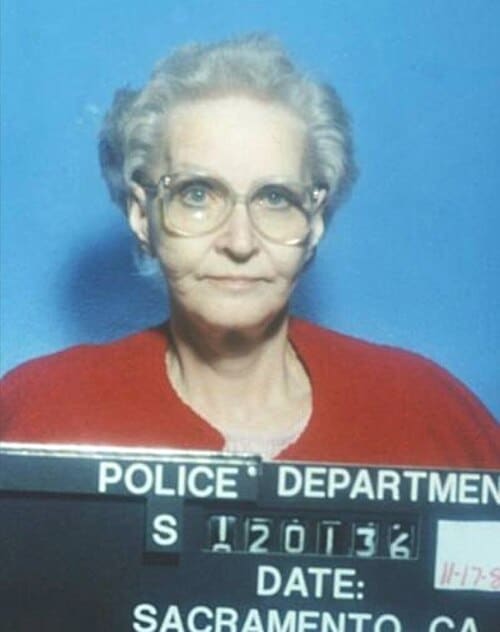
Dorothea Puente ran a boarding house in California that, on the surface, seemed like a safe place for elderly and vulnerable individuals. In reality, it became the site of multiple murders.
Puente would take in tenants, gain control of their finances, and then kill them—often burying their bodies in the yard. She continued to cash their checks long after they were gone, which is both chilling and disturbingly calculated.
Despite her small, grandmotherly appearance, Puente managed to evade suspicion for years. Her case shocked many because it shattered the assumption that someone who looks kind must be kind.
Moral of the story: appearances can be very, very deceiving.
7. Mary Ann Cotton – The Victorian Poisoner
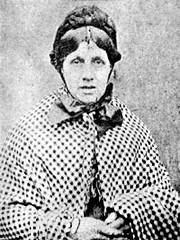
Mary Ann Cotton is believed to have killed up to 21 people in 19th-century England, including multiple husbands and children.
Her method was arsenic poisoning, often disguised as illness—a common and effective tactic at the time. She frequently collected insurance money after each death, making financial gain a clear motive.
Cotton’s pattern of remarriage and repeated tragedy eventually raised suspicions, leading to her arrest and execution. Her case highlights how easily someone could exploit societal norms and medical limitations of the era.
She turned “till death do us part” into a business model—and not in a good way.
8. Juana Barraza – The Old Lady Killer
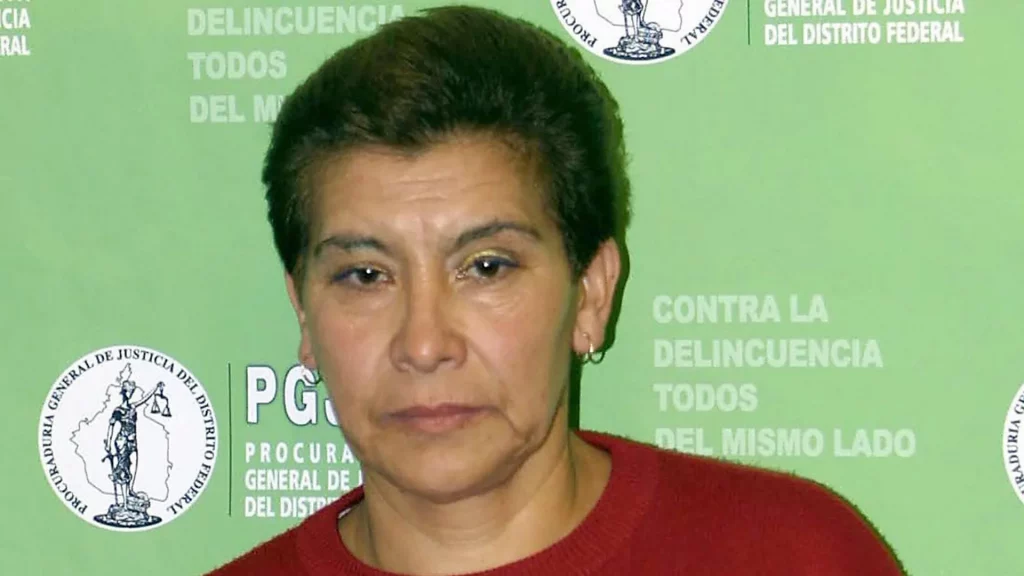
Juana Barraza, also known as “La Mataviejitas,” targeted elderly women in Mexico City in the early 2000s.
Posing as a nurse or social worker, she gained access to her victims’ homes before attacking them. Her crimes caused widespread fear, especially among older women, who felt particularly vulnerable.
Interestingly, Barraza was a former professional wrestler, which added another unexpected layer to her story. She was eventually caught and convicted, bringing some closure to a shaken community.
Her case is a stark reminder that trust can be weaponized—and that danger doesn’t always announce itself.

Lover of good music, reading, astrology and making memories with friends and spreading positive vibes! 🎶✨I aim to inspire others to find meaning and purpose through a deeper understanding of the universe’s energies.