

Witchcraft, especially for beginners, can feel mysterious, confusing, or even overwhelming at first.
There are many ideas online, many different traditions, and a lot of mixed information that can make it hard to know where to start.
The truth is, most real practice is much simpler than it looks. It is more about awareness, intention, and personal connection than complicated rules or dramatic rituals.
Across older folk traditions in Europe and many other cultures, everyday life and nature were often the main sources of spiritual understanding.
Beginner witchcraft today still follows that same idea in many ways. It is not about being perfect or powerful, but about learning slowly and building your own understanding over time.
In this article, we explore six important things every beginner should know before starting this path.
1. Witchcraft Starts With Intention, Not Perfection
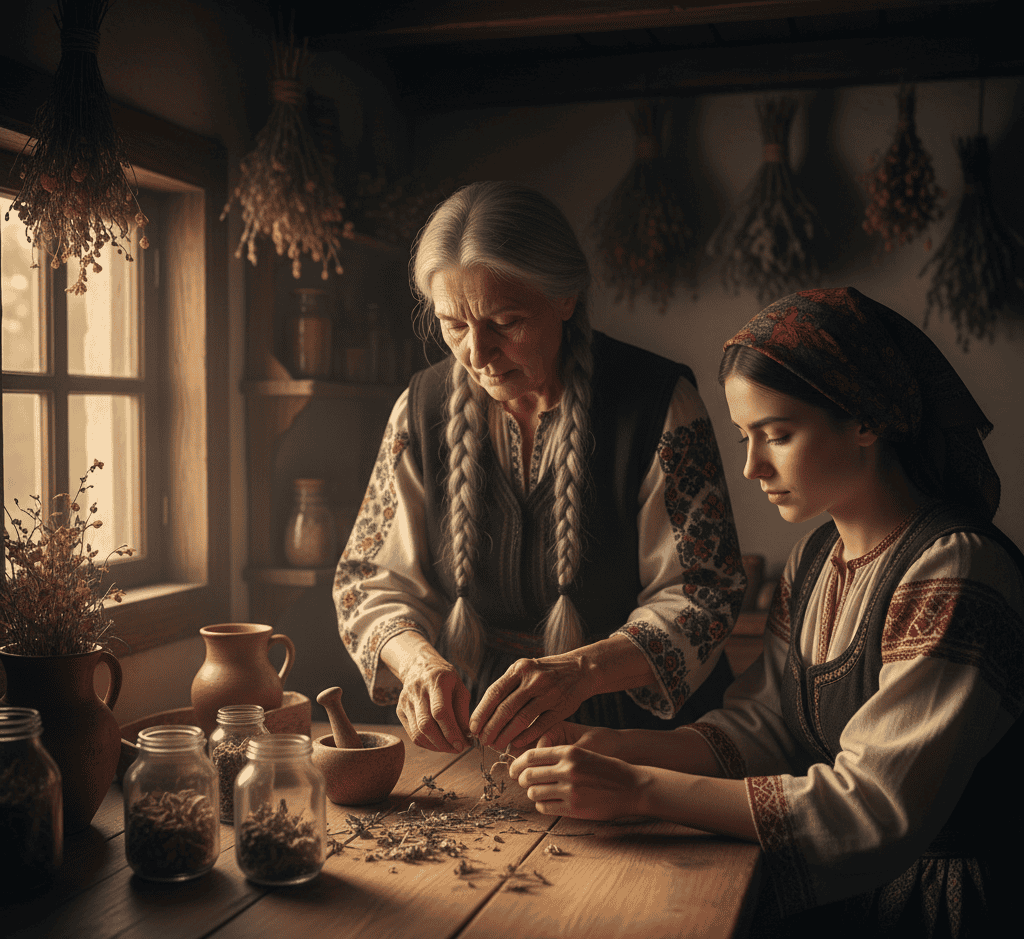
When people first hear about witchcraft, they often imagine complicated rituals, special tools, or perfect knowledge.
In reality, the most important part is intention. Intention simply means what you want to focus on or bring into your life.
For beginners, this is the foundation of everything. You do not need to be perfect or know everything before you start.
Many traditions, especially modern spiritual practices inspired by older folklore, focus on personal meaning rather than strict rules.
What matters most is your focus and your honest purpose. A simple moment of thought, reflection, or quiet focus can already be meaningful.
Some people light a candle, others just sit in silence and think clearly about what they want to change or understand. There is no single correct way.
The key idea is that your mind and attention shape the experience. Beginners often worry about doing things wrong, but witchcraft is more about personal connection than performance.
It grows slowly as you learn what feels right for you. The most important thing is to stay calm, curious, and open-minded.
Over time, you begin to understand that intention is like a guide that helps you direct your energy, thoughts, and attention in a clear direction.
2. Nature Is Your First Teacher
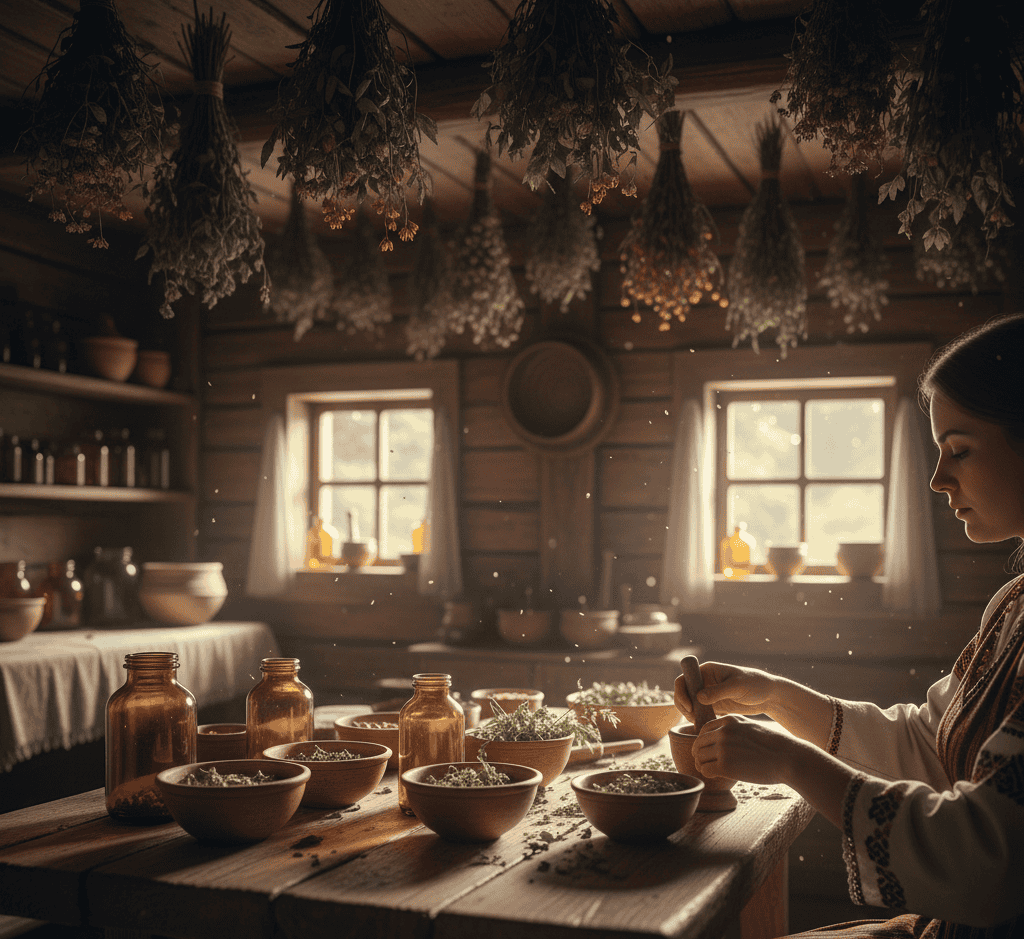
One of the most important things for beginners to understand is that nature is a teacher. You do not need to look far for guidance because the natural world is full of cycles, patterns, and quiet lessons.
Watching the seasons change, observing plants grow, or simply noticing how the weather shifts can teach you a lot about timing and balance.
In many traditions connected to European folklore, nature was seen as alive and full of meaning. Beginners are encouraged to slow down and pay attention to their surroundings.
A tree does not rush to grow, and a river does not force its path. These natural rhythms can help you understand patience, change, and flow.
You can learn by spending time outside, touching the ground, or simply observing small details like leaves, wind, or sunlight. Nature teaches without words, so you need to pay attention in a quiet way.
Many beginners make the mistake of focusing only on tools or spells, but the real foundation comes from understanding the natural world.
When you start to see patterns in nature, you also start to see patterns in yourself. This helps you feel more grounded and connected.
3. Energy Is About Focus and Attention

In beginner witchcraft, the idea of energy is often misunderstood. It is not something invisible or complicated that you must control perfectly.
Instead, it is closely related to your focus, attention, and emotional state. When you feel calm, your energy feels calm.
When you feel scattered, your attention is scattered. This simple understanding helps beginners avoid confusion.
In many older folk traditions from Europe, energy was not described in scientific terms but as a feeling or presence in daily life.
Beginners are encouraged to notice how their mood affects their thoughts and actions. This awareness is already a form of working with energy.
You do not need special abilities to begin understanding this idea. Even simple actions like breathing slowly or staying present help you notice your internal state.
Energy is just your attention in motion, shaped by emotion and intention. Once you understand this, everything becomes less confusing and more natural.
4. Symbols and Tools Only Have Meaning If You Give Them Meaning
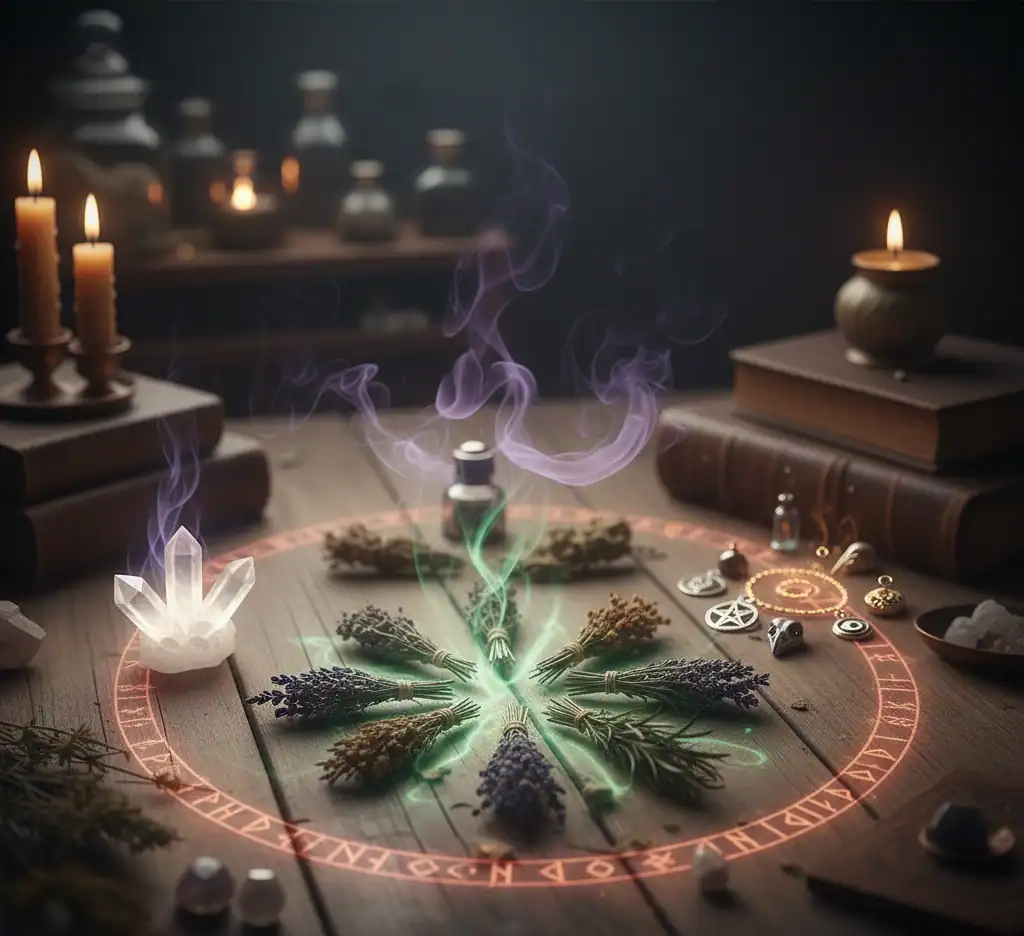
Many beginners are drawn to tools like candles, herbs, crystals, or symbols. These objects can be meaningful, but they do not have power on their own.
Their importance comes from the meaning you give them. A candle can represent focus, a stone can represent grounding, and a plant can represent growth.
In folklore traditions, everyday objects were often used symbolically, but meaning always came from belief and intention.
Beginners should understand that tools are helpers, not requirements. Even a simple object from your environment can become meaningful if you connect it to intention.
This makes practice more personal and flexible. The real work happens in your awareness, not in the objects themselves.
5. Protection and Boundaries Are Very Important

For beginners, protection and boundaries are essential. This does not mean fear, but awareness and balance.
In older traditions in Europe, simple protective habits were used to create structure in spiritual practice.
Beginners should learn to listen to their comfort level and stop when something feels overwhelming. Protection also means caring for your mental and emotional well-being.
You do not need to push yourself into anything that feels unsafe or unclear. Boundaries help you stay grounded, focused, and stable.
Over time, this becomes a natural part of practice and helps create a healthier experience.
6. Patience Is More Important Than Results

The final lesson for beginners is patience. Witchcraft and spiritual learning are not about fast results. They are about slow growth and understanding.
In older traditions, knowledge was passed down gradually through experience. Beginners often expect quick signs or changes, but real learning happens slowly.
Some days feel clear, others feel confusing, and both are normal. Patience helps you notice small changes that you might otherwise miss.
It also keeps you grounded and calm. Growth is quiet, not sudden. Over time, patience turns learning into something stable and meaningful.

自出生以来,我一直感觉到自己与神灵有着紧密的联系。作为一名作家和导师,我的使命是帮助他人在最黑暗的时刻找到爱、幸福和内心的力量。