
Your 30s are a critical point in your life, where you still have time, energy, and flexibility, but life starts to become a lot more serious and demanding.
The decisions you make now do not have to be life-changing, but having a few small, consistent habits can help you have a successful future.
Feeling good when you turn 60 doesn’t happen by accident; it is about developing a consistent routine, being aware of yourself and your body over time, and caring for yourself. Now is a great time to start!
1. Prioritize Daily Movement

Moving your body when you’re in your 30s helps keep it strong and healthy when you get older. Intensity is not as important as consistency, so you don’t have to do hard workouts every time.
The types of movements you can do are walking, stretching, cycling, and doing some light strength training. Movement helps you to keep your joints healthy by improving balance, circulation, and energy, and improving your mood.
Creating the habit of moving your body as early as possible makes that habit feel more natural when you are older. Staying physically active now helps reduce the stiffness and pain associated with getting older and helps you feel more capable and confident in your body.
2. Build Muscle, Not Just Endurance
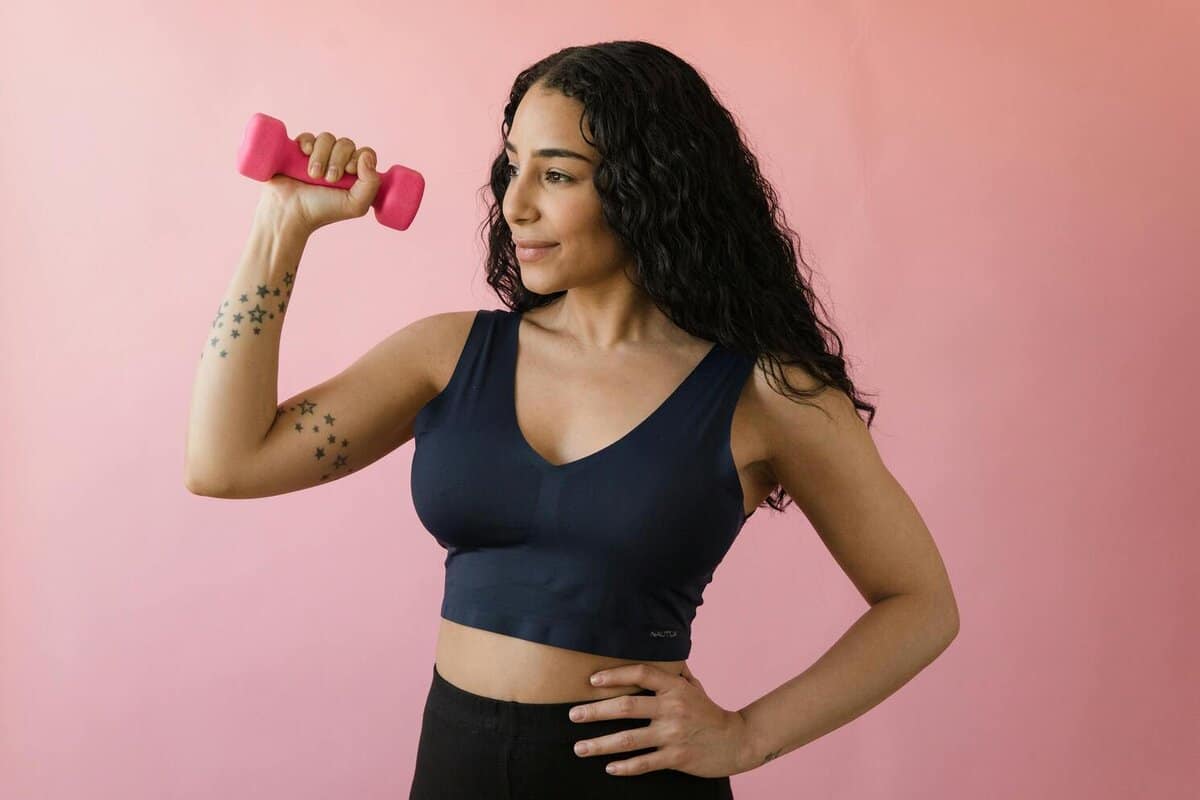
As you get older, your body will naturally lose muscle mass. However, you can help yourself to build and keep muscle at an early age by doing strength training two to three times each week.
Strength training is good for bone health, posture, and your metabolic rate. You do not need to use heavy weights to build muscle; you can do bodyweight exercises.
Also, building muscle in your 30s will make it easier for you to do daily tasks as you get older. Ultimately, when you build strong muscles, you reduce your risk of injury as well as support your independence so you can feel empowered rather than limited as you age.
3. Learn How To Rest Properly

Resting is not the same as lazing around. It is about recharging. In your 30s, it is important to understand how to recharge/give yourself permission to rest without feeling guilty about it.
Giving yourself quality sleep, time to mentally disconnect, and a quiet space provides the opportunity to reset your nervous system. The effects of chronic fatigue from our busy lifestyles build slowly and will show up later.
If you learn to rest correctly from the beginning, you should be able to avoid falling into the trap of burnout. A good night’s sleep improves our memory, mood, and immune system. If you want to feel your best at age 60, you have to learn how to take a break when needed.
4. Take Care Of Your Mental Health

Your mental health impacts every stage of your life, including your 30s, when you may be under increased stress. Prioritize learning healthy coping tools for stress now that will help you cope effectively.
Therapists, journals, boundaries, and mindfulness are just some of the effective coping tools to use. Neglecting your mental health can create a build-up of pressure, which will eventually manifest itself in different ways.
Having emotional awareness enables you to form better relationships and make smarter decisions. If you prioritize your mental health early on in life, you will develop your emotional resilience as you get older. Similarly, having a calm and flexible mindset promotes long-term clarity and happiness.
5. Eat For Nourishment, Not Restriction
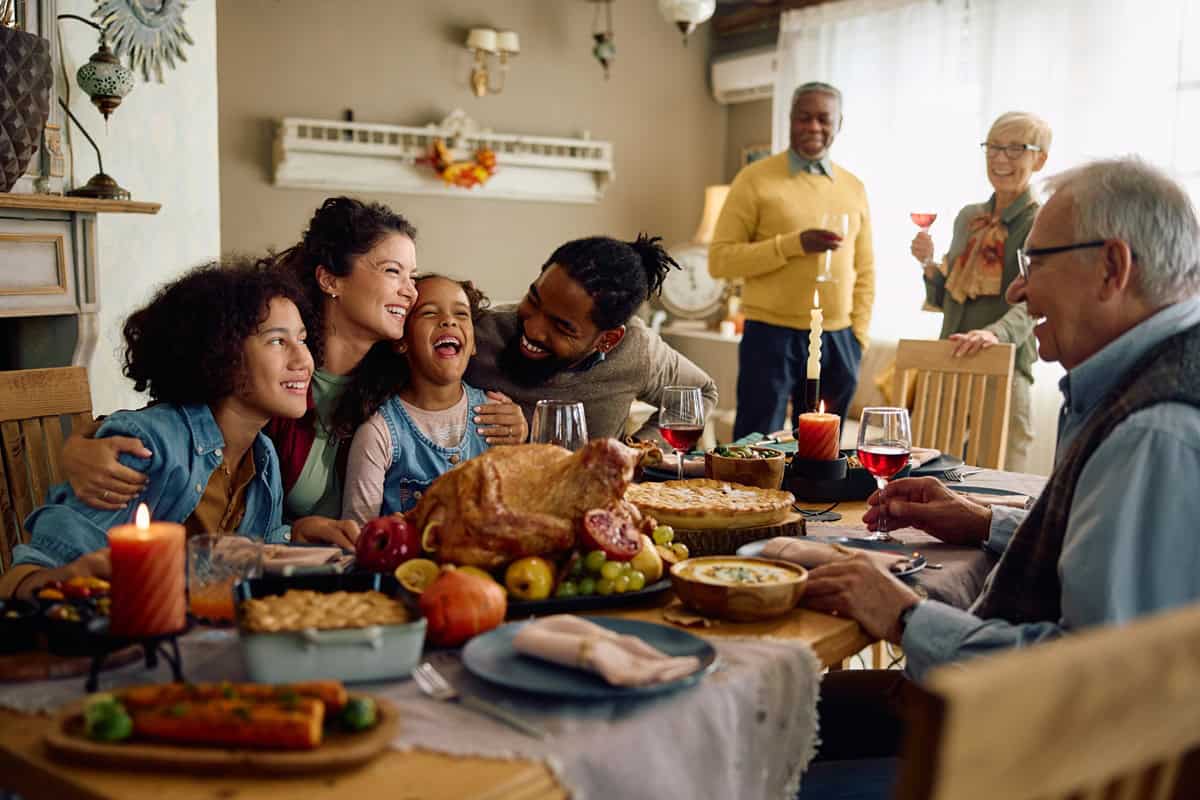
Diets that require drastic changes seldom stay around for very long. At 30 years old, learn to eat healthily. Instead of punishing your body through extreme dieting, nourish it.
Choose wholesome food that is high in protein and fiber, drink water, and eat on a regular schedule to help stabilize blood sugar and mood. This pattern of eating promotes heart health and metabolism for your future.
Healthy eating does not have to be perfect, just consistent. When food is a positive force in your life, long-term health becomes more achievable.
6. Protect Your Joints Early

Many people don’t think about their joints until they have pain. The simple act of taking care of your joints in your 30s can help you avoid future problems with stiffness.
Warming up, exercising for mobility, and maintaining good posture are very important in establishing joint health. Pain should never be worked through. Building strength around the joint improves the overall stability of the joint.
Simple habits developed today create joint protection for tomorrow’s knees, hips, and shoulders. Joint health has a direct correlation with independence. If you want to feel good at 60, you must be able to move freely without any discomfort or limitations.
7. Build Meaningful Relationships

Loneliness is as harmful to your health as a poor diet or lack of exercise. In your 30s, if you don’t invest time into nurturing those relationships, you may lose close friends.
Investing in your friendships today provides an emotional support system later in life. When you have a close relationship with someone, you experience less stress and enjoy life more.
You can also find purpose and belonging through friendships. Quality over quantity. A strong social support network at the age of 60 is created through intentionally formed relationships years or decades before reaching 60.
8. Learn How To Manage Stress
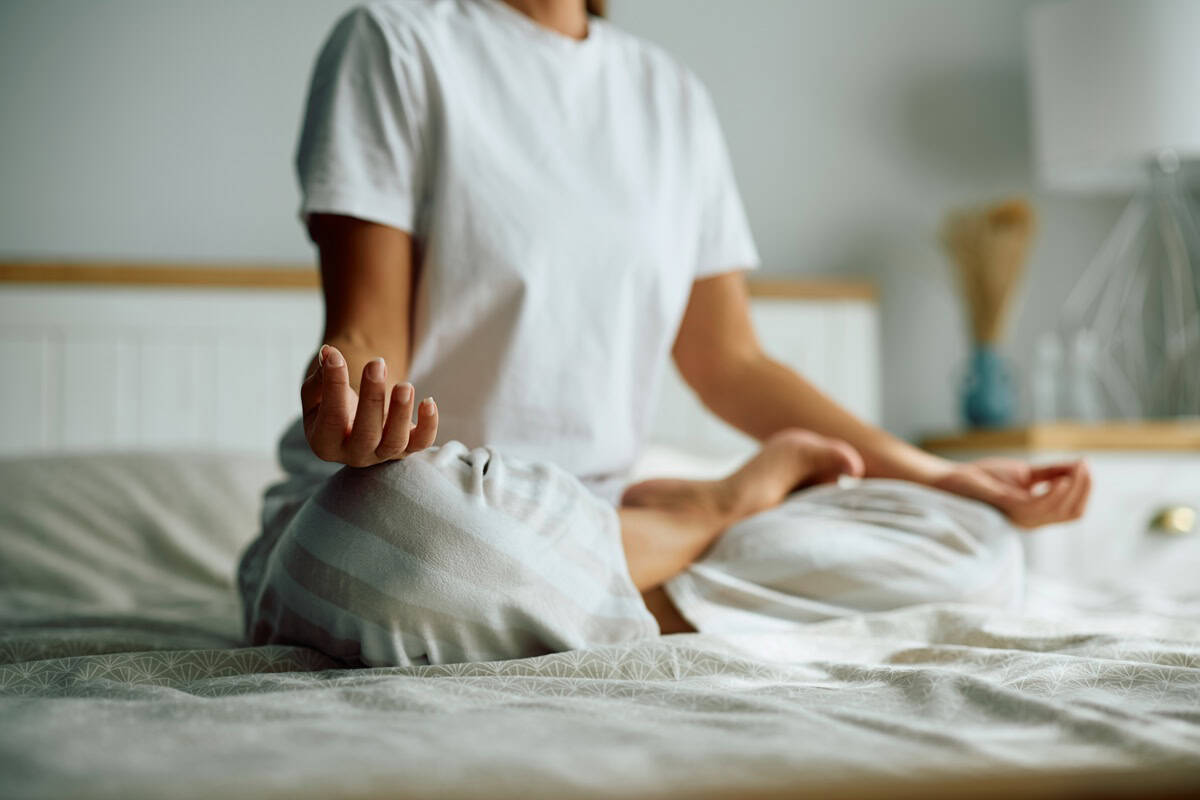
Chronic stress can age your body at a speed that many people do not understand. Therefore, at age thirty, you have reached a time in your life when it is very important to learn and develop techniques to help with managing stress.
These techniques include breathing, movement, creating boundaries around your time, and learning to say no to protect your health. Stress can disrupt the hormones and sleep cycle, along with your overall immunity.
When stress is allowed to go unmanaged, it can eventually lead to burnout. The sooner you learn how to manage your stress, the better chance you have of preserving your energy for the long term. Additionally, a healthy nervous system promotes better long-term health, both physically and emotionally.
9. Take Preventive Health Seriously
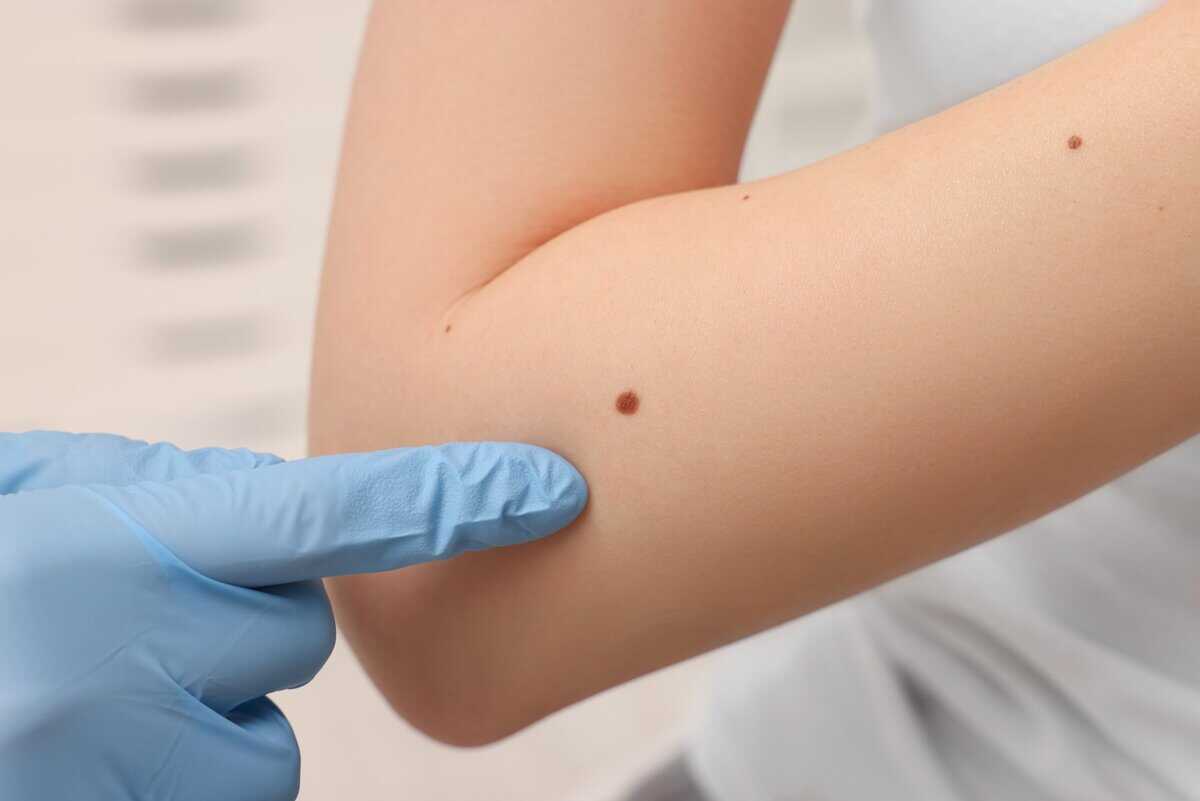
Preventive care prevents future pain. Regular check-ups and screenings, as well as regular dental care, are critical. Small problems that are treated when they are small will not become large future complications.
The longer you wait to treat a symptom, the longer it takes to heal. Becoming aware of your health gives you greater confidence in your health care decision-making.
Learning about your body also empowers you to advocate for your health. Developing preventive lifestyle habits will enable you to live longer. The way you treated your body in earlier ages will determine whether you feel excellent when you reach 60.
10. Develop Financial Awareness

Financial difficulty affects health greatly. By your 30s, basic money management skills could decrease future anxiety. Security must come from budgeting, saving, and planning for the future.
Try not to be perfect; be financially aware instead. A financially stable future will allow you to create choices, giving you flexibility, time for yourself, and better healthcare access as a senior.
You will likely feel great at age 60 if you reduce the stress of financial issues and have more options available to you.
11. Practice Self-Respect Daily

In your 30s, treating yourself with 自重 will shape your reality. This includes respecting yourself through personal boundaries, resting, and acknowledging what you need.
By making decisions based on self-respect, you can avoid burnout and resentment. The way you develop self-respect will also affect your relationships and self-worth. When self-respect becomes part of your daily routine, life becomes easier.
If you want to feel good at age 60, choose yourself today, even if that feels uncomfortable at first.

Born and raised in Bosnia and Herzegovina. Ever since I was a little girl, my imagination knew no bounds. I remember vividly how I’d scribble down short stories, each page bursting with adventures and characters conjured up from the whimsy of my mind. These stories weren’t just for me; they were my way of connecting with my friends, offering them a slice of my fantasy world during our playtimes. The joy and excitement on their faces as we dived into my fictional realms motivated me to keep writing. This early passion for storytelling naturally evolved into my pursuit of writing, turning a childhood hobby into a fulfilling career.