
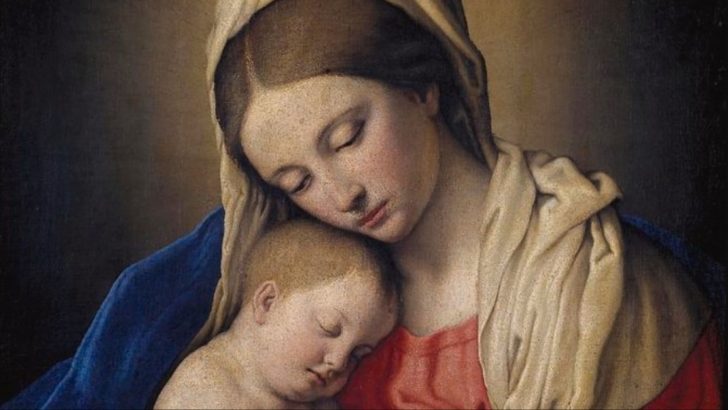
One of the first things you learn while studying art of any kind is that nothing is ever accidental.
A great poet doesn’t go out of their way to include a word that has no weight in the entire text. Likewise, a great painter knows exactly why they include certain elements in their pieces.
The veil is one of the most meaningful objects in Western art, and it’s so rich with meaning!
Let’s see what it means as well as how its importance has 变了 with time.
1. Sacredness
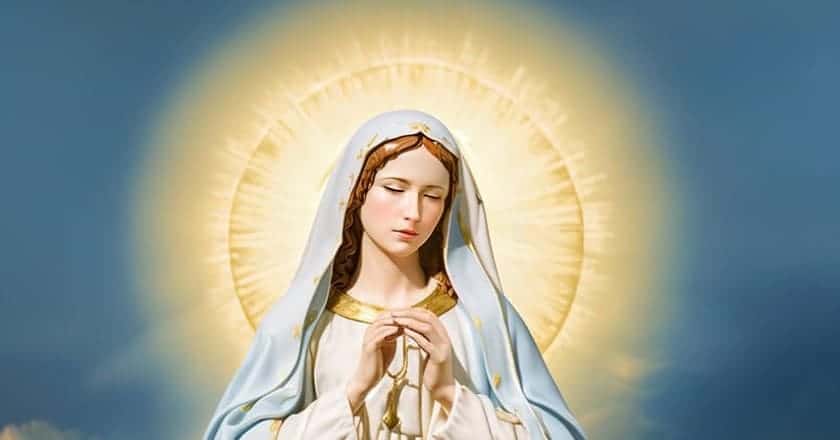
In religious art, especially in depictions of the Virgin Mary, the veil is often carefully merged with her halo.
These aren’t two separate symbols, but a deliberate combination. Botticelli famously did this. He blended the soft fabric with the brightness of the halo.
This meant to tell the viewer that the veil is much more than a head covering. It becomes part of the sanctity!
The woman who’s wearing it is so holy that even her garments are infused with divine blessing!
The blending of fabric and the light is also meant to tell us that the object of the painting isn’t an ordinary human but something closer to the divine.
2. Mystery
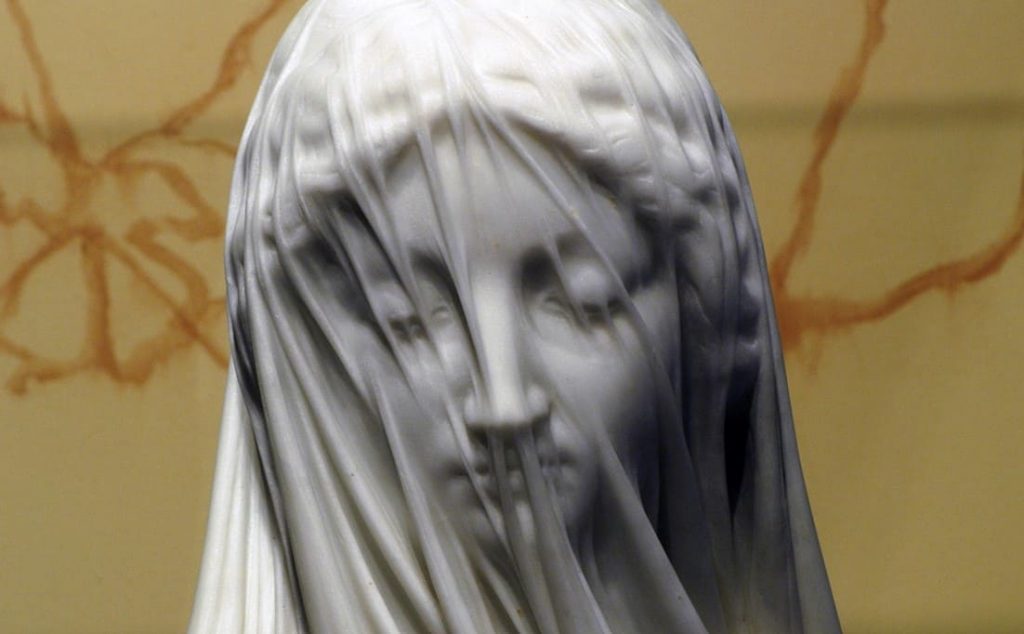
Some of the most beautiful and technically complicated paintings present us with veils that both hide and show the main object.
The face is visible, but we get the feeling that it’s far away and beyond reach. It’s partly concealed, which makes the objects more mysterious.
Baroque artists even achieved this in stone, which remains the most remarkable example of presenting fabric in art.
Naturally, this fabric is never just decorative.
It means that the object is beyond ordinary; this could suggest divinity or simply the beauty of the object.
3. Modesty
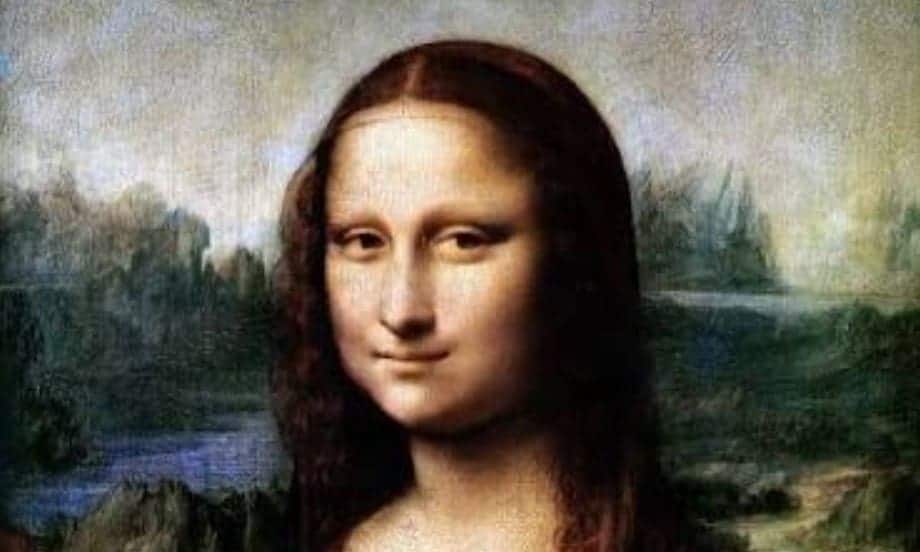
One of the most popular meanings of the veil is modesty, in art and in real life.
Few people notice at first glance that the Mona Lisa has soft fabric draped over her hair.
It’s barely visible, but it’s still expected that an important 15th and 16th-century woman would wear a covering.
In fact, appearing in public with completely uncovered, loose hair was considered low status at the time.
So, the fabric marks her social position and her 美德.
It’s subtle and almost invisible, but that’s alright. Its presence is only symbolic, just like its meaning.
4. Purity and Virtue
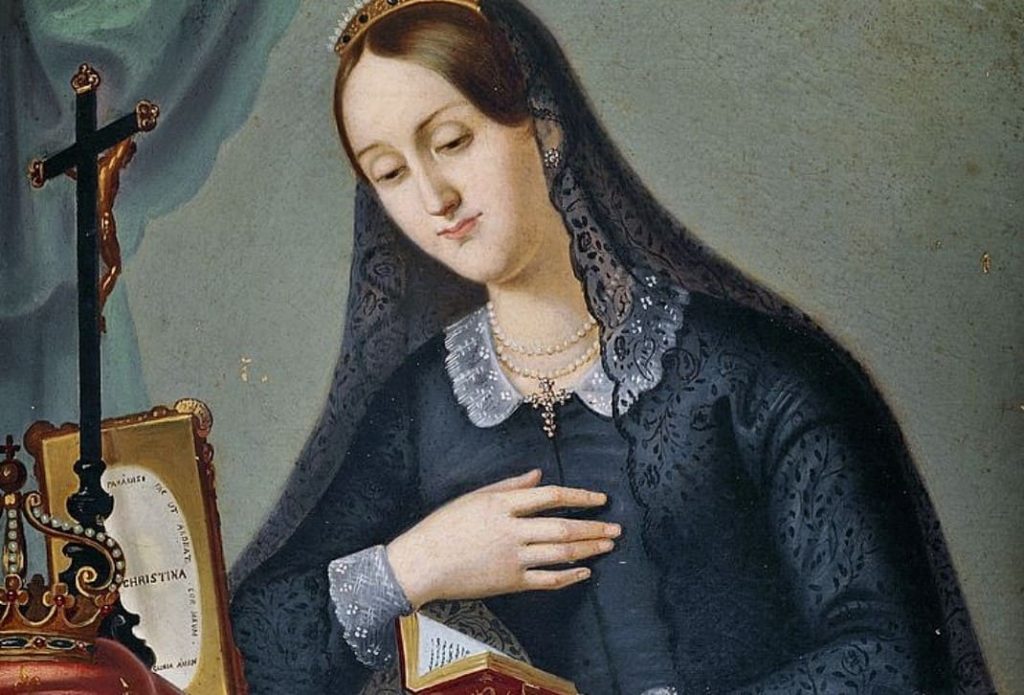
In the 17th and 18th centuries, religious portraits often included praying women who were veiled.
They also often held a religious text, looking as though the painter had interrupted and captured her in a single moment.
ǞǞǞ book and 的 fabric together were meant to highlight her purity and intellect.
Being presented in the middle of reading shows the viewer that she’s not simply performing faith, but living it.
At the time, a woman devoted to God and inner work was seen as the ideal.
All of these elements contribute to the whole idea, but the head covering is the most obvious symbol of purity.
5. Sacred Connection
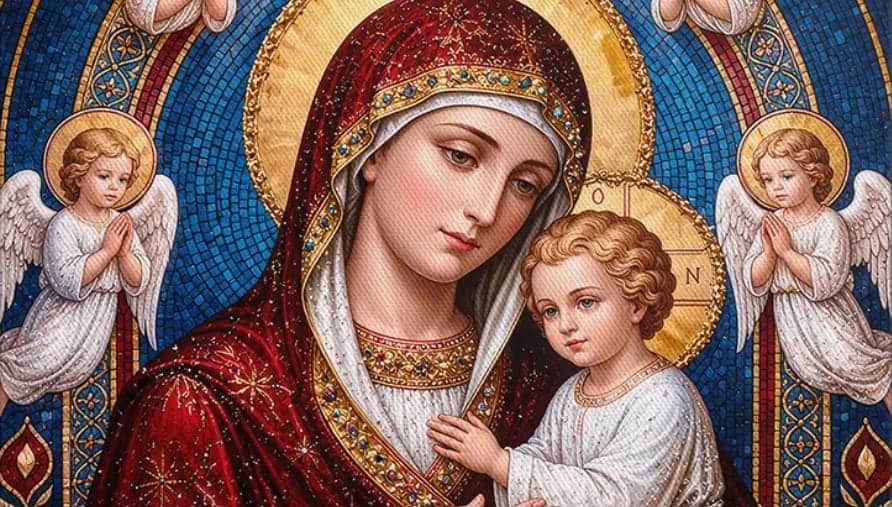
In the paintings that show the Virgin Mary with the child Jesus, the veil carries a beautiful meaning.
You may notice that He frequently reaches for the fabric, like He’s shielding Himself with it. This is the visual expression of their unique bond.
It’s intimate and beautiful even if the two figures were any other mother and child, but it’s especially important in the context of Mary’s connection to the divine.
Jesus Christ is holy and radiant, but Mary’s own holiness still protects him, which is such a touching detail.
6. Foreshadowing
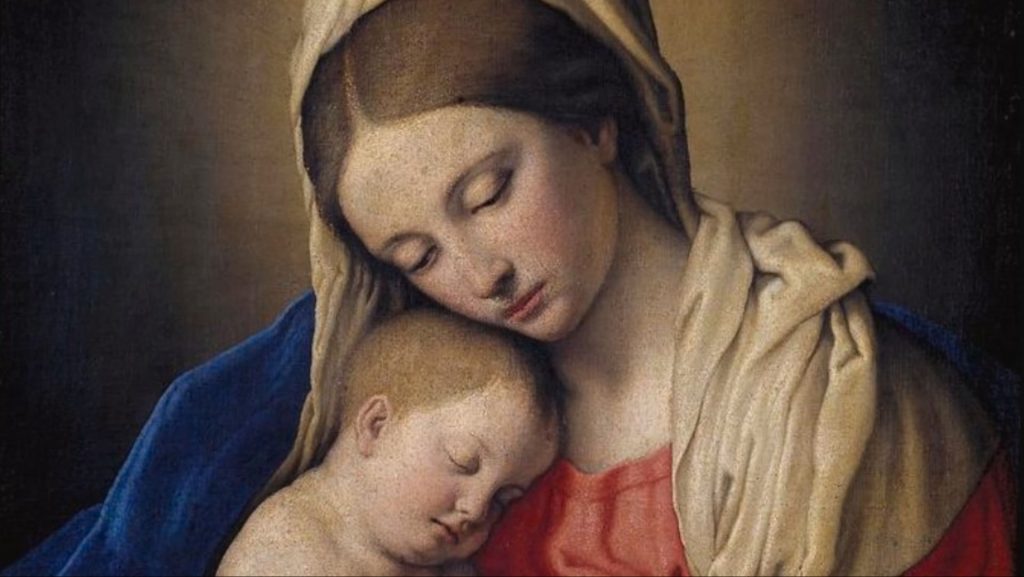
The veil is also used in Christian art as a way to connect the beginning of Christ’s life to the end.
As already mentioned, in paintings that present Him and Mary together, He reaches for the fabric. However, this same fabric is often connected to His burial shroud.
So, He wasn’t only reaching for comfort while trying to touch the fabric, but also toward His own death.
The same fabric that shelters Him as an infant ends up covering Him after the crucifixion.
7. Marriage
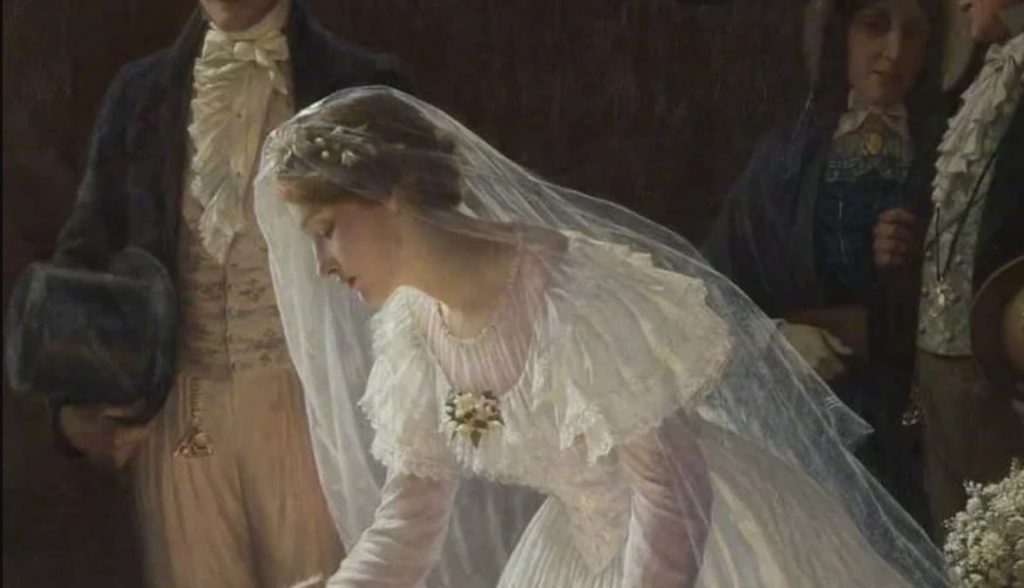
Wedding veils in art are popular symbols of transition. However, the details of how the woman is wearing it reveal some interesting things about her.
In painted wedding scenes from the Victorian period, the weight and positioning of the bridal headpiece revealed her feelings.
Is she holding it herself, or is someone else arranging it? Is she facing toward it or away? Does she seem ready to lift it, or does it weigh on her?
The sheer fabric tells us whether the bride is ready for her new life, and also whether she’s happy with her groom.
At the time, we know for a fact that many marriages were arranged for convenience, so not all paintings presented happy brides.
8. Mourning
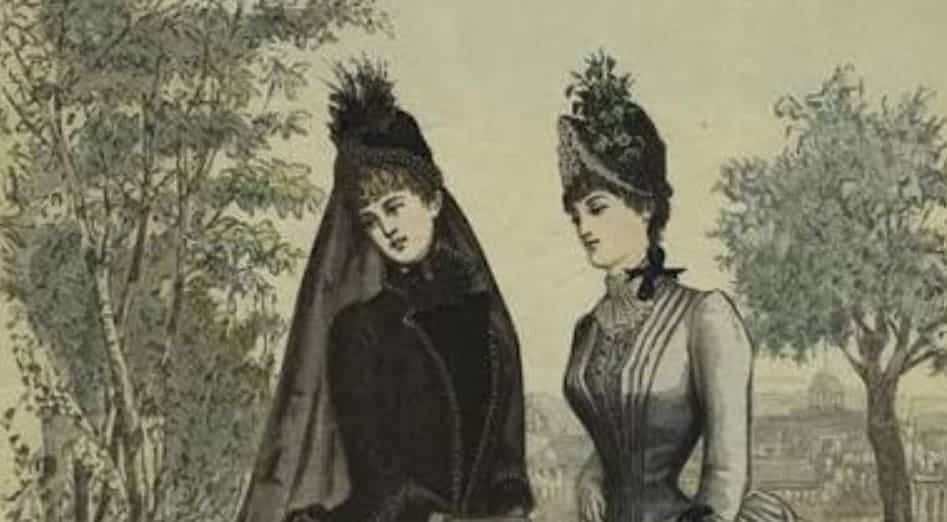
The mourning veil stands apart from all others because it’s black.
ǞǞǞ black fabric is often arranged so that it creates a V-shaped point on the forehead, which lets us know that the object has been widowed.
The V-arrangement was worn by widows for centuries across Europe, and there’s even a term for it: widow’s peak.
All of these details let us know that the loss happened recently, and they also highlight the social status of the woman.
9. Saint Veronica’s Veil
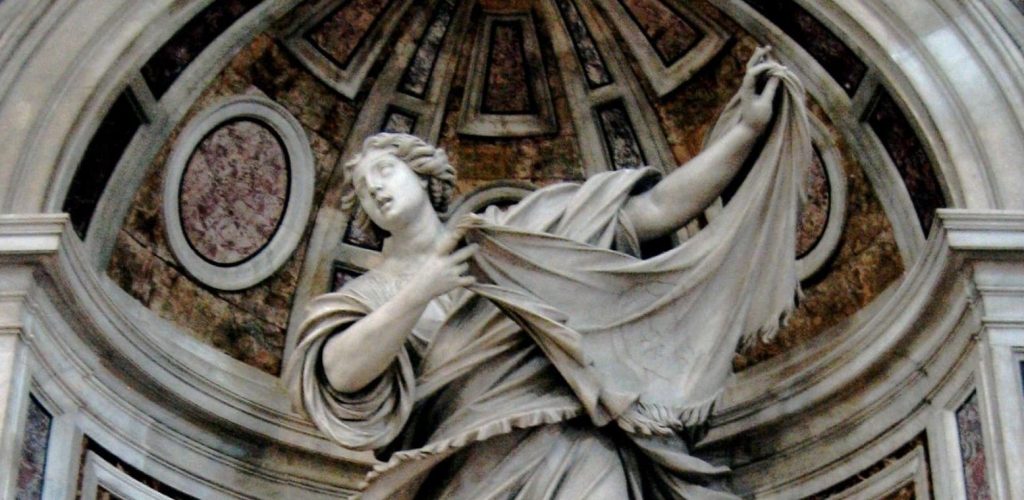
When a woman appears in Western art holding a veil with Christ’s face on it, it’s always St. Veronica.
Though she’s not in the Gospels, St. Veronica became part of Catholic tradition as the follower of Christ who wiped His face as He carried the cross to Golgotha.
Miraculously, she later found the image of His face on the fabric.
This specific piece of cloth represents the material trace of the divine.
It’s a religious relic rather than just any fabric.
10. Technology and Practicality
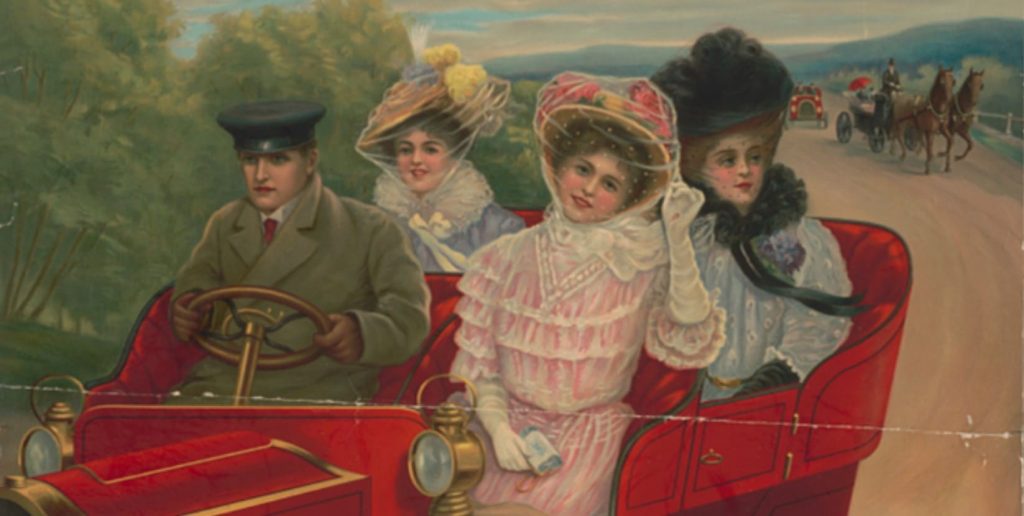
We’re so used to connecting veils to religion and modesty, but it was also used in art to show technological advancements!
ǞǞǞ motor veil was invented in the early 20th century to prevent headscarves from flying away while people drove in cars.
It shows how a centuries-old tradition has adapted to the modern world.
Early cars had no windshields, so people needed to wear something to protect themselves from dust and the elements.
Advertisements from the period show a variety of designs!
At this point, the fabric no longer carries symbolism, only 实用性!

A little Aquarius, devoted to writing and embroidery. Through my writing, I hope to empower readers to align with their true selves and navigate life’s mysteries with confidence.