

The Antichrist is one of the most mysterious and misunderstood figures in spiritual and religious thought.
Depending on who you ask, this figure is a literal person, a symbolic force, or even a state of consciousness. Across centuries, theologians, mystics, and curious minds have tried to decode what (or who) the Antichrist really is.
While popular culture often paints a dramatic, almost cinematic villain, spiritual traditions tend to offer something far more nuanced—and, at times, unsettlingly introspective.
So let’s explore what we actually know, separating fear from meaning and myth from spiritual insight.
1. The Antichrist in Sacred Texts

The idea of the Antichrist primarily comes from Christian scripture, especially the New Testament. Interestingly, the term “Antichrist” appears most clearly in the letters of John, where it’s used not just for a single individual, but for multiple deceivers. This suggests that the Antichrist isn’t only one future figure, but also a recurring presence throughout history.
Spiritually, this opens up a deeper interpretation: the Antichrist represents anything that denies truth, love, or divine connection. It’s less about horns and chaos, and more about subtle distortion—false teachings, manipulation, and ego-driven power. Rather than a sudden arrival, the Antichrist energy may already exist wherever truth is twisted or spirituality is used for control instead of growth.
2. A Symbol of Deception and False Light
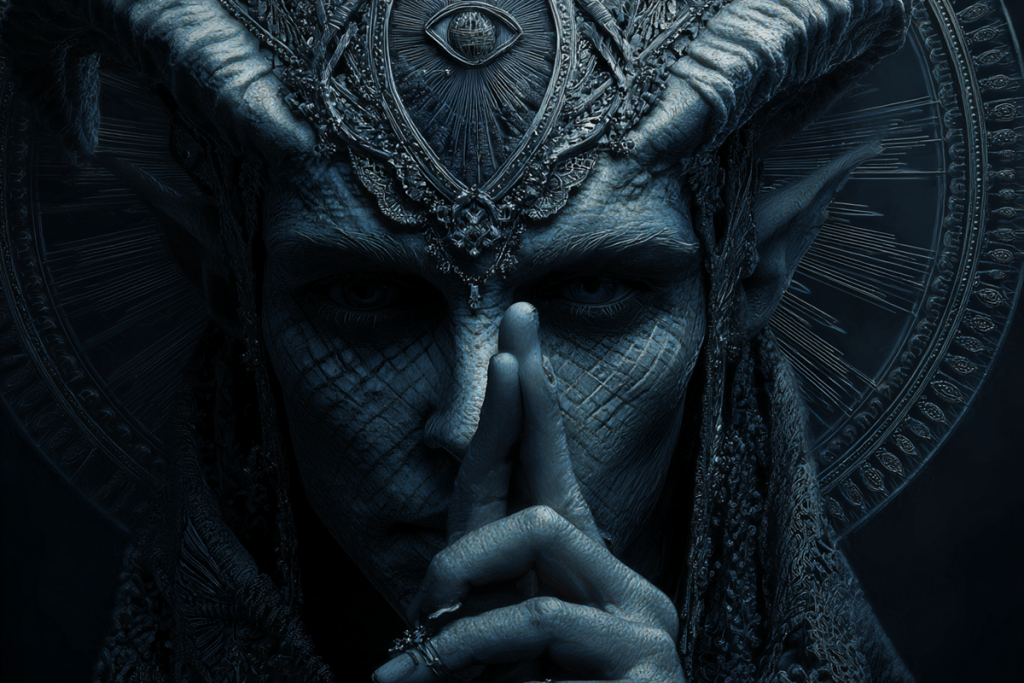
One of the most fascinating spiritual ideas is that the Antichrist doesn’t appear as obvious evil—but as something convincingly good. Many interpretations describe this figure as charismatic, persuasive, and even admired. That’s what makes the concept so spiritually relevant: it challenges discernment.
In a deeper sense, the Antichrist symbolizes “false light”—situations, people, or beliefs that look enlightened on the surface but are rooted in ego, control, or illusion. It’s the difference between genuine spiritual awakening and performative spirituality. This idea invites us to look inward: are we following truth, or are we being swayed by something that simply 感觉 good or powerful?
3. The Antichrist as a State of Consciousness
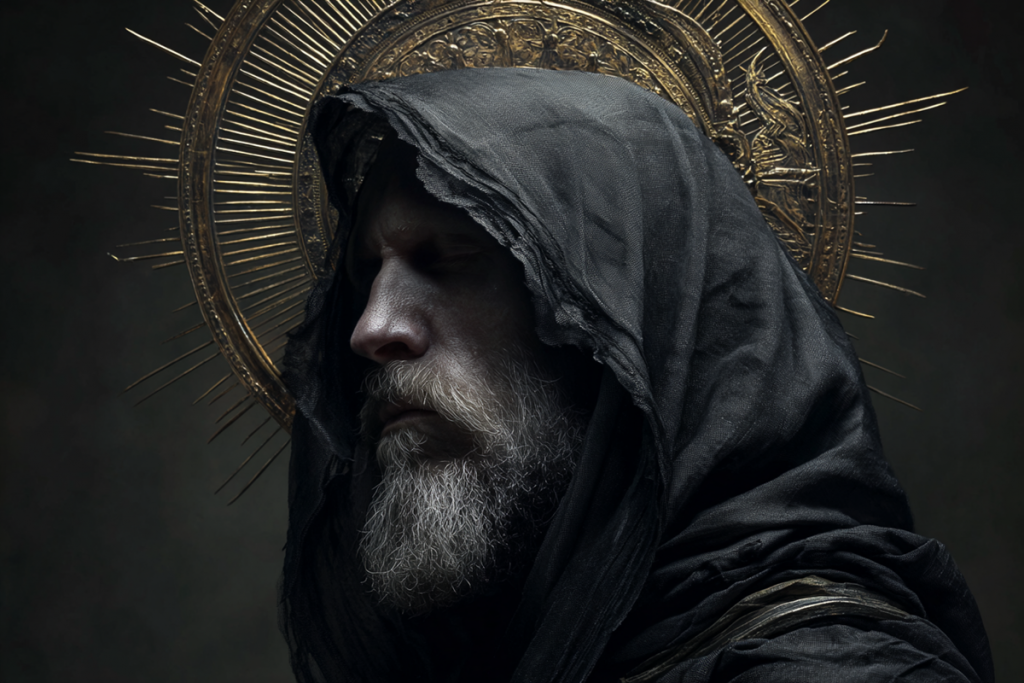
Some spiritual perspectives move away from the idea of a physical person entirely. Instead, they frame the Antichrist as a state of being. In this view, the Antichrist represents the dominance of ego over soul—the moment when materialism, pride, and separation take priority over compassion, unity, and higher awareness.
This interpretation can be a little uncomfortable, because it suggests the Antichrist isn’t just “out there”—it can show up within us. Moments of jealousy, manipulation, or disconnection from empathy can all reflect this energy on a small scale. But rather than being frightening, this perspective is empowering: if the Antichrist is a state, then awareness and growth can counter it.
4. End Times and Prophecy

In more traditional interpretations, the Antichrist is linked to end-times prophecy—a figure who rises to power during a period of chaos and transformation. This version often includes themes of global influence, deception, and a dramatic confrontation between good and evil.
Spiritually, though, “end times” doesn’t necessarily mean the literal end of the world. Many interpret it as the end of an era or a major shift in collective consciousness. In that sense, the Antichrist could symbolize the final test before awakening—a moment where humanity must choose between fear and truth, illusion and clarity.
Rather than predicting doom, this interpretation frames the Antichrist as part of a larger cycle of transformation—where darkness surfaces not to win, but to be recognized and transcended.
5. Why the Antichrist Still Matters Today
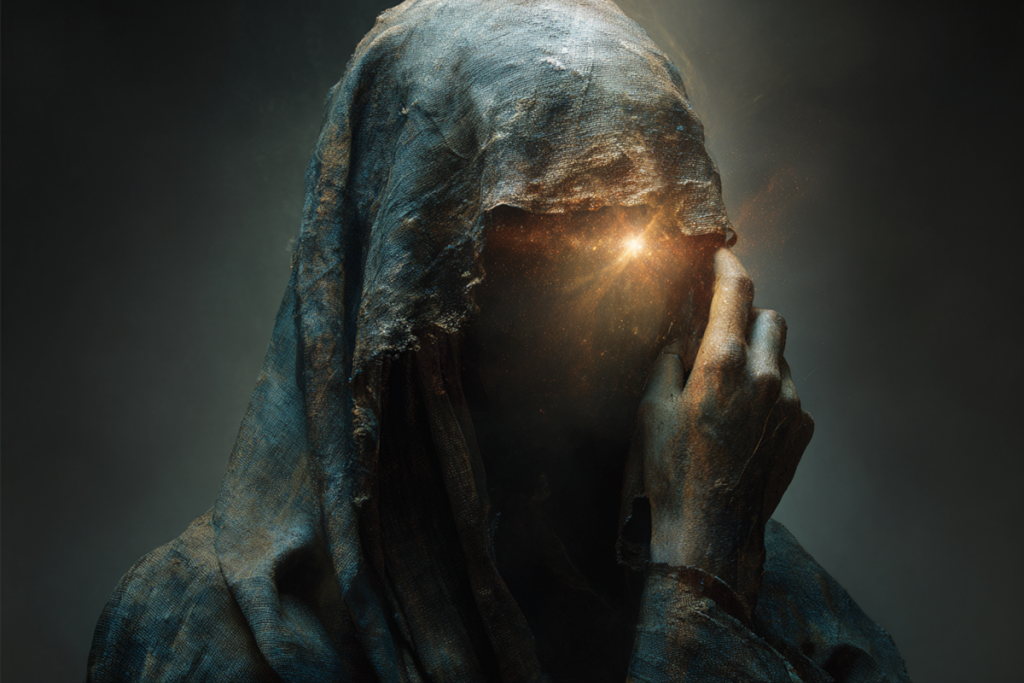
Even if you don’t believe in a literal Antichrist, the concept remains deeply relevant. It serves as a spiritual mirror, asking us to question what we believe, who we trust, and how we align with truth.
In a world full of information, influence, and persuasion, the idea of the Antichrist reminds us to stay grounded in discernment. Not everything that shines is light, and not every confident voice speaks truth. Spiritually, the lesson isn’t to live in fear—it’s to cultivate awareness, integrity, and connection to something deeper than appearances.
6. Final Thoughts

The Antichrist isn’t just a figure to fear—it’s a concept to understand. Whether seen as a person, a force, or a state of consciousness, it ultimately points to the tension between truth and illusion within the human experience.
And perhaps the most spiritual takeaway of all is this: the more we align with truth, compassion, and awareness, the less power any “Antichrist” energy can truly have.

Lover of good music, reading, astrology and making memories with friends and spreading positive vibes! 🎶✨I aim to inspire others to find meaning and purpose through a deeper understanding of the universe’s energies.