
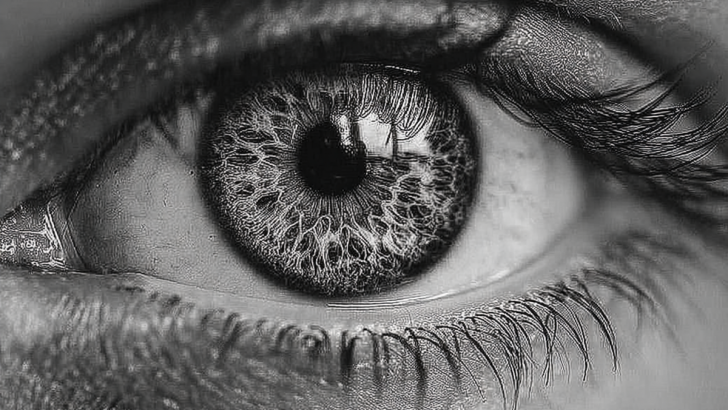
People have been trying to figure out personality traits from physical features since the dawn of humanity—or at least since someone looked at a mysterious stranger and thought, “Those eyes definitely say something.” Eye color has long been wrapped in myths, stereotypes, and even a few scientific studies. While your eye color absolutely does 不 determine your destiny, your dating style, or whether you secretly own a pet raven, researchers have explored small correlations between eye color and behavior, pain tolerance, or temperament.
So no, brown-eyed people aren’t automatically sweet, blue-eyed people aren’t all icy supervillains, and green-eyed people didn’t emerge from enchanted forests. Still, certain patterns and cultural perceptions have stuck around for years. Think of this less as scientific law and more as personality astrology’s very practical cousin: interesting, weirdly relatable, and suspiciously accurate at times.
1. Brown Eyes: The “Accidentally Became the Group Therapist” Energy
Brown eyes are the most common eye color in the world, which means statistically, brown-eyed people have been carrying civilization on their backs for centuries. They often get associated with warmth, reliability, and trustworthiness—the human equivalent of a weighted blanket and a fully charged phone battery.
People tend to perceive brown-eyed individuals as approachable and kind. Somehow, they become the friend everyone texts with messages beginning, “Can I vent for a second?” They didn’t apply for this position. They were appointed by the universe.
Brown-eyed people also have a reputation for being grounded and emotionally steady. Not necessarily 平静, because there is a difference. A person can be internally spiraling while externally saying, “No worries!” with Olympic-level composure.
The funny thing is that brown eyes often get unfairly overlooked because they’re common. Meanwhile, brown eyes can range from honey shades to nearly black and have enough variation to make people suddenly say, “Wait… your eyes look different in sunlight.” Brown-eyed people spend their lives hearing this and pretending they haven’t heard it 800 times before.
Basically: dependable, warm, adaptable—and perpetually one emotional crisis away from becoming everyone’s unpaid therapist.
2. Blue Eyes: Calm on the Outside, Competitive on the Inside
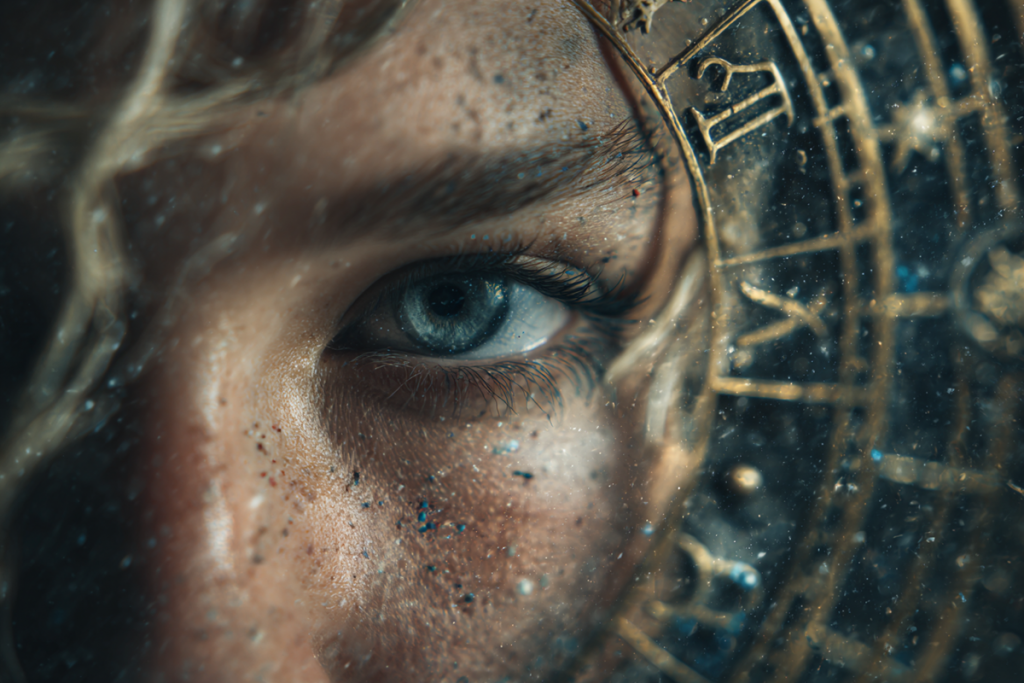
Blue eyes have long had a reputation for appearing calm, cool, and mysterious. Maybe it’s because icy blue eyes make people look like they know ancient secrets or own at least one expensive coat.
Research has occasionally linked blue eyes with higher pain tolerance in some situations, though findings are mixed. Naturally, the internet translated this into: “Blue-eyed people are emotionally indestructible warriors.” That may be a slight exaggeration.
Blue-eyed individuals often get stereotyped as reserved or hard to read. But beneath the composed exterior may be someone quietly treating everyday activities like a championship event. Friendly board game? Suddenly there are strategies. Casual trivia night? There is now a five-step plan.
They’re often perceived as thoughtful and self-contained, which can accidentally create a mysterious aura. In reality, many blue-eyed people are simply thinking about whether they left food in the microwave three hours ago.
Their superpower is looking composed while internally buffering.
3. Green Eyes: Main Character Syndrome, But Make It Mysterious
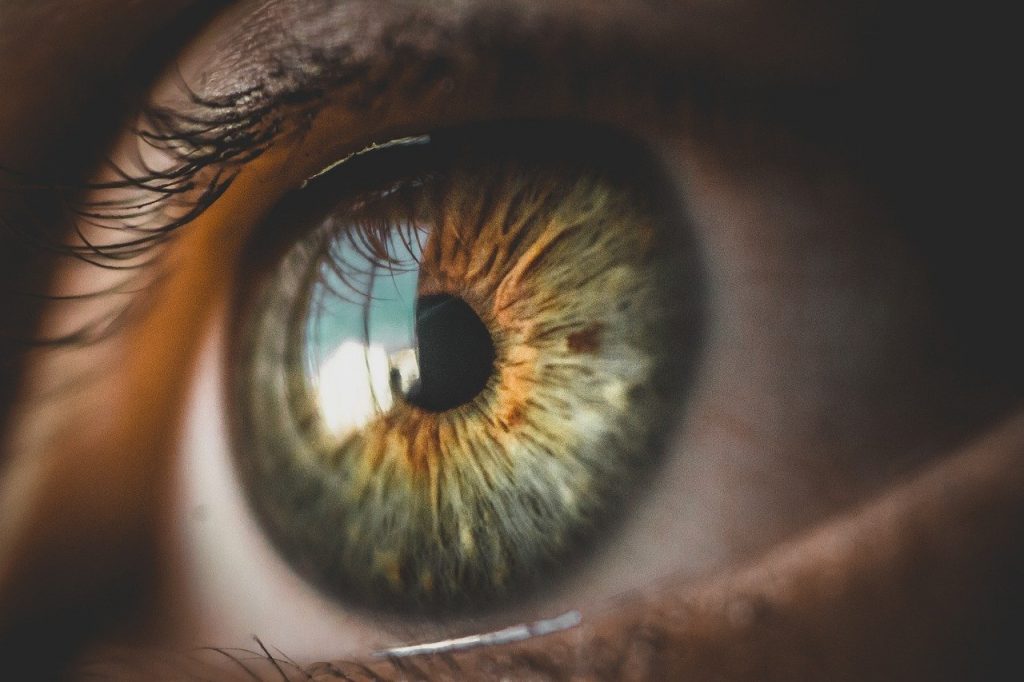
Green eyes are rare, and humanity reacts to rarity exactly as expected: by creating legends, mystery, and a little dramatic nonsense around it.
Green-eyed people often get stereotyped as creative, passionate, and slightly unpredictable. Not chaotic necessarily—just possessing the energy of someone who could either write poetry at midnight or suddenly decide to move across the country because “the vibe felt right.”
People frequently perceive green eyes as intriguing because they’re uncommon. Green-eyed individuals may spend half their lives hearing, “Whoa, your eyes are so cool,” while trying to buy groceries in peace.
Historically, green eyes have also been associated with jealousy—the whole “green-eyed monster” thing. Which is unfair. Eye color itself isn’t making anyone suspicious because their partner liked an old social media post from 2019.
Green-eyed people often give off “mysterious protagonist” energy even if they’re doing completely ordinary things like searching for coupons online.
4. Hazel Eyes: Personality DLC Included
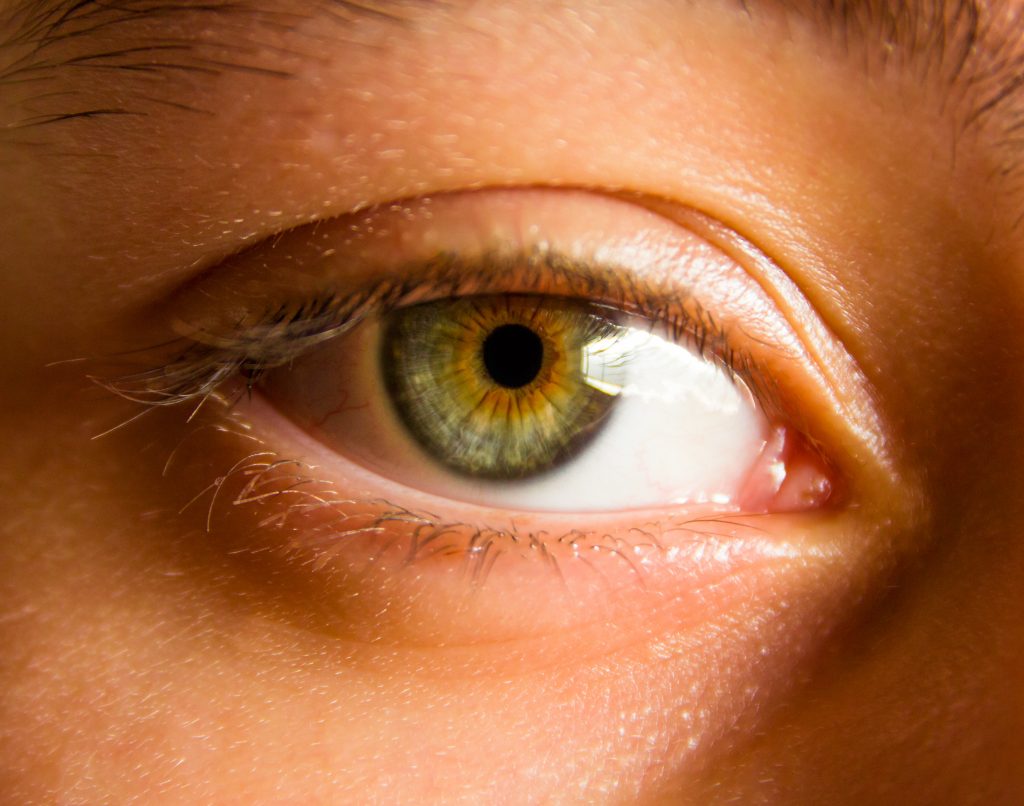
Hazel eyes truly refused to pick a side. Brown? Green? Gold? A little of everything? Hazel eyes looked at the color wheel and said, “Yes.”
Because hazel eyes can appear different depending on lighting, people often connect them with adaptability and unpredictability. They can look green one minute and brown the next, which somehow creates the illusion that hazel-eyed people are shape-shifting emotionally.
Hazel-eyed individuals are often described as adventurous and flexible. They seem like people who can spontaneously agree to road trips but also somehow have emergency snacks ready.
Their energy says: “I’ll absolutely do something impulsive—but responsibly.”
Hazel eyes also tend to attract comments from people who stare a little too long trying to identify the color. Hazel-eyed people have spent years enduring conversations that sound like color analysis debates:
“Wait… are they green?”
“No, brown.”
“Actually gold?”
Meanwhile, the owner of the eyes is just trying to order coffee.
5. Gray Eyes: Human Fog Machine of Mystery
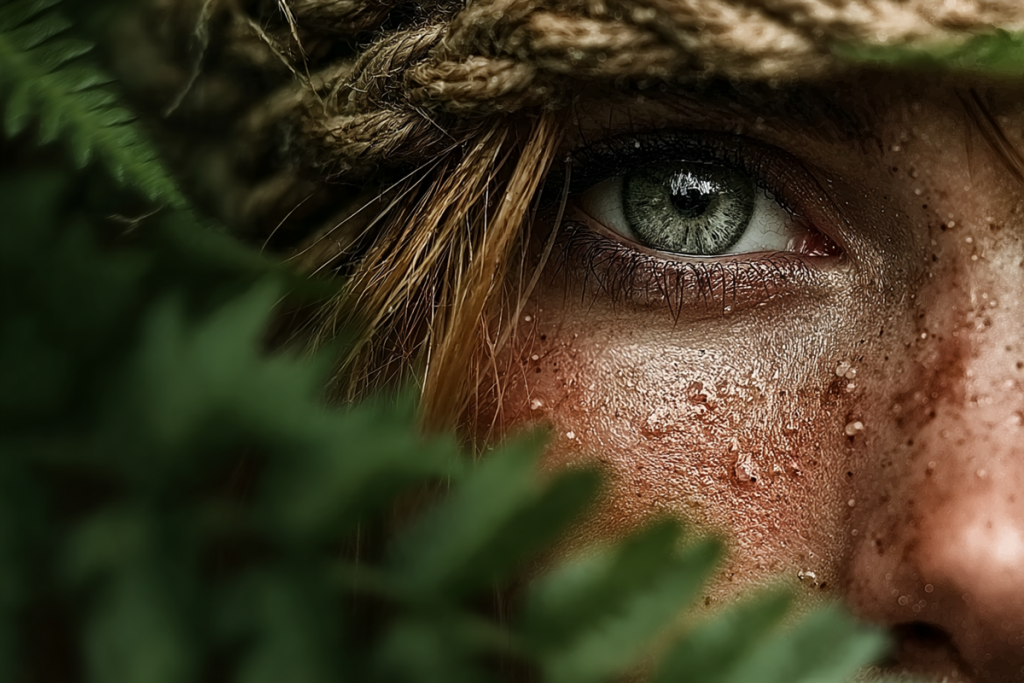
Gray eyes are among the rarest eye colors, which automatically gives them an unfair advantage in the mystery department.
Gray-eyed individuals often get perceived as balanced and thoughtful, though also difficult to read. People project a lot onto gray eyes because they seem to shift depending on light and surroundings. In one room they look stormy and intense; in another they say, “friendly accountant.”
Gray eyes carry a reputation for emotional depth and quiet strength. Whether that’s true or not, gray-eyed people definitely benefit from looking like they have a dramatic backstory.
They can sit silently near a window and accidentally resemble the lead character in an independent film about personal growth.
In reality, many gray-eyed people are just regular humans trying to remember passwords and wondering whether leftovers are still edible.
Still, if eye colors had movie casting roles, gray eyes would absolutely get cast as “person with secrets.”
6. Conclusion
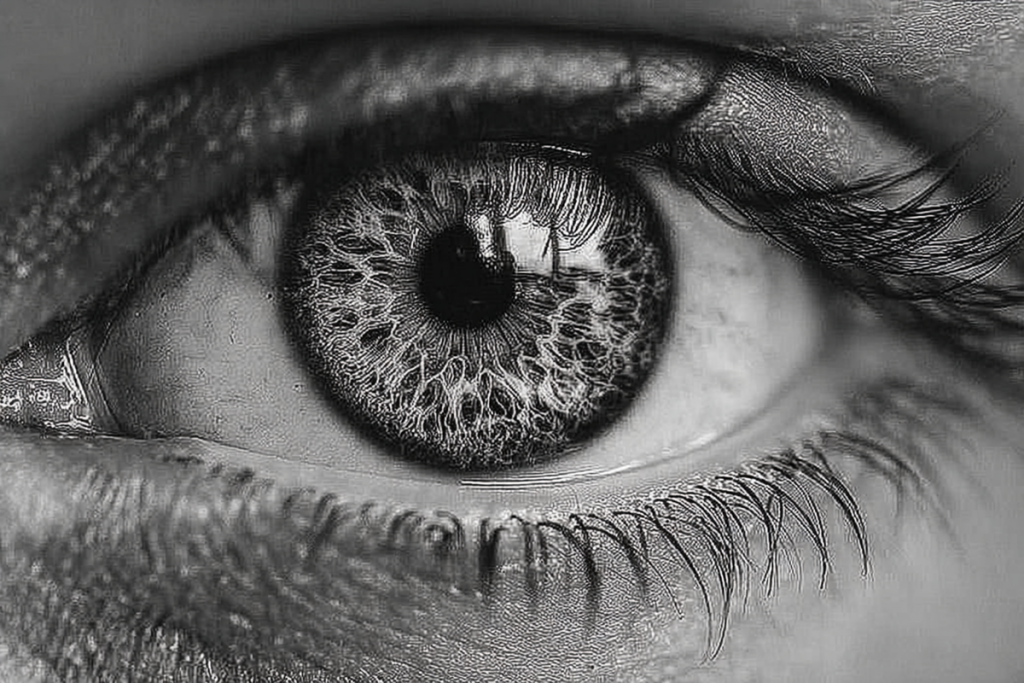
Eye color may shape first impressions, but personalities are far more complicated than genetics and pigment. Still, it’s fun to admit that sometimes people really do match the strange energy their eyes seem to give off.
And if you read your section and thought, “Okay, why is this weirdly accurate?”—congratulations. Humanity remains extremely committed to finding meaning in absolutely everything.

Lover of good music, reading, astrology and making memories with friends and spreading positive vibes! 🎶✨I aim to inspire others to find meaning and purpose through a deeper understanding of the universe’s energies.