
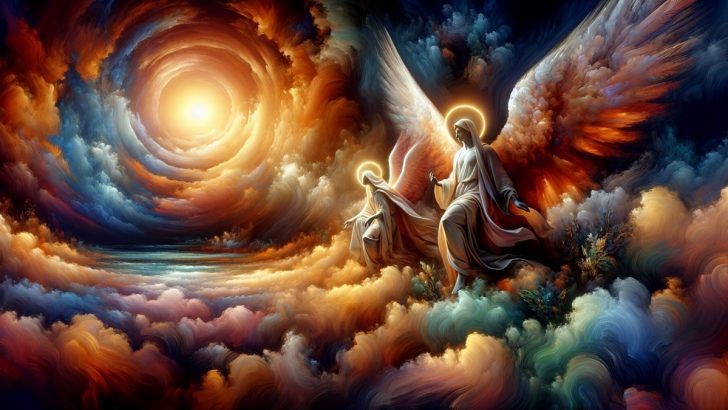
If you thought angels were all harp music, glowing halos, and polite cloud-sitting—allow me to introduce you to the Watchers, the Bible’s (and adjacent texts’) most chaotic “we had one job” group project. These figures show up most famously in the Book of Enoch, expanding on a mysterious passage from the Book of Genesis about the “sons of God” interacting with humans.
The Watchers were supposed to observe humanity. Just watch. No interference. No… extracurricular activities. And yet, things escalated quickly—like, “rewrite-the-course-of-human-history” quickly. Let’s break down who they were, what they did, and why they definitely would’ve been banned from any celestial group chat.
1. The Watchers Themselves (a.k.a. Heavenly Supervisors Who Took It Too Far)
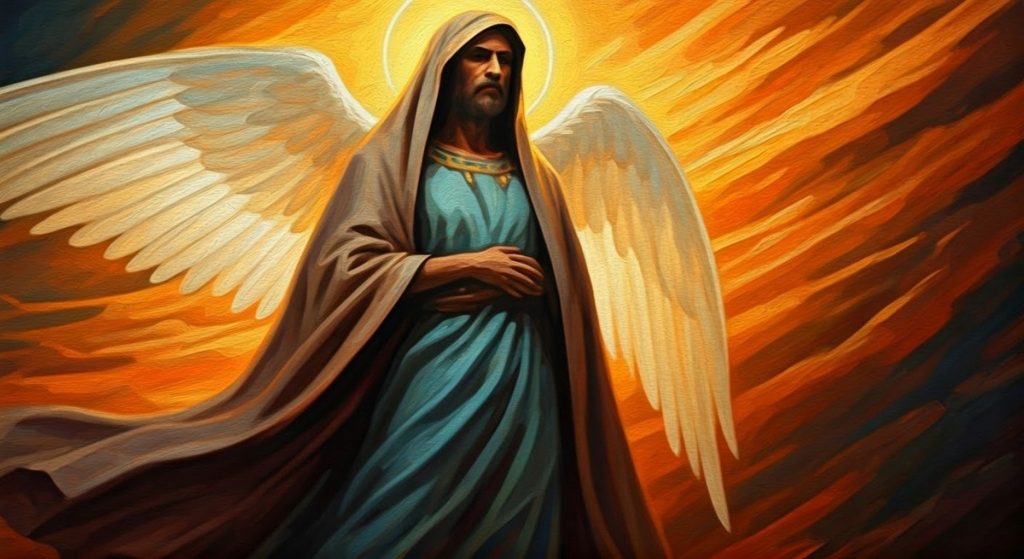
The Watchers—also called “Grigori”—were angels assigned to observe humanity. Think of them as divine supervisors, sent to keep an eye on Earth without getting involved. Simple enough, right?
Well… not exactly. According to the Book of Enoch, these angels became a little too interested in human life—specifically, human women. What started as observation turned into desire, and desire turned into a full-blown rebellion against divine boundaries.
Instead of staying neutral, they chose to descend to Earth and fully immerse themselves in human affairs. It’s the ultimate case of “you had one rule.” And they broke it spectacularly.
The Watchers represent a fascinating idea: that even divine beings can fall, not necessarily out of pure evil, but out of curiosity, temptation, and the desire to experience something forbidden. Relatable? Maybe. Consequences? Extremely.
2. Semjaza (a.k.a. The Leader Who Should’ve Known Better)
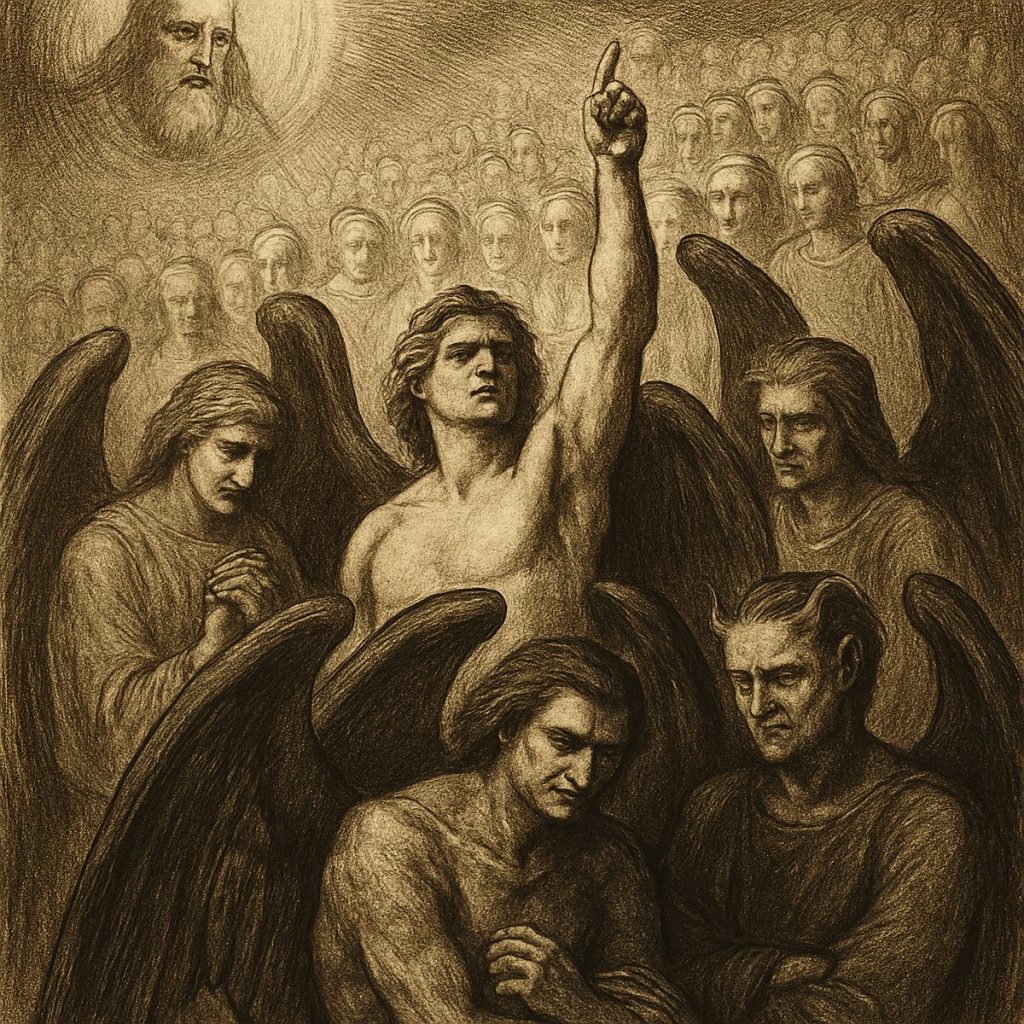
Every chaotic situation has that one leader who says, “Let’s do it,” and everyone else just… follows. Enter Semjaza (also spelled Shemihazah), the alleged ringleader of the Watchers’ descent.
According to the Book of Enoch, Semjaza wasn’t just casually involved—he actually organized the rebellion. He even made the other Watchers swear an oath together, like a very dramatic pact, so no one would back out at the last minute. Commitment? Impressive. Judgment? Questionable.
Semjaza’s story highlights how group dynamics can escalate bad ideas into irreversible decisions. Alone, maybe none of them would’ve acted. Together? Suddenly it’s a full-scale cosmic scandal.
He’s the kind of leader who inspires loyalty—but also leads everyone straight into trouble. History (and mythology) is full of them.
3. Azazel (a.k.a. The Guy Who Taught Humanity… Way Too Much)
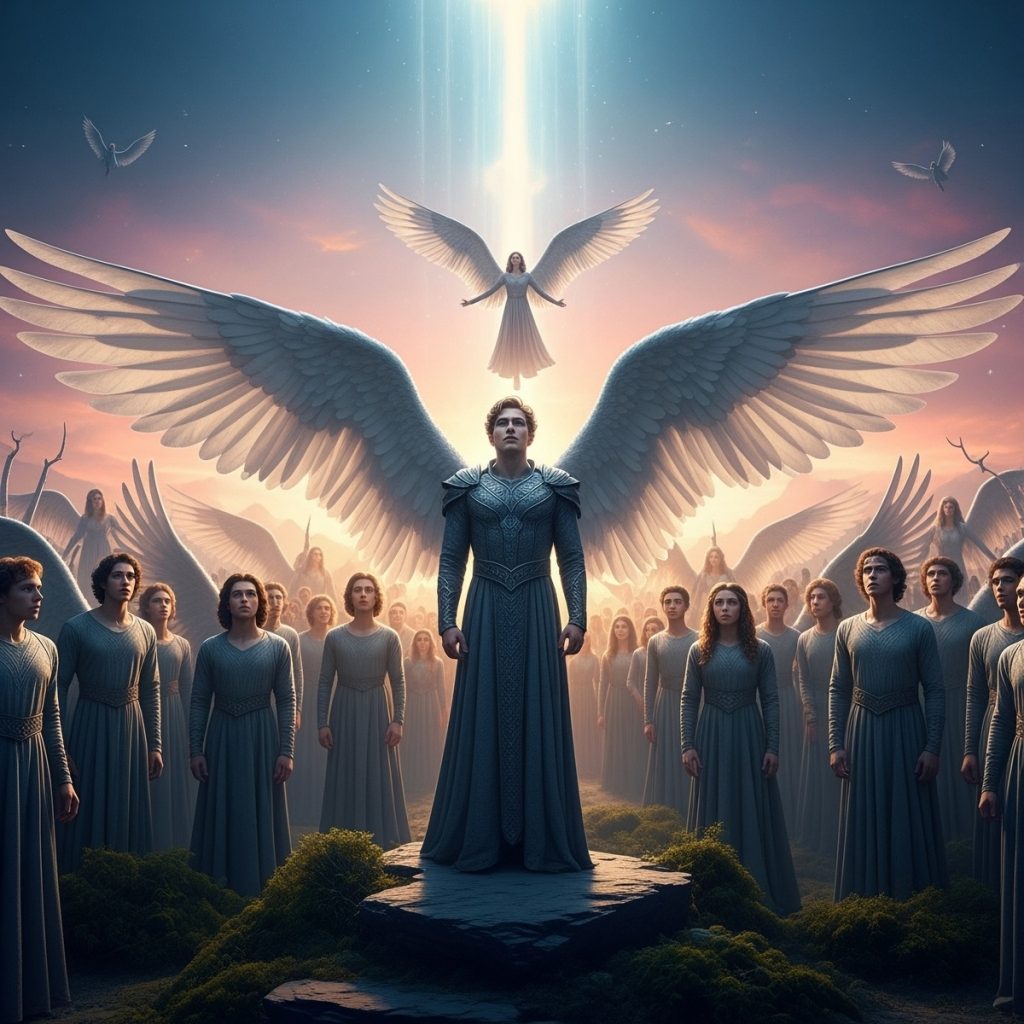
If the Watchers’ story had a “this is where it really went wrong” moment, Azazel would be standing right there, holding a toolkit and a list of forbidden knowledge.
Azazel is famous for teaching humans things they were definitely not ready for—like weapon-making, metalworking, cosmetics, and other advanced skills. Sounds helpful? In theory, yes. In practice, it accelerated violence, vanity, and societal imbalance.
It’s like giving a group of toddlers access to power tools and expecting everything to go smoothly.
Azazel represents the dangerous side of knowledge—specifically, knowledge without wisdom. The idea isn’t that learning is bad, but that timing and intention matter. Humanity gained power, but not necessarily the maturity to handle it.
And just like that, the Watchers’ influence went from questionable to catastrophic.
4. The Nephilim (a.k.a. The Giants Who Were Definitely Not Subtle)

When the Watchers crossed the line and took human wives, the result was the Nephilim—giant, powerful beings described as the offspring of angels and humans.
Mentioned briefly in the Book of Genesis and elaborated in the Book of Enoch, the Nephilim are often portrayed as massive, violent, and… not exactly great for society. Think less “gentle giants” and more “unstoppable forces of chaos.”
Their existence symbolizes the consequences of breaking natural (or divine) boundaries. They weren’t just physically imposing—they disrupted the balance of the world, consuming resources and spreading destruction.
Basically, if the Watchers’ actions were the cause, the Nephilim were the very visible, very loud effect.
5. The Punishment (a.k.a. When God Said “Absolutely Not”)
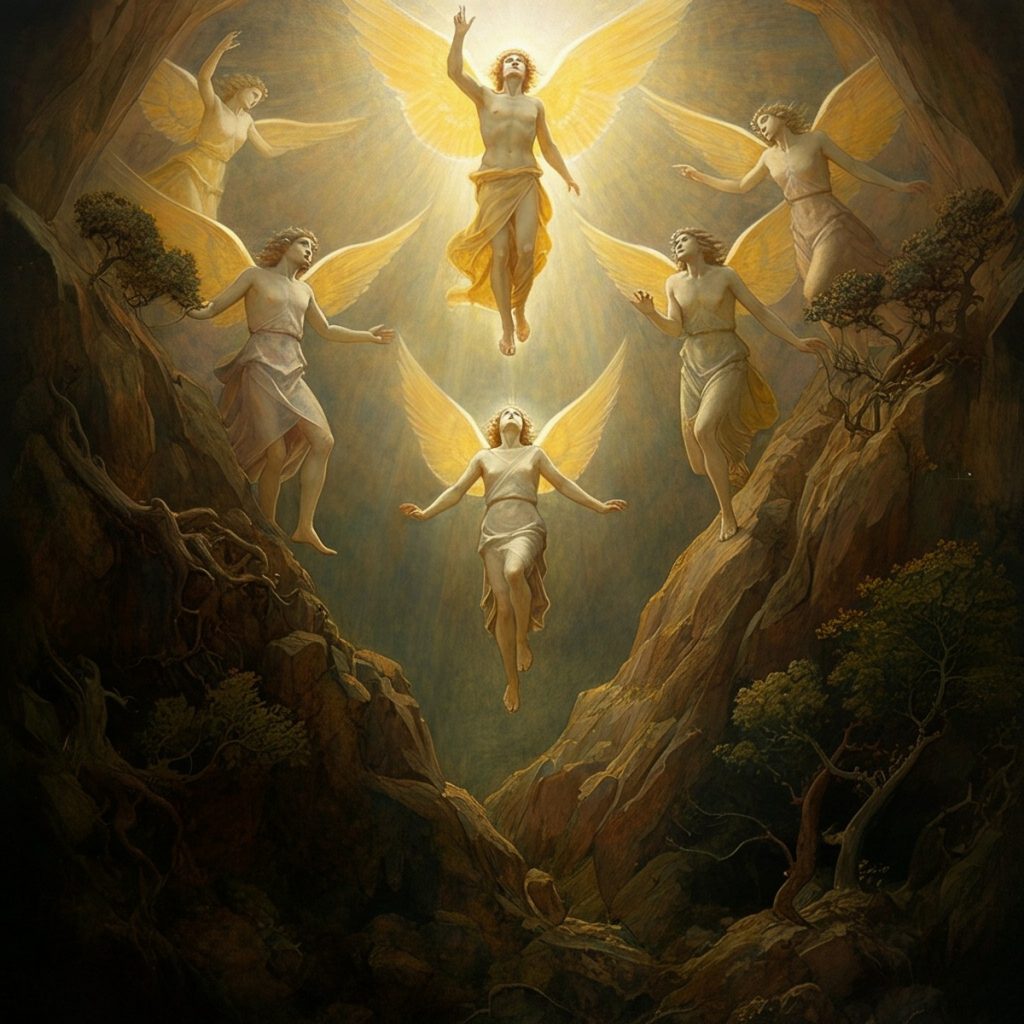
As you might expect, this whole situation didn’t go unnoticed. According to the Book of Enoch, divine judgment came swiftly—and decisively.
The Watchers were condemned for their actions. Some were bound and imprisoned, others were cast down, and their influence over humanity was cut off. The Nephilim? Their fate was equally grim, often described as being wiped out as part of a broader cleansing of the earth.
This part of the story emphasizes accountability. The Watchers weren’t punished just for breaking rules—they were punished for the consequences of their choices. Their actions had reshaped humanity in harmful ways, and the response was meant to restore balance.
In other words: even celestial beings aren’t above consequences.
6. Why You Probably Didn’t Hear About Them (a.k.a. The “It’s Complicated” Explanation)
So if this story is so dramatic, why isn’t it front and center in every Bible lesson?
The answer lies in the fact that the Book of Enoch isn’t part of the standard biblical canon for most traditions (though it is considered scripture in the Ethiopian Orthodox Church). That means the detailed Watchers narrative didn’t make it into the versions of the Bible most people read today.
However, the core idea—mysterious divine beings interacting with humans—still lingers in passages like those in the Book of Genesis. The Watchers are essentially the extended lore, the “director’s cut” of a very brief and cryptic storyline.
So it’s not that the story was erased—it’s just that it lives slightly off to the side, waiting for curious readers to stumble upon it and go, “Wait… what happened here?”

Lover of good music, reading, astrology and making memories with friends and spreading positive vibes! 🎶✨I aim to inspire others to find meaning and purpose through a deeper understanding of the universe’s energies.