
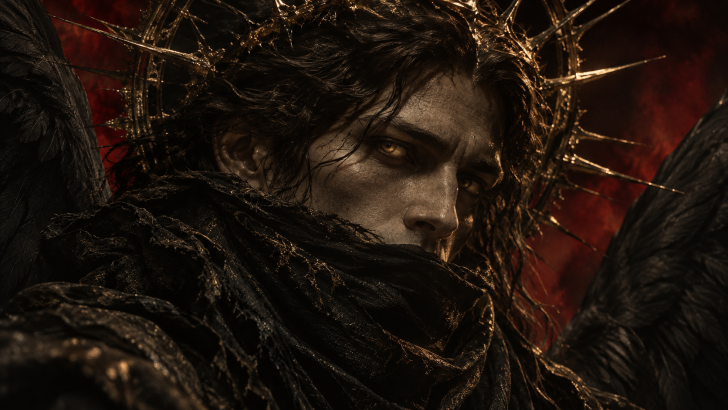
Some biblical figures are frightening because Scripture tells us exactly what they can do.
Abaddon is frightening because it tells us just enough.
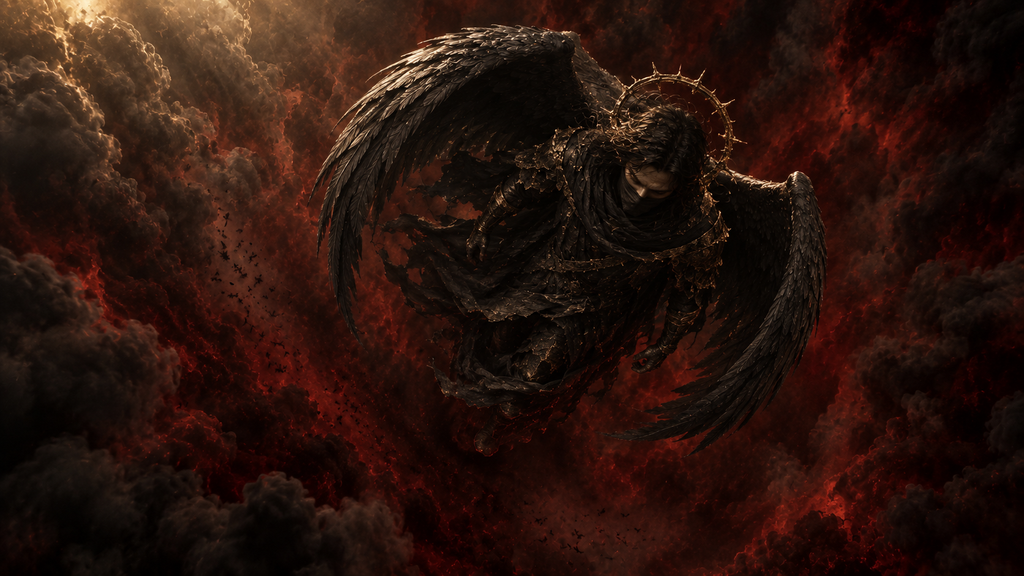
In Revelation, he appears as the angel of the Abyss and the king of a terrifying army released during judgment.
And everything about him points toward destruction.
1. His Name Is a Warning
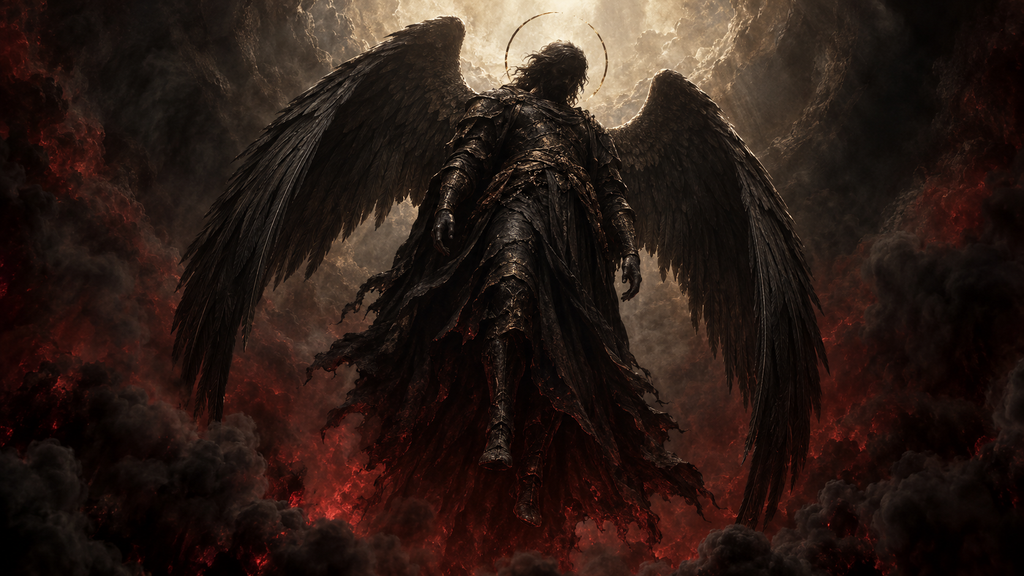
Revelation gives this angel two names.
In Hebrew, he’s called Abaddon. In Greek, he’s called Apollyon. Both names carry the meaning of destruction, and Revelation translates that meaning plainly: the Destroyer.
This isn’t a frightening title added by later storytellers. It’s the name Scripture gives him.
And there’s nothing subtle about it.
Many biblical names reveal something about the person carrying them, but Abaddon’s name reveals what follows in his presence.
He isn’t introduced as a tempter, deceiver, or accuser. His identity is connected with devastation itself.
Before we’re told anything about his appearance, history, or exact nature, we’re told what he represents.
Something is about to be destroyed.
2. His Name Once Described a Place of Ruin
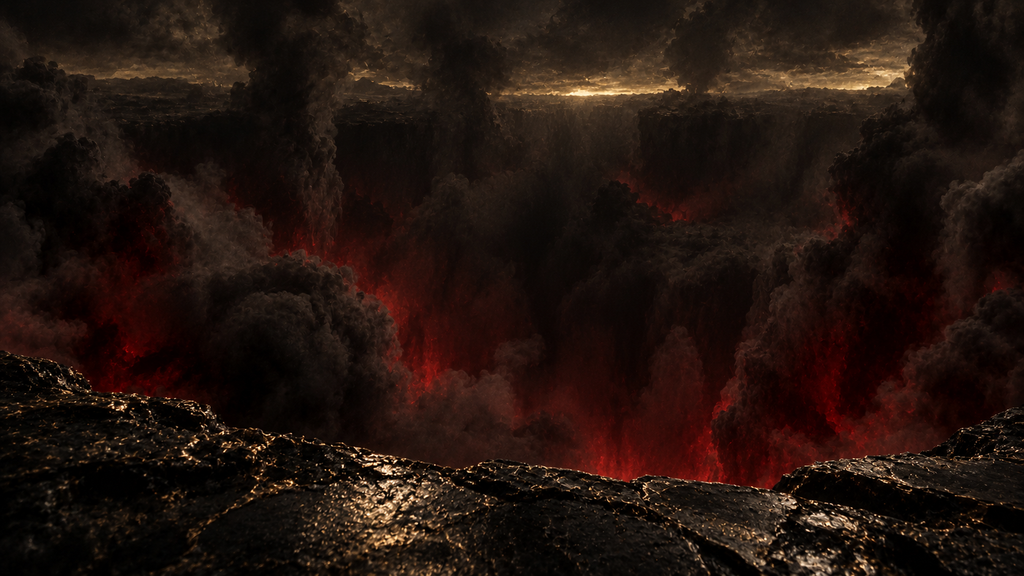
Abaddon doesn’t first appear in Revelation.
The name already exists in the Old Testament, though it doesn’t clearly describe an individual there. It refers to destruction or a place of ruin instead, often appearing beside Sheol and Death.
In Job, Abaddon lies uncovered before God. Proverbs describes it as something that can never be satisfied, while Psalm 88 connects it with the silence of the grave.
So before Revelation gives Abaddon a voice or an army, the name already belongs to a place nobody wants to reach.
That makes his later appearance even more disturbing.
The place of destruction seems to take on a personality. The darkness has a ruler now, and the name of the realm has become the name of its king.
3. He Rules What Had to Be Locked Away

Abaddon is called the angel of the Abyss. And this isn’t a place anyone casually enters or leaves.
In Revelation 9, a key has to be given before the shaft can be opened. Smoke then rises from it like smoke from an enormous furnace, becoming thick enough to darken the sun and the sky.
Only after that darkness spreads does the army inside begin to emerge.
Abaddon isn’t introduced roaming freely across the earth. He belongs to something that has been shut away, and his forces remain there until the appointed moment arrives.
The existence of the lock tells us something about what waits behind it.
Whatever Abaddon rules is dangerous enough that a boundary has been placed around it.
4. The Creatures Beneath Him Are Built for Torment
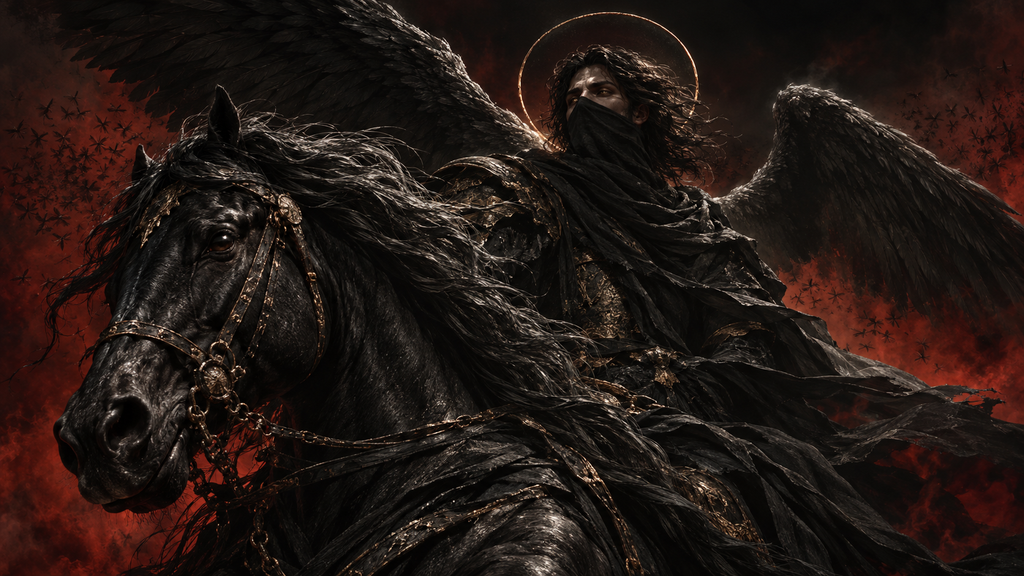
The army that rises from the Abyss looks like a swarm of locusts, but the resemblance quickly becomes distorted.
They appear prepared for war, and almost every familiar feature turns into something threatening.
Their faces look human, but their teeth resemble those of lions. Their bodies carry ironlike armor, while their tails end with the stinging power of scorpions.
Even the sound of their wings becomes terrifying.
Revelation compares it to the thunder of horses and chariots rushing into battle. You don’t simply see this swarm approaching. You hear it coming like an army large enough to shake the ground.
And these creatures don’t move without direction.
They have a king.
Abaddon stands above the entire swarm, giving one mind and purpose to something that already looks impossible to escape.
5. His Army Is Told to Keep Its Victims Alive
The locusts aren’t released to attack the earth without limits.
They’re told not to harm the grass, trees, or plants. Their attention is directed toward people who don’t carry the seal of God. But even then, they aren’t allowed to kill.
They’re permitted to torment their victims for five months, and Revelation compares the pain to the sting of a scorpion.
Death would end the suffering. Abaddon’s army is commanded to stop before that point.
The terror comes from being held inside the pain, unable to escape it and unable to reach its end.
This isn’t destruction arriving all at once. It’s destruction slowed down until every moment of it can be thoroughly felt.
6. Death Itself Refuses to Become an Escape
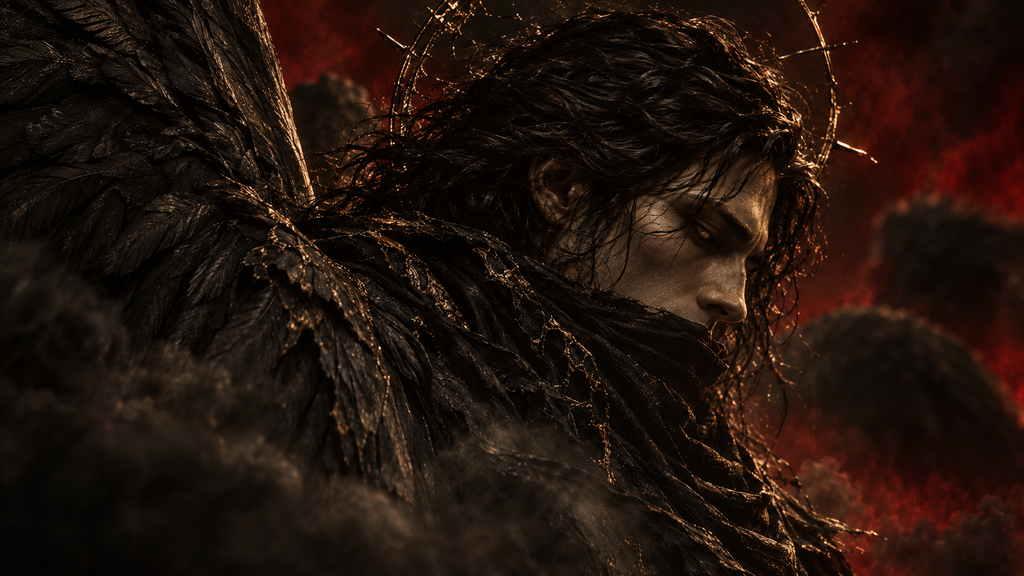
Revelation says the suffering becomes so intense that people search for death and can’t find it. They long to die, but death keeps moving beyond their reach.
Abaddon isn’t said to control death itself. Still, the torment released from his Abyss creates a horrifying condition where the one escape people desperately want is no longer available.
Usually, death is the thing people are trying to avoid. Here, it becomes the relief they can’t reach.
And Abaddon rules over the creatures responsible for that suffering.
He doesn’t need to destroy the body immediately to make his name true.
By the time his victims begin searching for death, destruction has already entered everything else.
7. We Still Don’t Know Exactly What He Is
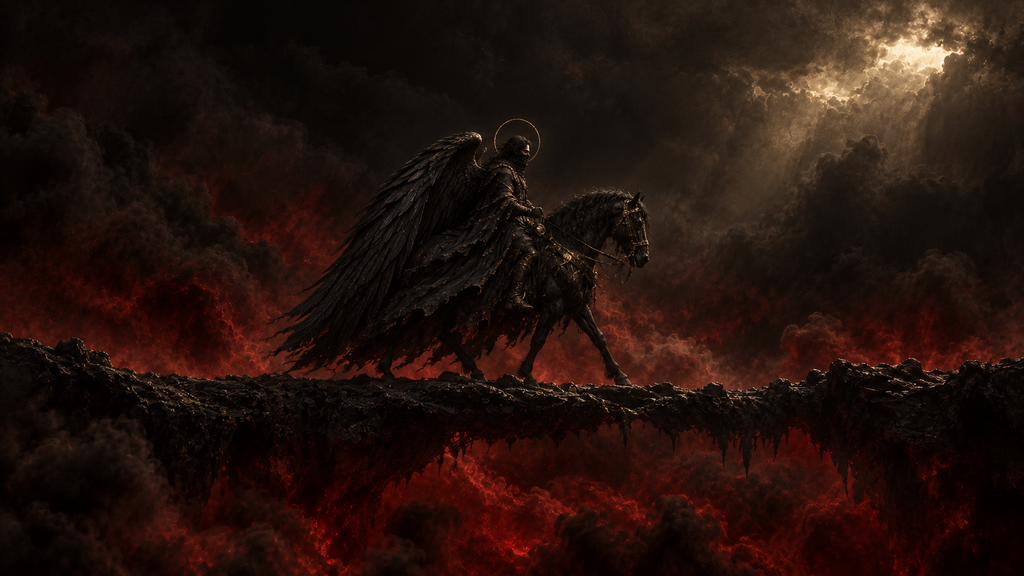
Revelation calls Abaddon an angel, but it never gives us his complete history.
It doesn’t describe his physical appearance. It doesn’t explicitly call him Satan, and it never tells us whether he’s a fallen angel imprisoned in the Abyss or a dark agent permitted to carry out judgment.
That uncertainty has allowed centuries of interpretation to grow around him.
But the mystery also makes him more frightening.
We know his name. We know where he rules. We know what follows when the Abyss opens.
And then Scripture stops.
Still, Abaddon isn’t presented as an equal rival to God. The key has to be given, his army receives instructions, and its power lasts for a fixed period.
His authority is terrifying, but it isn’t unlimited.
Abaddon can only emerge when the Abyss is opened. His creatures can only harm those they’re allowed to harm, and even the Destroyer must remain within boundaries set by someone greater.
The Bible doesn’t need to exaggerate Abaddon’s power. It simply shows us what happens when the lock is opened—and reminds us who still holds the key.
