
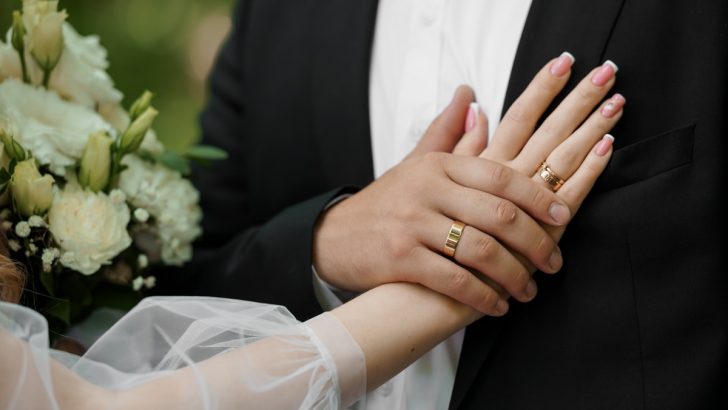
For centuries, 婚姻 has been treated as the ultimate life milestone—right up there with getting a stable job, buying a house, and figuring out how taxes actually work. The traditional path was simple: meet someone, fall in love, get married, and live happily ever after (preferably with matching kitchen towels).
But in recent years, more people have started asking deeper questions about what marriage really means. Is it a spiritual partnership? A social expectation? A legal contract? Or some complicated mix of all three?
The truth is, modern relationships are evolving. People are thinking more intentionally about love, independence, emotional growth, and what kind of commitment truly aligns with their lives. This doesn’t mean marriage is disappearing—it simply means more individuals are exploring what authentic partnership looks like for them.
Here are some of the biggest reasons people are rethinking traditional marriage—and what those questions reveal about relationships today.
1. People Want Relationships Based on Choice, Not Pressure
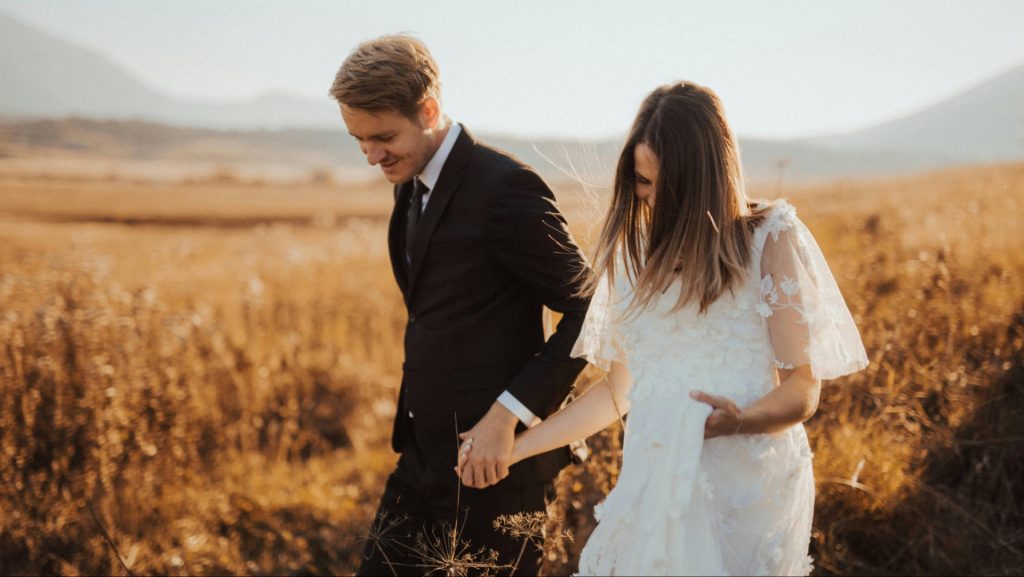
For much of history, marriage was often less about romance and more about practicality. Families arranged unions for economic stability, social status, or survival. Today, however, most people want relationships built on genuine connection and shared values.
Because of this shift, many individuals are questioning whether they truly want marriage—or whether they simply feel expected to pursue it.
Modern culture encourages people to reflect more deeply on their life choices. Instead of following a predetermined path, many now ask themselves: “Is this something I actually want, or something I was told I should want?”
From a spiritual perspective, this reflects a broader movement toward authenticity. People want relationships that feel aligned with their personal growth, not just socially approved.
Ironically, this questioning can make partnerships stronger. When two people consciously choose commitment rather than simply following tradition, the bond often becomes more meaningful and intentional.
2. Personal Growth Has Become a Bigger Priority
Another reason people are rethinking traditional marriage is the increasing emphasis on personal development. Concepts like emotional healing, self-awareness, and mental health are now part of everyday conversation.
In earlier generations, individuals were often expected to stay in relationships regardless of personal fulfillment. Today, many people believe that a healthy partnership should support growth rather than limit it.
Some individuals worry that marriage could trap them in a dynamic where personal evolution becomes more difficult. Others simply want more time to understand themselves before committing to a lifelong partnership.
Spiritually speaking, this reflects a belief that relationships should enhance the journey of self-discovery—not replace it.
Of course, strong marriages can absolutely support growth. But modern couples are more aware that both partners must actively nurture that growth for the relationship to thrive.
3. Financial and Lifestyle Realities Have Changed

Practical factors also play a major role in how people view marriage today. Housing costs, career mobility, and economic uncertainty have changed the timeline of many life decisions.
In the past, marriage often created financial stability. Today, many people prioritize career development or financial independence before considering long-term commitment.
Some couples choose to live together without marrying, while others delay marriage until later in life. These decisions aren’t necessarily about rejecting commitment—they’re about adapting to modern realities.
There’s also a growing recognition that partnership doesn’t have to follow a single structure. What matters most is mutual respect, shared goals, and emotional compatibility.
From a broader perspective, relationships are becoming more flexible and personalized rather than strictly defined by tradition.
4. People Are Redefining What Commitment Looks Like
Traditional marriage has long been associated with a specific model: two people promising lifelong partnership within a socially recognized structure. While many still value this model, others are exploring different ways of expressing commitment.
Some couples prefer long-term partnerships without legal marriage. Others focus on emotional bonds, shared values, or spiritual connection rather than formal contracts.
This shift reflects a deeper question: what truly makes a relationship meaningful?
For some, marriage remains a beautiful symbol of devotion. For others, commitment is measured through everyday actions—supporting each other, growing together, and facing life’s challenges as a team.
In other words, the definition of commitment is becoming more personal rather than universally prescribed.
5. Society Is Becoming More Open About Relationship Choices

Perhaps the biggest reason people are questioning traditional marriage is simply that they now feel allowed to do so.
In previous generations, choosing not to marry often came with heavy social pressure or judgment. Today, conversations about different lifestyles and relationship structures are far more open.
This doesn’t mean people value love any less. In fact, many value it more deeply—because they want relationships built on authenticity rather than obligation.
The modern view of partnership is gradually shifting toward flexibility, honesty, and personal alignment.
Some people will still dream of the classic wedding and lifelong marriage. Others may pursue different forms of connection that feel equally meaningful to them.
And ultimately, the spiritual lesson may be this: love isn’t defined by one structure. It’s defined by the way two people show up for each other, day after day.

Lover of good music, reading, astrology and making memories with friends and spreading positive vibes! 🎶✨I aim to inspire others to find meaning and purpose through a deeper understanding of the universe’s energies.