
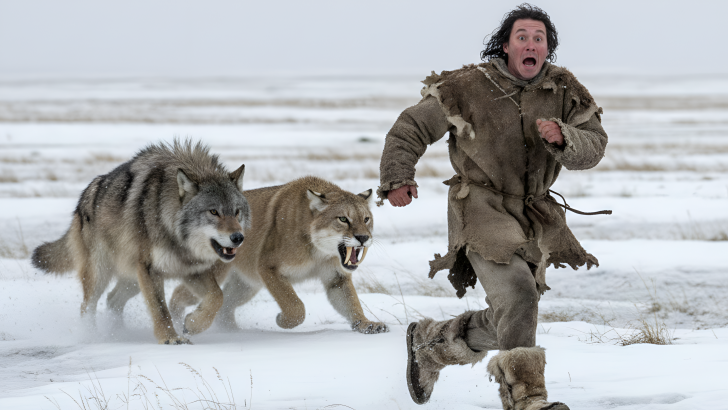
The Ice Age was a time when huge glaciers covered much of the Earth, and the climate was cold and harsh.
Humans, as well as other animals, had to survive in difficult conditions with limited food and extreme weather.
During this time, there were many animals that were enormous, powerful, or dangerous. Running into the wrong creature could mean serious injury or even death.
While some Ice Age animals were herbivores and mostly harmless, many were predators or extremely large animals capable of crushing or attacking humans.
These animals left behind fossils and other evidence that tell us just how terrifying the Ice Age could be. Here are ten of the worst animals to encounter during that time.
1. Saber-Toothed Cats
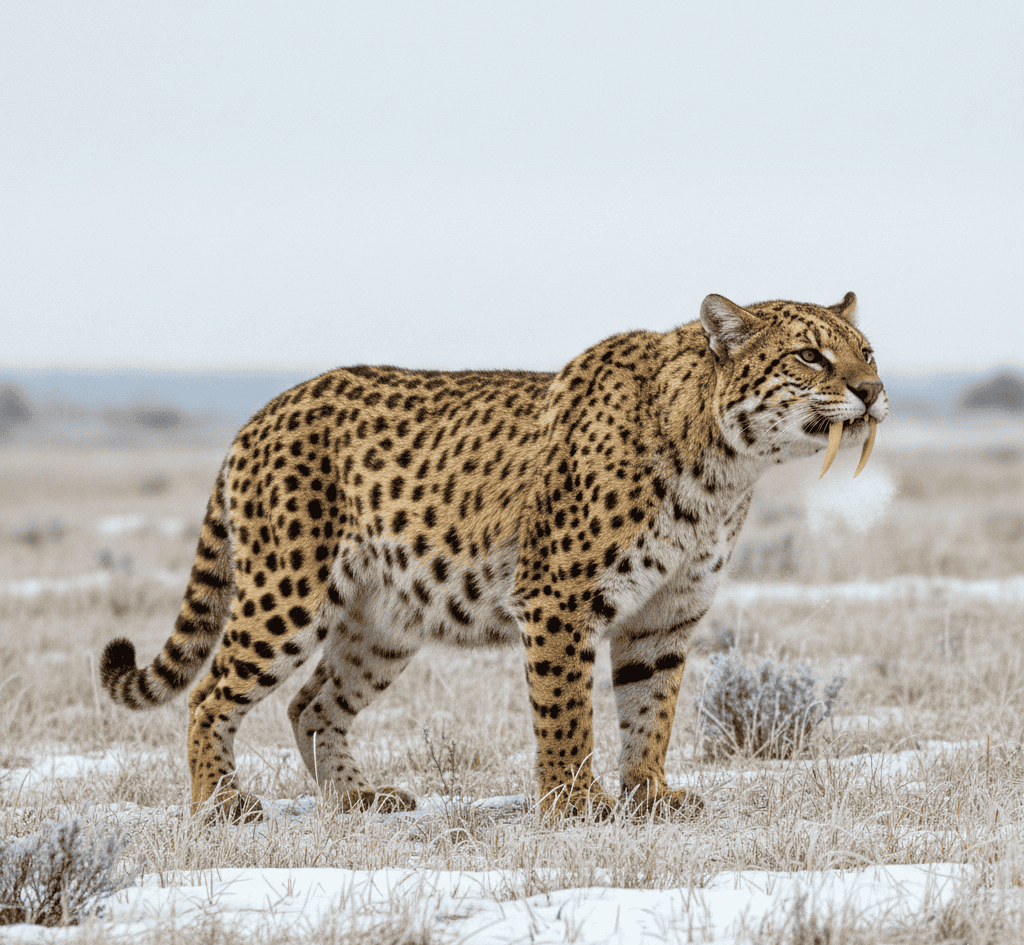
Saber-toothed cats, also called Smilodon, are among the most famous Ice Age predators.
They had long, curved canine teeth that could reach up to seven inches. These teeth were perfect for hunting large prey like bison and mammoths.
Saber-toothed cats were very strong and fast, capable of taking down animals much larger than humans.
Encountering one in the wild would have been extremely dangerous, as they were skilled hunters and ambush predators. Their size, strength, and deadly teeth make them a top threat.
2. Woolly Mammoths
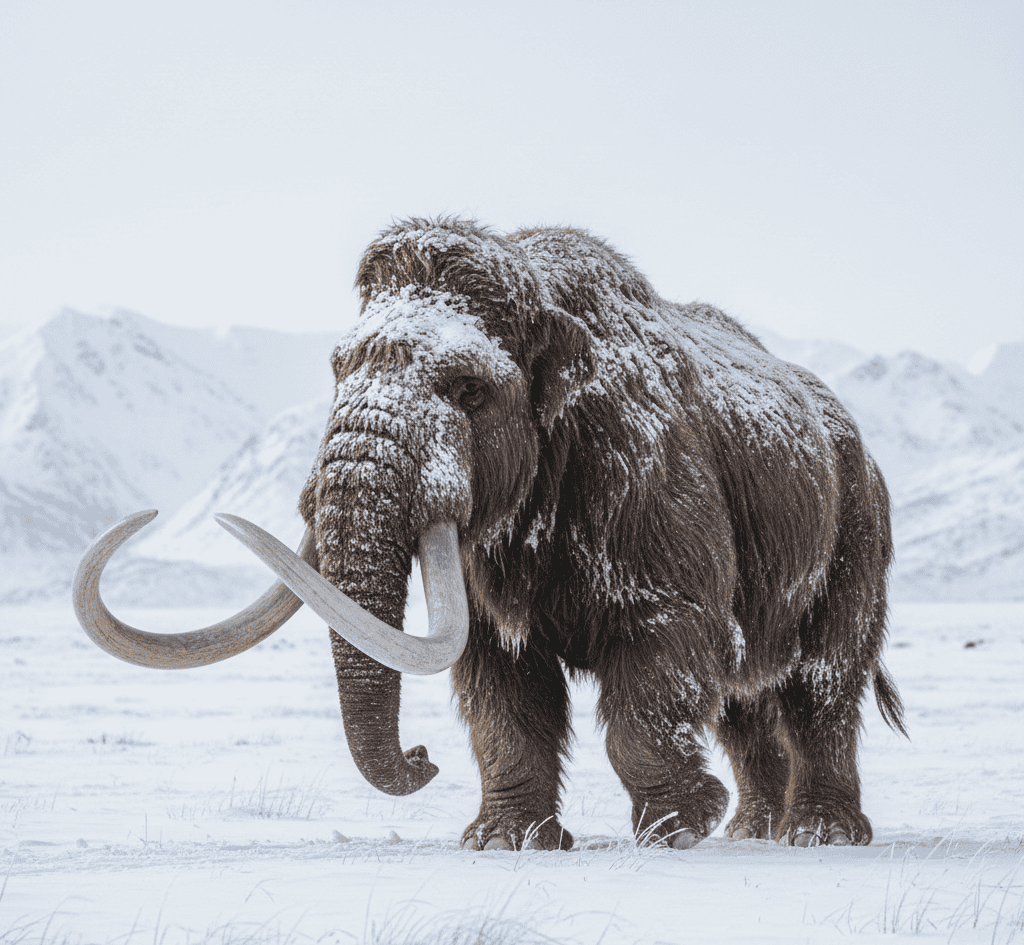
Woolly mammoths were enormous relatives of modern elephants. They could weigh up to 12,000 pounds and stood over 11 feet tall at the shoulder.
While mostly herbivores, they were capable of trampling humans if provoked.
Mammoths lived in herds and could become aggressive when threatened. Running into one unexpectedly, especially near calves, could be deadly.
Their sheer size and power made them one of the most dangerous animals of the Ice Age, even though they were not predators.
3. Dire Wolves
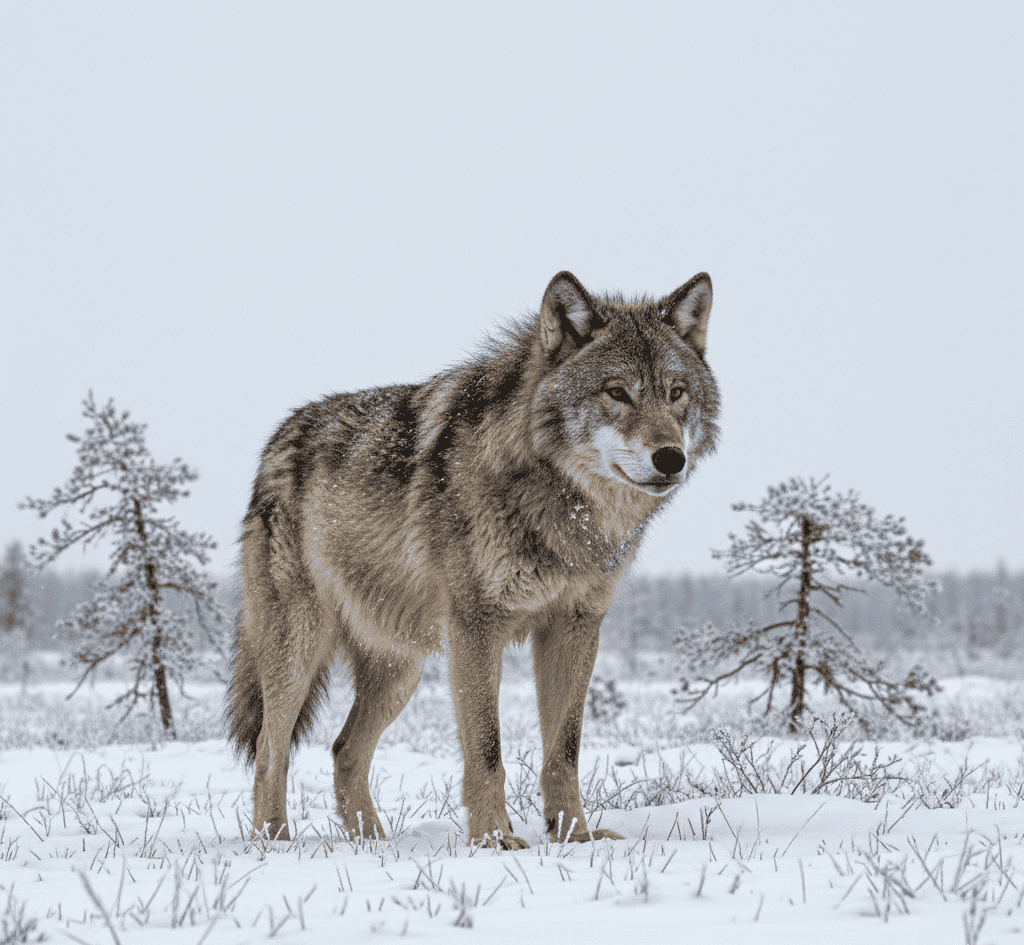
Dire wolves were larger and more muscular than modern wolves, with strong jaws and sharp teeth. They often hunted in packs, which made them even more dangerous.
Humans would have struggled to fight a group of dire wolves, as these animals could bring down prey much larger than themselves.
Their stamina, teamwork, and hunting skills made them deadly Ice Age predators. Anyone encountering a pack would need to stay extremely alert.
4. Cave Bears
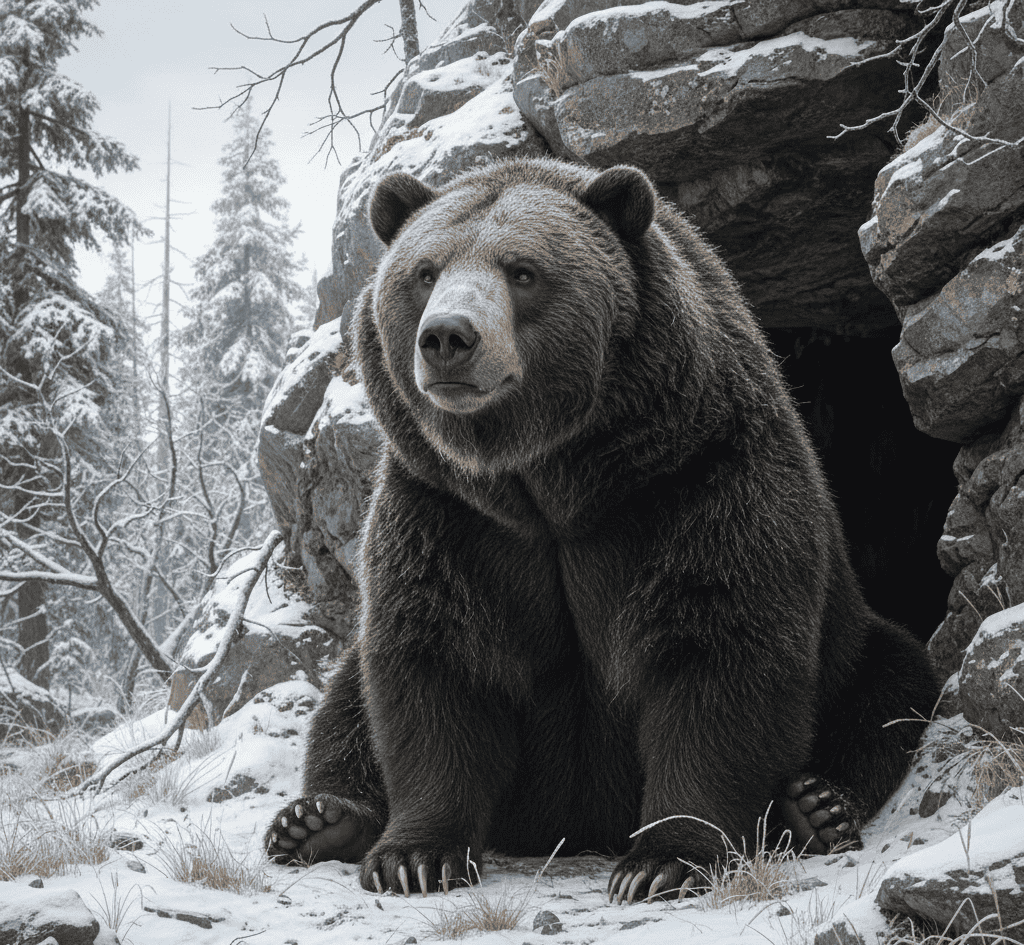
Cave bears were enormous bears that lived in Europe and Asia during the Ice Age. They could grow over 10 feet long and weigh more than 1,500 pounds.
Cave bears were mostly herbivorous, but they were extremely strong and could attack humans if surprised or threatened.
Many cave bear fossils show injuries that suggest violent confrontations. Running into one in a dark cave or dense forest would have been terrifying.
5. Short-Faced Bears
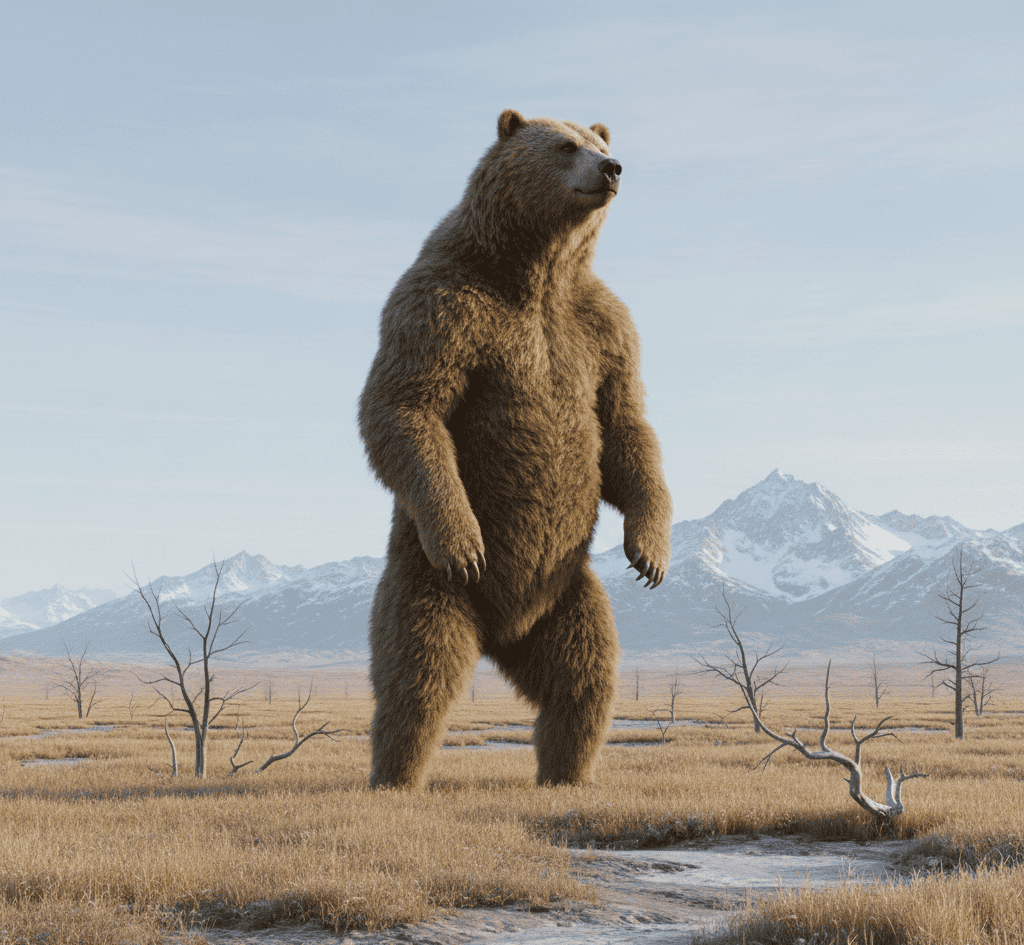
Short-faced bears were another type of bear during the Ice Age, even larger and more aggressive than cave bears.
They could reach over 12 feet tall when standing and weigh up to 2,500 pounds.
These bears were fast, strong, and powerful predators. They hunted large animals but could also attack humans.
Their speed and massive size made them almost impossible to outrun, which is why encountering a short-faced bear would have been deadly.
6. Giant Ground Sloths
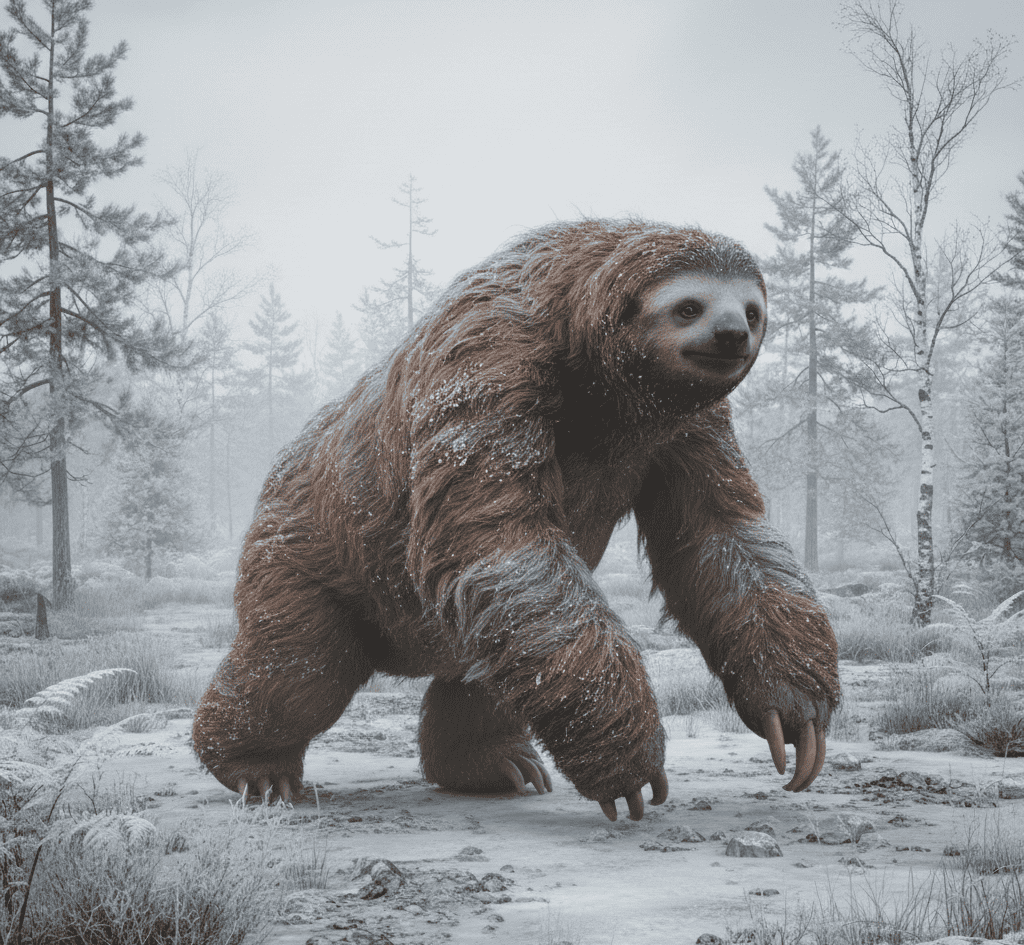
Giant ground sloths were huge herbivores, some standing 15 feet tall on their hind legs.
While slow-moving, they had long, sharp claws that could cause serious injuries.
These animals could defend themselves effectively against predators, including humans. A sudden encounter, especially when the sloth felt threatened, could be fatal.
Their enormous size and sharp claws made them a dangerous species to meet in the wild.
7. Cave Lions
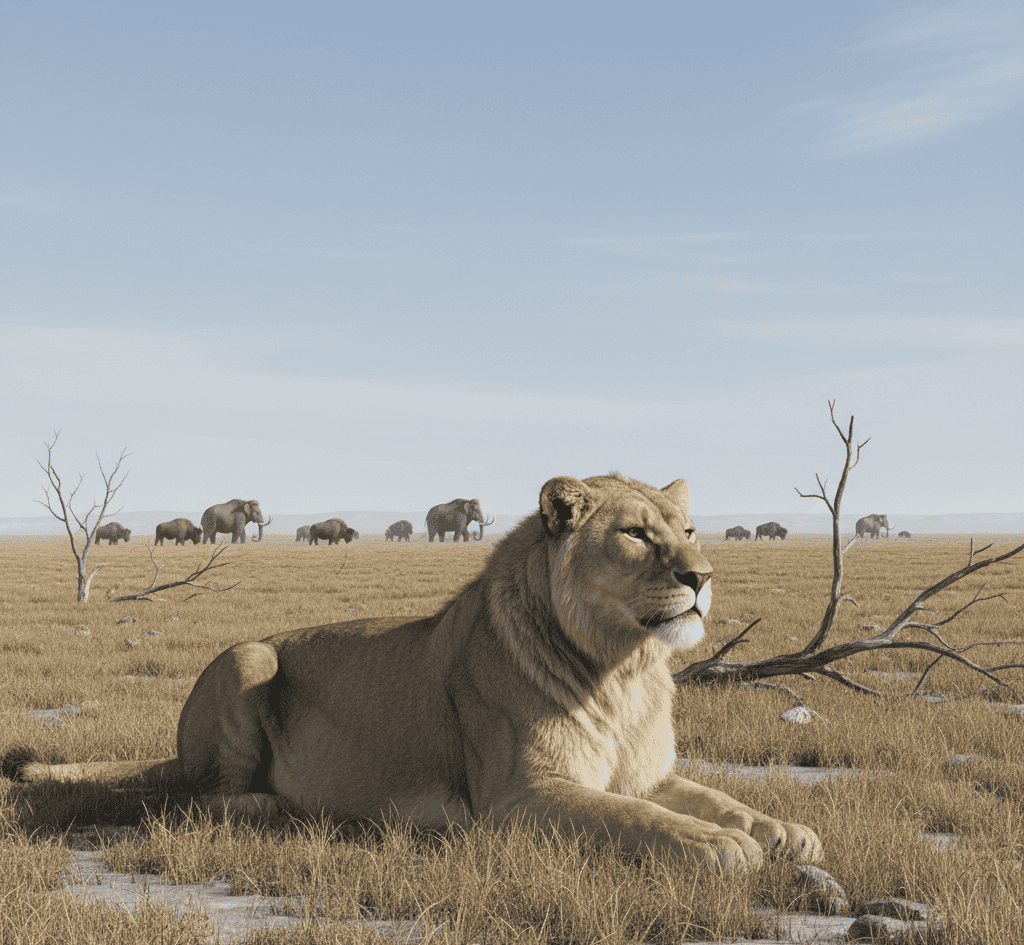
Cave lions were closely related to modern lions but were much larger. They could weigh over 500 pounds and were apex predators of their regions.
Cave lions hunted large herbivores and could easily overpower humans. Their strength, speed, and hunting skills made them extremely dangerous.
Humans living in the same areas would have had to remain constantly vigilant to avoid attacks.
8. Mammoth Steppe Bison
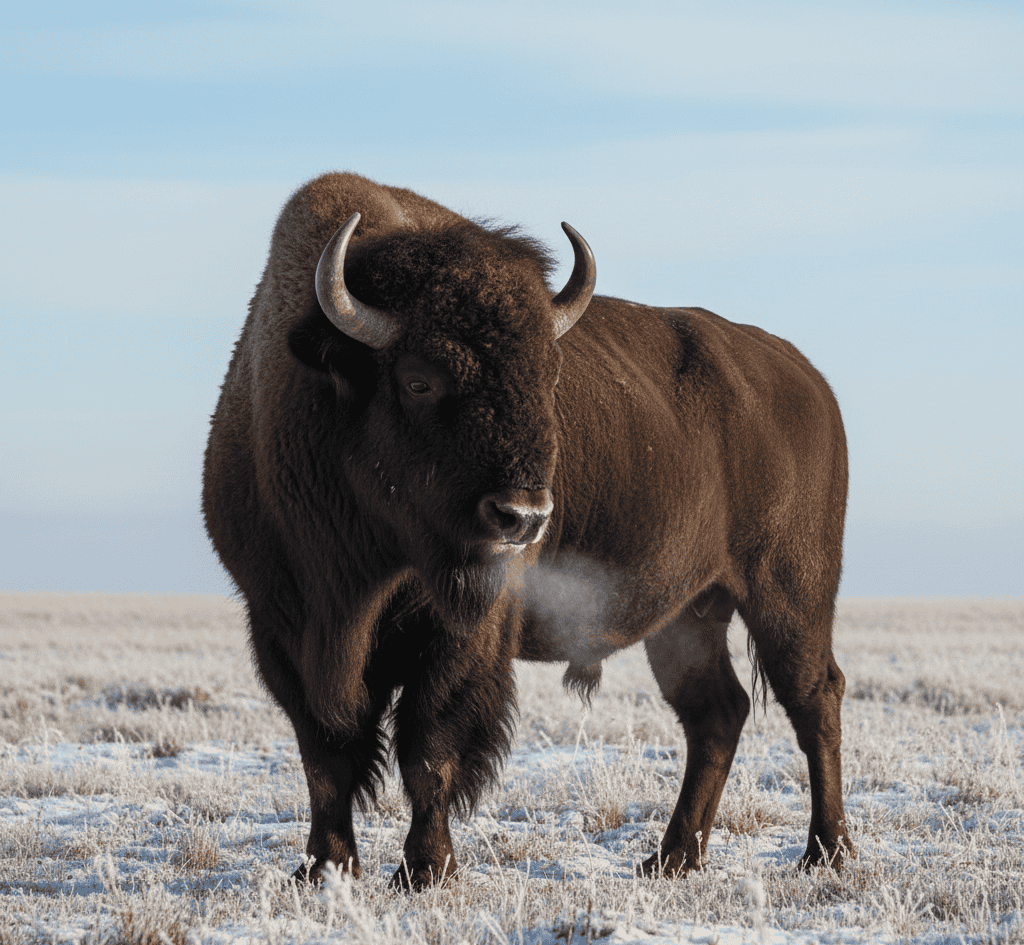
These bison were enormous, weighing up to 2,000 pounds. They had thick horns and powerful bodies.
While herbivores, bison could be highly aggressive if provoked or startled.
Humans who got too close, especially to a herd, risked being gored or trampled. Their unpredictable nature and sheer strength made them a serious threat in the Ice Age environment.
9. Woolly Rhinoceroses
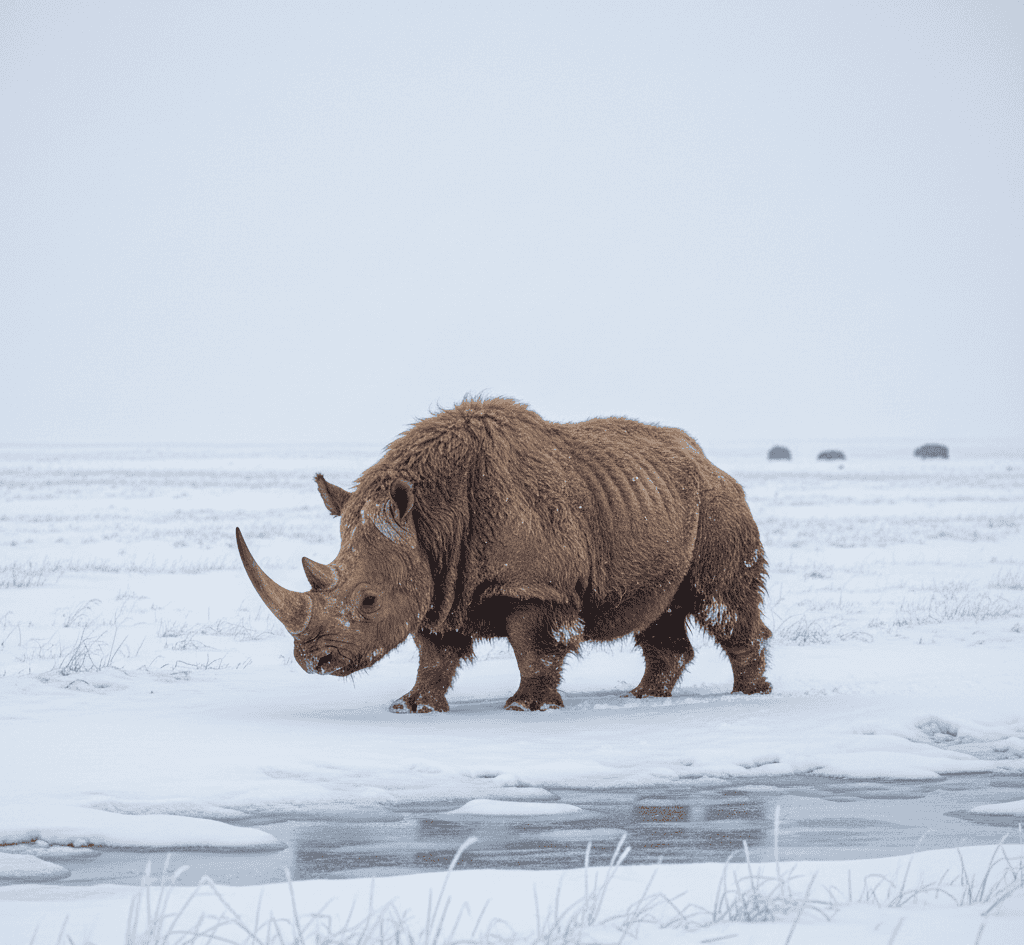
Woolly rhinoceroses were large, thick-skinned animals with horns that could cause severe injuries.
They were herbivores, but humans would have been no match for their size or power.
These rhinos could charge when threatened, and their thick skin made them difficult to harm.
Any sudden encounter with one could be deadly. Their ability to defend themselves effectively makes them one of the worst animals to meet in the Ice Age.
10. Hyenas
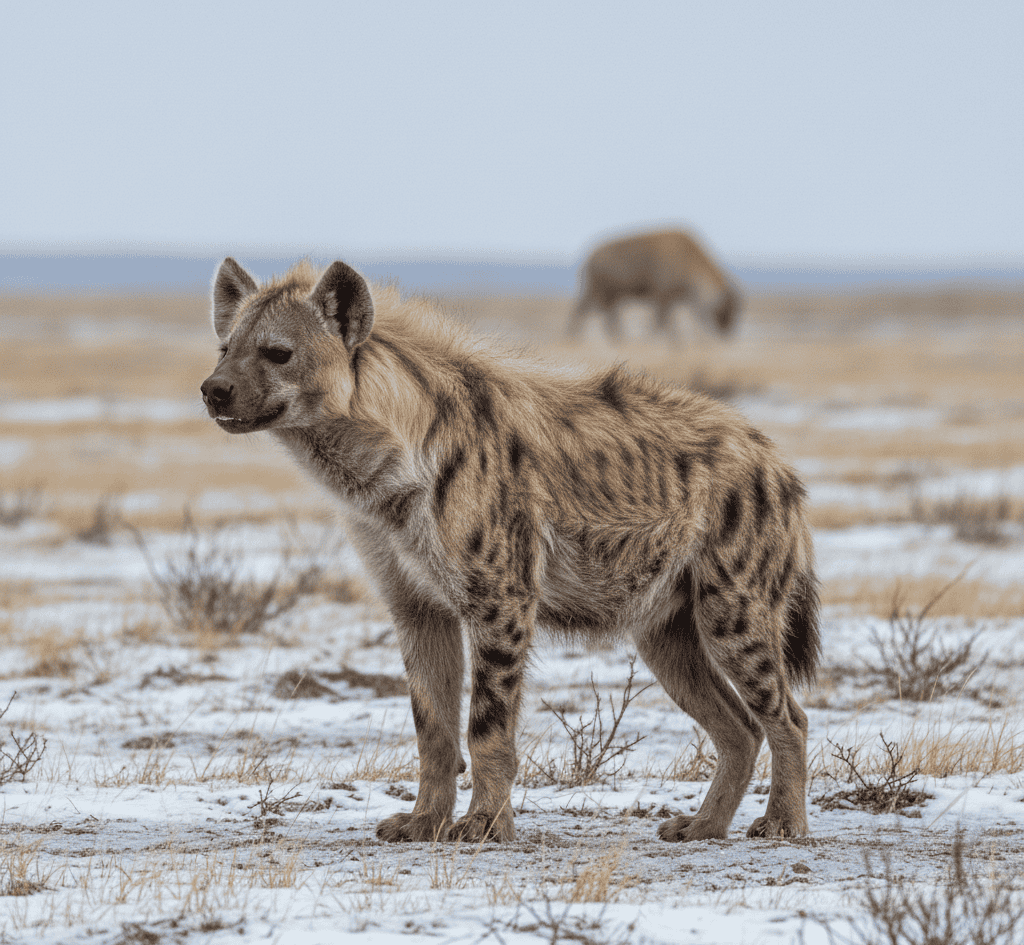
Ice Age hyenas were larger and stronger than modern hyenas. They had powerful jaws and were skilled hunters and scavengers.
Humans would have struggled to fight a group of hyenas, especially at night. Their ability to track prey, strong teeth, and pack behavior made them a serious threat.
Encounters with hyenas could be dangerous, particularly if food or territory was involved.

自出生以来,我一直感觉到自己与神灵有着紧密的联系。作为一名作家和导师,我的使命是帮助他人在最黑暗的时刻找到爱、幸福和内心的力量。