

Among the many mysterious figures of Slavic mythology, few represent the beauty and importance of existence as Zhiva, the goddess of life.
Known by different names across regions, including Živa, Siwa, and Ziva, she was associated with vitality, fertility, growth, and the natural forces that allow life to continue.
Unlike some famous Slavic deities connected with storms, war, or the underworld, Zhiva represented the gentle but powerful side of creation.
She symbolized everything that grows, blooms, and renews itself.
Fields producing crops, forests returning to life after winter, animals giving birth, and humans continuing their family lines were all connected with the ideas she represented.
Here are ten fascinating things about Zhiva, the Slavic goddess of life.
1. Zhiva Represented the Power of Life and Renewal
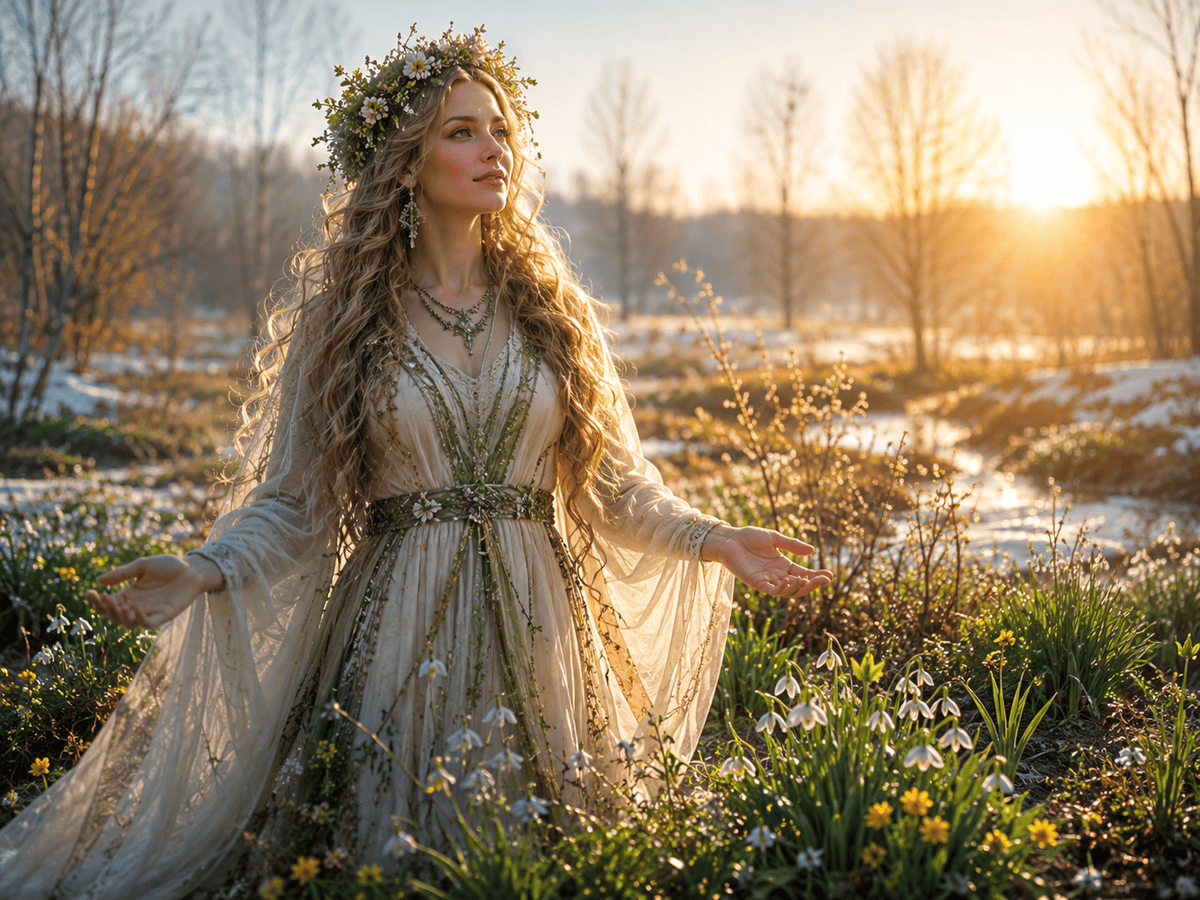
The most important aspect of Zhiva was her connection with life itself.
Her name comes from a Slavic root connected with words meaning “living” or “to live.”
Because of this, she became associated with the force that allows nature and humanity to flourish.
Ancient Slavic communities depended heavily on agriculture, animals, and the changing seasons.
Life was not something taken for granted. A successful harvest, healthy children, and fertile lands determined whether communities could survive.
Zhiva represented these blessings. She was not only a goddess of physical existence but also a symbol of renewal after difficult times.
When winter ended and forests became green again, people saw the same cycle of returning life that Zhiva embodied.
Her presence reflected the belief that nature always carried the possibility of rebirth.
2. She Was Connected With Fertility and Growth
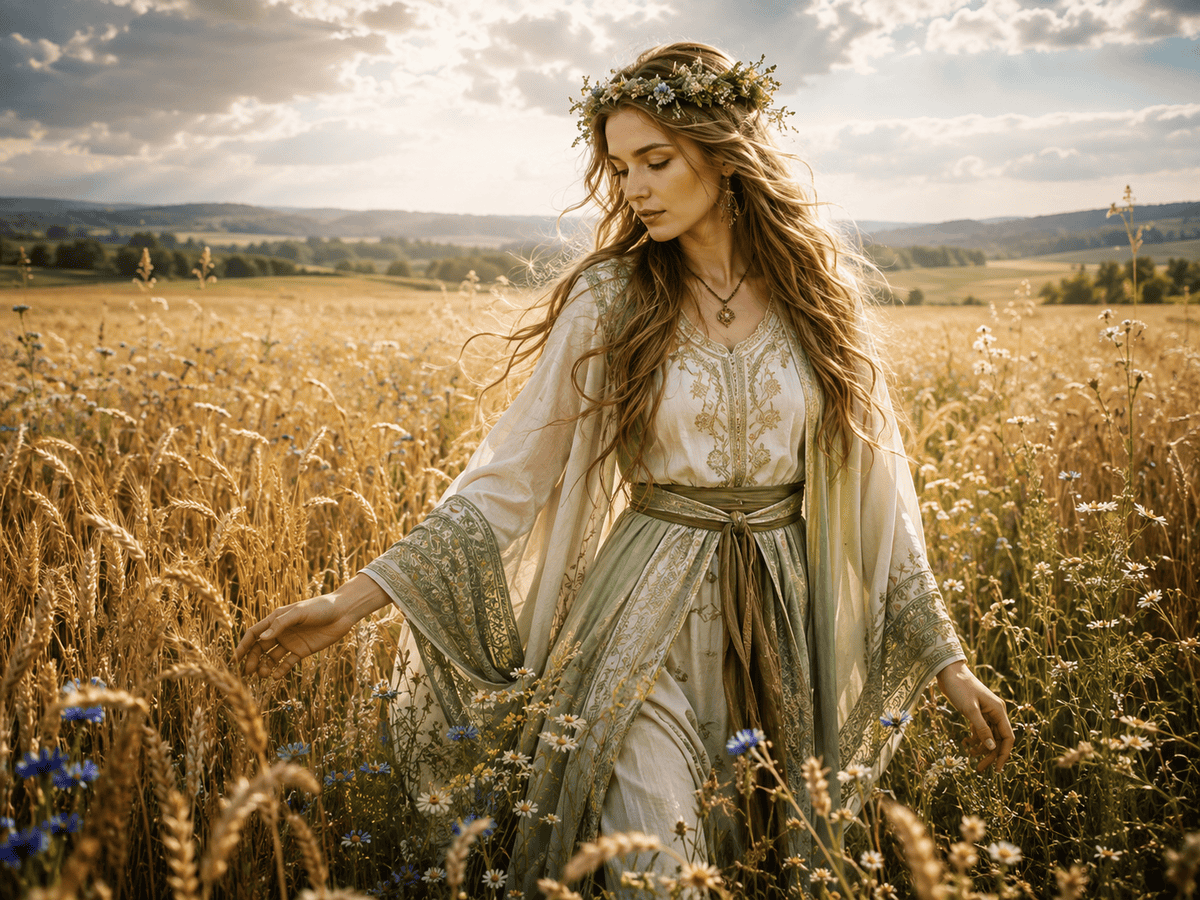
Like many ancient fertility deities, Zhiva was strongly connected with abundance.
Farmers depended on the earth’s ability to produce food, and fertility was viewed as a sacred force that affected both nature and human families.
She was connected with blooming plants, fertile fields, and the continuation of generations.
Her symbolism extended beyond childbirth and included the growth of everything living.
A healthy forest, a thriving garden, and a successful harvest all reflected the same life-giving energy.
For ancient Slavic people, fertility was not simply about reproduction. It was about balance between humans, animals, and the natural world.
3. Zhiva Was Often Compared With Other Slavic Goddesses
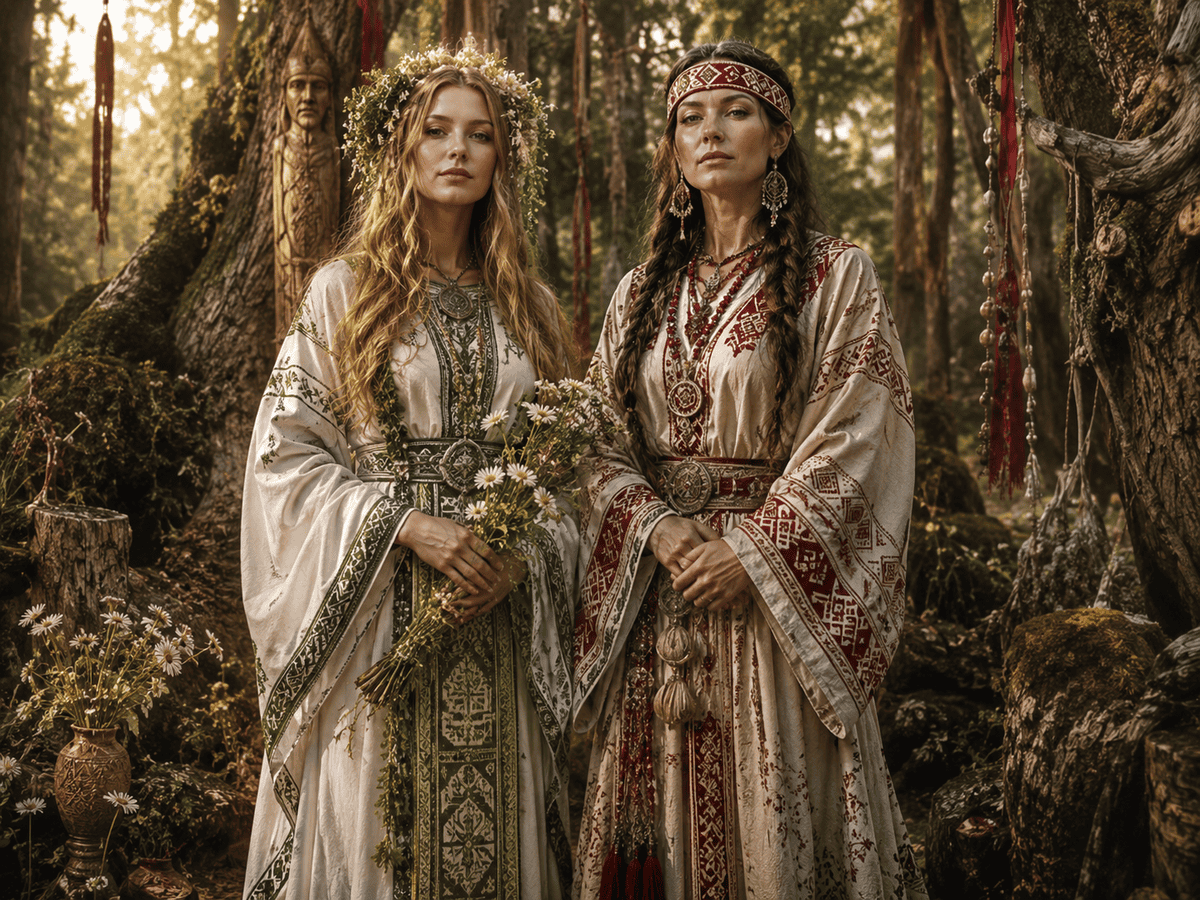
Because written records about Slavic mythology are limited, historians and scholars often compare different traditions to understand ancient beliefs.
Zhiva is sometimes connected with other female deities associated with nature, fertility, and seasonal renewal.
Some comparisons are made with goddesses such as Mokosh, who was linked with women’s work, destiny, and fertility.
However, Zhiva had a more specific connection with life and vitality.
While other goddesses represented particular aspects of existence, Zhiva symbolized the energy that allowed life to continue.
These comparisons show how important life-giving forces were within Slavic spirituality.
Ancient communities often honored multiple divine figures whose roles overlapped and complemented each other.
4. She Was Associated With Spring and the Return of Nature
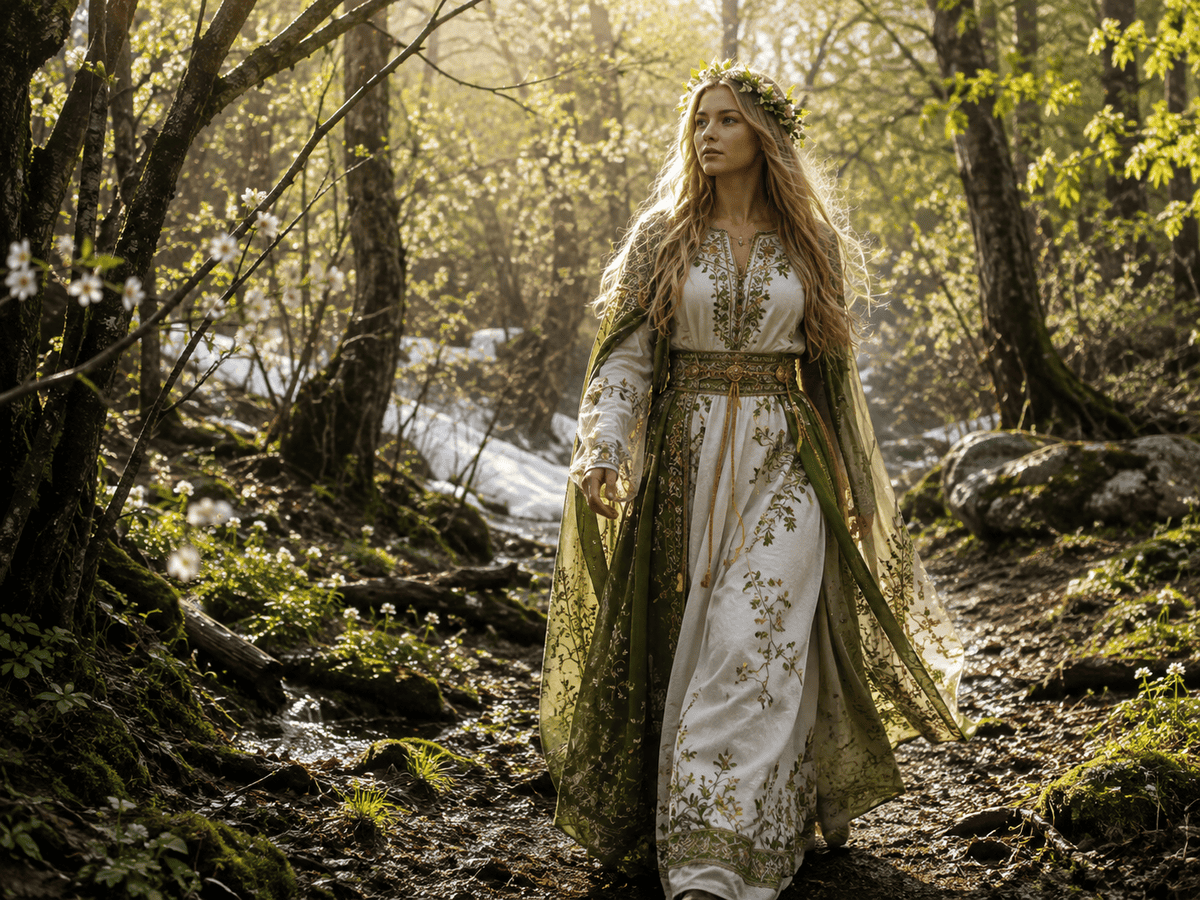
Spring was one of the most important seasons in ancient agricultural societies.
After months of cold and darkness, the return of plants and warmer weather represented hope and survival.
Zhiva naturally became connected with this seasonal transformation.
The first flowers, green fields, and returning animals reflected her influence.
Many ancient cultures celebrated spring through rituals honoring fertility and renewal.
Her symbolism fits perfectly with the ancient belief that spring was a sacred time when the world itself seemed to awaken.
5. Zhiva Was Connected With Water and Vital Energy
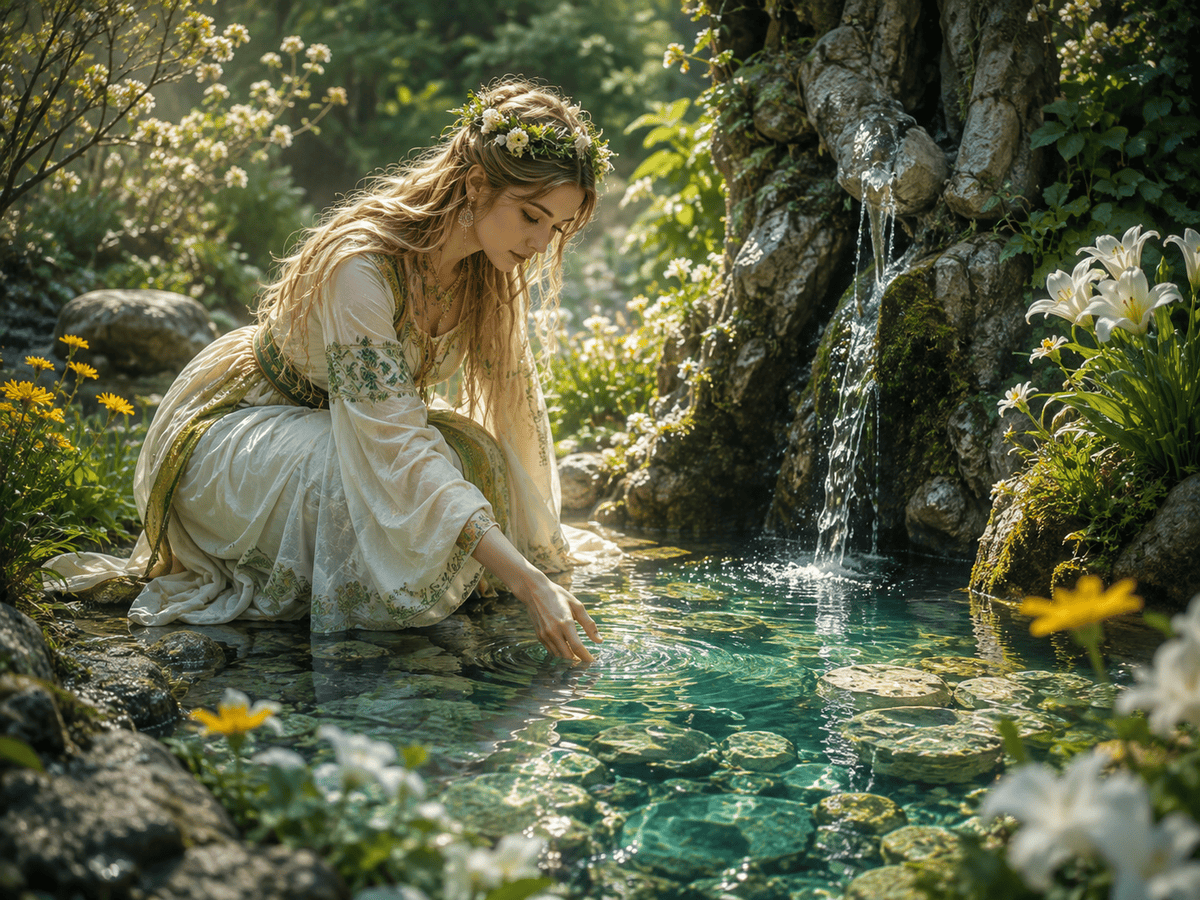
Water has always been considered one of the foundations of life.
Rivers, springs, and rain were essential for farming and survival, making them sacred elements in many Slavic traditions.
Because Zhiva represented life itself, she was sometimes connected symbolically with water and the forces that nourish the earth.
Fresh springs and flowing rivers represented purity, renewal, and continuous movement. These qualities reflected the goddess’s role as a source of vitality.
Water also carried spiritual meaning because it represented cleansing and transformation.
The connection between Zhiva and life-giving waters highlights how closely ancient Slavs connected the natural world with divine forces.
6. Her Symbolism Was Closely Linked With the Earth
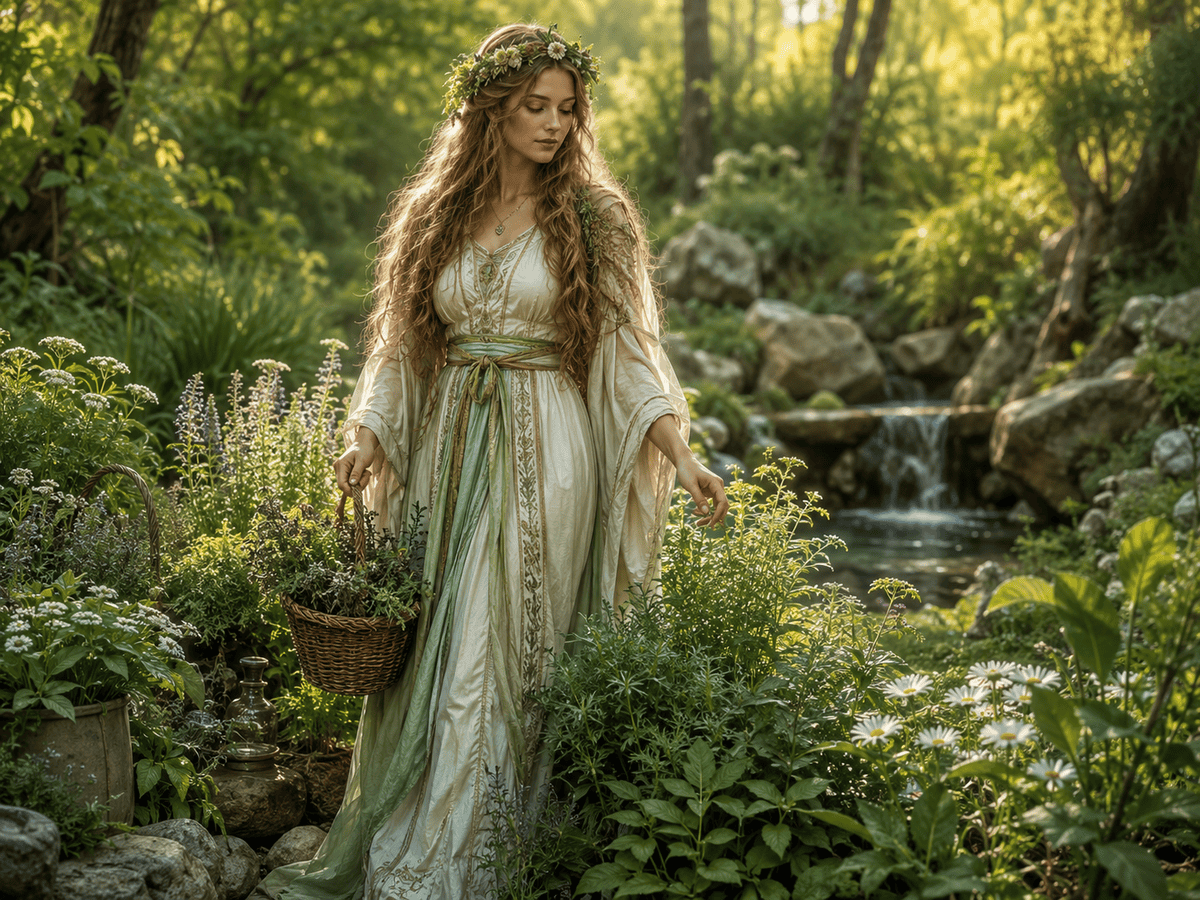
The earth was seen as a living force in many Slavic traditions. People depended on the soil for crops, plants for medicine, and forests for resources.
Zhiva represented the generosity of the earth and its ability to support all living things.
She was connected with the idea that nature was not merely a resource but something deserving respect.
This belief encouraged gratitude toward the environment. Every harvest was a reminder of the relationship between humans and the natural world.
Through Zhiva, people expressed appreciation for the invisible forces that allowed life to continue.
Her symbolism shows that ancient Slavic spirituality was deeply connected with observing and honoring nature.
7. Zhiva Represented the Feminine Creative Force
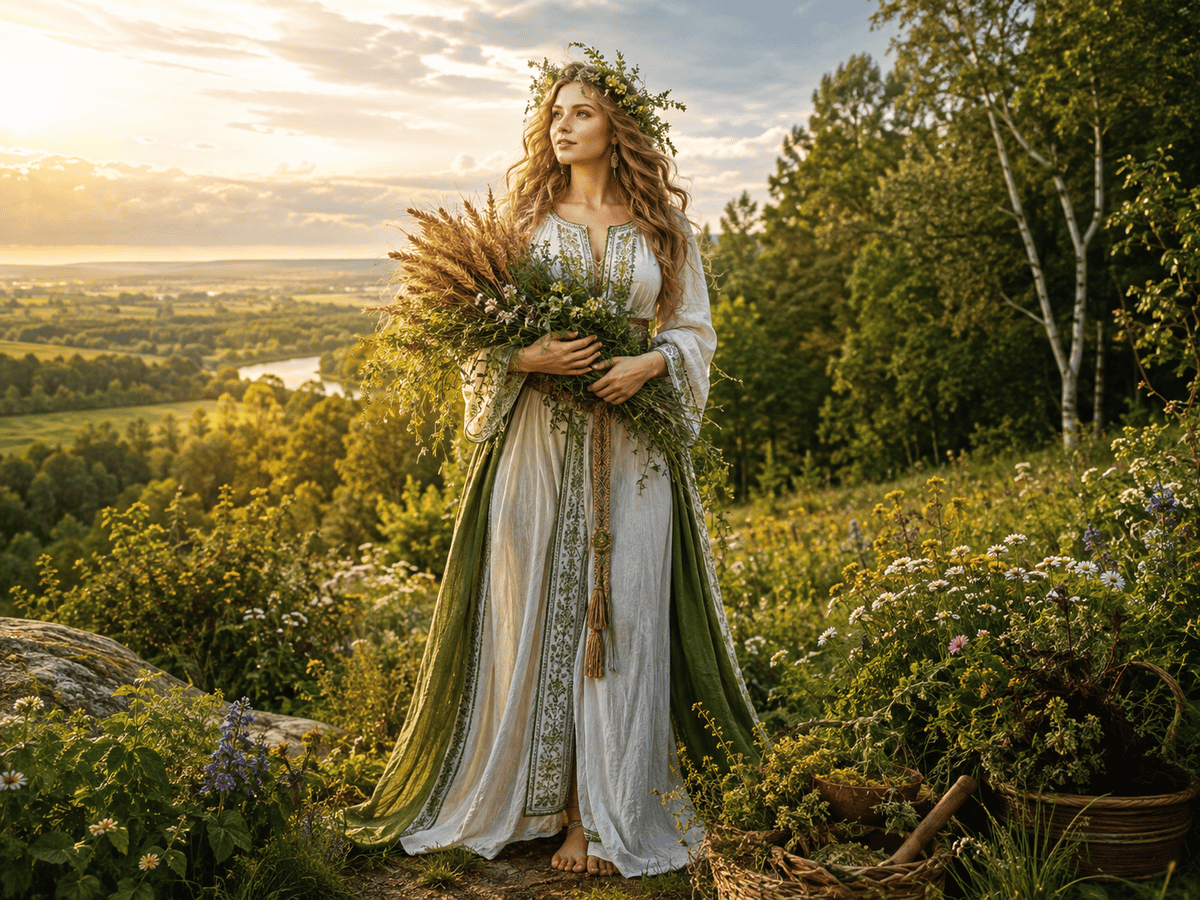
Many ancient cultures associated feminine divine figures with creation, fertility, and nurturing.
Zhiva followed this pattern. She represented the creative energy that brings new life into the world and allows it to grow.
This did not mean weakness or passivity. Like nature itself, her power was gentle but unstoppable.
A small seed could become a massive tree. A tiny spring could create a flowing river.
These natural transformations reflected the quiet strength associated with Zhiva.
8. She Was Connected With Health and Vitality
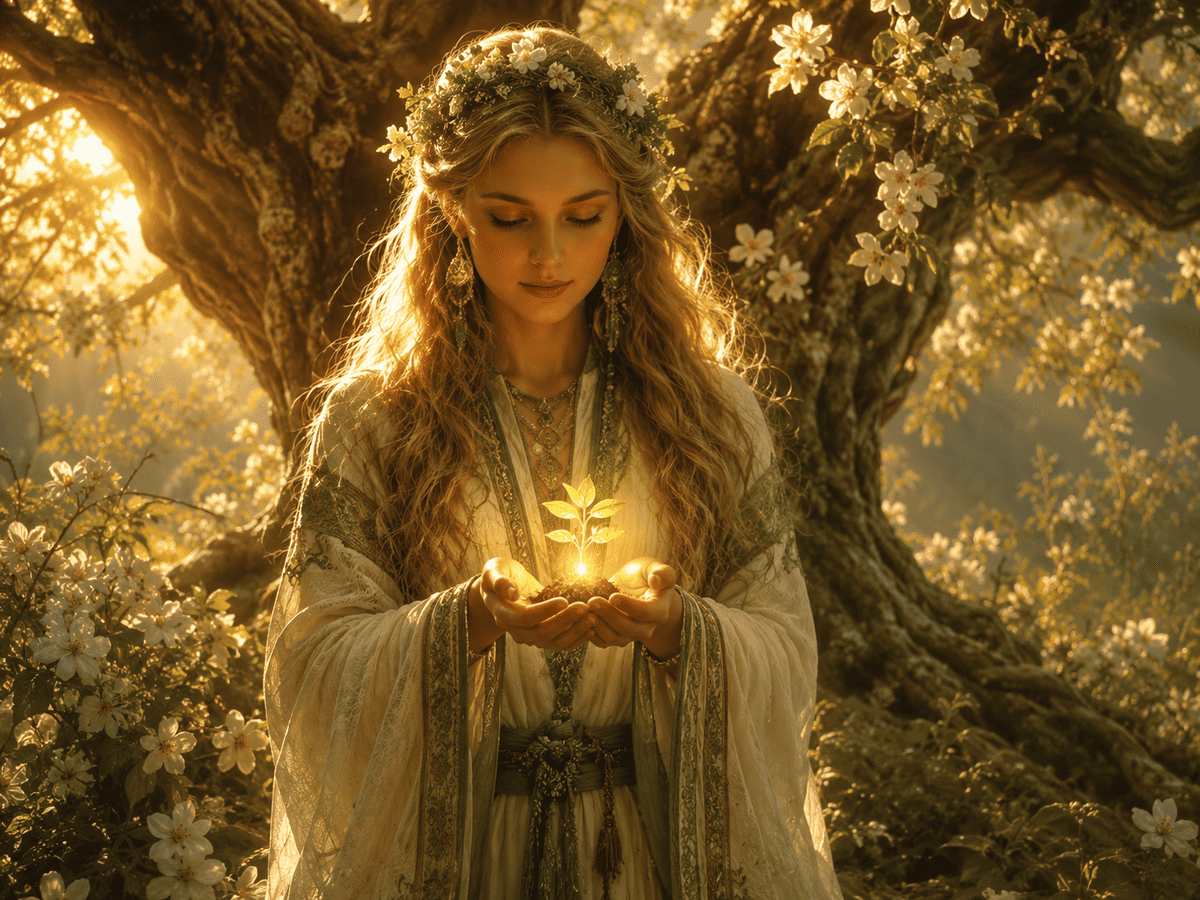
Life was not only about being born. It was also about remaining strong and healthy.
Zhiva’s symbolism included physical vitality, energy, and the ability to thrive.
In a world where disease and hardship were common, health was considered a precious blessing.
A person full of energy represented the gifts associated with life itself. This made Zhiva an important symbolic figure.
She represented the hope that families would remain healthy, animals would flourish, and communities would continue for future generations.
Her influence reflected humanity’s ancient desire to protect and preserve life.
9. Zhiva Was Honored Differently Across Slavic Regions
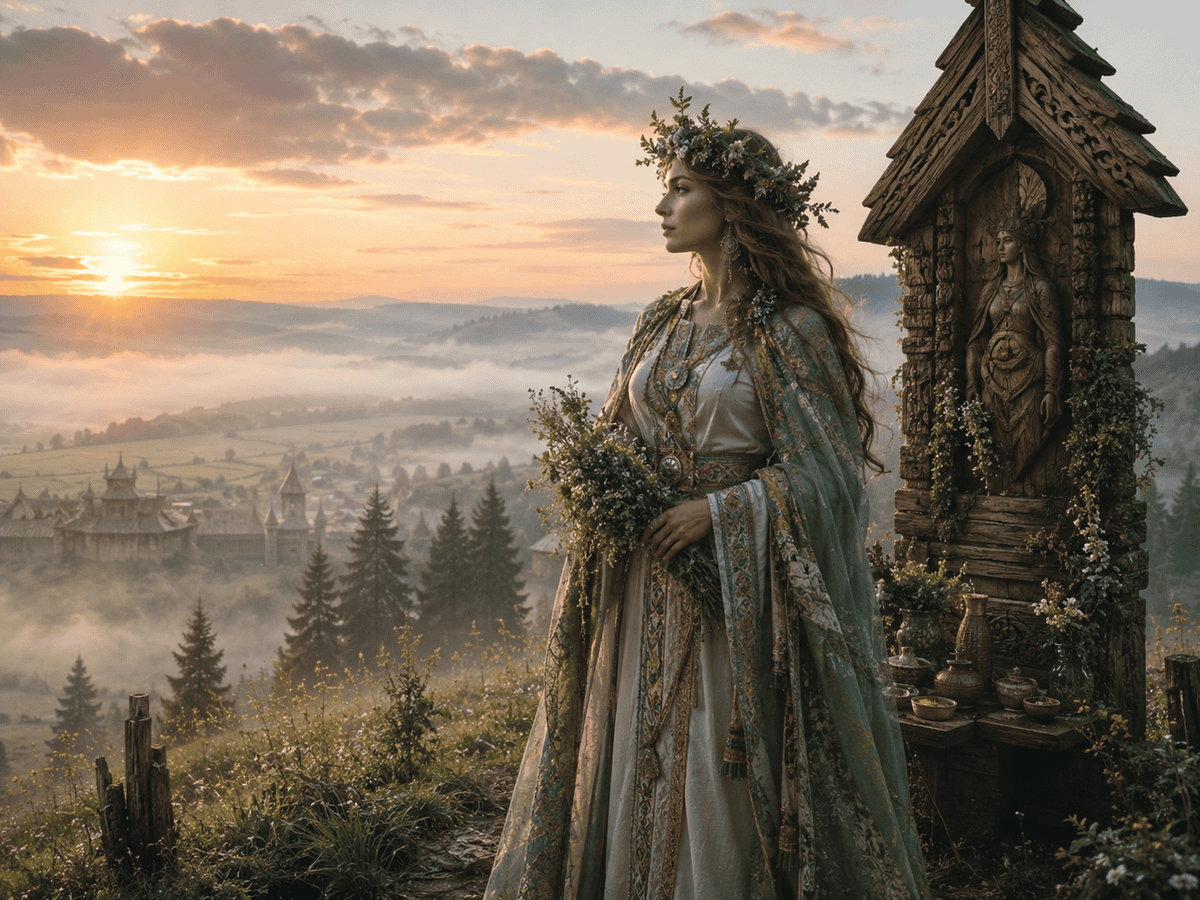
Like many Slavic deities, Zhiva did not have one single universal story.
Different Slavic groups developed their own traditions, names, and interpretations.
Some communities remembered her as a goddess of life and fertility, while others preserved similar ideas through local spirits and seasonal celebrations.
This regional variety is common in mythology. Ancient beliefs changed as people migrated, cultures mixed, and oral traditions evolved.
10. Zhiva Remains a Symbol of Hope and Renewal Today
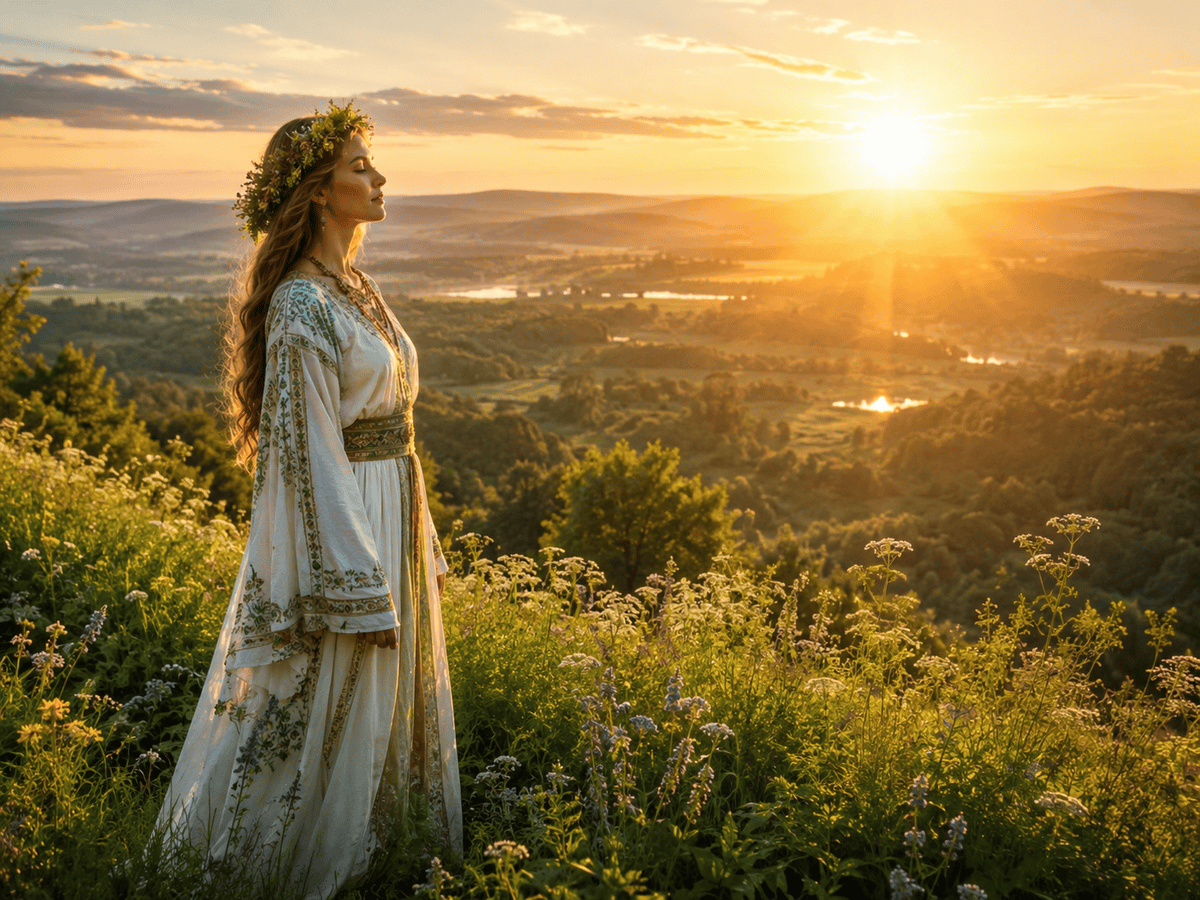
Although she is not as widely known as some other mythological goddesses, Zhiva continues to attract interest among people fascinated by Slavic folklore.
Her symbolism feels especially meaningful because it focuses on something universal. Every culture values life, growth, and renewal.
The image of a goddess representing the return of spring, the strength of nature, and the continuation of generations remains powerful even today.
Zhiva reminds people that life is constantly changing and renewing itself.
Her story reflects an ancient understanding that humanity is deeply connected with the natural world.

自出生以来,我一直感觉到自己与神灵有着紧密的联系。作为一名作家和导师,我的使命是帮助他人在最黑暗的时刻找到爱、幸福和内心的力量。