

Zoroastrianism is one of the oldest religions in the world, with roots going back more than three thousand years.
It began in ancient Persia and was founded by the prophet Zoroaster, also known as Zarathustra.
Although it has a smaller number of followers today, its ideas have influenced many major world religions.
Concepts such as heaven, hell, angels, judgment, and the final battle between good and evil appear in later faith traditions.
What makes Zoroastrianism especially fascinating is its clear moral focus and unique practices.
These ten features show why this ancient religion remains one of the most distinctive belief systems in history.
1. It Centers on the Choice Between Good and Evil

At the heart of Zoroastrianism is a powerful moral idea that every person must choose between good and evil.
The religion teaches that the world is a battleground between truth and order on one side and lies and chaos on the other.
Followers are encouraged to live by the simple but meaningful principle of good thoughts, good words, and good deeds.
This daily moral choice is seen as a way to support the forces of goodness. Unlike some religions that focus mainly on rituals, Zoroastrianism places strong emphasis on personal responsibility and ethical living in everyday life.
2. It Worships One Supreme God
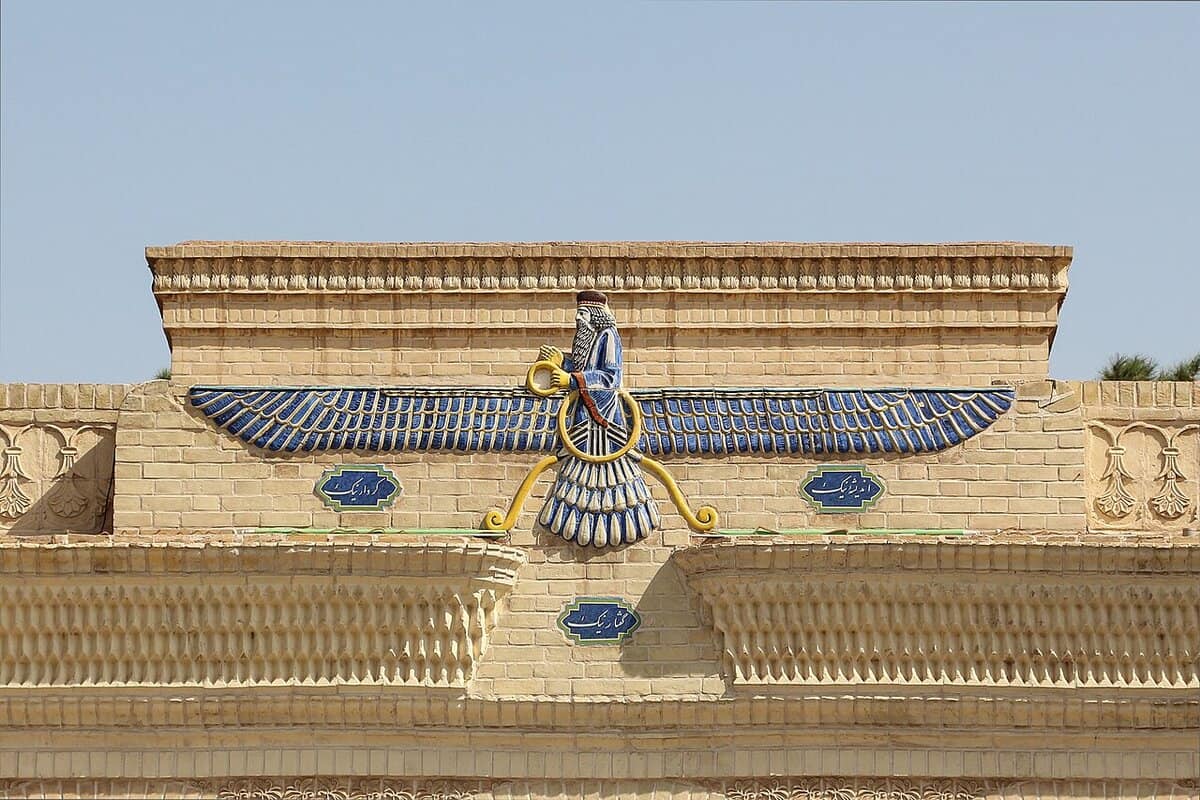
Zoroastrianism is centered on the worship of a single supreme deity called Ahura Mazda, which means Wise Lord.
He is seen as the creator of the universe and the source of all truth, light, and goodness.
Although spiritual beings and helpers exist within the religion, they are not gods but servants of Ahura Mazda.
This strong focus on one ultimate divine being makes Zoroastrianism one of the earliest known monotheistic religions.
The belief that a wise and good creator stands behind the world gives followers a sense of purpose, order, and moral direction.
3. Fire Plays a Sacred Role
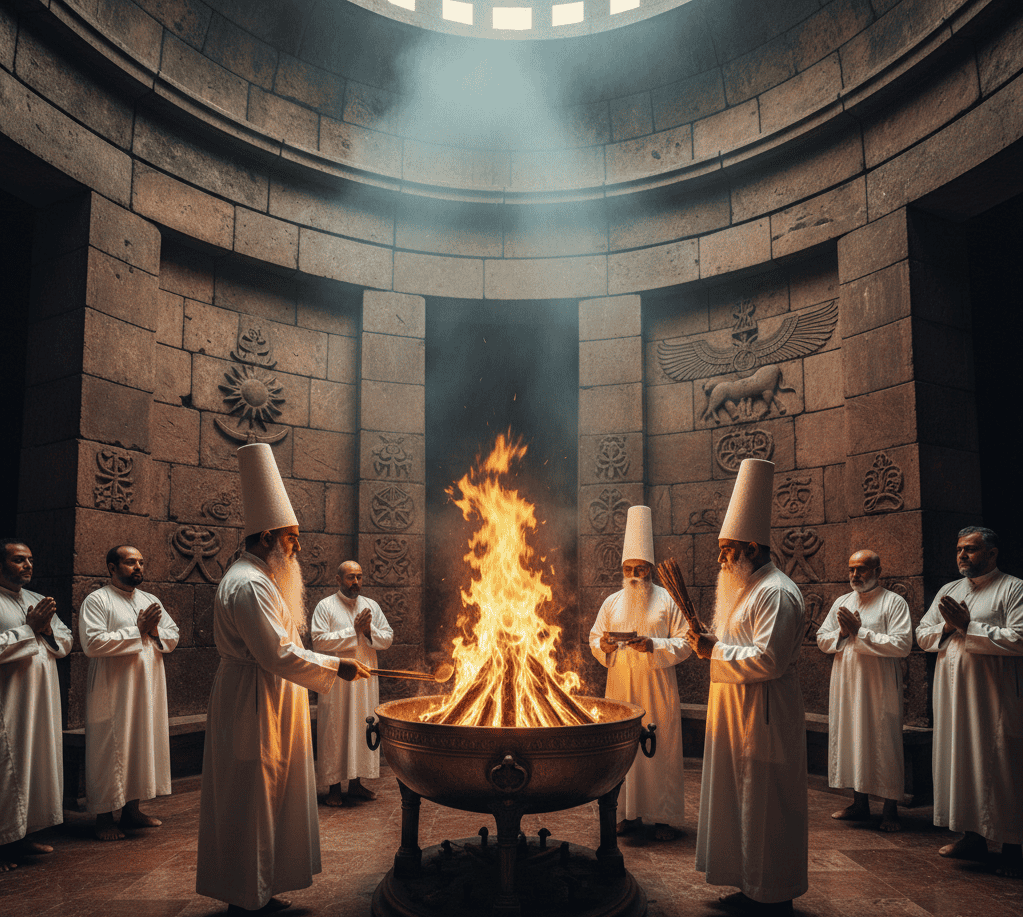
One of the most recognizable symbols of Zoroastrianism is fire. Fire represents purity, truth, and the presence of divine light.
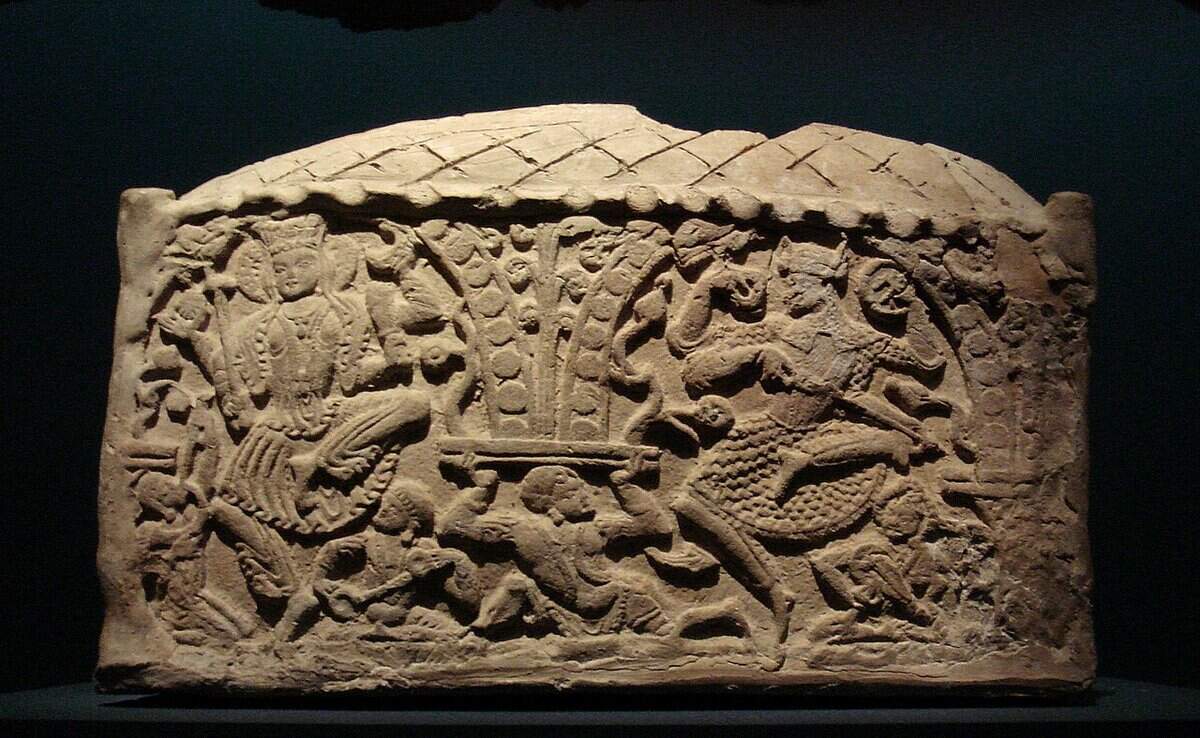
In temples, a sacred flame is kept burning continuously as a symbol of spiritual awareness and the eternal nature of goodness.
Worshippers do not pray to the fire itself but use it as a focus for prayer and reflection. The flame reminds believers to keep their thoughts and actions pure.
This visible and living symbol makes Zoroastrian worship unique and powerful, connecting physical light with spiritual meaning and moral clarity.
4. It Teaches a Final Judgment After Death

Zoroastrianism includes a clear teaching about what happens after death. According to the tradition, each soul must cross a spiritual bridge where its good and bad deeds are weighed.
Those who lived righteous lives pass safely into a joyful afterlife, while those who chose evil face suffering.
This idea of moral judgment based on personal actions was very influential and later appeared in other religious traditions.
The belief encourages followers to live responsibly and ethically, knowing that their choices have lasting consequences beyond their time on earth.
5. It Introduced the Idea of a Savior Figure
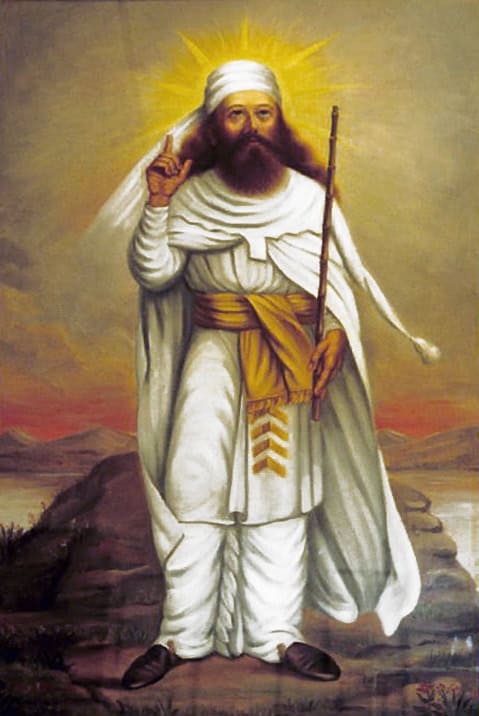
Zoroastrian belief includes the expectation of a future savior known as the Saoshyant.
This figure will appear at the end of time to defeat evil, renew the world, and bring about a final victory for goodness.
The idea of a coming redeemer who restores justice and peace is one of the religion’s most powerful teachings.
It reflects hope that evil will not last forever. This concept later influenced similar beliefs about messianic figures in other faiths, making Zoroastrianism important in the development of religious thought.
6. Nature and Cleanliness Are Spiritually Important

Zoroastrianism teaches deep respect for the natural world. Elements such as earth, water, air, and fire are seen as pure creations of Ahura Mazda and must not be polluted.
Because of this, followers follow strict cleanliness practices in daily life and religious rituals. Protecting nature is considered a spiritual duty, not just a practical one.
This strong environmental awareness makes the religion stand out even today.
The idea that caring for the natural world is part of moral responsibility shows how spiritual and physical life are closely connected in Zoroastrian teaching.
7. Its Funeral Practices Are Unique
One of the most unusual aspects of Zoroastrianism is its traditional method of handling the dead.
Because the body is believed to become impure after death, burial or cremation was avoided to prevent pollution of the earth or fire.
Instead, bodies were placed in special stone structures known as Towers of Silence, where they were exposed to sunlight and birds.
This practice reflected the religion’s strong concern for protecting natural elements.
Although modern followers sometimes use different methods today, the traditional approach remains one of the most distinctive features of Zoroastrian culture.
8. It Has Influenced Major World Religions
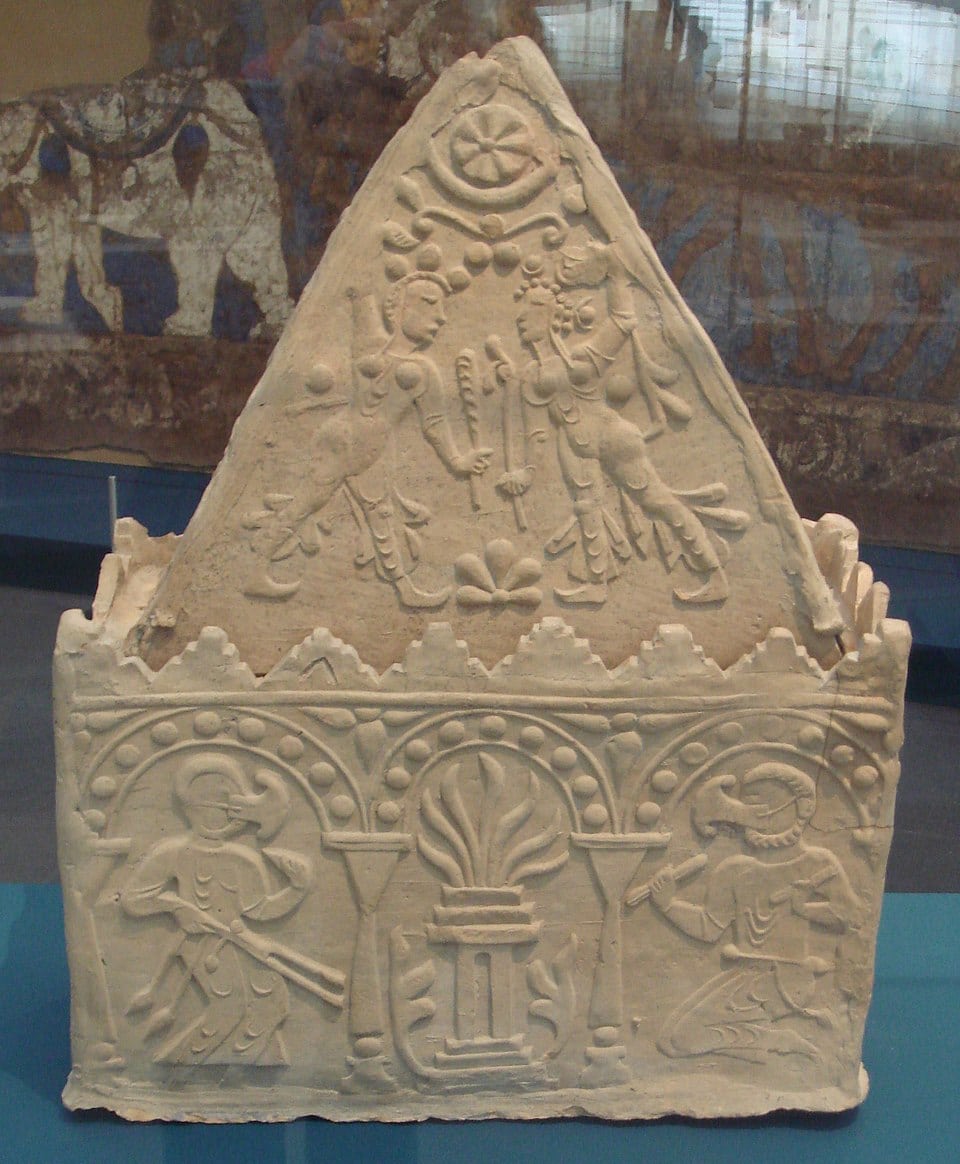
Many ideas that people associate with later religions may have earlier roots in Zoroastrian belief.
Concepts such as angels, demons, heaven, hell, resurrection, and a final judgment appear clearly in its teachings.
Scholars believe these ideas influenced Judaism during the Persian period and later spread into Christianity and Islam.
This historical impact makes Zoroastrianism far more important than its small modern population might suggest.
Its role in shaping religious thought shows how one ancient tradition helped form spiritual ideas that millions of people follow today.
9. It Has One of the Oldest Sacred Texts
The holy writings of Zoroastrianism are known as the Avesta. Some parts of these texts, especially the Gathas, are believed to contain the original hymns of Zoroaster himself.
These writings focus on moral choices, devotion to truth, and praise for Ahura Mazda.
The language of the Avesta is extremely ancient and closely related to early Indo-Iranian traditions.
Because of their age and content, these texts provide valuable insight into early religious thinking. They also show how long the core teachings of the faith have been preserved.
10. It Has Survived Against Great Odds
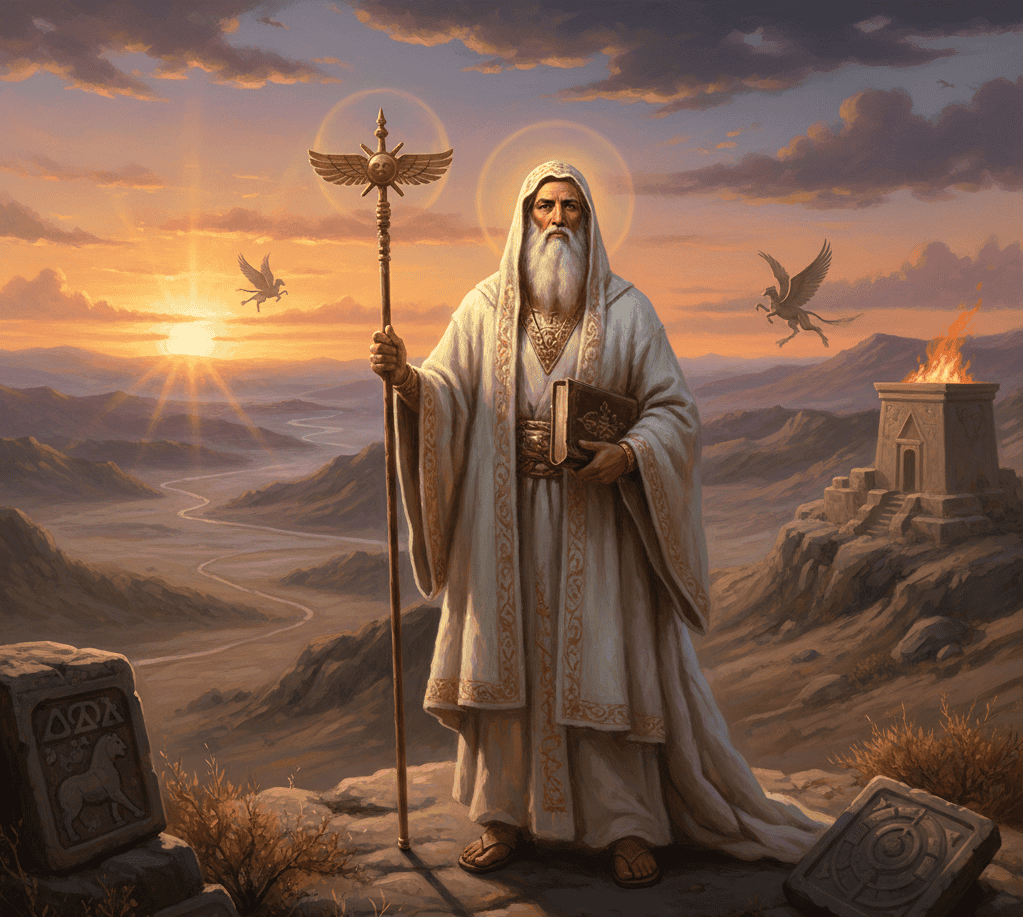
Despite invasions, political changes, and the rise of other religions, Zoroastrianism has managed to survive for thousands of years.
Many followers migrated from Persia to India, where they became known as Parsis and continued to practice their traditions.
Today, Zoroastrian communities remain small but active in several countries.
Their dedication to preserving their beliefs, rituals, and identity shows remarkable cultural strength.
The survival of this ancient religion, even after losing its empire and political support, makes it one of the most enduring and unique spiritual traditions in human history.

自出生以来,我一直感觉到自己与神灵有着紧密的联系。作为一名作家和导师,我的使命是帮助他人在最黑暗的时刻找到爱、幸福和内心的力量。