
You don’t have to own crystals, memorize your birth chart, or blame every bad date on planetary alignment to understand astrology. Even skeptics have heard someone say, “Sorry, I’m such a Scorpio,” or “Mercury retrograde is ruining my life.” Astrology has officially entered group chats, dating apps, and corporate icebreakers.
But here’s the thing: half the time, people are using astrology terms incorrectly. So whether you’re a full-blown chart reader or someone who insists “it’s just for fun,” these are the foundational terms that will help you at least know what everyone is talking about.
Let’s decode the cosmic vocabulary — no telescope required.
1. Mercury Retrograde
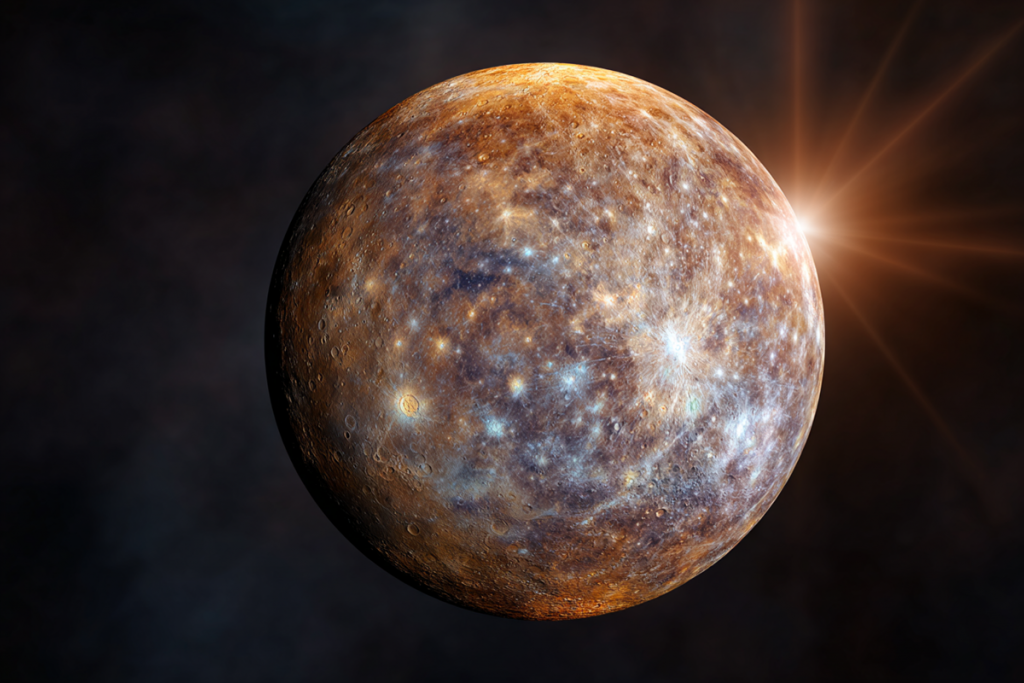
This is the celebrity of astrology terms. When Mercury appears to move backward from Earth’s perspective, astrologers say communication, travel, and technology can go haywire.
But here’s the accurate version: Mercury retrograde isn’t here to destroy your Wi-Fi. It’s a review period. Messages get crossed because you weren’t clear. Plans fall apart because they weren’t solid. Exes resurface because unfinished conversations exist.
It happens about three to four times a year, and no, it’s not rare. The real lesson? Slow down. Proofread. Clarify. Reflect. It’s less cosmic sabotage and more cosmic editing mode.
2. Birth Chart (Natal Chart)

Your birth chart is essentially a screenshot of the sky at the exact moment you were born. It maps where every planet was located — not just your Sun sign.
Think of it as your astrological blueprint. While your Sun sign gets all the attention, your chart also includes your Moon (emotions), Rising sign (how others see you), Mercury (communication style), Venus (love language), and more.
When someone says, “I’m not a typical Virgo,” they’re probably right — because they’re more than just their Sun sign. A birth chart adds nuance. It’s personality layering, not personality boxing.
3. Rising Sign (Ascendant)
Your Rising sign — also called the Ascendant — is the zodiac sign that was rising on the eastern horizon when you were born.
If your Sun sign is your core identity, your Rising sign is your social packaging. It’s first impressions. It’s how you walk into a room. It’s the vibe people pick up before they know you.
This is why two people with the same Sun sign can feel completely different. The Rising sign filters how the rest of your chart shows up. It’s the cosmic PR manager.
4. Moon Sign

Your Moon sign represents your emotional world — how you process feelings, seek comfort, and react under stress.
If your Sun sign is who you are consciously, your Moon is who you are at 2 a.m. when you’re overthinking everything. It governs instincts, moods, and your inner child.
This is why someone can seem bold and confident outwardly but deeply sensitive internally. The Moon sign often explains relationship compatibility more than the Sun sign does. It’s the emotional operating system.
5. Retrograde (In General)
Retrograde doesn’t mean a planet is physically spinning backward. It’s an optical illusion caused by differences in orbital speed.
Astrologically, retrogrades symbolize internalization. The planet’s themes turn inward. A Venus retrograde revisits love and values. A Mars retrograde reexamines motivation and anger. A Saturn retrograde reevaluates responsibility.
Retrogrades are not doom periods. They’re reflection cycles. If something resurfaces, it’s probably unresolved — not random.
6. Saturn Return
This is the term that makes twenty-somethings nervous. A Saturn return happens when Saturn returns to the exact position it was in when you were born — roughly around ages 28–30 and again around 58–60.
Saturn represents structure, responsibility, and maturity. So when it “returns,” life tends to get serious. Career shifts. Breakups. Commitments. Existential questions.
It’s not punishment. It’s a rite of passage. Saturn asks: Are you building a life that actually fits you? If not, expect some restructuring. It’s adulthood — cosmically scheduled.
7. Elements (Fire, Earth, Air, Water)

Each zodiac sign belongs to one of four elements:
Fire: Aries, Leo, Sagittarius
Earth: Taurus, Virgo, Capricorn
Air: Gemini, Libra, Aquarius
Water: Cancer, Scorpio, Pisces
Elements describe temperament. Fire signs are action-oriented. Earth signs are practical. Air signs are intellectual. Water signs are emotional.
Understanding elements makes compatibility discussions far more logical. It’s not about “good” or “bad” signs — it’s about energetic styles. Fire evaporates water. Earth grounds it. Air fuels fire. You get the idea.
8. Houses
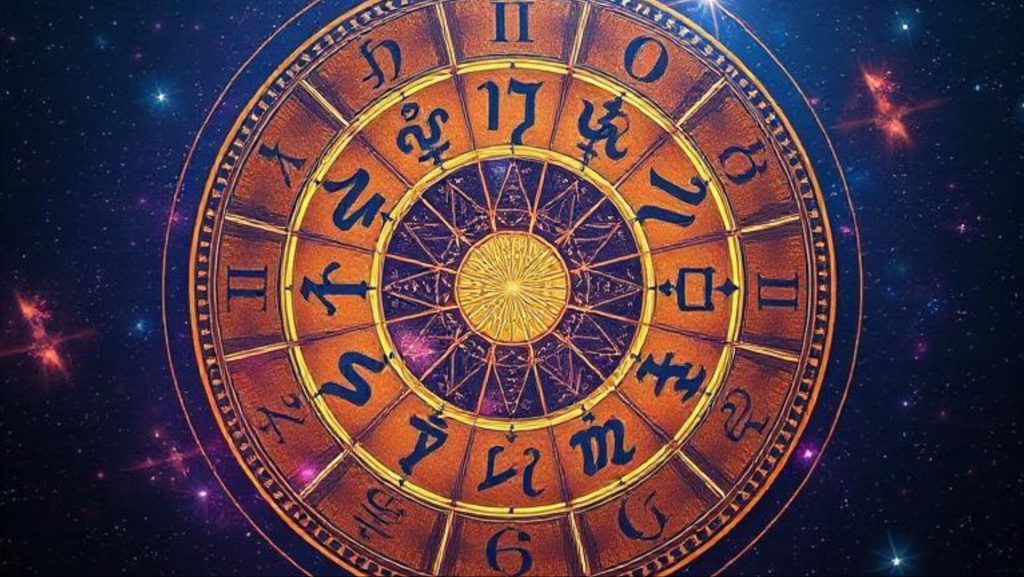
If planets are actors and signs are costumes, houses are the stages where the action happens.
Your birth chart is divided into 12 houses, each representing life areas — relationships, career, home, money, identity, and so on.
For example, if someone has Venus in the 10th house, love and career may intertwine. If Mars is in the 4th house, family dynamics might spark conflict.
Houses add context. They answer the question: Where does this energy show up in your life?
9. Aspects
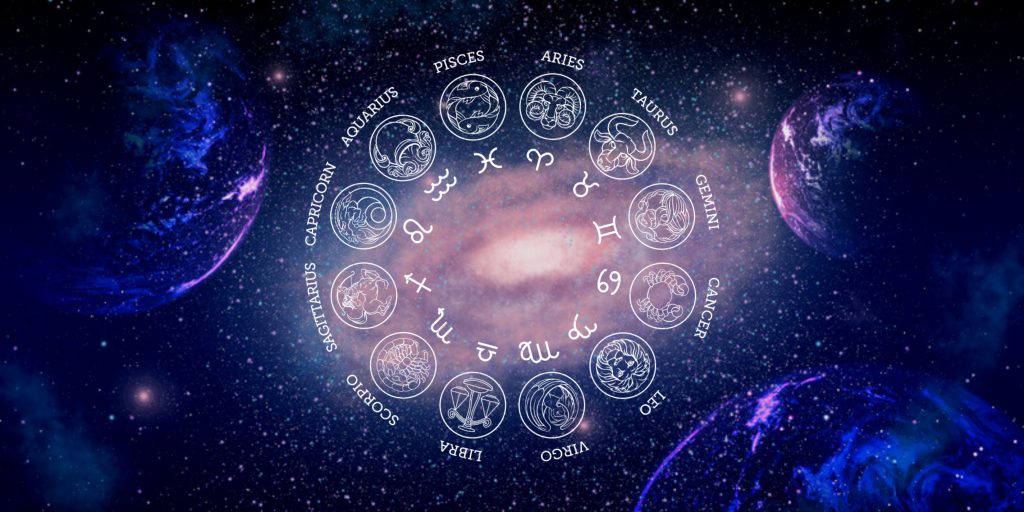
Aspects describe the angles planets make to each other in a chart. These angles determine whether planetary energies flow smoothly or create tension.
A trine is harmonious. A square is challenging. An opposition pulls in opposite directions.
If someone says, “I have a Moon square Pluto,” they’re describing an internal tension between emotional needs and power dynamics. Aspects explain complexity. They show how parts of you cooperate — or clash.
10. Transit
A transit refers to the current movement of planets in the sky and how they interact with your birth chart.
For example, if Jupiter moves over your natal Sun, that transit might bring growth or opportunity. If Pluto makes a hard aspect to your Moon, emotional transformation could be underway.
Transits are temporary influences. They don’t define you — they activate you. They’re like weather patterns moving through your personal atmosphere.

Lover of good music, reading, astrology and making memories with friends and spreading positive vibes! 🎶✨I aim to inspire others to find meaning and purpose through a deeper understanding of the universe’s energies.