
Biblical numbers are a little like the relatives at a family wedding—everyone has heard stories about them, nobody fully understands them, and at least one of them has a slightly bad reputation.
From mysterious 666 to the wholesome perfection of 7, these digits have been carrying spiritual luggage for thousands of years. Ancient writers used numbers the way we use emojis today: to hint, exaggerate, and add dramatic sparkle.
Unfortunately, modern readers often treat them like secret passcodes to the apocalypse instead of symbolic storytelling tools. The Bible was written in cultures that loved numerology, and those cultures sprinkled meaning into every figure the way bakers sprinkle powdered sugar—generously and sometimes messily.
Let’s take a stroll through some of the most famous numbers and what they were actually trying to say.
1. 666 – The Celebrity Villain of Numbers
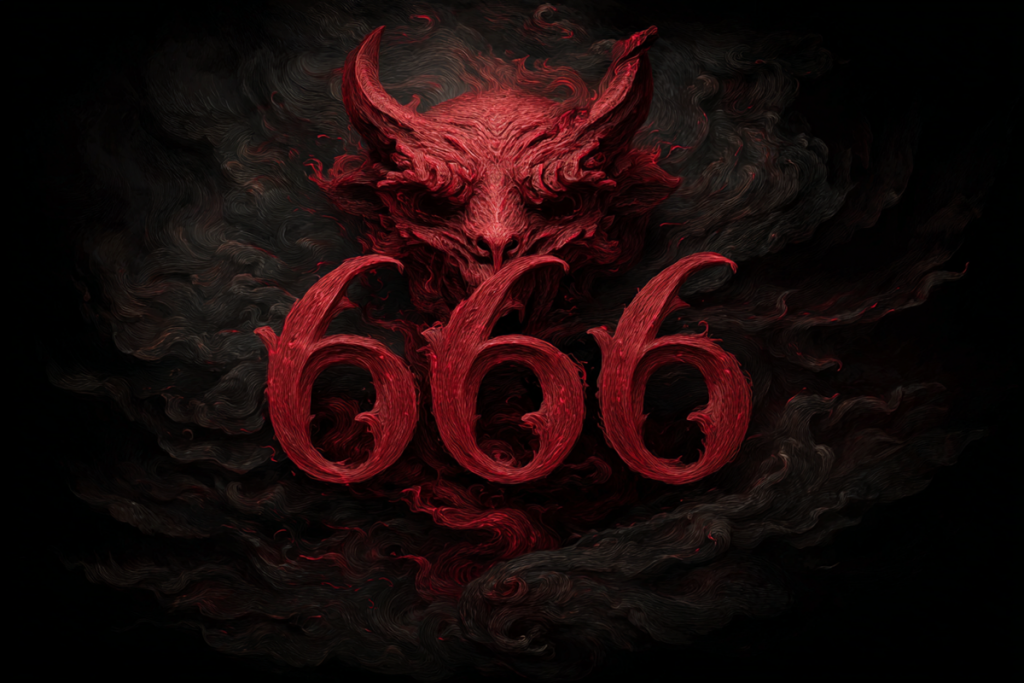
Poor 666. No number in history has suffered worse public relations. It’s the biblical equivalent of the kid in school everyone blames when the vending machine eats their coins. In the Book of Revelation, 666 is called “the number of the beast,” which sounds terrifying until you realize ancient writers loved riddles more than modern escape-room designers.
Scholars believe the number was probably a coded reference to a real historical figure, most likely Emperor Nero, whose name can be squeezed into 666 using Hebrew letter math called gematria. Instead of a spooky barcode on future foreheads, it was likely a first-century diss track aimed at a tyrant.
Over time, imagination inflated it into the mascot of horror movies, heavy-metal albums, and suspicious microwave clocks. The real lesson? Sometimes a number is less a demon and more a sarcastic political cartoon carved into scripture.
2. 7 – God’s Favorite Lucky Charm
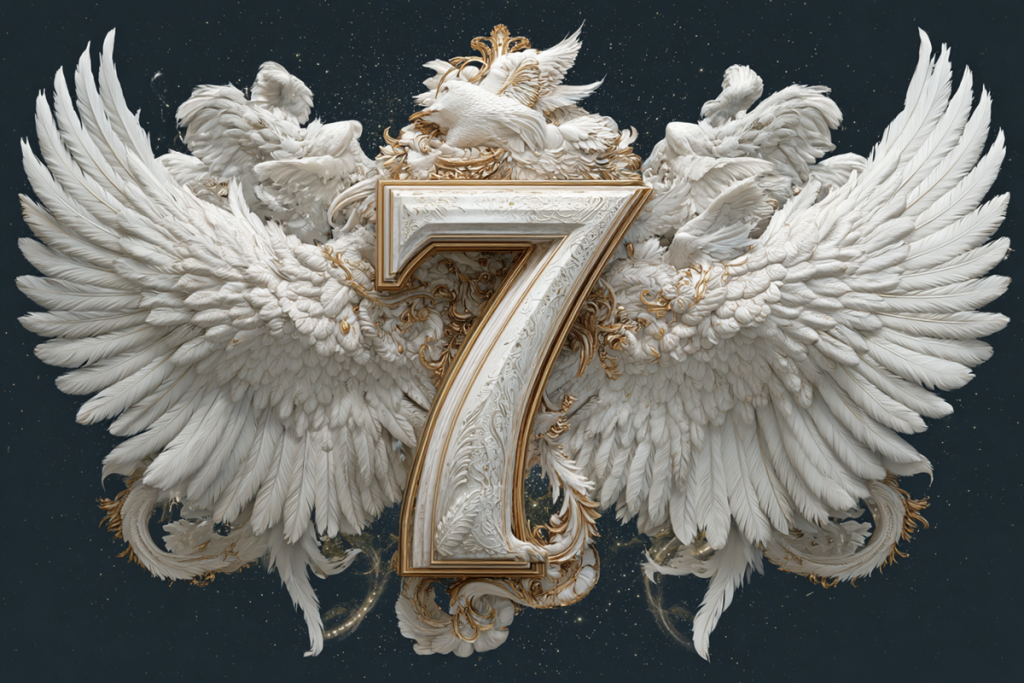
If numbers had a popularity contest, 7 would wear the crown, sash, and a smug smile. The Bible treats 7 like the VIP guest at every spiritual party. Creation took seven days, Jericho fell after seven trumpet blasts, and Peter was told to forgive not seven times but seventy-seven times—basically “keep forgiving until you’re tired of counting.”
In ancient culture, 7 symbolized completeness, like saying, “This is the whole package, batteries included.” It combined the divine number 3 with the earthly number 4, making it a cosmic smoothie of heaven and dirt.
Even today people feel oddly warm toward 7—slot machines, wedding dates, and phone passwords prove it. The Bible didn’t invent our love for 7, but it definitely put the number on the spiritual map with glitter and confetti.
3. 12 – The Administrative Assistant of Heaven
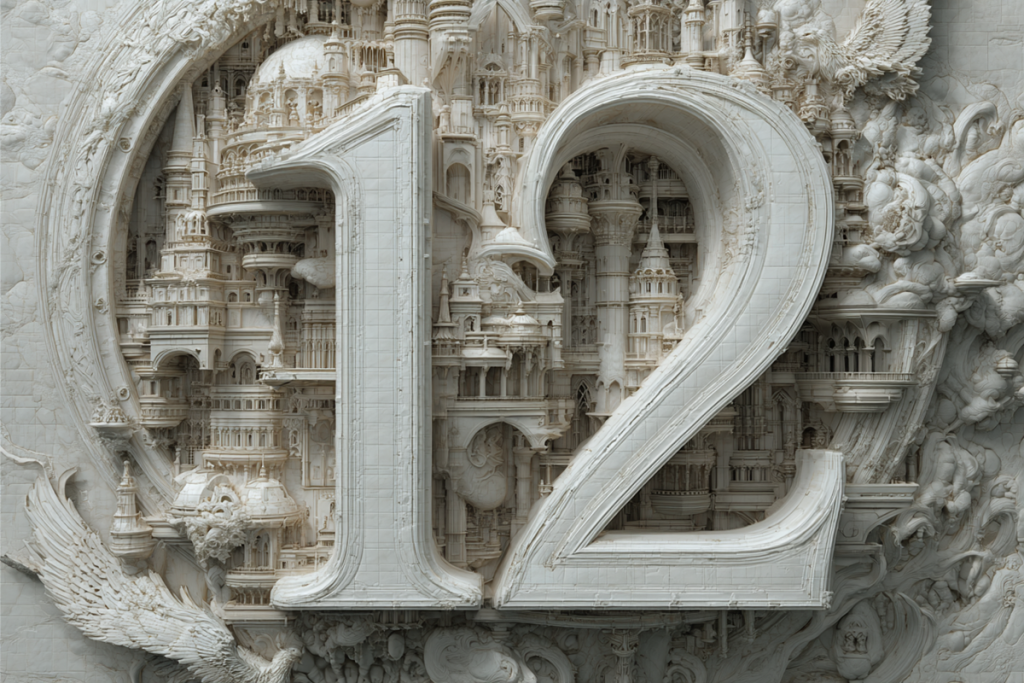
Twelve is the Bible’s organization manager, clipboard in hand, making sure salvation runs on schedule. There were twelve tribes of Israel, twelve apostles, and in Revelation the heavenly city has twelve gates, twelve foundations, and probably twelve parking spaces for angel camels.
The number represented God’s people arranged in neat rows, like divine IKEA furniture. Ancient societies used base-twelve systems because you can divide 12 by almost anything without crying, so it became a symbol of order and community.
When Jesus chose twelve disciples, he wasn’t just collecting fishing buddies; he was rebooting Israel with a symbolic starter pack. Even today we live by dozens and dials set to twelve hours. The Bible’s message was clear: when God builds something, He prefers structure, teamwork, and a tidy spreadsheet.
4. 40 – The Official Number of “Hang in There”

Whenever the Bible says 40, you should imagine a cosmic loading bar. It’s the number of waiting rooms, wilderness diets, and character development arcs. The flood rained for forty days, Israel wandered forty years, and Jesus fasted forty days while probably dreaming about bread commercials.
In ancient storytelling, 40 didn’t always mean an exact calendar count; it meant “a really long time that changes you and maybe gives you emotional maturity.” Think of it as God’s boot camp length—long enough to complain, cry, and finally grow up.
Modern life still echoes this: forty-hour workweeks, forty weeks of pregnancy, forty minutes stuck on hold with customer service. The Bible uses 40 to whisper, “Transformation is slow, slightly uncomfortable, and involves snacks you can’t eat yet.”
5. 3 – The Divine Triangle of Drama
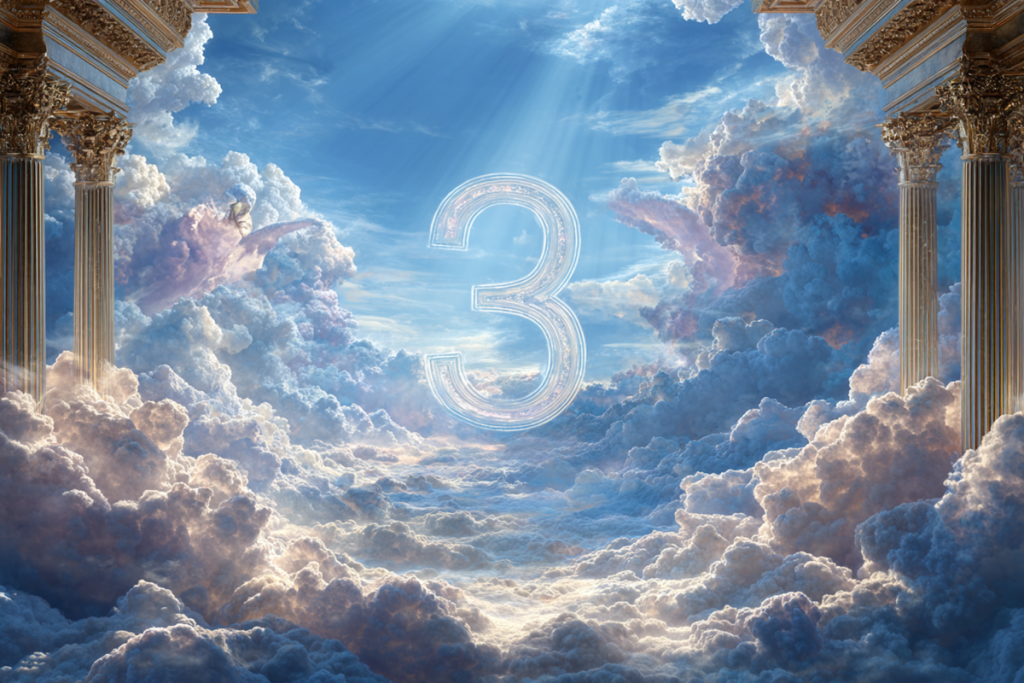
Three is the Bible’s rhythm section, tapping out a holy beat: beginning, middle, end. Jonah spent three days in the fish, Jesus rose on the third day, and Peter denied Him three times before the rooster turned into an alarm clock with feathers.
The number suggested stability—like a three-legged stool that won’t wobble even if Uncle Bartholomew sits on it. Christianity later saw 3 as a wink toward the Trinity, giving it superstar theological status. Ancient storytellers loved triples because audiences remembered them: three visitors to Abraham, three gifts from the Magi, three chances before someone learns their lesson.
Even fairy tales copied the formula with three wishes and three bears. Biblically, 3 means something is established, confirmed, and ready for the credits to roll.
6. 10 – God’s Top-Ten List

Long before late-night comedians invented countdowns, the Bible rolled out the original top-ten chart: the Ten Commandments. Ten symbolized completeness in a practical, down-to-earth way—the number of fingers you use to count bills or point angrily at your sibling.
Plagues of Egypt came in tens, reminding Pharaoh that God grades on a very strict rubric. Ancient peoples saw 10 as a full set, like getting the entire collection instead of just the action figure without accessories. It marked responsibility and law: ten toes to walk the right path, ten fingers to avoid stealing cookies.
Even today we measure decades and percentages by tens. The biblical message was simple—live by these ten guidelines and society functions; ignore them and you get a reality show called Exodus.

Lover of good music, reading, astrology and making memories with friends and spreading positive vibes! 🎶✨I aim to inspire others to find meaning and purpose through a deeper understanding of the universe’s energies.