
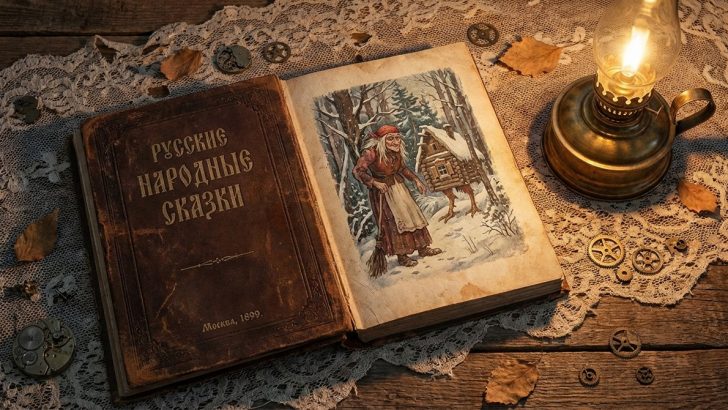
Baba Yaga is not terrifying in the way modern horror villains are terrifying. She doesn’t rely on jump scares, gore, or spectacle. Her fear comes from something much older and more unsettling: she represents a force that cannot be controlled, reasoned with, or softened.
In Slavic folklore, Baba Yaga exists at the edge of the known world—deep in the forest, beyond social rules, moral certainty, and human safety.
She is terrifying because she embodies the chaos that waits beyond civilization’s borders.
1. She Lives Outside Human Law
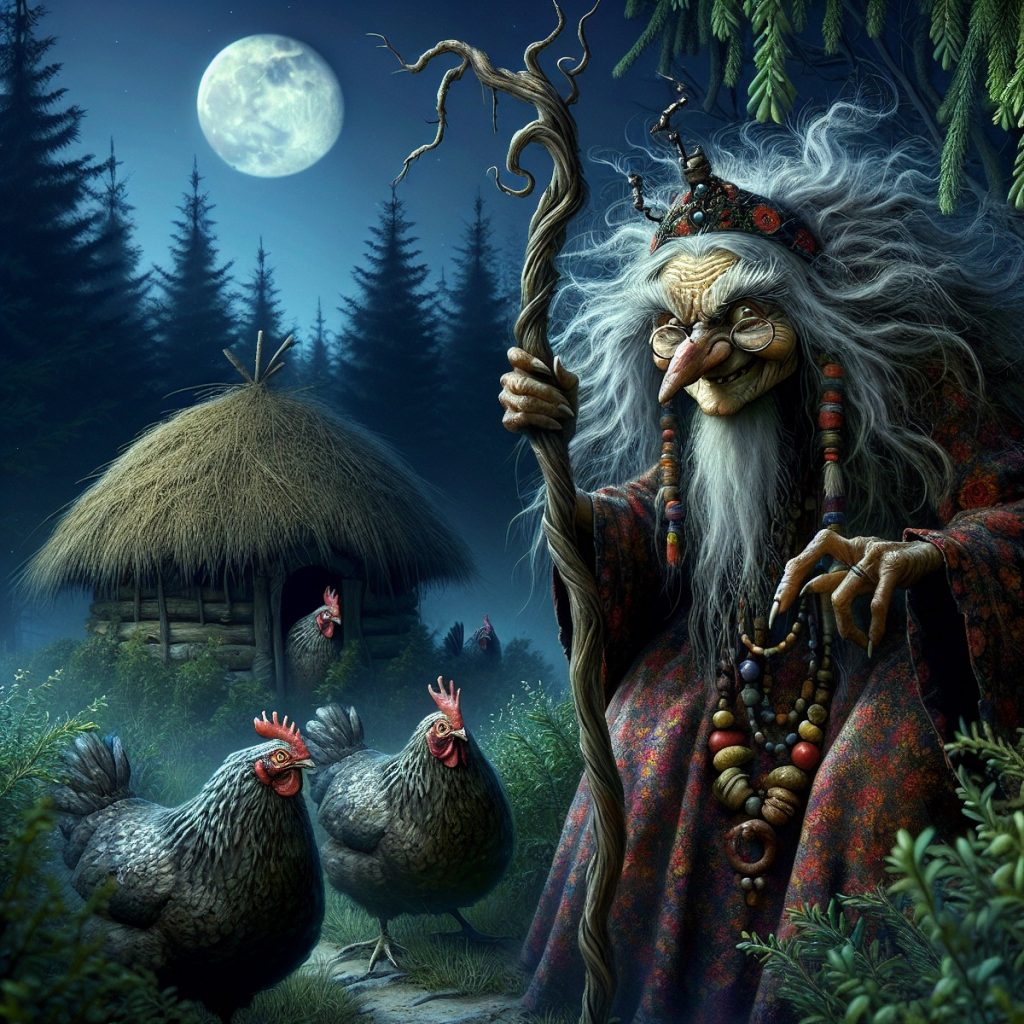
Baba Yaga’s hut stands on chicken legs, constantly moving, refusing permanence or predictability. This alone makes her unsettling. Human beings fear what cannot be fixed in place. The forest she inhabits is not just a setting—it is a symbol of the unknown, a space where normal rules do not apply.
Baba Yaga answers to no king, no god, no moral authority familiar to humans. She is not evil in a simple sense; she is ungoverned. And that is deeply frightening.
2. She Is Neither Villain nor Hero
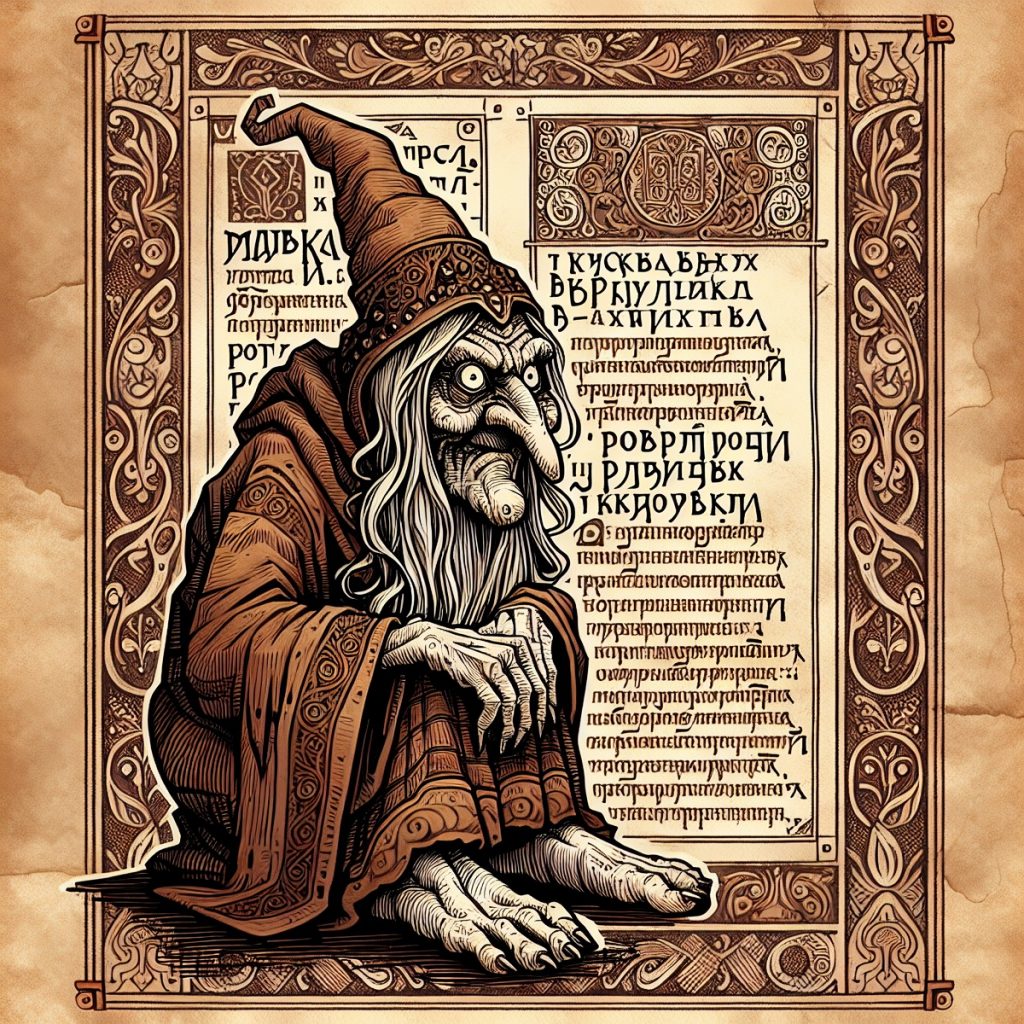
One of the most disturbing aspects of Baba Yaga is her moral ambiguity. In some stories, she devours children. In others, she offers guidance, magical tools, or crucial wisdom. There is no consistent version of her behavior because she is not meant to be predictable.
Baba Yaga rewards intelligence, courage, and respect—but punishes laziness, arrogance, and foolishness without hesitation. You cannot flatter her into kindness or plead your way into safety. Survival depends on perception and self-awareness, not innocence.
3. She Is a Guardian of Thresholds
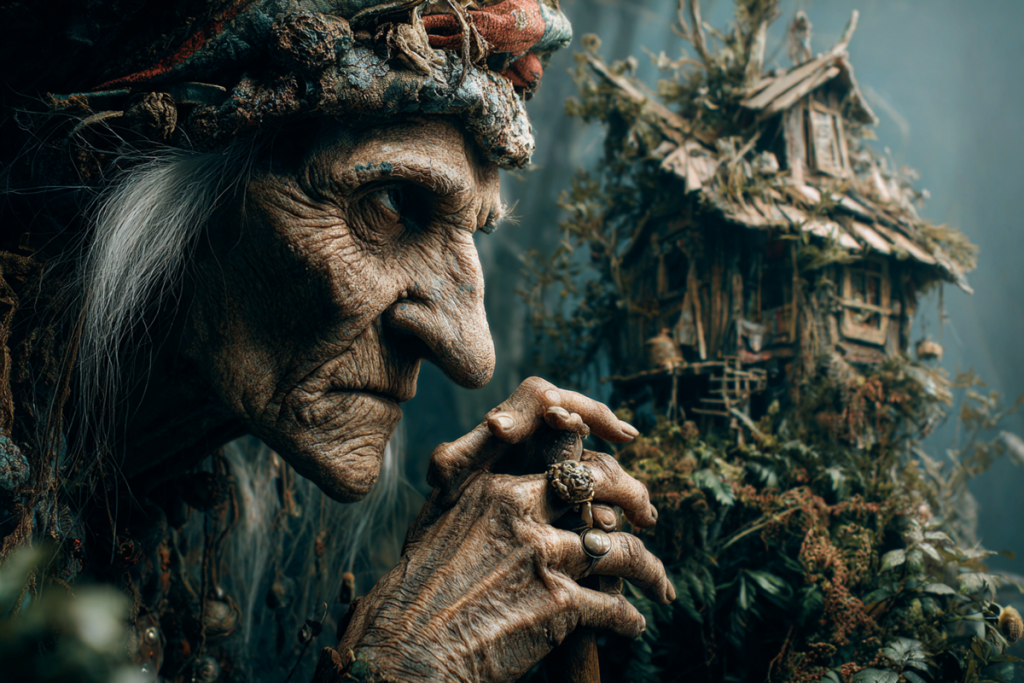
Baba Yaga often appears at moments of transition—between childhood and adulthood, safety and danger, life and death. Her home sits at a symbolic crossroads, marking the boundary between worlds.
Characters who encounter her are rarely the same afterward. She does not simply test them; she initiates them. This makes her terrifying because she represents unavoidable transformation. To meet Baba Yaga is to face a version of yourself stripped of social protection.
4. Her Appearance Defies Comfort
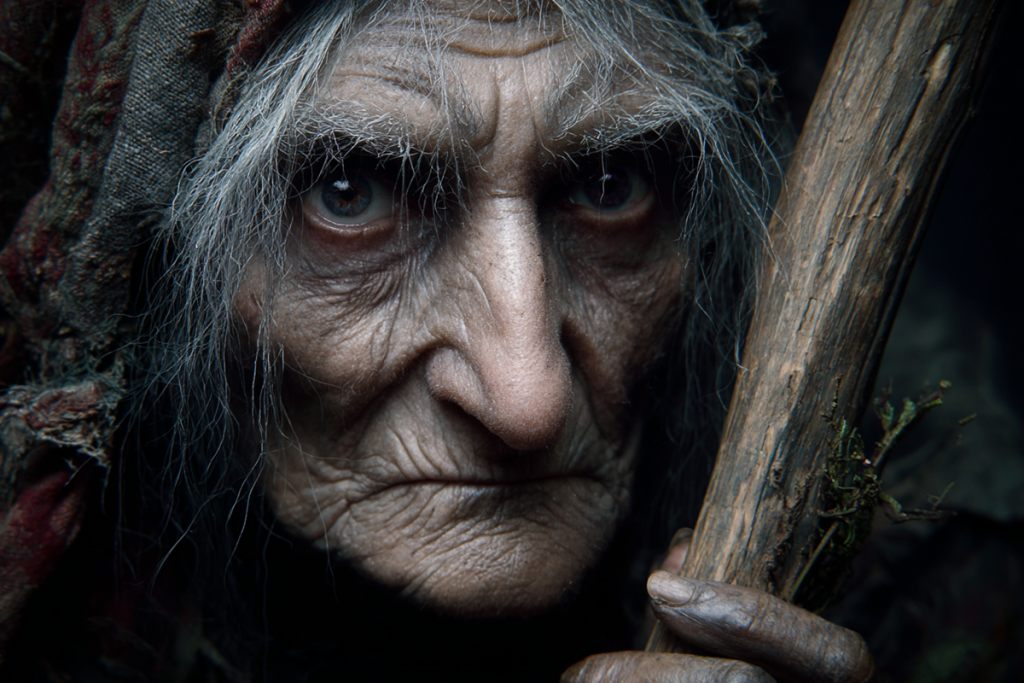
Baba Yaga is depicted as grotesque: skeletal, iron-toothed, bent with age, sometimes partially monstrous. Unlike modern witches who are often glamorized, Baba Yaga’s body reflects decay, time, and mortality.
She reminds people that aging and death are not beautiful or polite. Her body is honest—and honesty, especially about mortality, is uncomfortable. She does not soften herself to be palatable.
5. She Moves in Ways Humans Shouldn’t
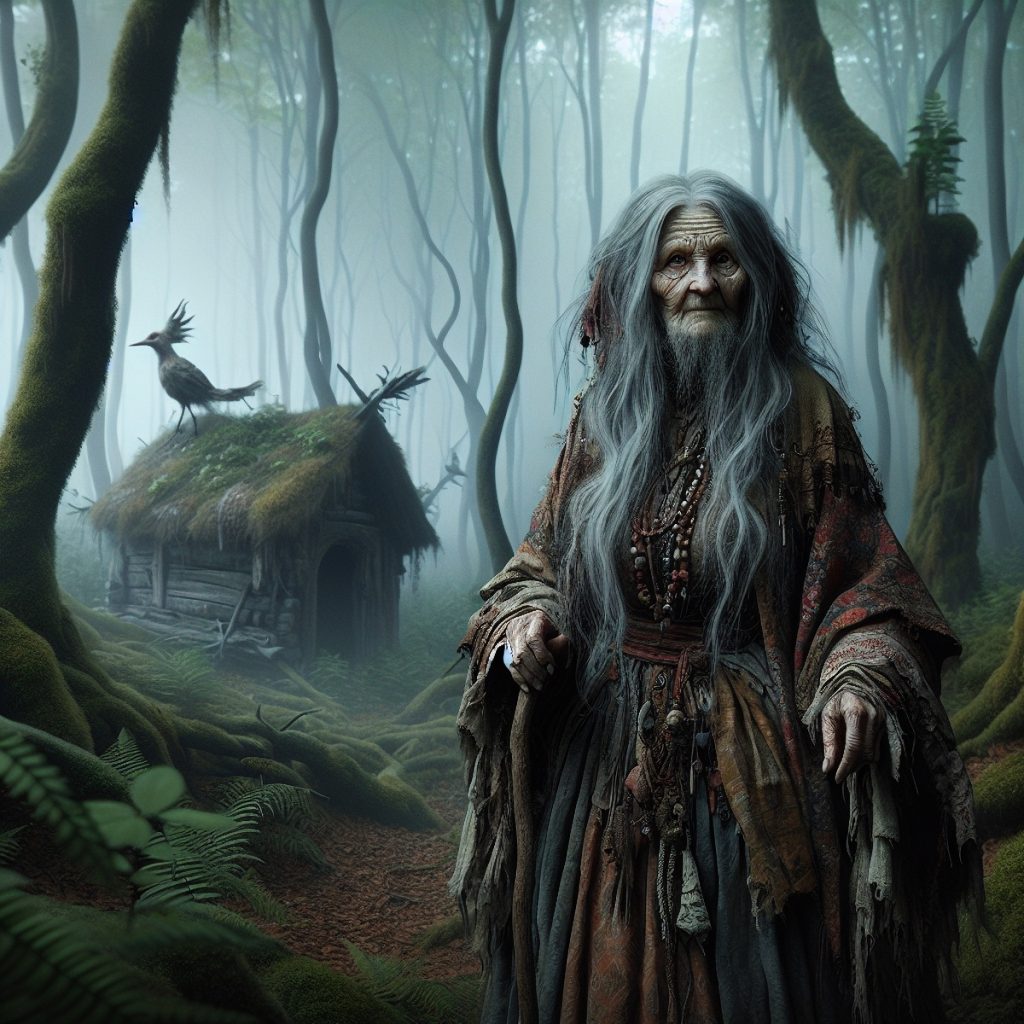
Baba Yaga flies in a mortar, steering with a pestle, sweeping away her tracks with a broom. These details are not whimsical—they are deeply unsettling. Her movement defies logic and natural law.
She doesn’t walk like a human or travel like an animal. She glides through the world in a way that suggests mastery over forces humans do not understand. This reinforces her status as something other—neither fully human nor fully supernatural.
6. She Reflects Ancient Fear of the Wild Feminine

At her core, Baba Yaga embodies ancient anxieties surrounding feminine power that exists outside motherhood, youth, or obedience. She is old, solitary, and self-sufficient. She needs nothing from society and offers no reassurance.
In patriarchal cultures, this kind of woman is often framed as monstrous—not because she is evil, but because she is uncontrollable. Baba Yaga terrifies because she refuses domestication.
7. She Cannot Be Defeated
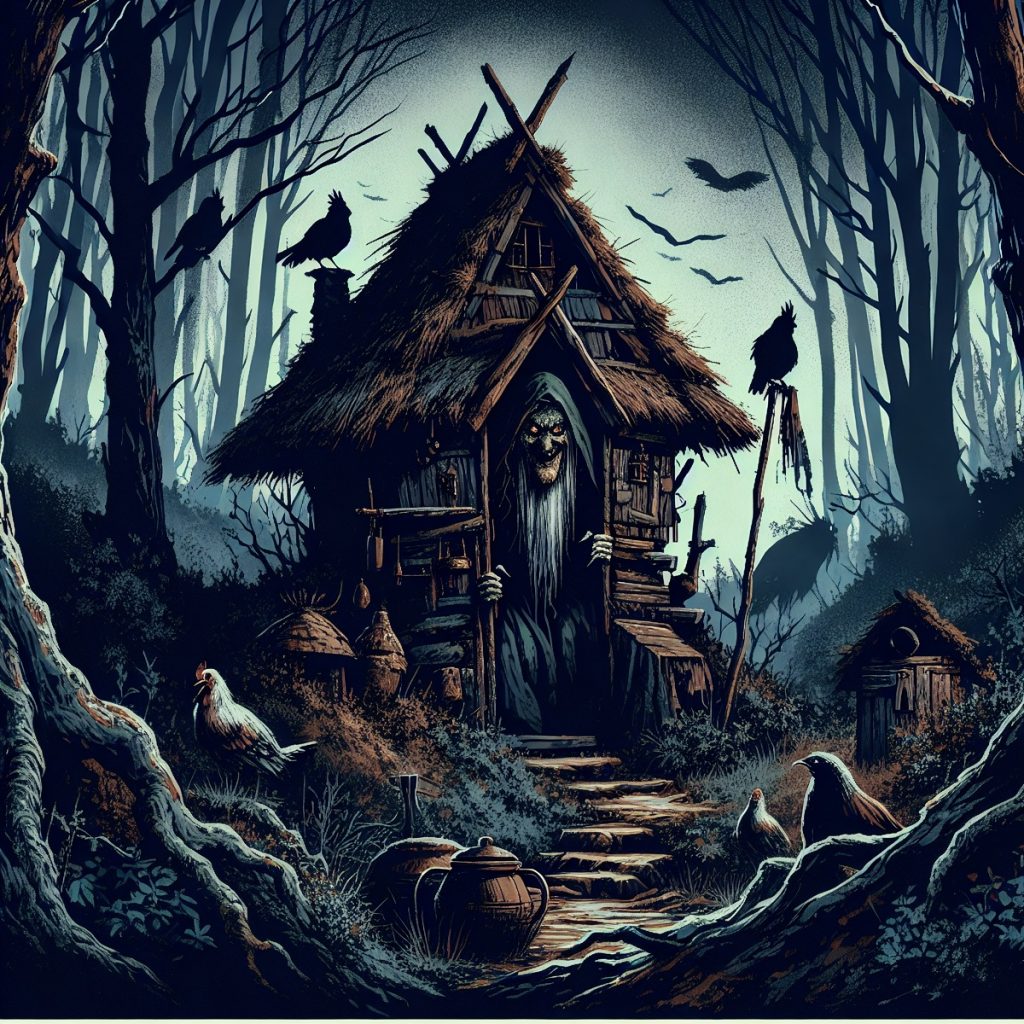
There is no tale in which Baba Yaga is permanently destroyed. Heroes escape her, outwit her, or receive her aid—but she remains. This is perhaps the most frightening aspect of all.
Baba Yaga is not a problem to be solved. She is a presence to be survived. She exists beyond victory or defeat, reminding us that some forces in life must be faced, not conquered.
8. The Real Terror
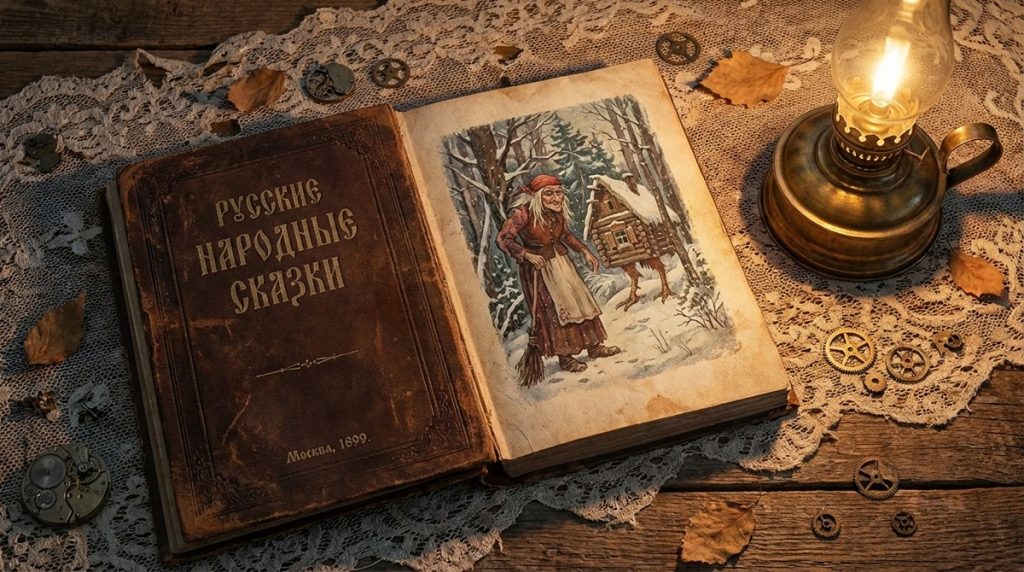
Baba Yaga is terrifying because she mirrors the truths humans avoid: nature is indifferent, wisdom is earned through suffering, and transformation is not gentle. She is the fear of stepping into the unknown—and realizing the unknown is watching you back.
And unlike modern monsters, Baba Yaga doesn’t chase you.
She waits.

Lover of good music, reading, astrology and making memories with friends and spreading positive vibes! 🎶✨I aim to inspire others to find meaning and purpose through a deeper understanding of the universe’s energies.