
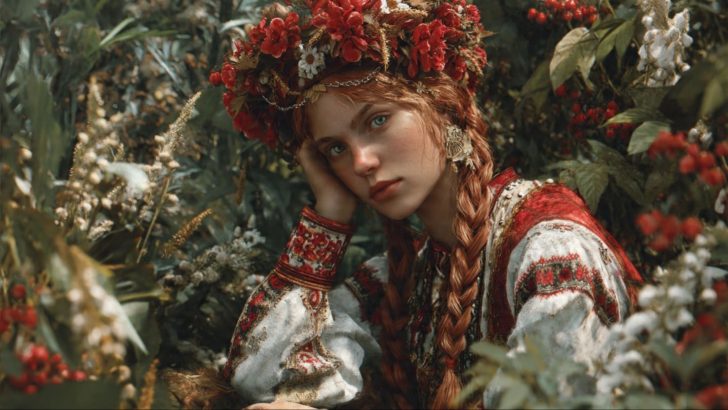
Slavic mythology is largely a mystery, since it wasn’t well documented, unlike Norse or Greek myths.
What we do know about its pantheon comes from foreign travelogues and oral tradition. So, we know that Slavic religion was primarily agricultural.
This means that its gods and goddesses were symbols of nature, the seasons, and other phenomena.
These 7 goddesses capture the essence of the Slavic lifestyle in those archaic times.
1. Mokosh
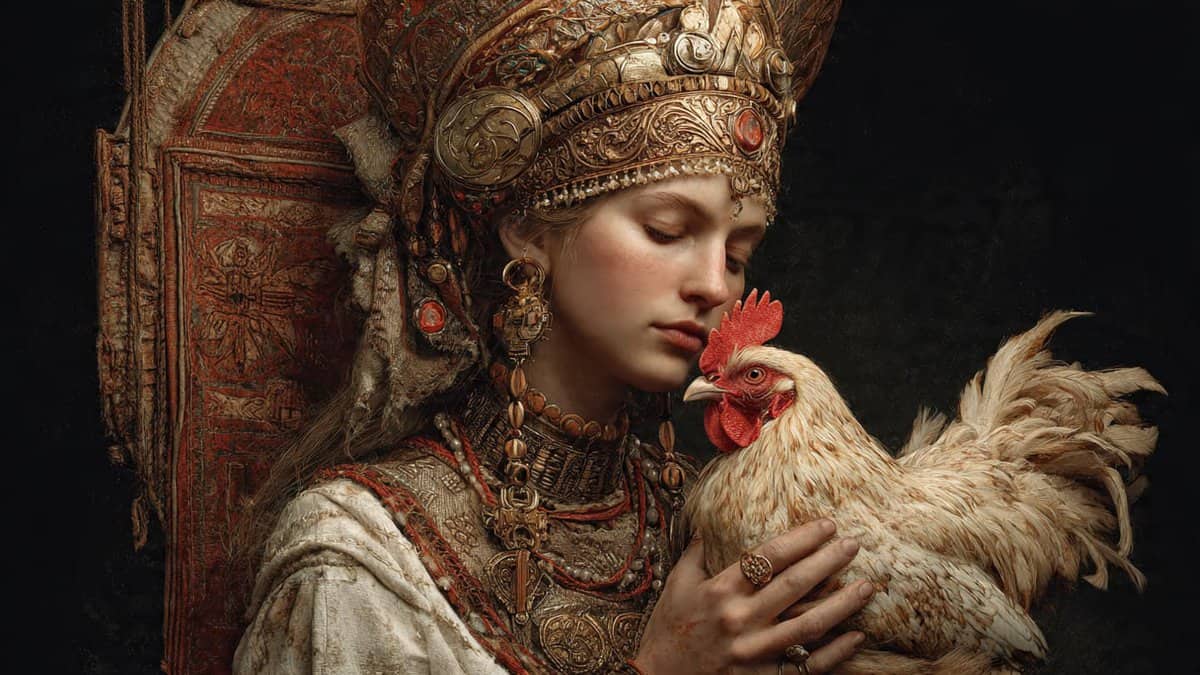
Mokosh is often seen as Mother Earth herself. She’s the goddess of fertility, soil, marriage, and women’s work, like spinning and weaving.
People worshipped her for good harvests and safe childbirth. She was also the deity that Slavic women turned to for protection.
Temples and altars dedicated to Mokosh were common, and her symbols included grain and spinning tools.
She’s also often connected to chickens, and this is likely because she’s a domestic deity, focused on home and housework.
Mokosh is typically depicted as a matron. She was a nurturing figure, connected to the fertility of the people and land.
Her worship was synced with agricultural cycles, marking the importance of soil.
2. Morana
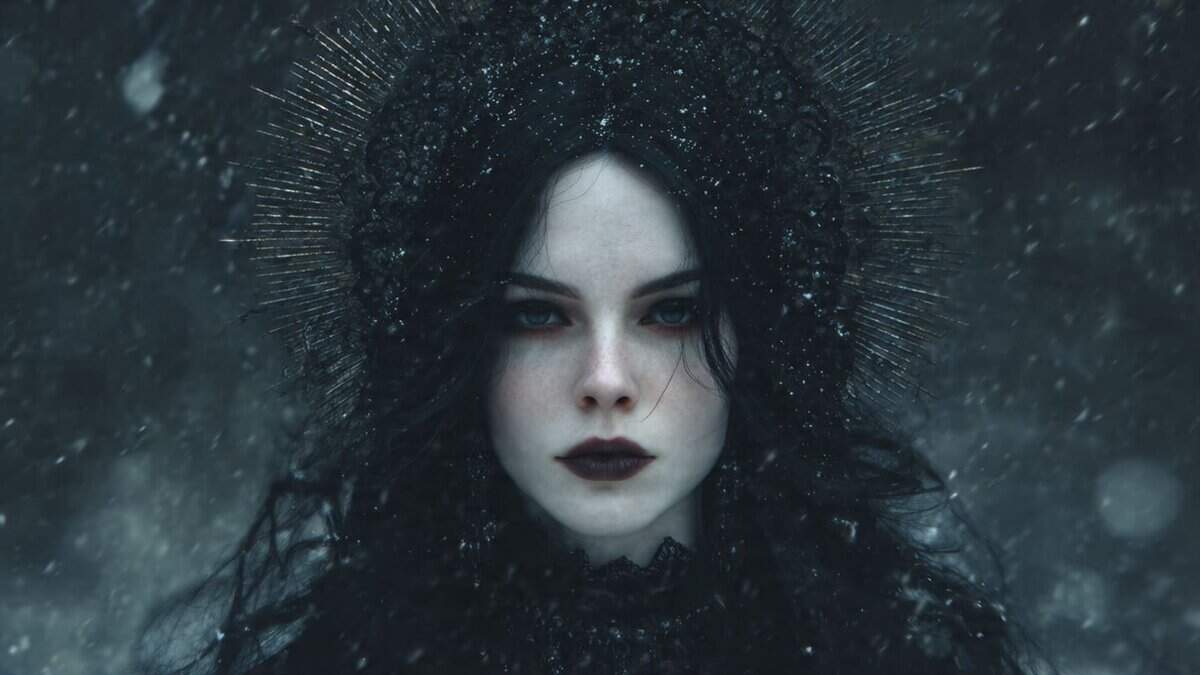
Morana is the fierce goddess of death, and her name appears in a few variations: Marzanna, Morena, etc.
The etymology of her name is also interesting, as it’s derived from the Proto-Indo-European mer- (death, harm).
She represents the cold, dark half of the year, bringing the end of the growing season and the arrival of winter’s harshness.
People believed she had the power to freeze life itself, and her worship involved seasonal rites to bid farewell to her at the end of winter (Maslenitsa).
Rituals included burning or drowning her effigy to welcome the spring’s return.
Cold and winter were very harsh in Europe of that time, even in the south. This puts in perspective why Morana was such a feared and hated deity.
She’s depicted as a dark, pale, terrifying figure, and is the only Slavic goddess with jet black hair. This is meaningful, since fully black hair is rare among Slavs.
3. Lada
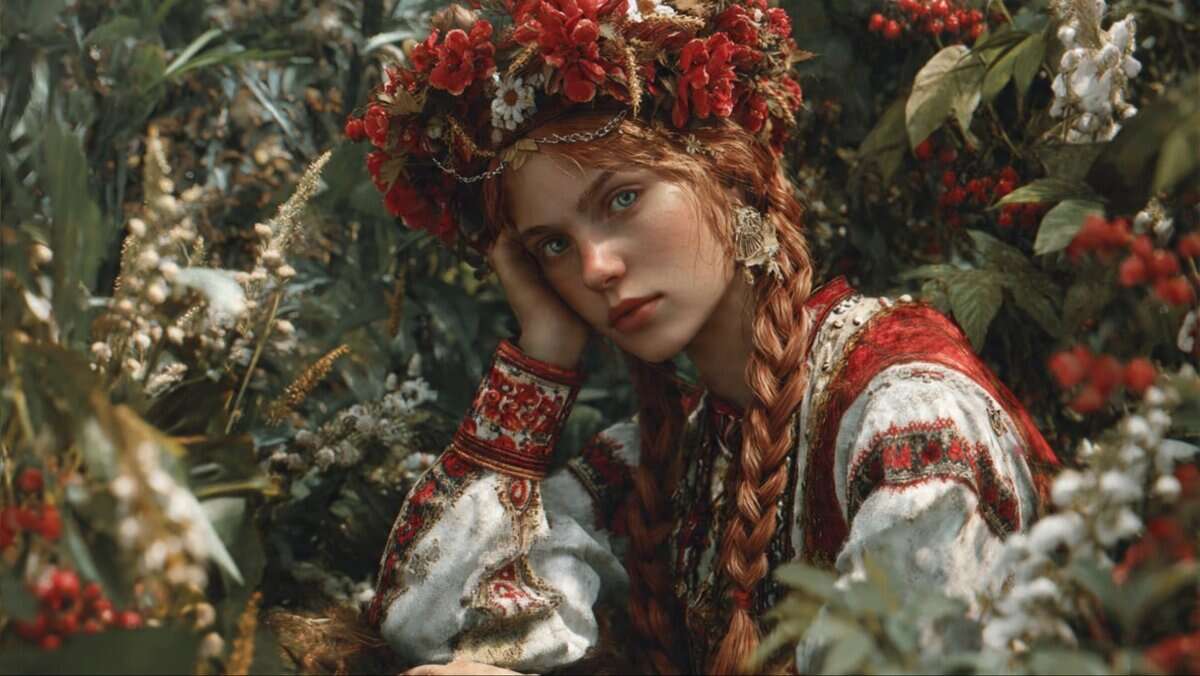
Lada is the goddess of love, beauty, and fertility, often called the “Slavic Venus.”
She’s also associated with spring and harmony.
Slavs sought her blessings for happy families and love, worshipping her through festivals and dances.
Lada is depicted as a beautiful young woman with flowers in her hair, radiating warmth and joy.
In folklore, she’s a nurturing figure who promotes fertility, as well as harmony between humans and nature.
Her festivals marked the arrival of spring and the renewal of life.
She embodies the joyful side of nature – the side that sustains life.
4. Vesna

Vesna is the lively goddess of spring and renewal.
Her name literally means ‘spring’ in several Slavic languages, and it’s derived from the word herald. So, she’s the one who brings spring.
She’s the personification of new beginnings. People celebrated her with bright colors, feasts, songs, and dances, welcoming the warmth she brought.
In folklore, Vesna’s arrival signals the start of the planting season. She brings the rebirth of nature.
Worshipping Vesna was important for farmers and communities, as they relied on her to bring good weather and abundance.
She’s the optimistic force that reminds us the cycle of life continues endlessly.
5. Zhyva
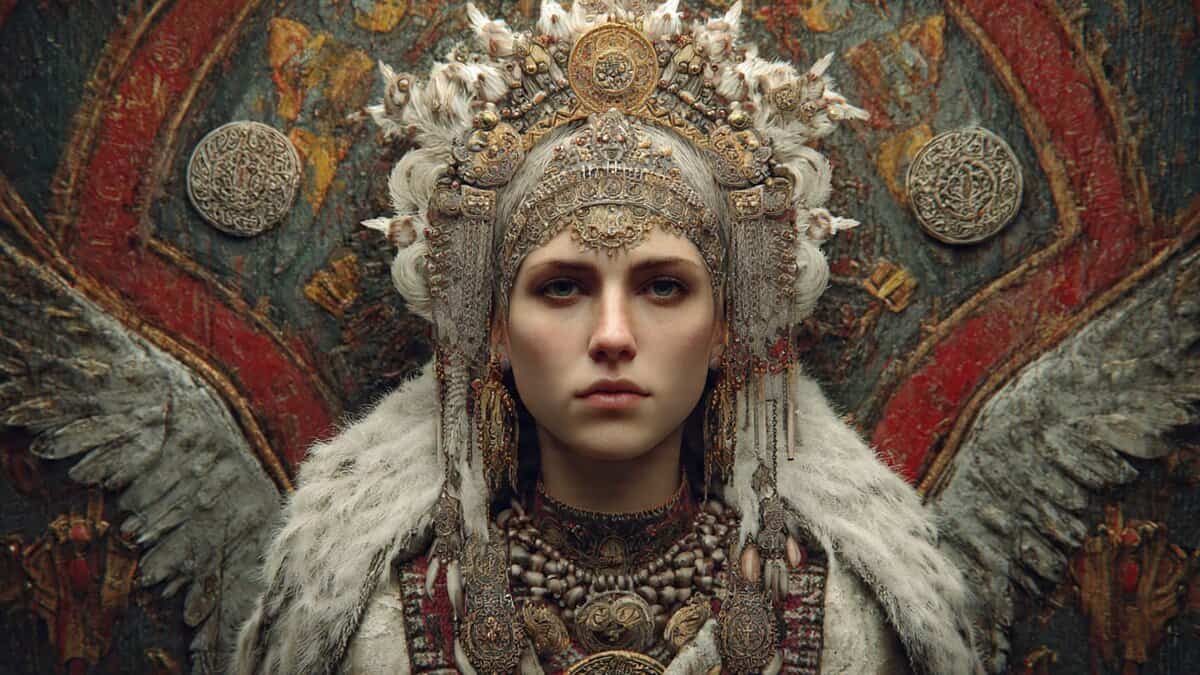
Zhyva is the goddess of vitality and life force. Her name literally means alive.
She embodies the power that keeps life going, whether it’s the life of plants, animals, or people.
She was worshipped in small, rural communities that believed she could grant them health and strength. People relied on her especially during times of sickness and hardship.
She might be depicted with symbols of health, such as herbs or water. She’s essentially the breath of life that moves all living things.
Her rituals involved offerings of food and drink, before asking for her blessing.
Zhyva is the deity that reminds us of the interconnectedness of all living things.
6. Devana
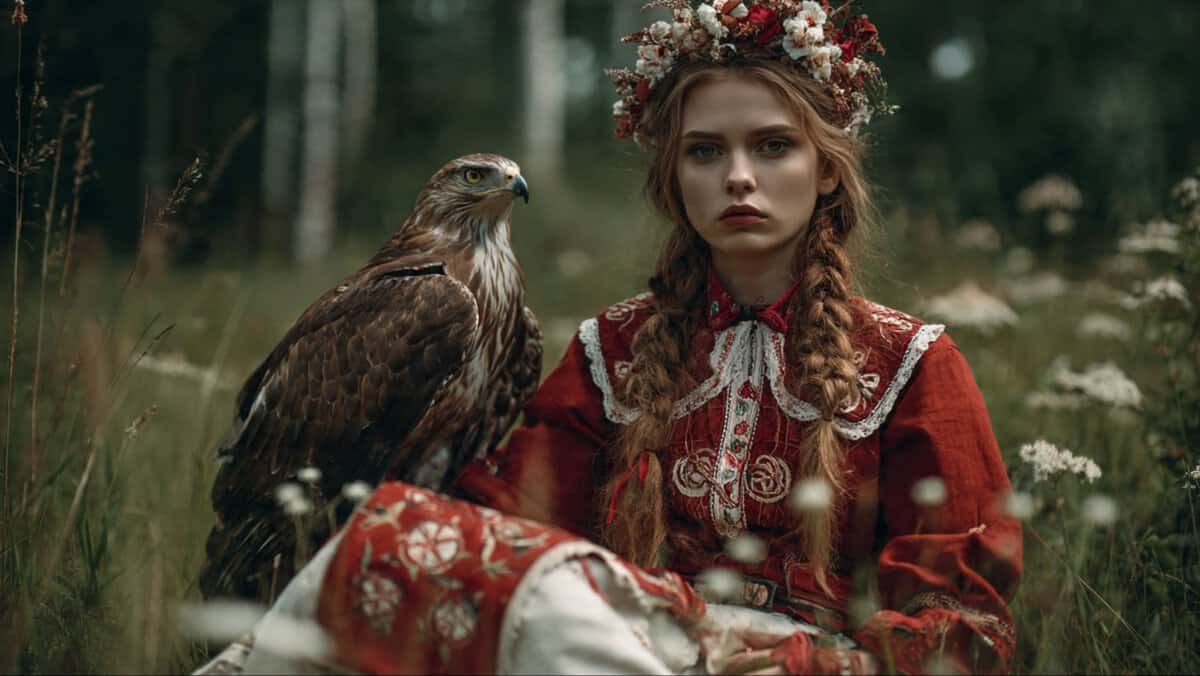
Devana is the goddess of the hunt, forests, and wild animals. She’s a protector of the natural world and all of its creatures.
She’s often compared to Artemis since the two share many similarities. Devana is also a virgin goddess, and her name is even derived from the word that means maiden or virgin.
This aspect marks her as independent.
She was mainly worshipped by hunters and those who lived near forests. She was honored through offerings of game and hunting tools.
She’s depicted as a strong, agile woman with a bow.
Her worship highlights the importance of respecting nature and its resources.
Hunters believed she kept them safe and provided good luck, but she was also a deity who made sure people wouldn’t abuse the wilderness.
7. Poludnitsa
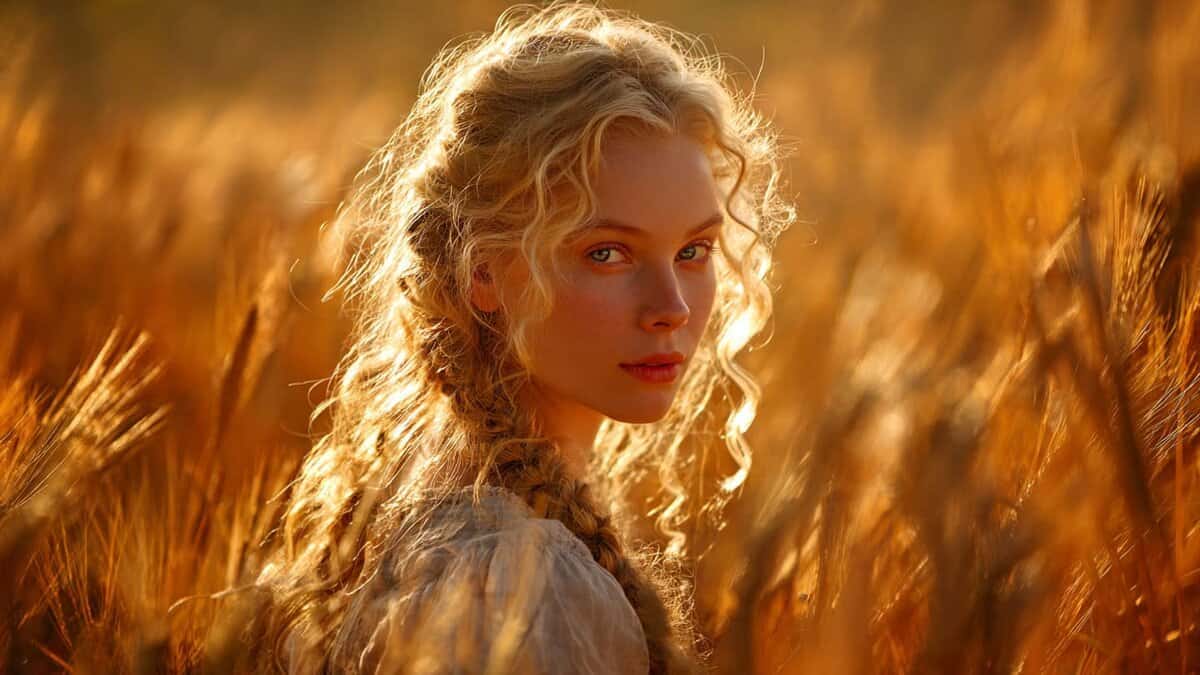
Poludnitsa is a locally worshipped goddess, so you won’t find her among all Slavic pagans.
She’s also an agricultural deity with a very specific role: keeping people inside during the hottest hours of the day.
Her name comes from the words half and day, so essentially, she’s the goddess of midday.
Farmers and travelers feared her wrath, as she was believed to cause sunstroke or madness if disrespected.
She’s someone depicted wearing white and lurking in the fields.
Poludnitsa is another deity who reminds us that we must respect nature. We can’t believe ourselves to be above it, or there will be very clear consequences.
She embodied the untamable power of the sun, as well as the importance of balance.
People showed her respect by taking a break or retreating into the shade during the hottest hours.
Rituals might have included offerings to give them gentle sun that wouldn’t burn them or their fields.

A little Aquarius, devoted to writing and embroidery. Through my writing, I hope to empower readers to align with their true selves and navigate life’s mysteries with confidence.