

The Bible is full of epic miracles, heroic faith, and divine plot twists—but tucked between the parting seas and heavenly visions are some quietly devastating stories that don’t always get center stage. These are the moments that don’t make it onto Sunday school posters: the heartbreak, the misunderstandings, and the deeply human struggles that feel almost too real.
So, in the spirit of respectful curiosity (and just a pinch of dark humor to help us cope), here are some of the Bible’s most unspoken tragic stories—the ones that make you pause and say, “Wait… that’s actually really sad.”
1. Jephthah’s Daughter: A Victory Nobody Wanted
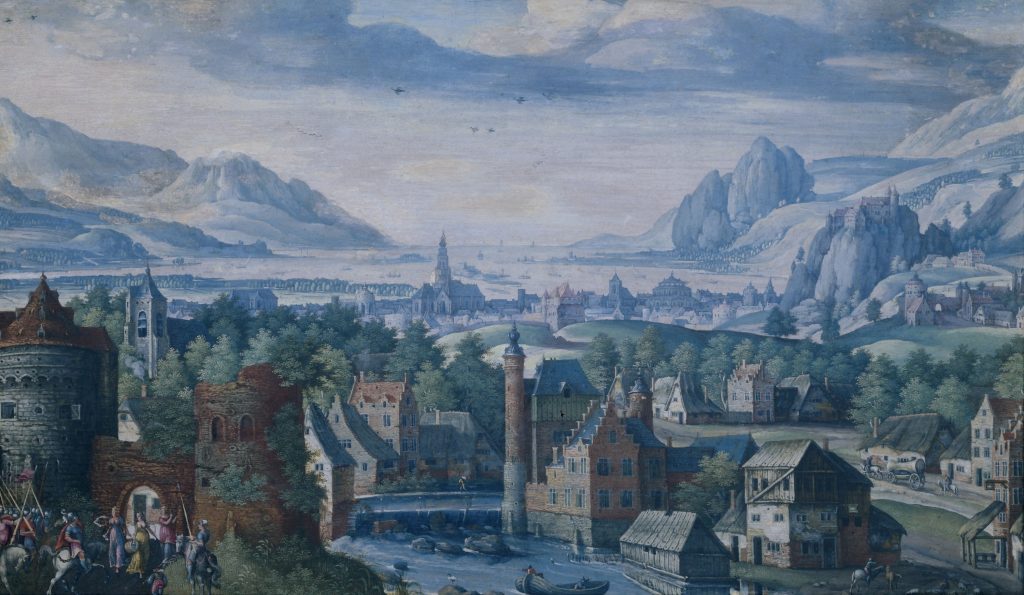
Jephthah, a judge of Israel, made a bold vow before going into battle: if he won, he would sacrifice whatever came out of his house first to greet him. It sounds like something you’d say in a moment of adrenaline… except he actually meant it. Spoiler: he wins.
Now here comes the tragic twist—his daughter, his only child, runs out to greet him, dancing with joy. And suddenly, victory feels like the worst possible outcome. The text suggests that Jephthah follows through with his vow, though interpretations vary on the exact nature of the “sacrifice.” Either way, the emotional devastation is undeniable.
The real heartbreak? She accepts her fate with quiet dignity, asking only for time to mourn the life she’ll never live—no marriage, no future, just a story that ends far too soon. It’s one of those moments where you wish someone had just… not made that vow in the first place.
2. Tamar: Betrayed, Silenced, Forgotten

Tamar’s story is one of the most uncomfortable and tragic in the Bible—and it often gets skipped over because, frankly, it’s painful. She is the daughter of King David and is assaulted by her half-brother Amnon, who had become obsessively infatuated with her.
After the crime, instead of justice, Tamar is met with silence and neglect. Amnon discards her, and David, her father, does… essentially nothing. Tamar is left desolate, living in her brother Absalom’s house, marked by grief and isolation.
What makes this story especially tragic is how real it feels. Tamar’s voice fades from the narrative, and she becomes one of those people history doesn’t quite know what to do with—acknowledged, but not fully honored. It’s a stark reminder that not every story in the Bible wraps up with resolution or redemption in the way we expect.
3. Lot’s Wife: One Look Too Many
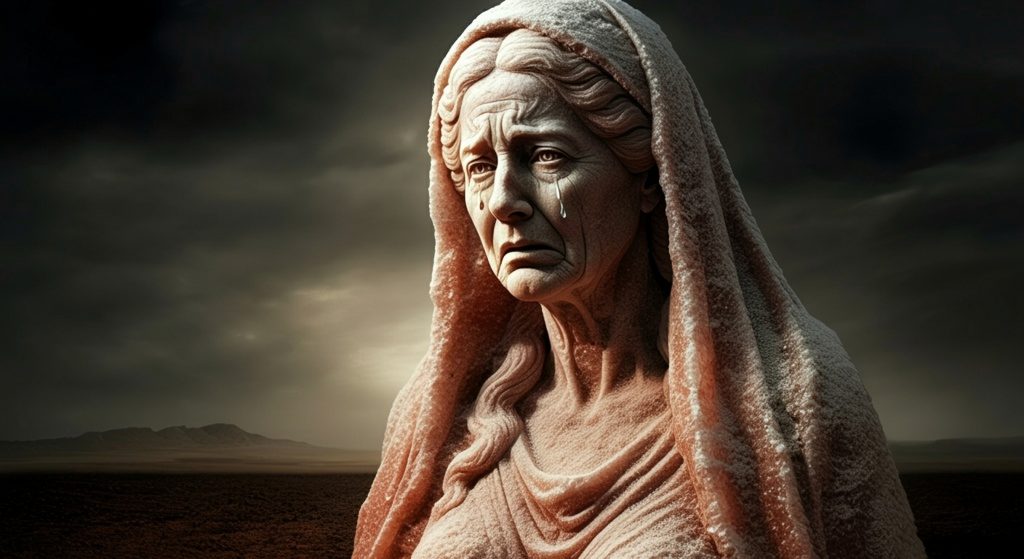
Lot’s wife is famous for one thing: looking back. As she and her family fled the destruction of Sodom and Gomorrah, they were given a very clear instruction—don’t turn around. And yet, she does.
Instantly, she becomes a pillar of salt. End of story. No name, no further explanation—just a moment of hesitation turned into eternal consequence.
But let’s pause for a second. She was leaving behind her home, her memories, possibly friends and extended family. Looking back doesn’t feel like rebellion—it feels human. Who wouldn’t glance over their shoulder at a life that’s literally going up in flames?
Her story is tragically brief but emotionally heavy. It’s less about disobedience and more about the cost of letting go—and how sometimes, even a single moment of longing can carry unimaginable consequences.
4. King Saul: The Slow Unraveling of a Chosen King

Saul starts off as the ideal king—tall, handsome, chosen by God. Basically, Israel’s first royal “main character.” But things go downhill… slowly, painfully, and very publicly.
As David rises in favor, Saul becomes increasingly paranoid and unstable. He spirals into jealousy, obsession, and fear, even attempting to kill David multiple times. What’s heartbreaking is that Saul seems aware of his decline, yet powerless to stop it.
By the end of his life, he’s consulting a medium out of desperation (which, to be clear, was very much against the rules), and ultimately dies in battle, alone and defeated.
Saul’s tragedy isn’t a sudden fall—it’s a gradual unraveling. It’s the story of potential lost, of someone who had everything and watched it slip away piece by piece. Honestly, it reads less like a royal biography and more like a cautionary tale about insecurity and the dangers of unchecked fear.
5. Hagar: The Invisible Woman Who Was Seen
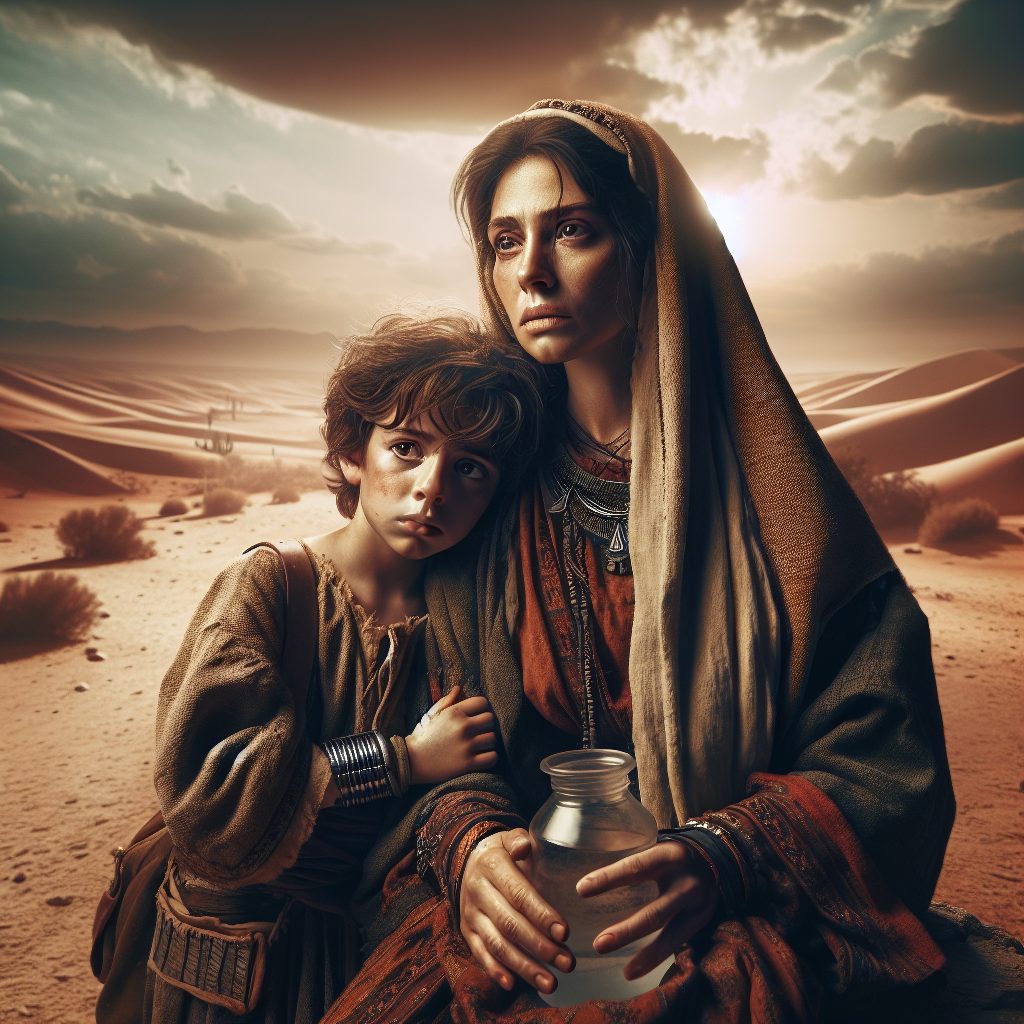
Hagar’s story is one of quiet suffering. She is an Egyptian servant given to Abraham by Sarah to bear a child—because apparently, ancient family planning was… complicated.
After she becomes pregnant, tensions rise, and Hagar is mistreated by Sarah to the point where she flees into the wilderness. Alone, pregnant, and desperate, she encounters God in a moment that is both deeply personal and incredibly rare.
She names Him “El Roi,” meaning “the God who sees me,” because, for perhaps the first time in her life, she feels truly noticed.
But the tragedy doesn’t end there. Later, she and her son Ishmael are sent away again, wandering in the desert with limited supplies. It’s a story of survival, yes—but also of being used, displaced, and repeatedly cast aside.
Hagar’s story hurts because it feels so familiar: being overlooked, undervalued, and only remembered when convenient. And yet, it also quietly insists that even the most invisible people are not unseen.
6. Judas Iscariot: The Man Who Couldn’t Undo One Choice
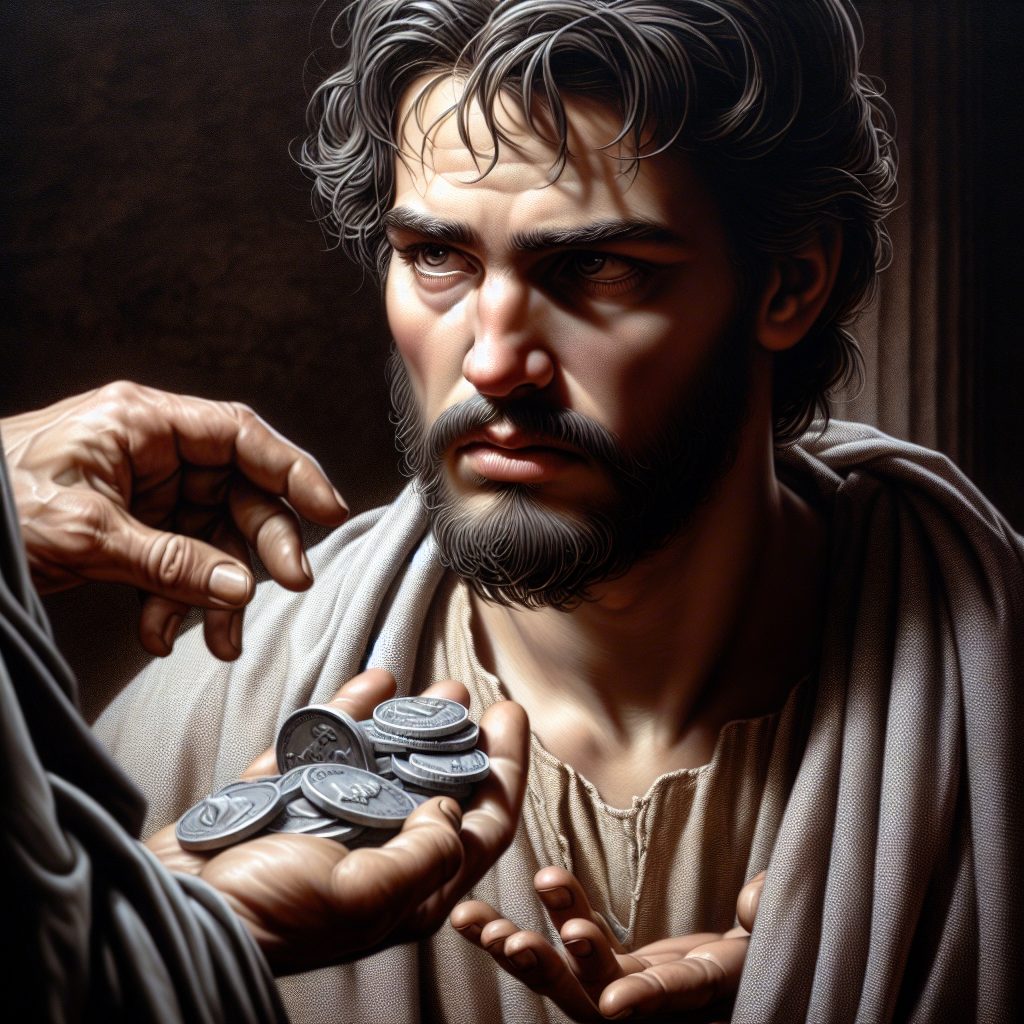
Judas is often reduced to “the villain,” the disciple who betrayed Jesus for thirty pieces of silver. But his story is more complicated—and more tragic—than a simple label.
After realizing the weight of what he’s done, Judas is overwhelmed with remorse. He tries to return the money, openly admits his wrongdoing, and ultimately cannot live with the guilt.
His story ends in despair, not redemption, which is what makes it so haunting. Unlike Peter, who also failed but found restoration, Judas never finds his way back.
It raises uncomfortable questions about regret, forgiveness, and the human tendency to define ourselves by our worst moment. Judas isn’t just a cautionary tale—he’s a sobering reminder of how heavy guilt can become when there’s no hope left to balance it.

Lover of good music, reading, astrology and making memories with friends and spreading positive vibes! 🎶✨I aim to inspire others to find meaning and purpose through a deeper understanding of the universe’s energies.