

Growing up feeling invalidated isn’t something we’re all willing to talk about. Even though it’s not necessarily done on purpose, it can shape who you become in quiet ways.
You carry around an invisible weight, a feeling that you don’t matter as much.
These experiences shape your view of the world, relationships, and most of all, yourself.
Saying you felt invalidated can sound pretty vague, so here are 14 concrete behaviors that suggest you might have grown up feeling that way.
1. You Can’t Figure Out Your Feelings

Growing up invalidated often means your feelings were dismissed or minimized, so you never truly learned how to trust them.
Instead of easily identifying your emotions, you might experience numbness.
This can lead to confusion about what you’re really feeling, and so emotional awareness becomes a challenge.
Since you’ve become used to the idea that your feelings don’t have to be taken into account, you’ve learned to ignore and suppress them.
Making confident decisions can also be tough, as you go through the motions, somehow unaware of what’s going on inside you.
This is a clear sign of unresolved issues from childhood.
2. Your True Emotions Remain Locked Away

Sharing your feelings seems risky when you’ve been invalidated before. You might find yourself reluctant to open up, even to people you trust.
Instead, you prefer to stay quiet or pretend like everything’s fine.
Being emotionally distant is a way of protecting yourself from further rejection. Aloofness feels safer than risking vulnerability.
This habit can put strain on close relationships, which require open communication.
Deep down, you crave intimacy, but you were made to feel it’s unsafe to be truly seen by others.
3. There’s Emotional Distance in Your Relationships

Many who grew up feeling invalidated tend to keep others at arm’s length. They expect that opening up will lead to rejection and disappointment.
You might prefer to keep to yourself because you feel safer that way.
This can make your relationships feel superficial, even when you’re desperate for a real connection.
You may find yourself on the outside looking in, as though life and loved ones are passing you by.
Long ago, this was your method of self-preservation, but in your adult life, it does more harm than good.
4. You Second-Guess Yourself

Trusting yourself feels impossible when your childhood was spent feeling invalidated.
You tend to doubt your decisions because your judgment feels unreliable. You’re used to being in the wrong and having invalid opinions.
This pattern leads to indecisiveness, which can vary from mild to one that makes everyday choices feel like a burden.
You might also have the habit of constantly asking others for their opinions on what you should do, because growing up, you internalized the idea that everyone knew better than you.
Second-guessing yourself can have a serious impact on your confidence; it keeps you stuck in the idea that you’re not enough.
Invalidation is a serious parental mistake, as it not only hurts feelings, but creates people who depend on others for guidance well into their adulthood.
5. You Need Reassurance Every Step of the Way

You might think things through obsessively or seek reassurance if you grew up feeling invalidated.
You find yourself trying to control situations and outcomes, because feeling like life is predictable gives you a sense of safety.
And when you start doubting your judgment, you look for external validation to guide you.
When this need for reassurance turns into compulsion, it can make you tired and anxious.
While you were growing up, your surroundings might have been unpredictable, so you’re trying to work around that by controlling everything.
Ironically, this only leads to more anxiety and feeling helpless.
6. You Refuse to Ask for and Accept Help

After being invalidated, some people don’t depend on others – they do the very opposite.
Hyper-independence is also common, as growing up this way can make you feel like you’re all on your own.
Asking for help and showing weakness might have resulted in harsh criticism in the past, so you’ve learned to handle things by yourself.
Even when overwhelmed, you keep at it, convinced that you should be able to get everything done alone.
Asking for support feels foreign when you’ve never had a chance to experience it.
You get exhausted and might even become resentful of others for not helping, yet you find yourself unable to depend on anyone but yourself.
7. External Validation Is Everything

Children who were invalidated eventually learn to adapt; they find out that they must earn validation by being exceptional.
This leads them to grow up into people who have little to no internal validation, and constantly need to keep impressing others.
Achieving and winning become central in your life, or you might obsess over milestones and the fleeting self-esteem they bring.
And when you don’t get that validation or, God forbid, you fail, you start to feel small, invisible, unimportant.
You’re essentially trying to compensate for your feelings of inadequacy.
The issue is, no matter how many successes and trophies you collect, that inadequacy won’t budge until you get actual help.
8. Self-Esteem and Self-Worth Issues

Low self-esteem can also be a sign of childhood invalidation. You’re too hard on yourself, believing you don’t deserve better than what you get.
This isn’t simple insecurity; it’s an internalized belief that your feelings and needs aren’t valid.
You end up being your own worst enemy: self-critical and unforgiving.
Even when you get praise and acknowledgment from others, deep down, you don’t fully believe it.
Your internal dialogue is negative, so nothing anyone else says can reach you for real.
Over time, this can impact your whole life, from relationship to career choices.
9. You Anticipate Criticism

People who grew up being invalidated have a harsh inner critic. And what’s even worse, they believe that everyone is as critical of them as they are.
You might anticipate rejection ahead of time, simply because that’s what you’ve known in your formative years.
This can lead you to become defensive or avoidant.
You might also look for criticism where there is none, interpreting well-meaning comments as negative.
It’s a defense mechanism; it’s like you think that if you expect the worst, it can’t catch you by surprise.
You might avoid getting hurt, but you’re also isolating yourself. The fear of being judged needs to be overcome if you wish to have genuine and open relationships.
10. You Feel Guilty for Resting

If you were only validated when you were productive as a child, then you might experience anxiety or guilt when resting.
You might believe that rest equals laziness, so you only allow yourself to relax after you went far and beyond, and achieved something concrete.
If your tiredness was invalidated or ridiculed when you were a child, you naturally feel restless.
It’s the manifestation of your parents making you feel guilty or worthless unless you’re always doing something.
Resting might feel like a betrayal of your own standards.
Clearly, it’s a straight path to resentment, since you feel trapped in this never-ending cycle of proving your worth.
11. You Take Things Too Personally

If you’re highly sensitive to even perceived criticism, you’ve probably felt invalidated as a child.
Harmless comments can feel like personal attacks because they trigger feelings of inadequacy.
Your sense of worth is fragile, so any hint of disapproval reinforces the idea that you’re not enough. This sensitivity can lead you to overreact or withdraw from people.
It’s also likely that you’re hyper-aware of social cues, always monitoring others, their reactions, and their perception of you.
This is all very tiring, yet it’s the only thing you feel like you can do to avoid getting hurt.
12. You Cope by Isolating Yourself

Feeling invalidated as you grow up teaches you that your feelings aren’t welcome at the table.
So, you’ve likely learned long ago to suppress them or deal with them privately. That’s what leads you to isolate yourself when you get emotional or struggle.
Being alone feels safer, since sharing your problems can feel like burdening others.
Sadly, this ends up making you feel even lonelier.
It might also cause disconnection in your relationships if you don’t open up and seek help.
13. You Have Trust Issues
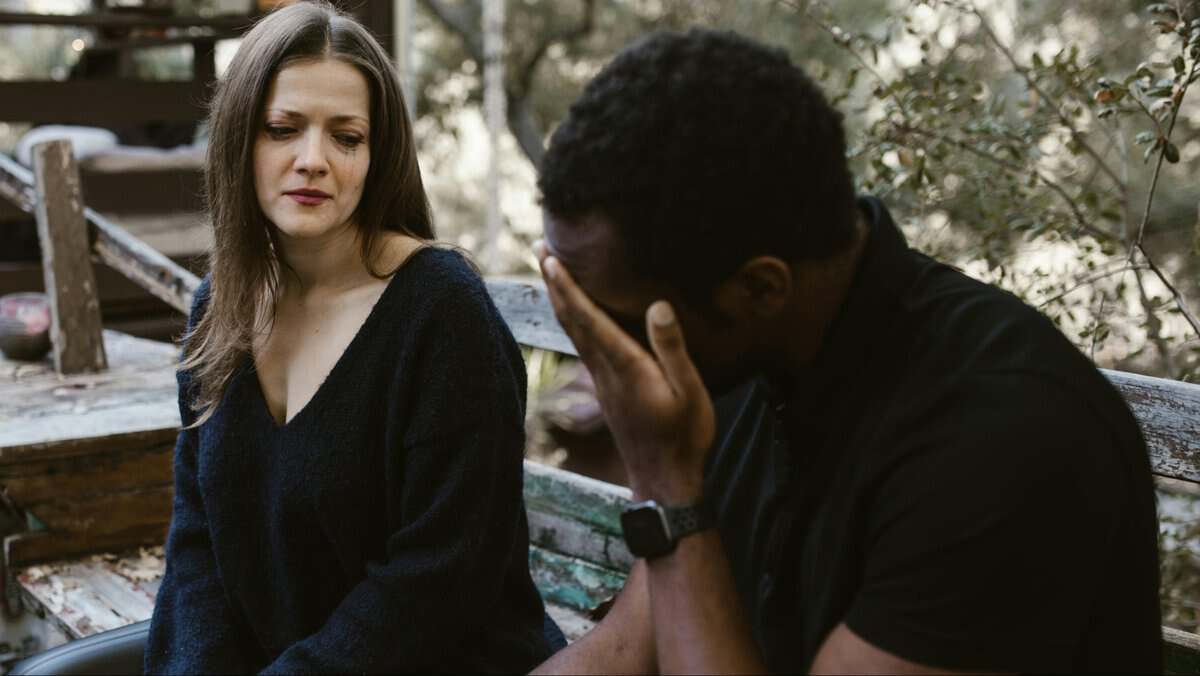
Trust is a major issue for people who grew up feeling invalidated.
You rarely show your true self to people, and rather put on a mask, pretending to be someone you think they might like better.
Social situations can feel like a performance, and this is especially difficult if you feel like you must pretend with close friends and partners.
You want a genuine connection, but it stays out of reach because you never let people close enough to actually get to know you.
You can’t bring yourself to be fully authentic or vulnerable, so you miss out on true connection.
14. Choosing Unavailable Partners

Growing up invalidated conditions you to always keep your guard up, so even though you might want a true connection in theory, you keep choosing unavailable partners.
They avoid vulnerability, allowing you to do the same.
You’re afraid of being dismissed, so you dismiss any chance of real closeness to begin with.
When this turns into a pattern, it can keep you stuck in unfulfilling relationships.
The barriers from the past hold you back, and you can break free only by recognizing them and working on them intentionally.

A little Aquarius, devoted to writing and embroidery. Through my writing, I hope to empower readers to align with their true selves and navigate life’s mysteries with confidence.