

Abundance can mean more than just financial wealth; it is also related to relationships, motivation, creativity, peace, and emotional energy.
For many, many people, there are objects and habits inside their homes that can impact their luck, abundance, and mental well-being each day.
The first step toward creating space for abundance is noticing what is around you that rejects it.
1. Broken Things You Keep Ignoring

Within the home, broken things, such as drawers that won’t open, burned-out light bulbs, chipped mirrors, and/or broken furniture, create stagnation in terms of emotional energy over time without you even consciously knowing it.
Although you may no longer be consciously aware of these broken items, your mind continues to remember broken things as being “out there” waiting to be worked on.
They can also affect your motivation and productivity, as well as the emotional level of calmness in a room at any given time. By simply fixing one small broken thing in a room, many people find an unexpected feeling of emotional relief.
Generally, environments that feel cared for, versus environments that are half-neglected or destroyed, will help generate an abundance of good feelings and energies.
2. Clothes That Make You Feel Bad

Keeping clothes that do not fit any longer, make you feel uncomfortable, or remind you of negative times can build up unconscious low self-esteem levels every day.
For many people, opening a closet full of clothes feels like an opening door to emotional guilt, not inspiration, when they go to get dressed. If unnoticed, low self-esteem can cause problems and lead to rejection of abundance.
Keeping clothes that feel comfortable, functional, and/or positive will help to create a “lighter” feeling overall.
3. Old Gifts Connected to Bad Memories
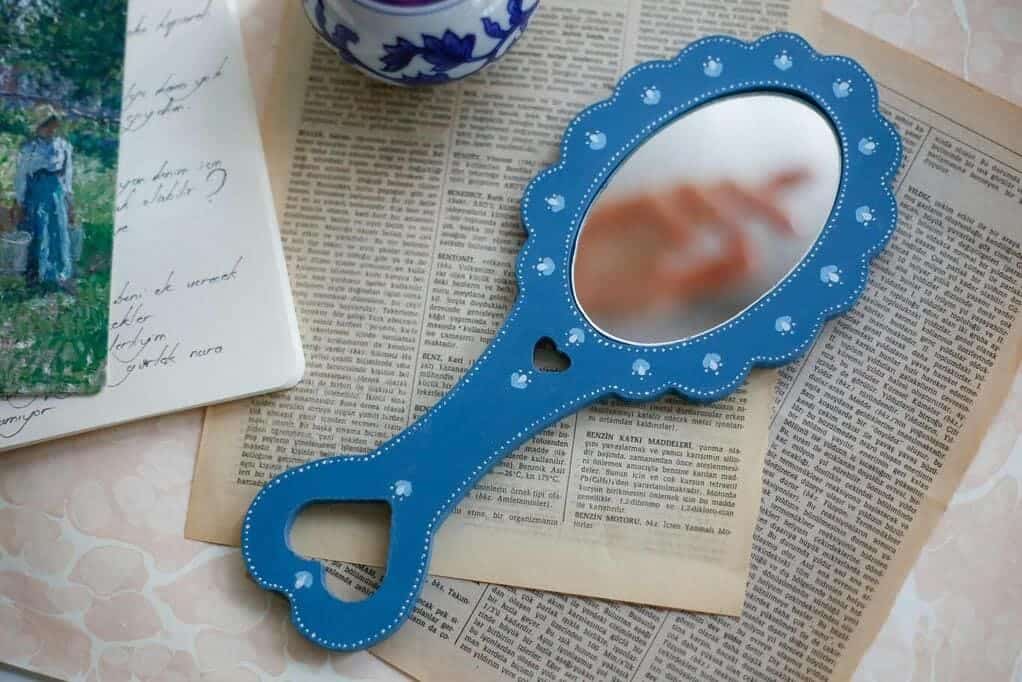
Many items from past heartbreak, betrayal, or bad friendships carry more weight emotionally than people realize.
Old letters or decorations often hold onto emotional energy that is often undetected by their owners and often continue to have an influence on people’s future relationships.
For example, tangible reminders of unresolved emotional memories can derail our careers as they surround us. By letting go of tangible items that we have strong emotional ties with, we create more space for new experiences.
4. Piles of Unopened or Old Paperwork

Stacks of unopened mail, unfinished forms, and/or ignored documents create anxiety in the subconscious mind because your brain treats these items as unresolved responsibilities that continuously linger in the background.
This impacts your ability to concentrate, sleep, and even be motivated at work. Although sorting through paperwork may not seem like an enjoyable experience, clearing clutter from your physical space can help improve mental clarity significantly!
Spaces that feel manageable and not cluttered with unresolved responsibilities create an environment in which abundance can thrive!
5. A Dining Table Nobody Uses

Over time, many homes have stopped using their dining rooms and are instead using their dining furniture for storage.
Dining tables are an important source of connection and routine in our lives; eating together is one way to emotionally ground us in conversations and create stability in our relationships.
From a career perspective, when we eat while distracted or standing up, there is no doubt that this creates additional stress in our bodies.
By using a dining room table as a gathering place for family and friends once again, you will notice that the energy of your home will change very quickly! Abundance is cultivated through relationships and rhythm.
6. Dead Plants or Neglected Corners
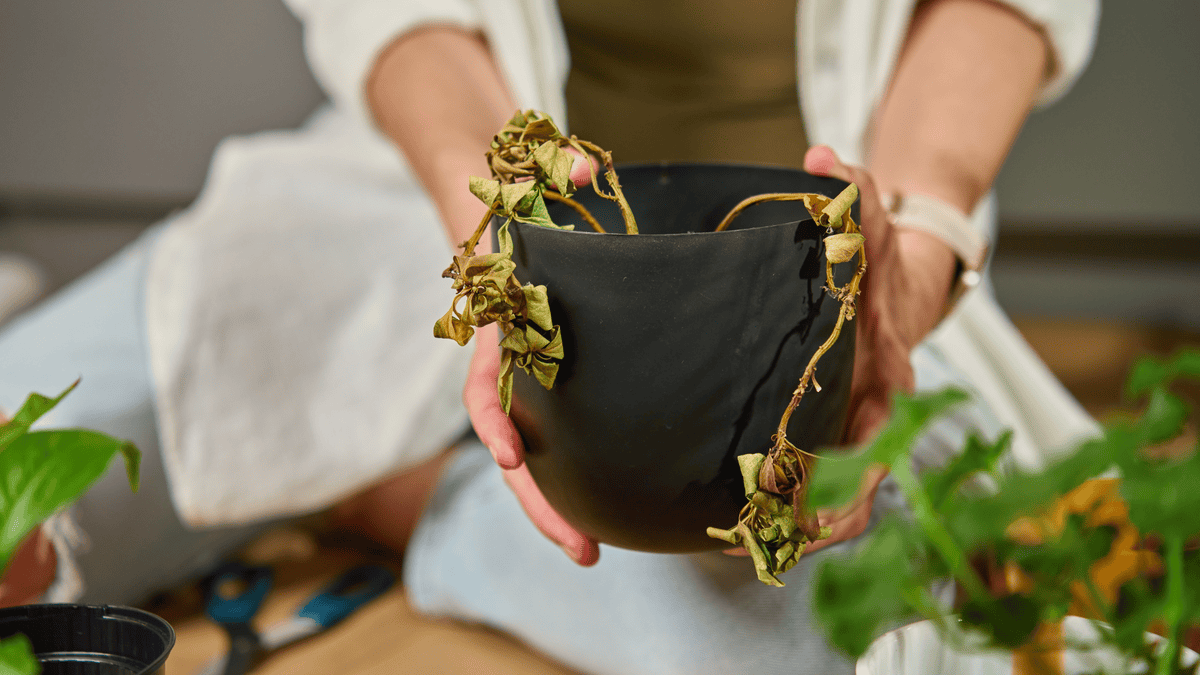
Dusty shelving and dead plants are examples of the emotional and physical fatigue created by neglecting your physical environment.
Neglected spaces negatively impact your energy level, as they contribute to an overall feeling of being stagnant or stuck. Cluttered spaces create more irritation and can lead to increased stress levels when working in an environment that feels heavy.
By adding some lighting or taking care of live plants in neglected areas, you can create a greater sense of movement and refreshment.
7. Constant Background Noise

Keeping the TV (or other devices) running all of the time and notifying you every time someone sends you a text, as well as anything else that is considered background noise, quietly drains your ability to focus and can negatively impact your emotions.
When you have surrounded yourself with noise, your mind and body don’t settle into silence; rather, your nervous system is always overstimulated.
As you begin to create small moments of stillness or quiet in your home, it may feel uncomfortable to you, but over time, you will have greater clarity of thought and emotion; therefore, abundance requires being able to ease into the mental aspects of life.
8. Furniture Blocking Natural Movement

Ease of flow is often disrupted when the flow of your house is blocked by furniture, creating a sense of tension/movement in the bodies of all who live there.
When your home feels difficult to move through, it may contribute to low-grade stress levels both physically and emotionally in you.
In-between spaces, such as tight spaces, overcrowded areas, or simply an awkward layout, carry heavy emotional burdens on the people who use the space.
A simple furniture rearrangement creates an amazing emotional response; it feels healthier when you move through the space naturally.
9. Too Many Things Connected to Your Past Identity
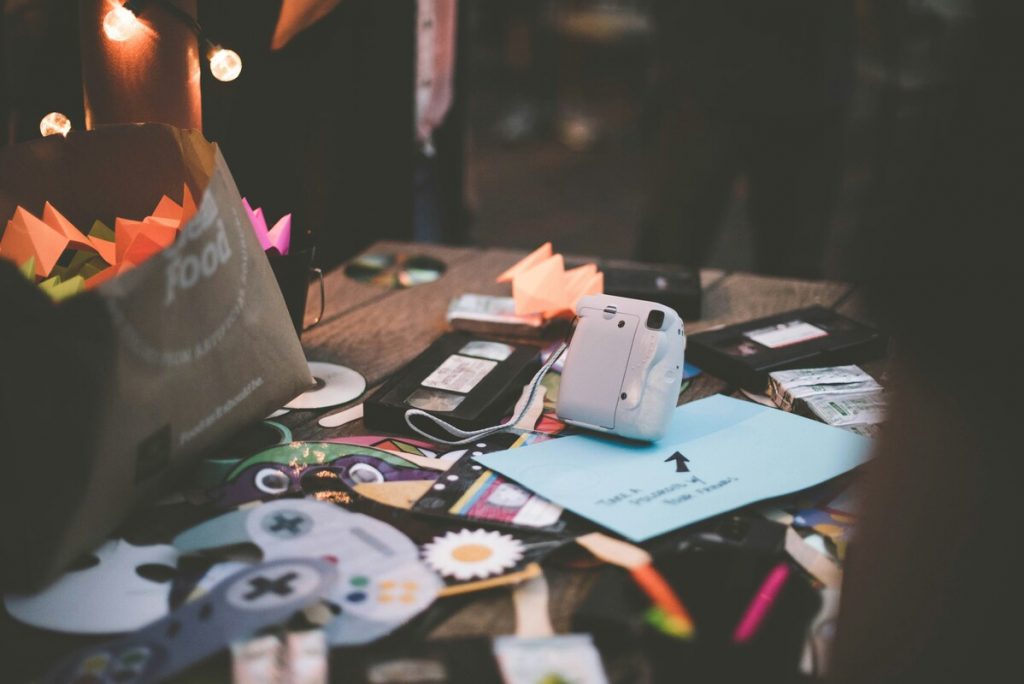
Your old decorations, hobbies, and belongings tie you physically and emotionally to previous versions of yourself or your old goals. At times, you must allow yourself to change to receive new abundance.
Your relationship(s) with others change when one person continues to reside more in their memories than in their present life.
Career advancement becomes more difficult when your environment continually reflects a past version of your life.
10. Harsh Lighting Everywhere

Most people do not realize that lighting has a significant impact on mood. Extremely bright white light can create an emotionally cold or stressful atmosphere to return to after a long day at work.
Softer lighting tends to produce more relaxation and intimacy and is more conducive to emotionally supportive living.
Calmer environments facilitate conversations between people, and it is much easier for your nervous system to relax after work in softer lighting. Simple lamps, candles, or warm light bulbs can create an emotional “shift.”
11. Work Items Taking Over Rest Spaces

Constantly working from your bed, eating dinner next to your laptop, or using every room in your house as your workspace creates a blurring of emotional boundaries.
As time goes on and your brain no longer separates your rest time from stressful times, it begins to feel like you cannot recover. Relationships may end up feeling neglected, as the shared space is taken over by work energy on a continual basis.
The balance of abundance can be better felt emotionally when the separation of personal and work life is increased. Both need physical space to exist.
12. A Front Door That Feels Unwelcoming

The front of your house is often viewed by many spiritual traditions to represent energy entering your life on a daily basis.
If your front entrance is cluttered, dark, or neglected, the energy that people consciously or subconsciously bring into your home may feel blocked.
When your house has a welcoming energy, both your relationships and opportunities tend to open up.
Small, simple improvements to your front entrance, such as cleaning it out, planting flowers, adding landscaping lights, or getting rid of clutter, create a significant difference in the feeling of your home.

Born and raised in Bosnia and Herzegovina. Ever since I was a little girl, my imagination knew no bounds. I remember vividly how I’d scribble down short stories, each page bursting with adventures and characters conjured up from the whimsy of my mind. These stories weren’t just for me; they were my way of connecting with my friends, offering them a slice of my fantasy world during our playtimes. The joy and excitement on their faces as we dived into my fictional realms motivated me to keep writing. This early passion for storytelling naturally evolved into my pursuit of writing, turning a childhood hobby into a fulfilling career.