
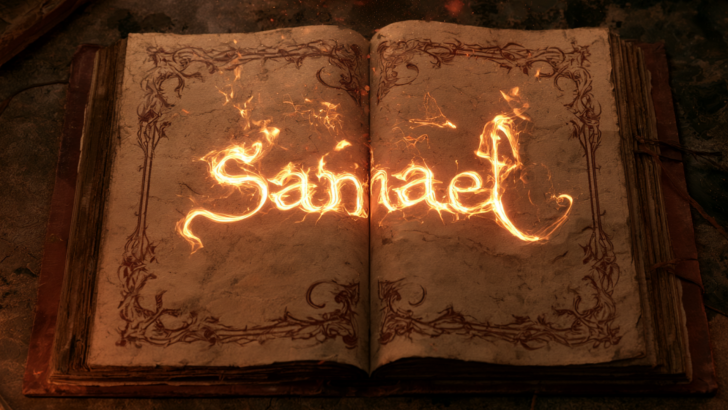
Today, most people choose names based on how they sound, family traditions, or culture. In the past, many cultures thought names had real power; they could affect destiny, bring you luck, and/or harm.
Many names were avoided because people were afraid of the spirit associated with the name. Some names were so holy that ordinary people couldn’t say them.
All of these examples demonstrate how much weight ancient peoples put on the power of the spoken name, regardless of whether the name was believed to have power as a result of religion, folklore, or superstition.
1. Why Names Were Feared In The First Place
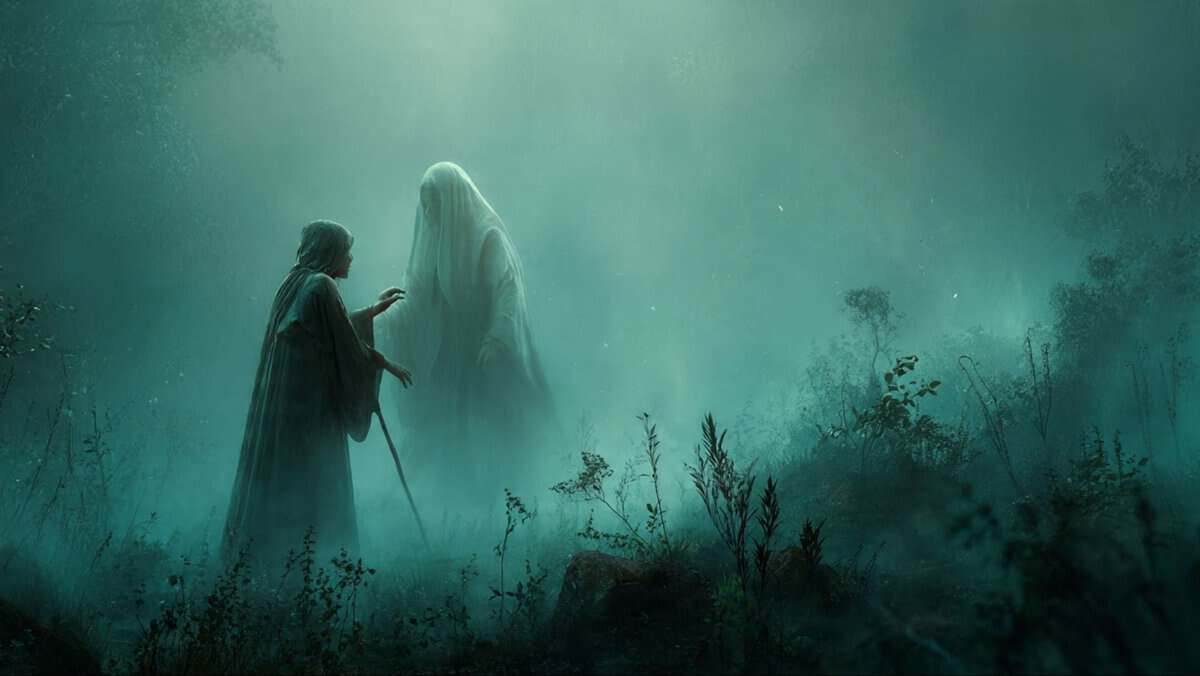
Many ancient societies believed that if you knew someone’s name or said it, you created a bond between you and that person or spirit.
Therefore, names were not simply labels; they were believed to have energy, authority, and power. Due to this belief, some communities would not say certain names, while other communities used nicknames to throw off evil spirits.
Parents would sometimes name their children with protective names to keep them from dangerous spirits.
2. Samael
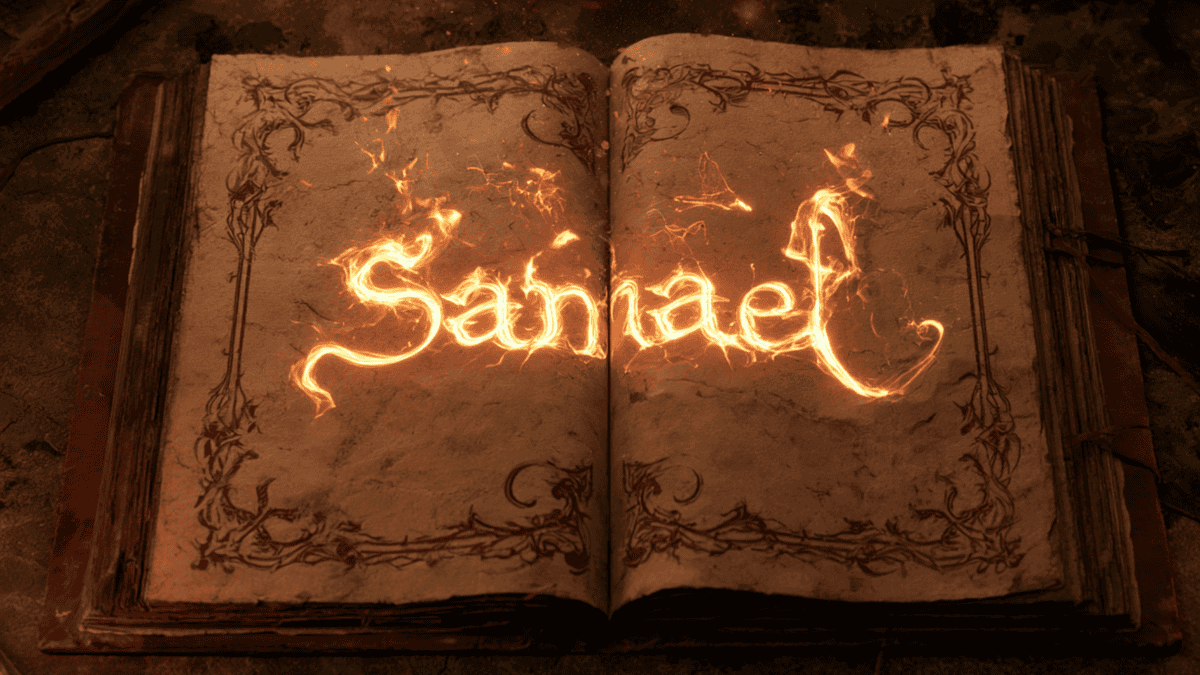
Samael is a significant figure found in many religions and mythologies and is generally a symbol of destruction, judgment, or an unpleasant spiritual force.
Because of the associations surrounding Samael, people were often very careful about using his name, and many avoided using it altogether.
Many believed that speaking of Samael too casually would invite unwanted energy or attract unwanted attention from otherworldly or supernatural forces.
The name had an unmistakable and frightening quality to it. Although not all religions or mythological traditions portrayed Samael as having the same meaning, this name has been associated with fear, power, and forces beyond man’s control throughout all traditions.
3. Hecate
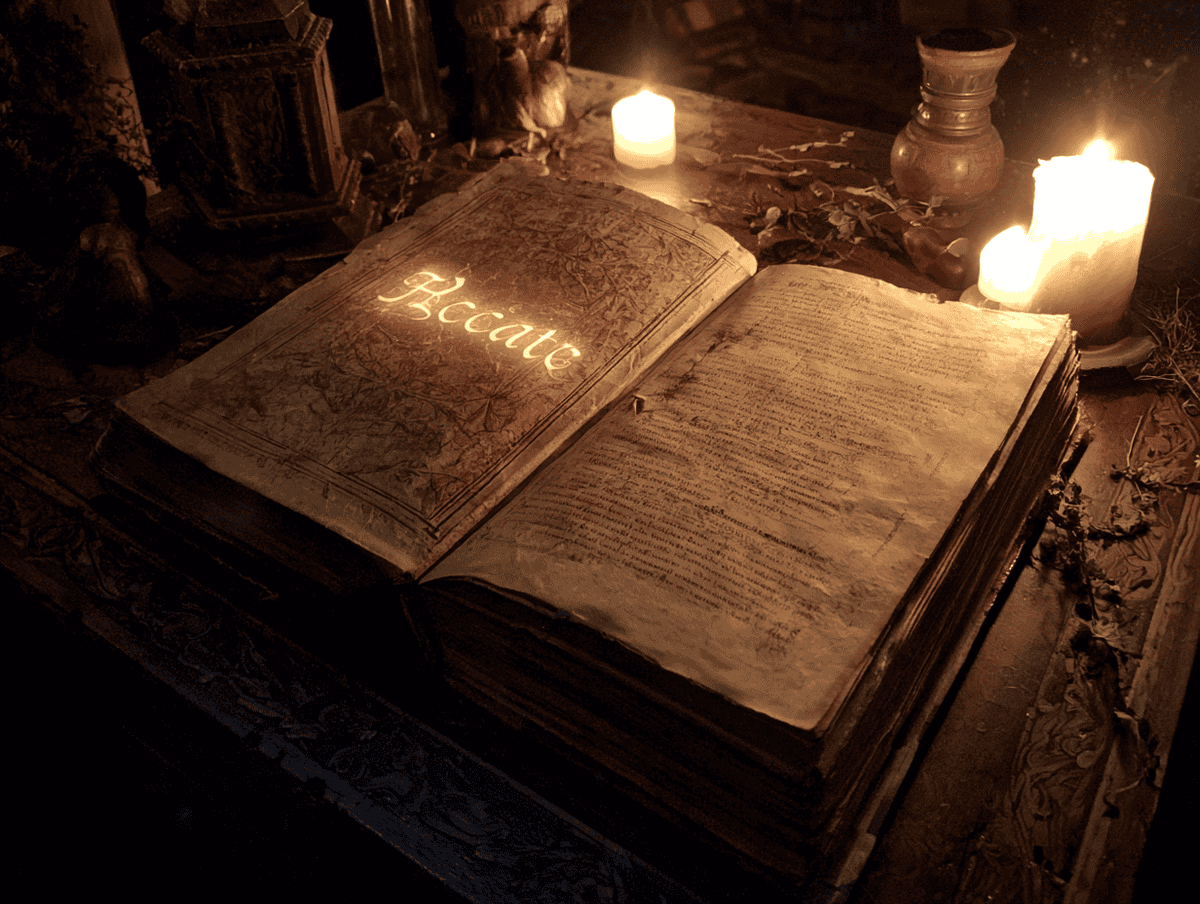
Ancient Greek traditions describe Hecate as the goddess of crossroads, magic, spirits, and the moon. She was both respected and feared; due to superstition, her name should only be used in a specific way.
Many people did not want to mention her name frivolously because they thought it might bring forth supernatural beings. To prevent this from happening and/or gain her favor, offerings were sometimes made at the crossroads where she was honored.
The sound of the name is memorable and unique, reinforcing its mystique. In addition, Hecate has become associated with occult knowledge and practices throughout history.
4. Loki
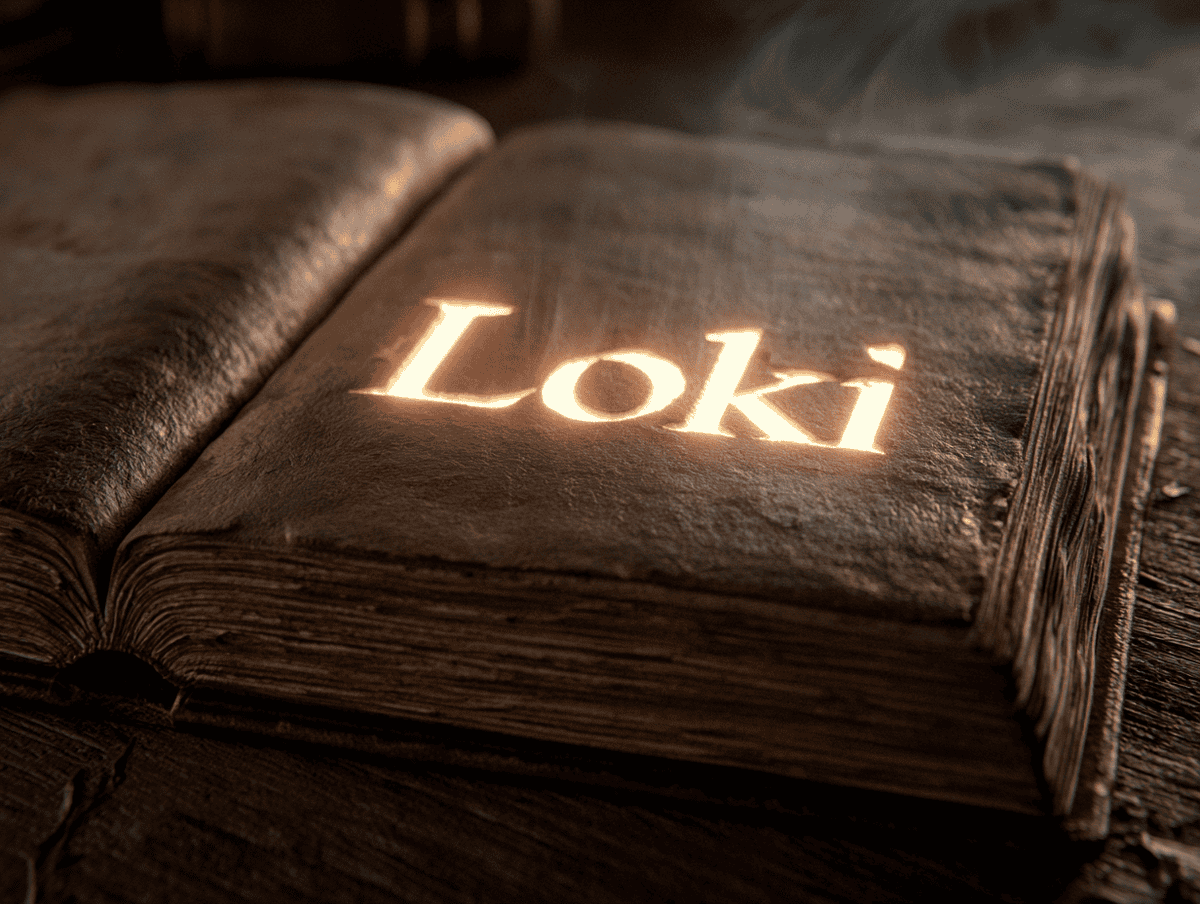
In Norse traditions, Loki represented chaos, trickery, and sudden change. While he was not a total villain, many times he did bad deeds that affected both human and divine beings, creating difficulties for both.
As a result of this, many people were cautious when naming someone Loki since it meant that the person would be rebellious or cause trouble in the future.
In fact, the sound of the name makes it easy to remember, thus allowing for Loki’s story to survive some 1,200 years after the original beliefs were gone; he is still associated with unpredictability today.
5. Lilith
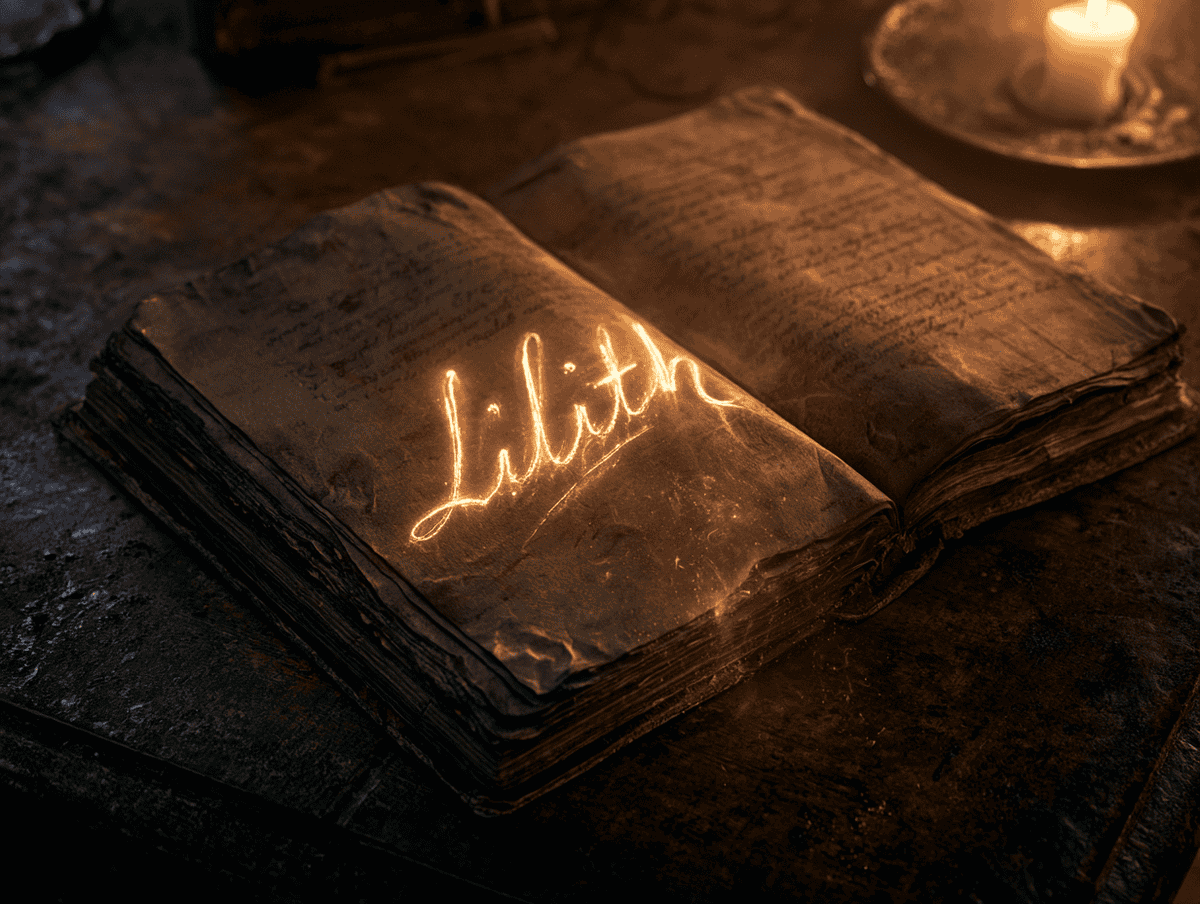
The name Lilith has been associated with mystery and otherworldly disturbances for centuries.
Lilith is a name in Jewish history that has been linked to a female spirit that roamed around in the dark.
Due to this connection, many communities would not name children after Lilith, fearing that it would bring bad luck or attract the attention of evil spirits.
6. Morrigan
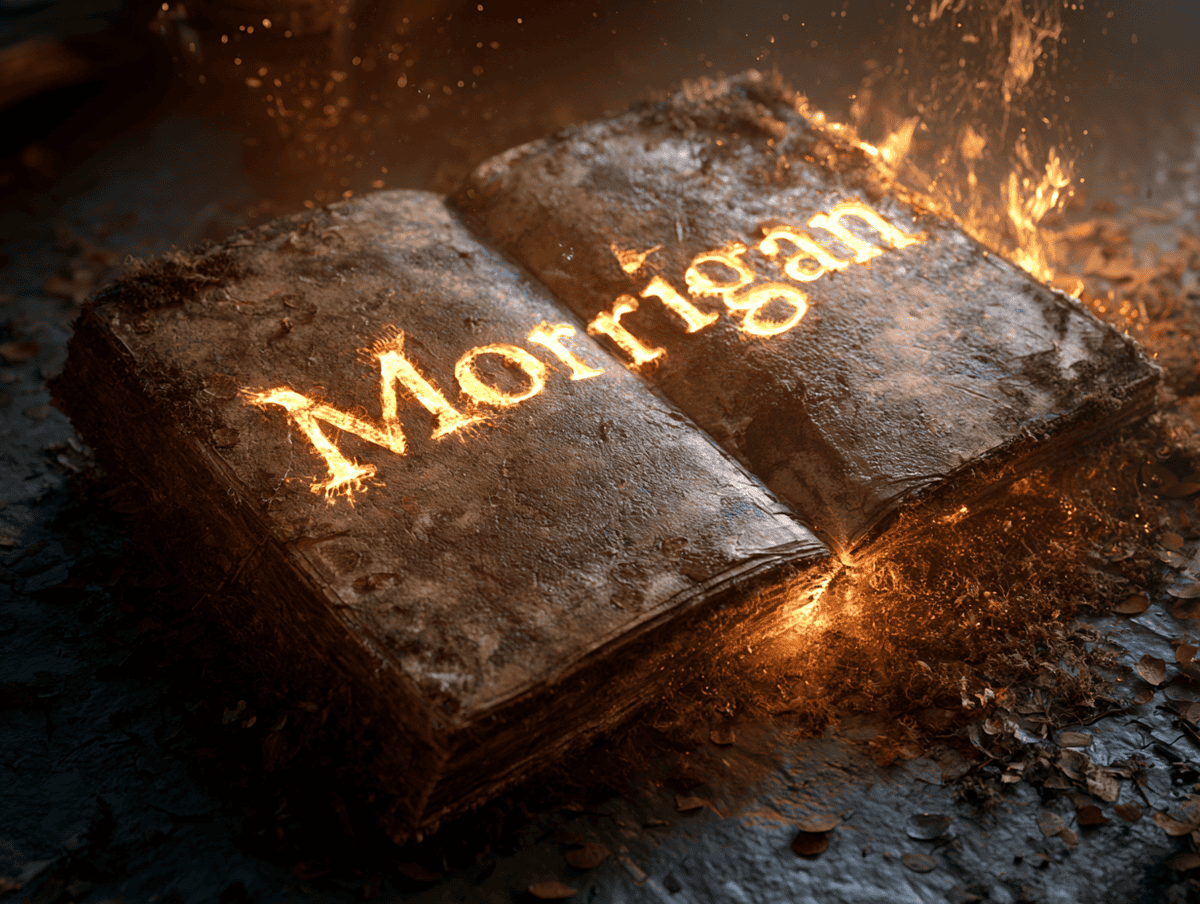
Morrigan comes from Irish mythology and represents conflict, prophecy, and fate. In ancient times, Morrigan was often said to appear in human form before important battles and would help shape events through means not known to mankind.
Due to Morrigan’s ties to war and death, many believed that speaking of her name could have deadly repercussions.
Some people also believed that speaking of Morrigan too freely would create bad or unpleasant circumstances for themselves and their families.
However, Morrigan was often respected as a transformative figure; the power of her name contained powerful tales of her doings and accomplishments that allowed it to withstand time.
7. Erebus
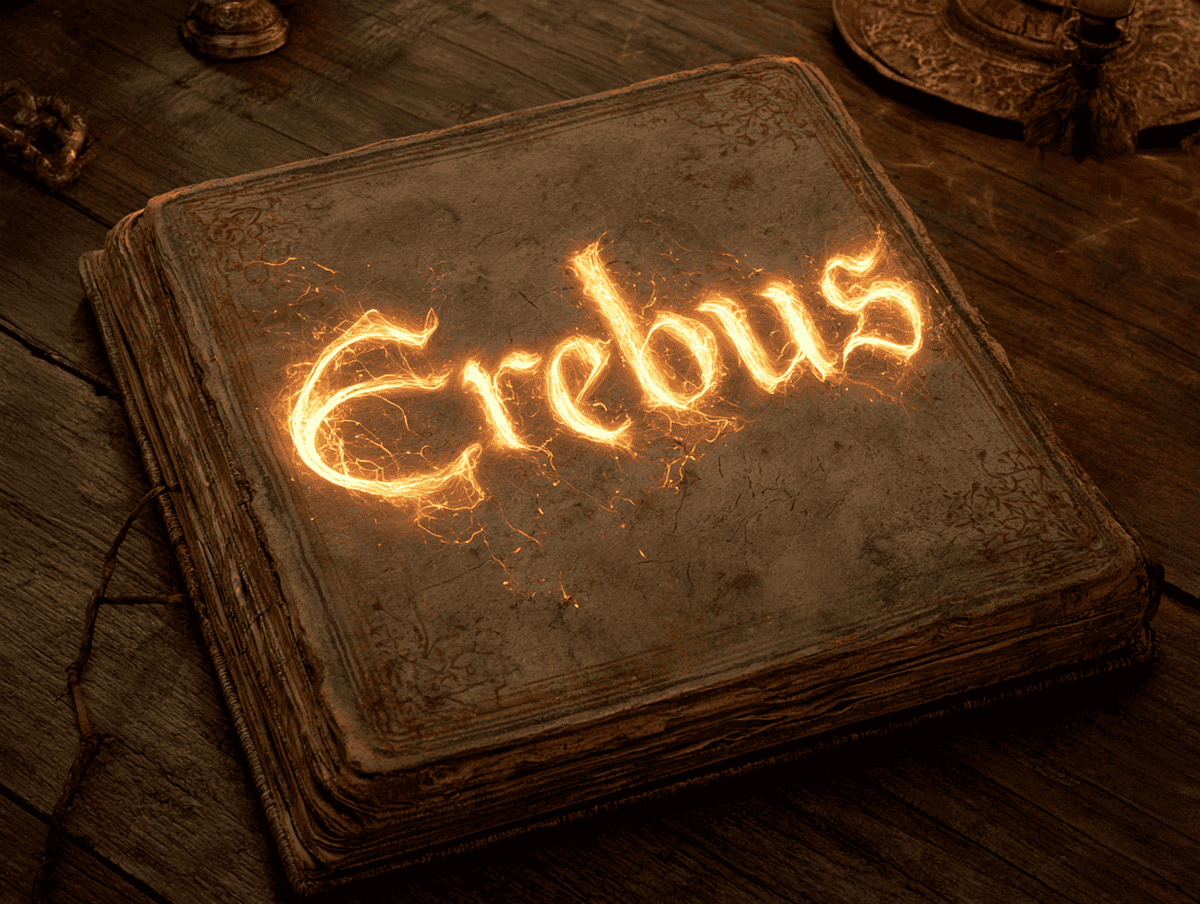
According to Greek mythology, Erebus represents the darkness and is one of the earliest forces of creation, predating all creation and formation.
Due to the connection between the name of Erebus and the deepest parts of darkness, as well as places out of sight of man, most people during ancient times would have associated Erebus with great danger and uncertainty.
The sound of the syllables in Erebus gives it a heavy, dark, and mysterious quality, which also increases its scary, intimidating nature.
8. Abaddon
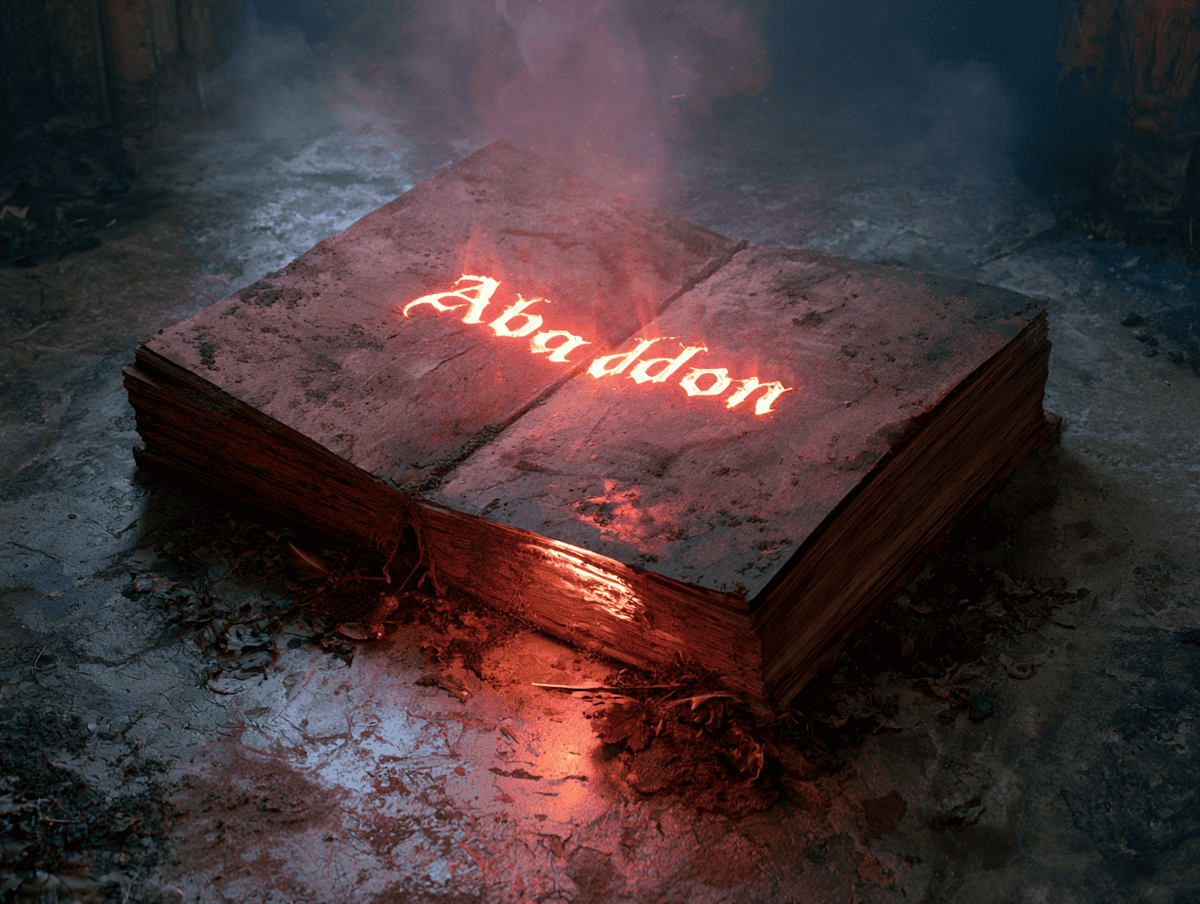
Abaddon appears in religious texts and mythology, representing the force of destruction and as a gatekeeper of the abyss. Over time, the name Abaddon became associated with major supernatural powers and images of destruction.
Many people believed that since Abaddon represents destruction, the name represented a form of spiritual danger. People in folklore and later literature often used Abaddon as a symbol of immense physical and spiritual power.
Due to this negative nature associated with the name of Abaddon, most people used heavy caution when saying it.

Born and raised in Bosnia and Herzegovina. Ever since I was a little girl, my imagination knew no bounds. I remember vividly how I’d scribble down short stories, each page bursting with adventures and characters conjured up from the whimsy of my mind. These stories weren’t just for me; they were my way of connecting with my friends, offering them a slice of my fantasy world during our playtimes. The joy and excitement on their faces as we dived into my fictional realms motivated me to keep writing. This early passion for storytelling naturally evolved into my pursuit of writing, turning a childhood hobby into a fulfilling career.