
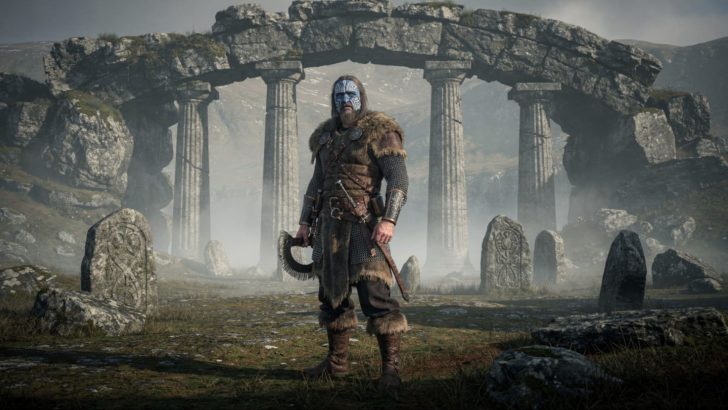
Picts remain one of the most enigmatic tribes from today’s Scotland.
They were actually a confederation of tribal people who dominated northern and eastern territories from the Iron Age and all the way to the 10th century AD.
Though they have largely vanished from the historical record, the Picts left behind a fascinating culture that goes far beyond face-paint and resisting Rome.
1. Who Were the Picts?
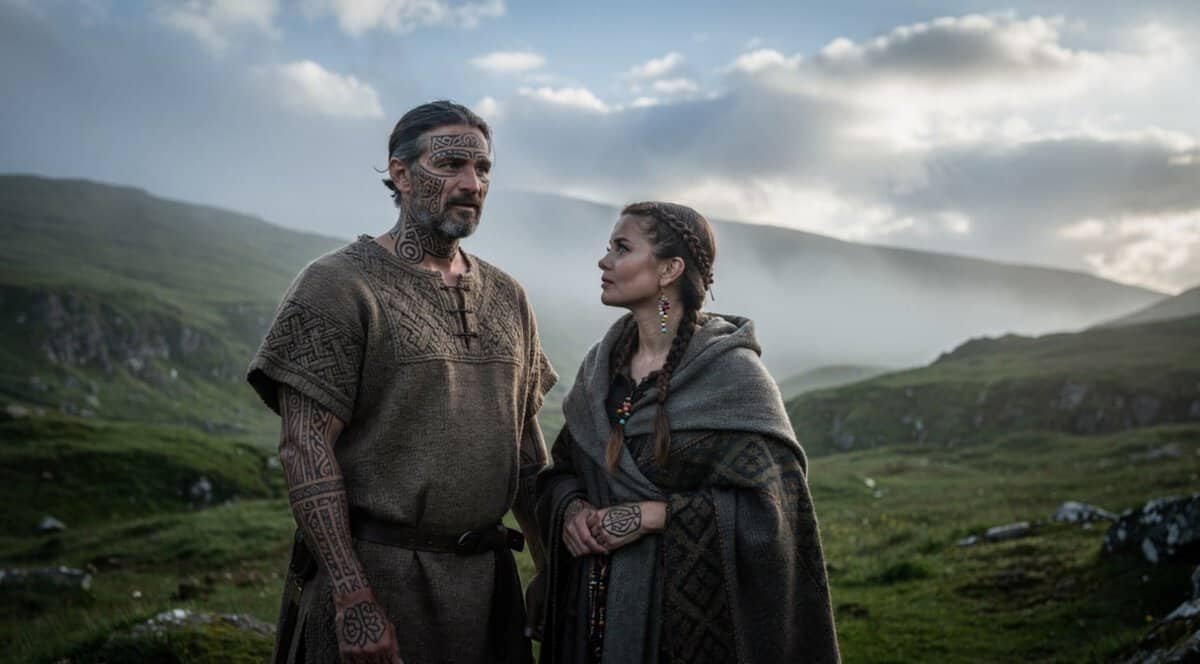
Picts were a union of Scottish tribal peoples from around the late Iron Age to the early Medieval period.
Almost all that we know about them comes from their enemies, even though they had established a sophisticated society.
They were organized communities with a clear social structure, which proves that the barbaric label was plastered on them unfairly.
Their resistance against the Roman conquests was epic, and they’re also known for the carved stones they’d left behind, which stand to this day.
The stones alone show an advanced level of artistry and a strong sense of identity.
Sadly, we don’t know what these people called themselves, only that the Romans called them Picts.
2. Where They Came From
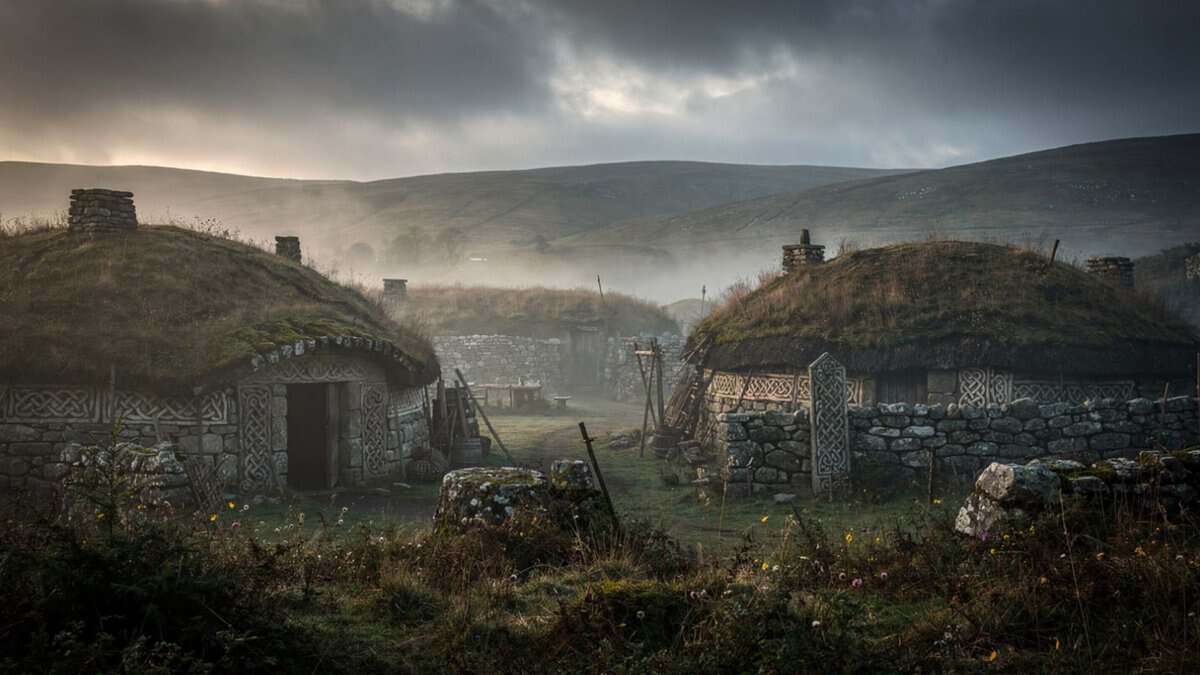
The true origins of the Picts remain hidden due to the lack of written records.
They appeared as a distinct cultural group during the Iron Age, likely descended from earlier Celtic peoples who lived in Britain for centuries before the Romans arrived.
Some theories suggest they may have had deep connections with continental Celtic tribes, due to linguistic and cultural similarities.
However, other scholars suggest that they could have had indigenous roots that actually predated Celtic influences.
This would make them the descendants of the very first settlers of the island.
Either way, the Picts had a very strong sense of identity, and they remained separate from the Britons and the Gaels for centuries.
3. Pictish Beliefs and Spirituality
The Picts practiced a polytheistic religion that reflected the natural world around them.
They worshipped nature gods and ancestors, and most likely venerated a pantheon of deities similar to those of other Celtic tribes found across Europe.
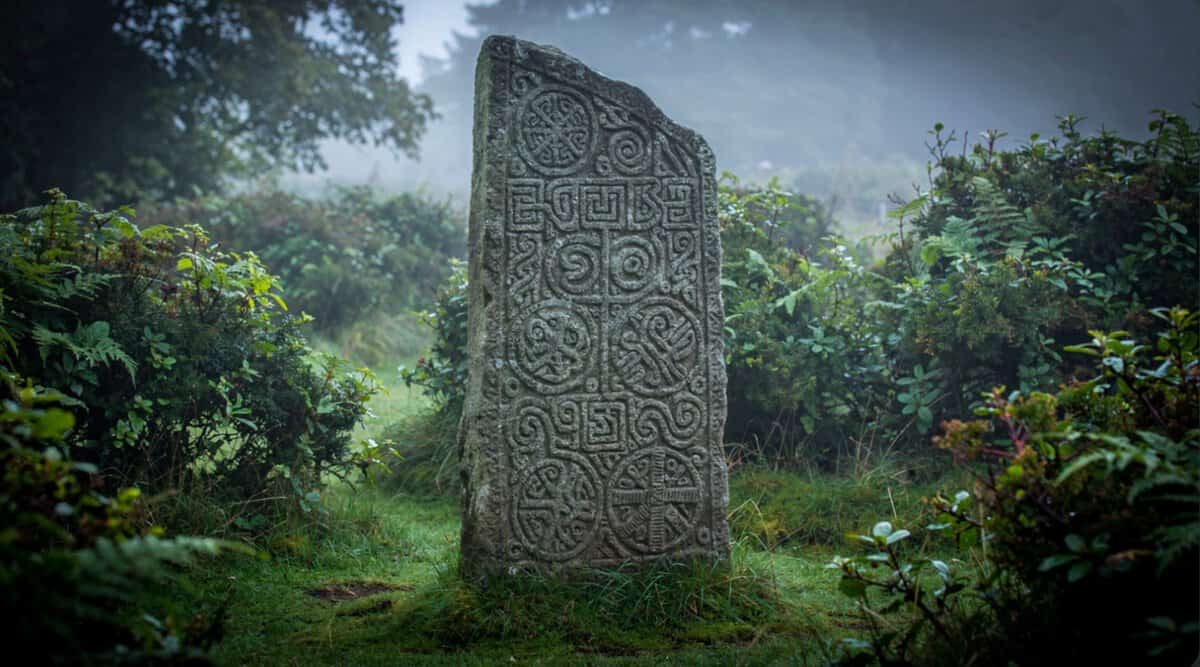
But their religious beliefs are only partly understood today, and even that thanks to the carved stones and artifacts.
These depict mysterious figures and ritualistic scenes, and although they don’t give away many details, it’s clear that the Pictish spiritual life was organized.
They also believed in sacred sites, such as lakes, forests, and stones, and this also connects them to the pagan belief systems across Europe.
Clearly, they thought that there’s more to the world around us than just what meets the eye, and that hidden spiritual realm is exactly what they venerated.
4. Social Structure
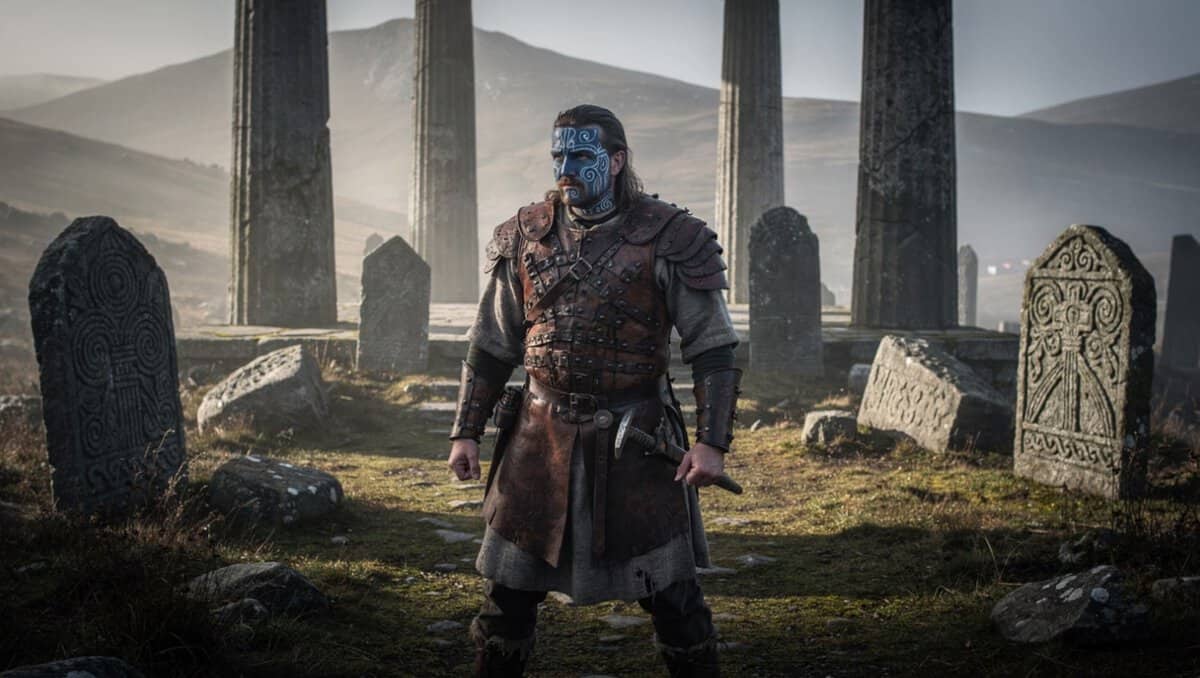
Pictish society was organized around kinship groups that were ruled over by local chieftains and kings.
It’s assumed that the leaders came into power both through military power and divine right. Leadership was often hereditary.
Kinship clearly suggests that loyalty to the family and clan was paramount.
It’s also believed that the famous carved stones marked separate tribal territories, but that they were also records of leadership or genealogy.
All of this suggests a society that valued order and even recorded its history.
Besides, their governance was complex enough that it could unite them all under one banner when faced with external threats, such as the Roman conquests.
5. Resistance Against the Romans
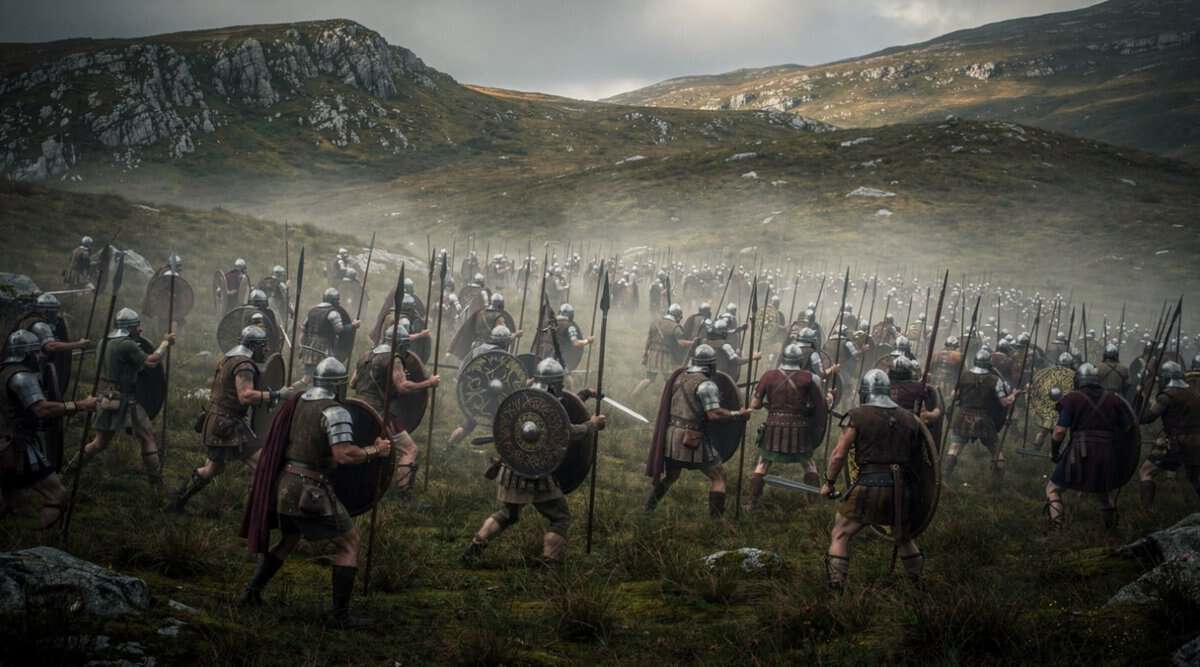
The Picts largely resisted Roman conquests, becoming one of the few peoples in Britain to deny the empire total control over their lands.
The Roman Empire eventually built Hadrian’s Wall, a massive defensive barrier, across the northern frontier of its territory, as protection against attacks.
The wall stands as a testament to the Picts’ determination to stay independent.
Despite countless campaigns, their lands remained largely outside the direct control of Rome, forcing the empire to abandon its plans of conquering the entire island.
This resistance solidified their reputation, creating a cultural divide that still persists in some form to this day.
6. The Painted People
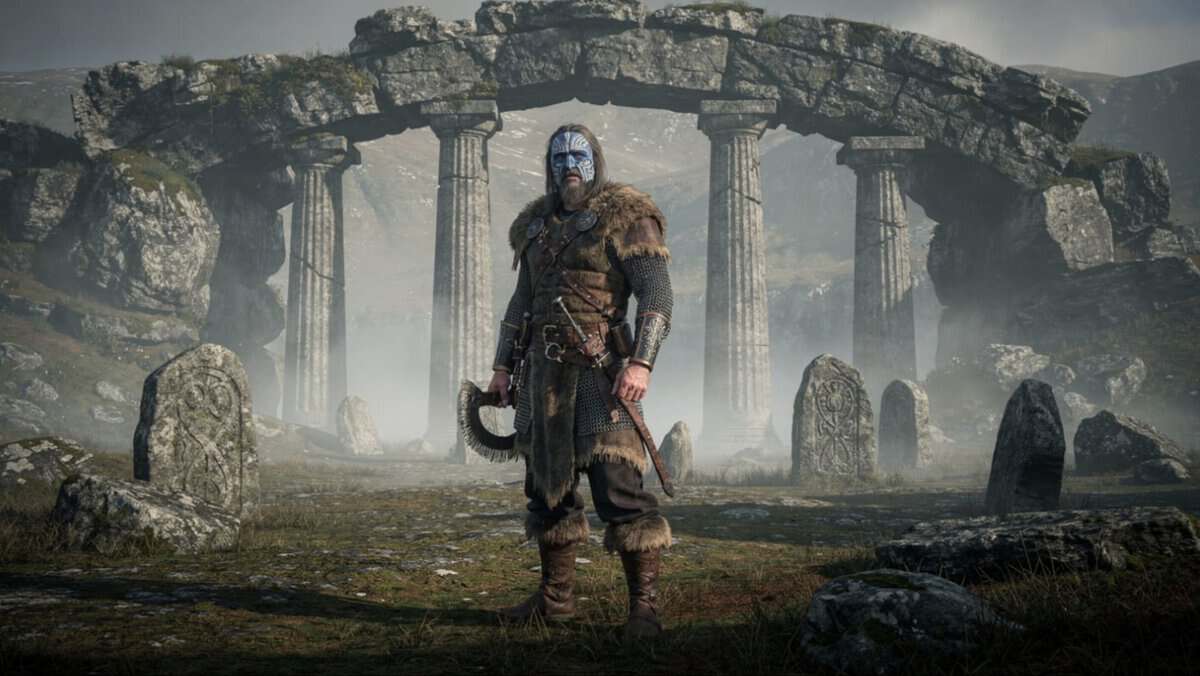
The name Picts was given to these people by the Roman. It’s believed that the word derives from the Latin Picti, which means “painted people.”
Classical historians, such as Herodian, described them as rushing into battle without clothes, except for these intricate, blue designs painted (or tattooed) on their skin.
This practice was likely a rite of passage in the Pictish society and a method of intimidation. The symbols were most likely protective, ensuring that the warrior would have better luck.
Over time, these tattoos became a symbol of the wild and untamed nature of ancient Scotland.
7. The Carved Stones
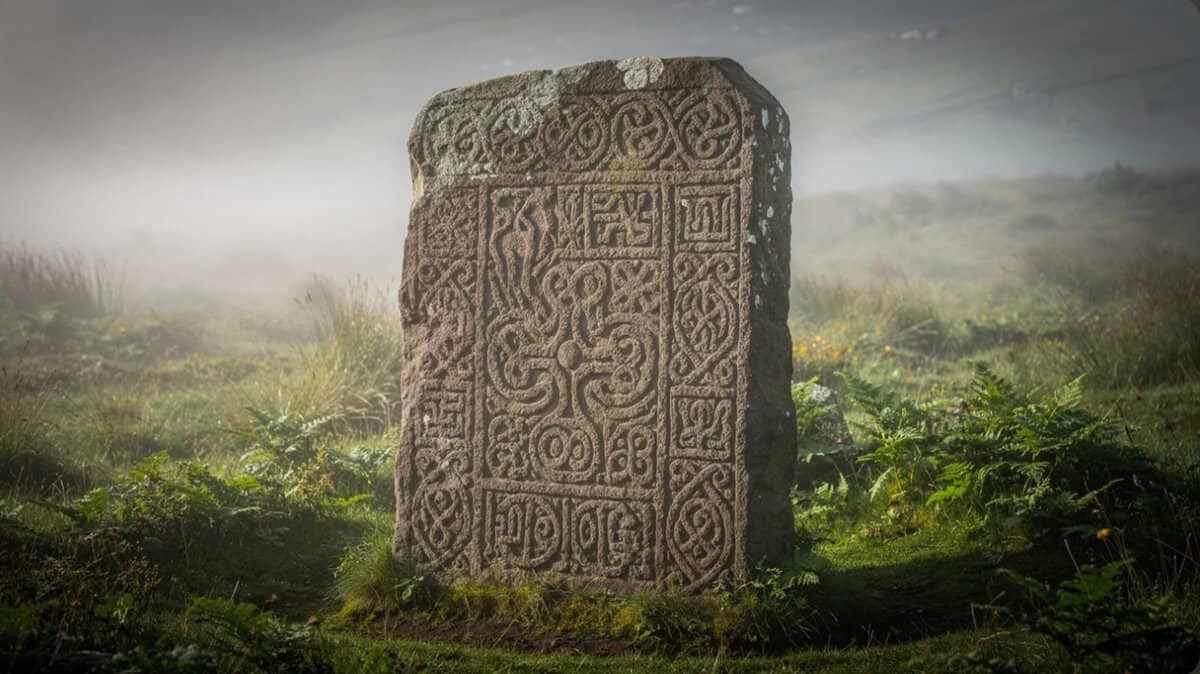
The Picts left behind numerous carved stones, of which about 350 still stand today. They date from the 4th to the 9th centuries.
Many of them could never be deciphered. They are one of the few enduring records we have of their civilization, yet they tell us very little.
The only secure information they give away is that the Picts continued to carve the stones after Christianization, since many of them bear crosses and other Christian symbols.
Other symbols include crescents, V-rods, and double discs, as well as depictions of animals and daily life.
We still don’t even know for sure what they were used for!
Did they just mark territory? Were they historical records, memorials, or were they used for some form of communication?
8. Pictish Artistry
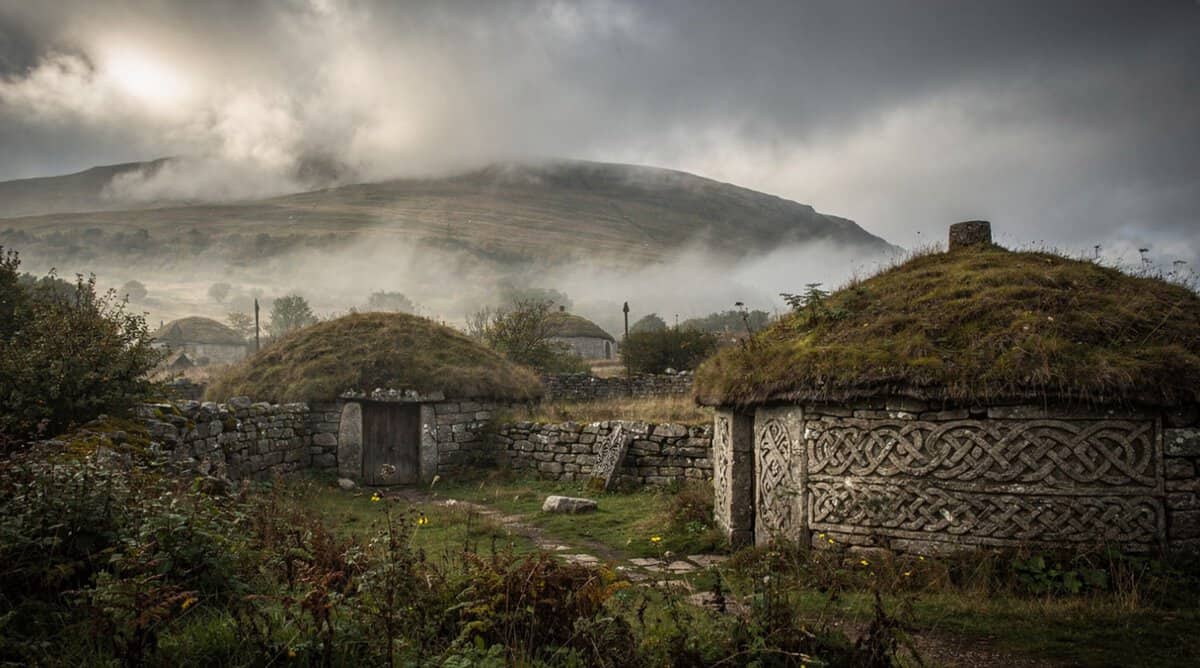
Pictish artwork often features intricate patterns and interlaced designs. The included animal motifs reveal a high level of craftsmanship.
This wasn’t primitive art. It was stylized and meaningful, showing a level of detail that rivals many newer civilizations.
The complexity of their metalwork tells us that they appreciated beauty and liked expressing themselves.
The influence of Pictish art can be seen in the later Insular art style, such as the Book of Kells. It’s clear that their cultural influence extended far beyond political borders.
These designs followed a strict visual pattern. It included soaring eagles and the intertwining knot work, which came to be synonymous with Celts.
9. Assimilation
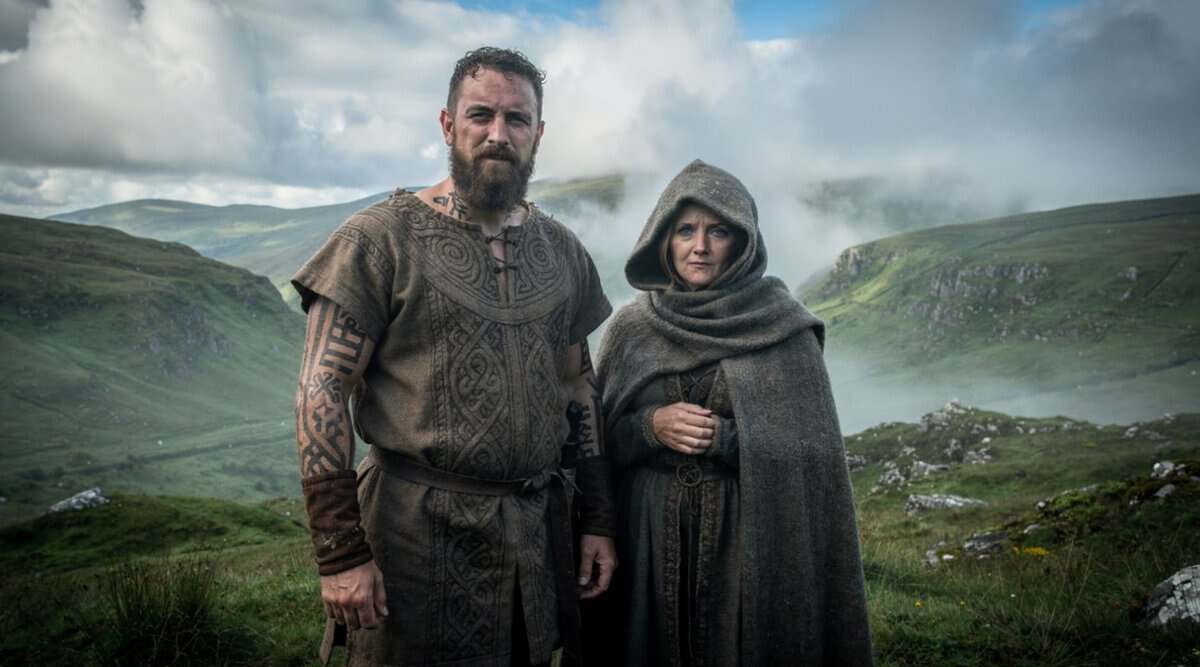
By the 10th century, the Picts gradually merged with neighboring groups, especially the Gaelic Scots of Dál Riata.
They formed the Kingdom of Alba, which later became Scotland.
As a distinct group, they didn’t disappear due to extinction or a natural catastrophe, but due to peaceful cultural assimilation.
Gaels and Picts regularly intermarried, so their cultures started to blend together.
The process of assimilation was so smooth and subtle that we don’t even know exactly when the last Pictish kingdom ceased to exist.
However, as a distinct culture, the Picts disappeared in name only. Their cultural legacy persisted in place names, art, and archaeology.
Together with the Gaels, they created the foundation of the Scottish nation, so they are still very much present.

A little Aquarius, devoted to writing and embroidery. Through my writing, I hope to empower readers to align with their true selves and navigate life’s mysteries with confidence.