
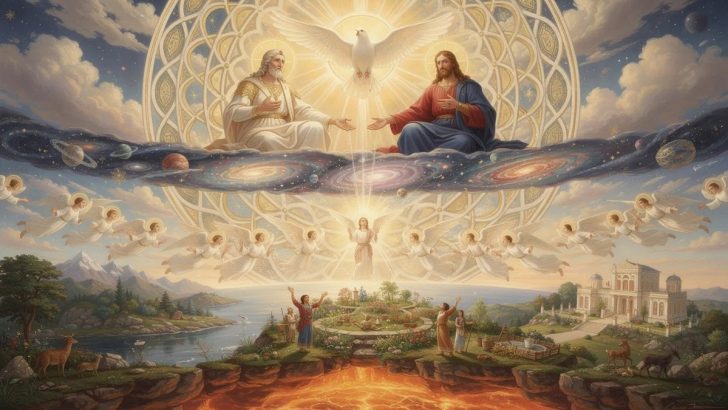
Few questions have fascinated humanity more than, “What is God like?” Across thousands of years and countless cultures, people have developed different ways of understanding the divine. Some religions describe one all-powerful Creator, while others speak of many gods, an impersonal ultimate reality, or spiritual beings that guide the universe. These beliefs have shaped civilizations, inspired incredible works of art, and influenced billions of lives.
While each religion has many denominations and schools of thought, this overview highlights the broad ways the world’s major religions understand God—or the ultimate reality. Think of it as a respectful introduction rather than a complete theology textbook. After all, entire libraries have been written on each of these traditions. So, let’s take a journey around the globe and see how different faiths answer one of humanity’s oldest questions.
1. Christianity – One God in Three Persons
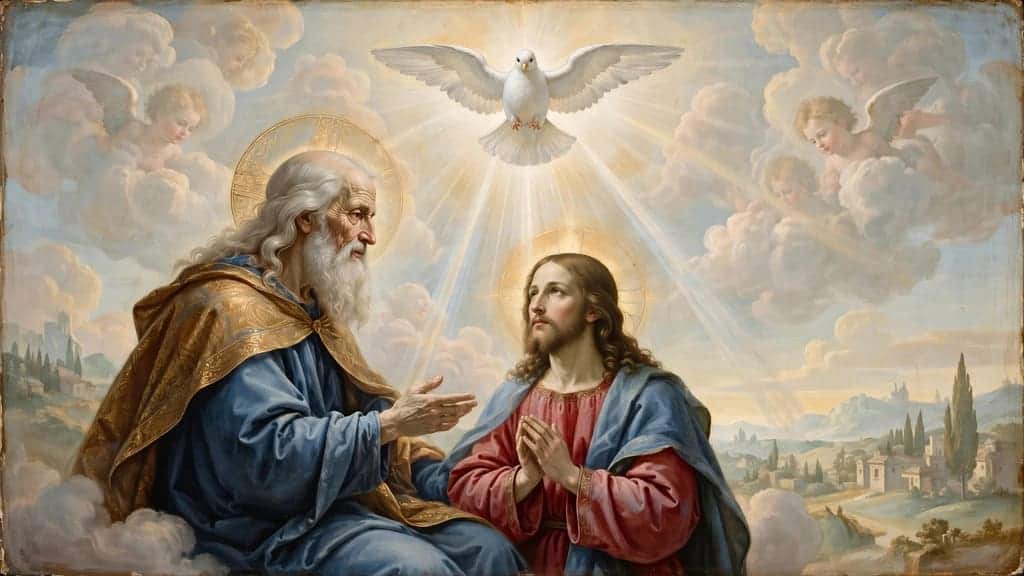
Christianity teaches that there is one God who exists eternally as the Trinity: the Father, the Son (Jesus Christ), and the Holy Spirit. This doesn’t mean Christians believe in three separate gods, but rather one divine being expressed in three distinct persons. It’s one of Christianity’s central mysteries, and theologians have spent nearly two thousand years trying to explain it without accidentally creating more confusion. (No analogy involving eggs or water has ever completely solved the problem.)
God is understood to be all-powerful, all-knowing, eternal, perfectly loving, and the Creator of everything that exists. Christians believe God became human through Jesus Christ to reconcile humanity with Himself. Throughout the Bible, God is depicted as both just and merciful, encouraging people to live lives of love, forgiveness, compassion, and faith. Different Christian denominations may emphasize various aspects of God’s nature, but they share the belief that God desires a personal relationship with humanity and actively participates in history.
2. Islam – The Absolute Oneness of Allah
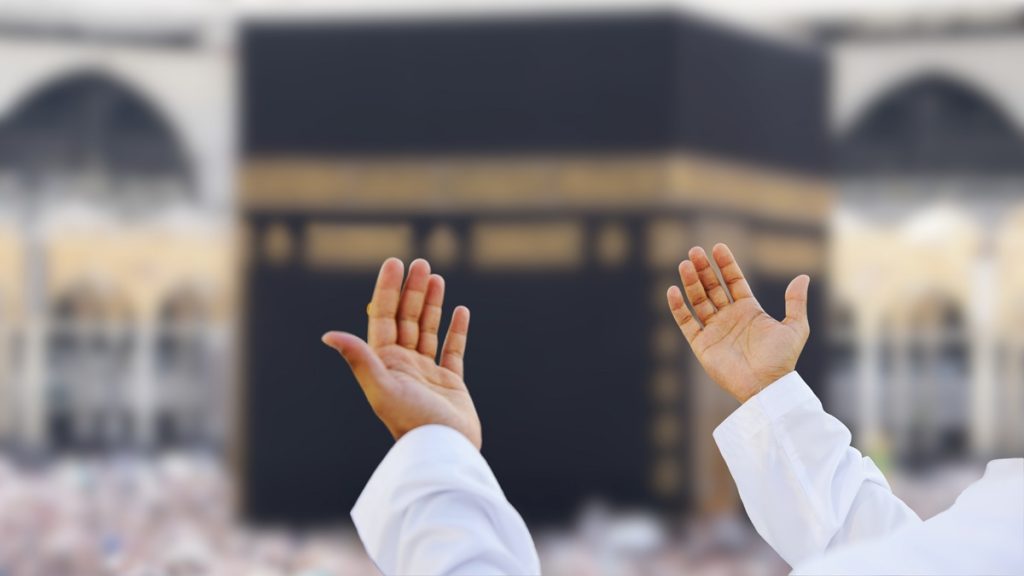
Islam teaches uncompromising monotheism, known as Tawhid, the belief that there is only one God: Allah. The Arabic word “Allah” simply means “God” and is also used by Arabic-speaking Christians and Jews. In Islamic belief, Allah has no partners, children, or equals. He is beyond human imagination, incomparable, eternal, and completely unique.
The Qur’an frequently describes Allah through His 99 Beautiful Names, including “The Most Merciful,” “The Most Compassionate,” “The All-Knowing,” and “The Most Just.” Muslims believe Allah created the universe, guides humanity through prophets—including Abraham, Moses, and Jesus—and revealed the final scripture through the Prophet Muhammad. While Allah is infinitely close to His creation, He is never portrayed as becoming human. Islamic worship emphasizes submission, gratitude, prayer, charity, and recognizing God’s complete sovereignty over all creation.
3. Judaism – The One Eternal Creator

Judaism centers on belief in one indivisible God who created the universe and entered into a covenant with the people of Israel. God’s personal name, represented by the Hebrew letters YHWH (often called the Tetragrammaton), is considered so sacred that many Jews avoid pronouncing it aloud, instead saying titles such as “Adonai” (Lord) or “HaShem” (The Name).
The Hebrew Bible portrays God as both compassionate and just, deeply concerned with morality, justice, and faithfulness. Rather than being represented through physical images, God is understood as transcending human form while remaining actively involved in history. Judaism emphasizes obedience to God’s commandments, ethical living, and community responsibility. The relationship between God and humanity is often portrayed through covenant—a mutual commitment involving both divine promises and human responsibility. It’s a relationship built not just on belief, but on daily actions that reflect faith.
4. Hinduism – One Ultimate Reality, Many Divine Expressions
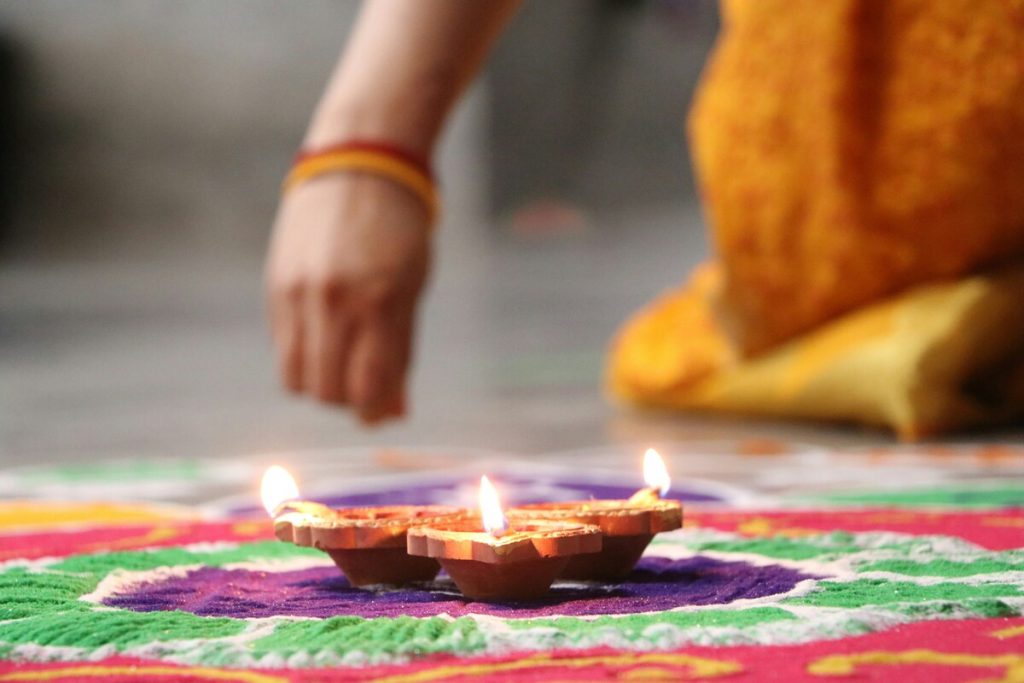
Hinduism presents one of the world’s most diverse understandings of the divine. Many Hindus believe in a single ultimate reality known as Brahman, which is infinite, eternal, and beyond complete human understanding. At the same time, Brahman is worshipped through numerous deities, each representing different aspects of the divine.
Gods such as Vishnu, Shiva, Lakshmi, Saraswati, Durga, and Ganesha each embody particular qualities, responsibilities, and spiritual teachings. Some Hindus devote themselves primarily to one deity while recognizing that all ultimately reflect the same supreme reality. Other traditions within Hinduism emphasize a more philosophical approach to Brahman without focusing on personal gods. If this sounds wonderfully complex, that’s because it is. Hinduism has developed over thousands of years, producing an incredibly rich variety of beliefs that allow many paths toward spiritual realization.
5. Buddhism – The Focus Is Not on a Creator God
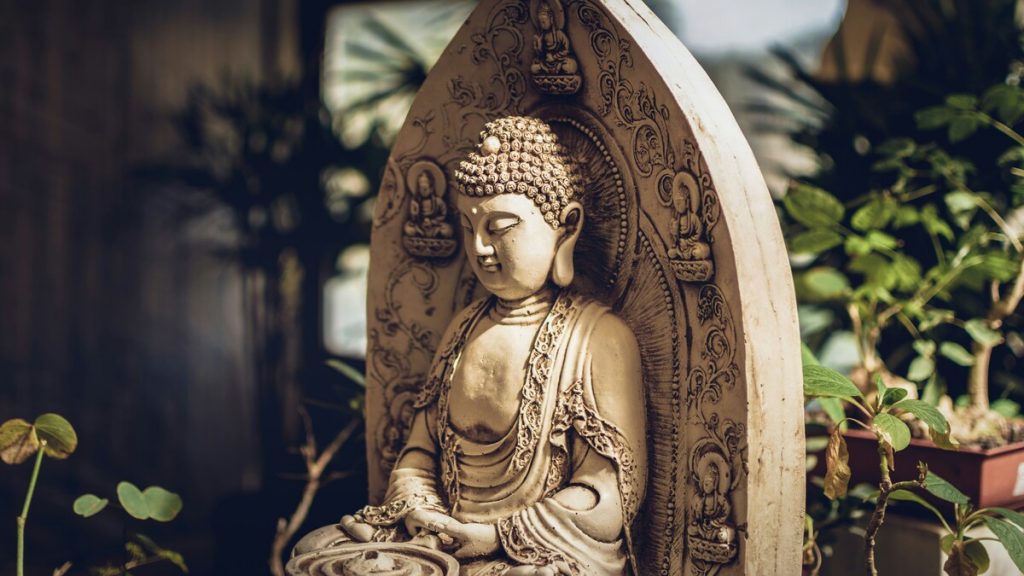
Unlike many other major religions, Buddhism generally does not center on belief in a single creator God. Instead, its primary focus is understanding suffering, achieving enlightenment, and escaping the cycle of rebirth through wisdom, ethical living, and meditation.
Many Buddhist traditions acknowledge heavenly beings, devas, bodhisattvas, and celestial Buddhas, but these figures are not viewed as all-powerful creators who govern the universe. The historical Buddha, Siddhartha Gautama, is revered as an enlightened teacher rather than a god. Ultimate reality is understood differently among Buddhist schools, with concepts such as Nirvana representing liberation rather than union with a creator deity. So while someone might ask, “Where’s God in Buddhism?” the tradition often responds by gently redirecting the conversation toward inner transformation instead.
6. Sikhism – One Formless, Eternal God
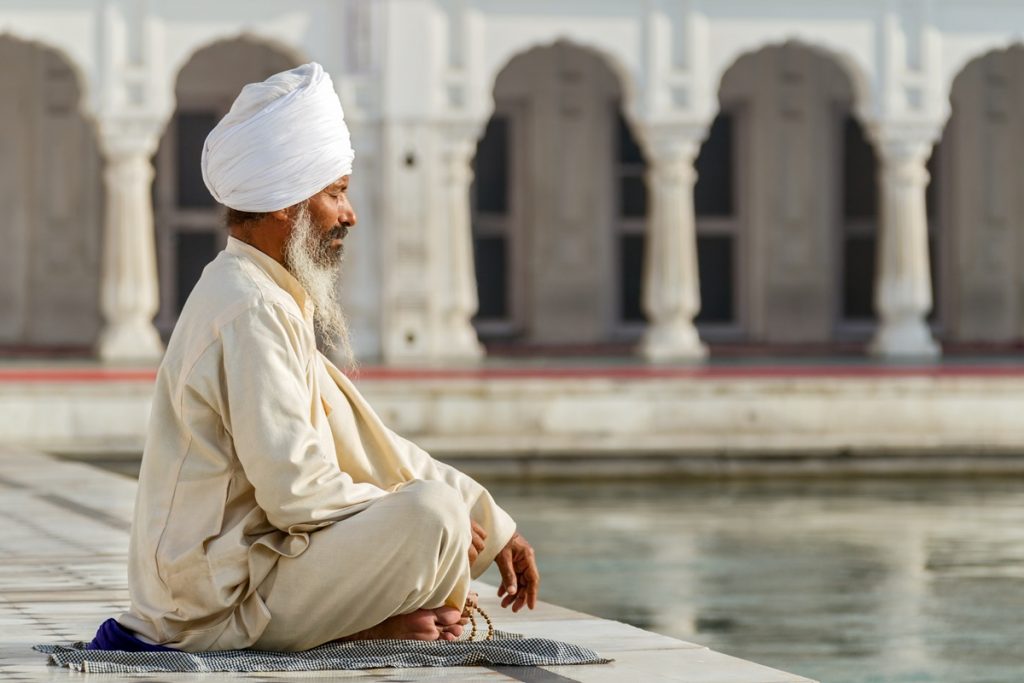
Sikhism teaches belief in one God, known by many names including Waheguru, who is eternal, formless, beyond gender, and present throughout all creation. God is both transcendent—existing beyond the universe—and immanent, meaning God’s presence fills every part of existence.
The opening words of the Sikh scripture describe God as One Universal Creator who is fearless, without hatred, timeless, self-existent, and knowable through divine grace. Sikhs believe that sincere devotion, honest work, compassion, equality, and service to others bring people closer to God. Unlike traditions that emphasize ritual alone, Sikhism encourages remembering God throughout daily life while treating all people with dignity. The idea that everyone has equal access to the divine remains one of Sikhism’s defining principles.
7. Baháʼí Faith – One God Revealed Through Many Messengers

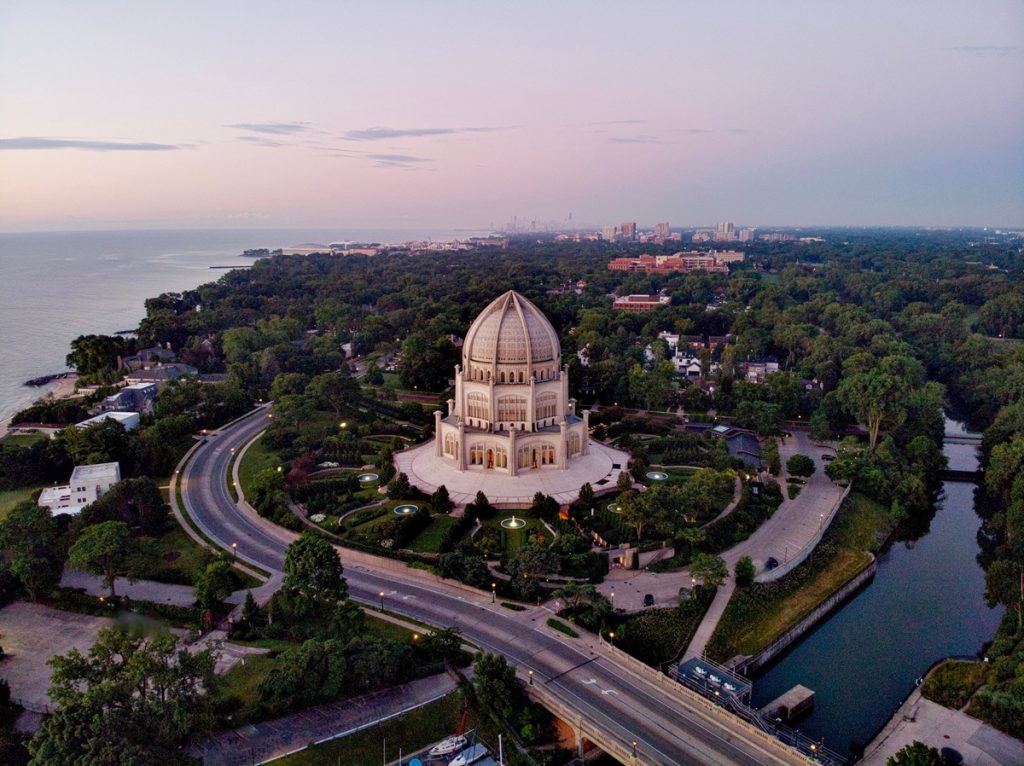
The Baháʼí Faith teaches belief in one unknowable God who has gradually revealed divine guidance throughout history by sending a series of messengers. These include figures such as Abraham, Moses, Krishna, Buddha, Zoroaster, Jesus, Muhammad, and, most recently, Bahá’u’lláh, whom Baháʼís regard as God’s latest messenger for this age.
Rather than viewing these teachers as competitors, the Baháʼí Faith sees them as part of one continuous process of spiritual education suited to humanity’s changing needs. God remains beyond complete human comprehension, yet His qualities—such as love, justice, wisdom, and mercy—can be reflected in human character. This belief encourages the unity of humanity, harmony between science and religion, and cooperation across cultures and faith traditions.
8. Shinto – The Divine Found Throughout Nature

Shinto, Japan’s indigenous religion, does not focus on a single supreme God. Instead, it teaches the existence of countless kami, spiritual beings or sacred presences associated with natural forces, mountains, rivers, trees, ancestors, and remarkable people.
Kami are not exactly gods in the Western sense, nor are they merely spirits. They represent the sacred qualities found throughout the natural world and human life. Shinto emphasizes harmony, gratitude, purity, and respect for nature rather than formal doctrines about creation or salvation. Visiting a Shinto shrine is often less about debating theology and more about expressing appreciation, seeking blessings, and maintaining a respectful relationship with the sacred world around us. It’s a reminder that sometimes the divine may be encountered beneath ancient trees as much as inside sacred buildings.

Lover of good music, reading, astrology and making memories with friends and spreading positive vibes! 🎶✨I aim to inspire others to find meaning and purpose through a deeper understanding of the universe’s energies.