

For people who spent months crossing unpredictable oceans in wooden ships, superstition wasn’t just entertainment—it was practically a survival strategy. Long before weather satellites and GPS, sailors faced storms, shipwrecks, and mysterious disappearances with very little control over their fate. So they developed hundreds of bizarre traditions designed to keep bad luck overboard and good fortune firmly tied to the mast.
Some of these beliefs sound delightfully ridiculous today. Others have surprising historical roots, and a few are still respected by modern sailors purely out of tradition. Whether you believe in luck or simply appreciate wonderfully weird folklore, these nautical superstitions have sailed through centuries without sinking.
1. Never Whistle on a Ship Unless You Want to Summon a Storm

Imagine you’re peacefully sailing across calm waters when someone starts whistling. Instead of complimenting their tune, the crew immediately stares at them like they’ve just volunteered everyone for a hurricane.
One of the oldest maritime superstitions claims that whistling aboard a ship “calls the wind.” In theory, a gentle whistle might invite a helpful breeze, but many sailors believed it was far more likely to summon violent gales and dangerous storms. Considering that wind determined whether a sailing vessel moved—or flipped dramatically into the sea—it’s easy to understand why this belief became so widespread.
The irony is that professional boatswains often used whistles as legitimate communication tools. Apparently, blowing an official whistle was acceptable, but casually performing your favorite sea shanty remix was tempting fate. Even today, some experienced sailors jokingly discourage unnecessary whistling while offshore. Is it scientifically proven? No. Is it worth risking the collective side-eye of an entire crew? Also no.
2. Bananas Are Considered Terrible Luck at Sea
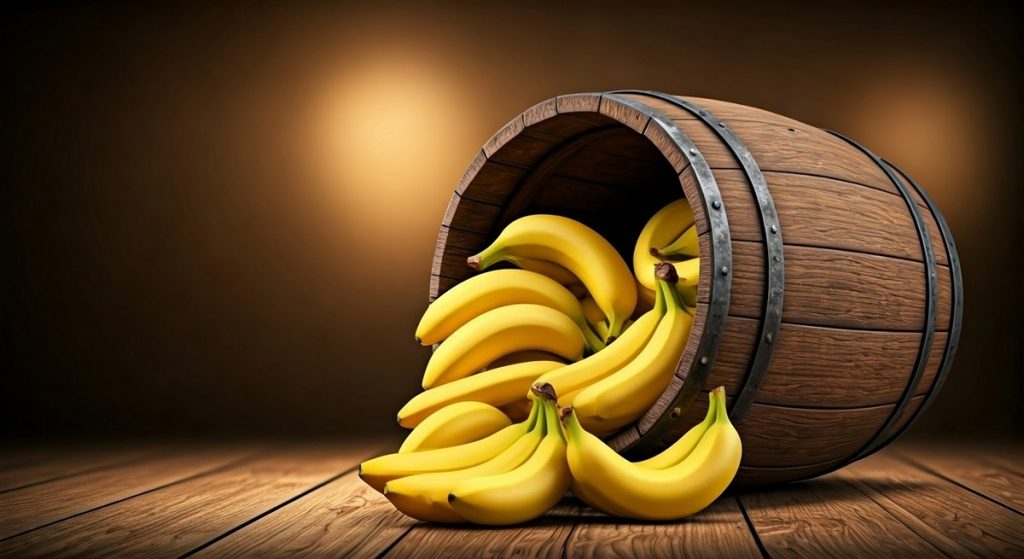
Of all the fruits to fear, sailors somehow declared war on bananas.
This wonderfully odd superstition dates back hundreds of years, particularly among fishing crews and merchant vessels. Ships carrying bananas were rumored to disappear mysteriously, return with poor catches, or suffer constant mechanical problems. The reputation became so powerful that many fishermen still refuse to bring bananas aboard their boats today.
Historians have suggested several practical explanations. Bananas spoil quickly and produce ethylene gas that ripens nearby fruit, potentially ruining valuable cargo. Tropical banana shipments also attracted venomous spiders hiding among the bunches, creating an entirely reasonable incentive to dislike them. Fast banana ships were also known for prioritizing speed, sometimes making them more vulnerable to dangerous weather.
Still, the superstition has outlived the original circumstances. Modern anglers have been known to discover a forgotten banana in someone’s backpack and react with genuine horror. Somewhere, the banana remains deeply offended by centuries of maritime slander.
3. Women Were Both Good Luck and Bad Luck… Somehow
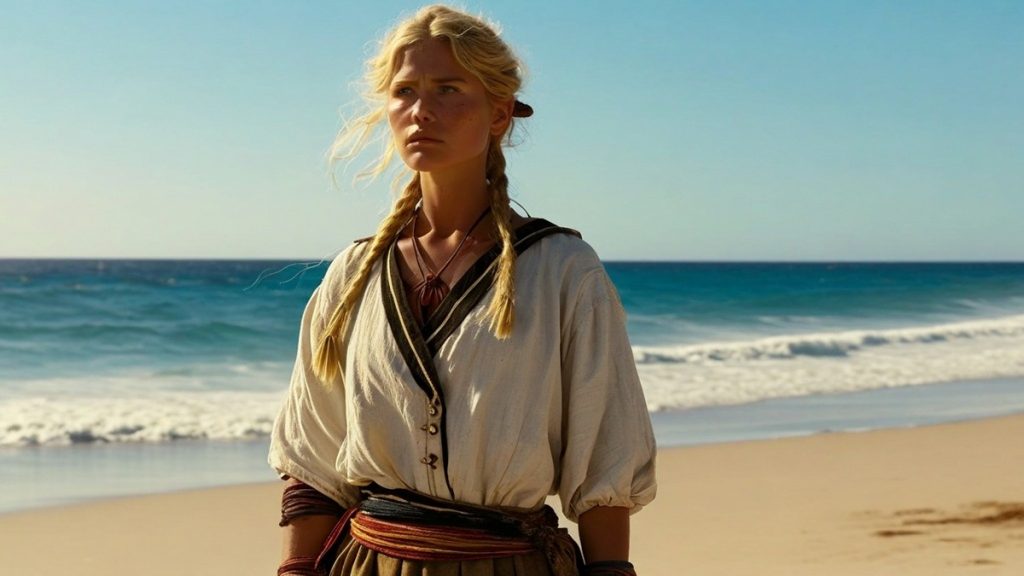
Sailors managed to invent one of history’s most contradictory beliefs: women could bless a voyage and doom it, sometimes simultaneously.
Many cultures believed that having a woman aboard would distract the crew, anger the sea, or invite disaster. Yet ships were also frequently decorated with elegant female figureheads carved into their bows. These wooden women were thought to calm the ocean, guide the vessel safely, and even protect sailors from angry spirits beneath the waves.
The contradiction becomes even funnier when you realize sailors also loved carrying portraits, letters, and embroidered handkerchiefs from wives and sweethearts for good luck. So apparently an actual woman on deck was risky, but a beautifully carved wooden one leading the ship through storms was excellent.
Thankfully, modern sailing has abandoned these outdated ideas. Women have served as exceptional sailors, captains, navigators, and explorers around the world, proving that the only thing they consistently bring aboard is competence—not supernatural bad luck.
4. Never Rename a Ship Without Appeasing the Sea
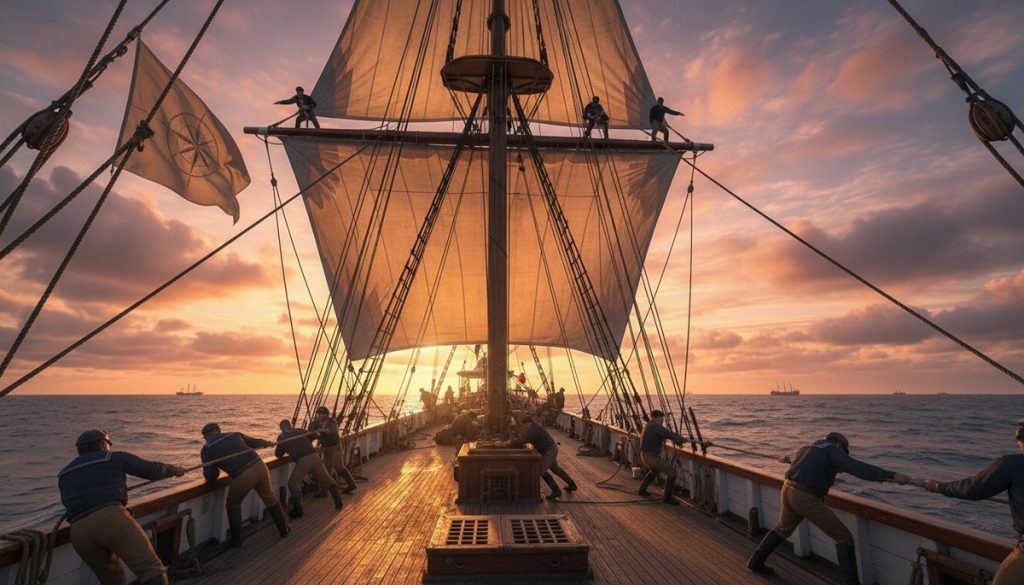
Buying a secondhand boat seems exciting until someone tells you changing its name could anger ancient sea gods.
Among sailors, a vessel’s name was believed to be permanently recorded in the mythical Ledger of the Deep, often associated with Neptune or Poseidon depending on the tradition. Simply painting a new name across the stern without proper ceremony supposedly invited terrible fortune, including storms, accidents, or endless mechanical failures. Considering how expensive boat repairs are, many owners decide not to tempt mythology.
Traditional renaming ceremonies are surprisingly elaborate. The old name is completely removed from every object aboard, champagne is poured into the sea as an offering, and the new name is formally announced to the winds from every direction. It’s essentially a baptism mixed with a nautical housewarming party.
Does Neptune actually maintain administrative paperwork? Almost certainly not. But if there’s an excuse to celebrate with champagne while standing on a boat, sailors have wisely decided not to argue with tradition.
5. Killing an Albatross Could Doom the Entire Voyage
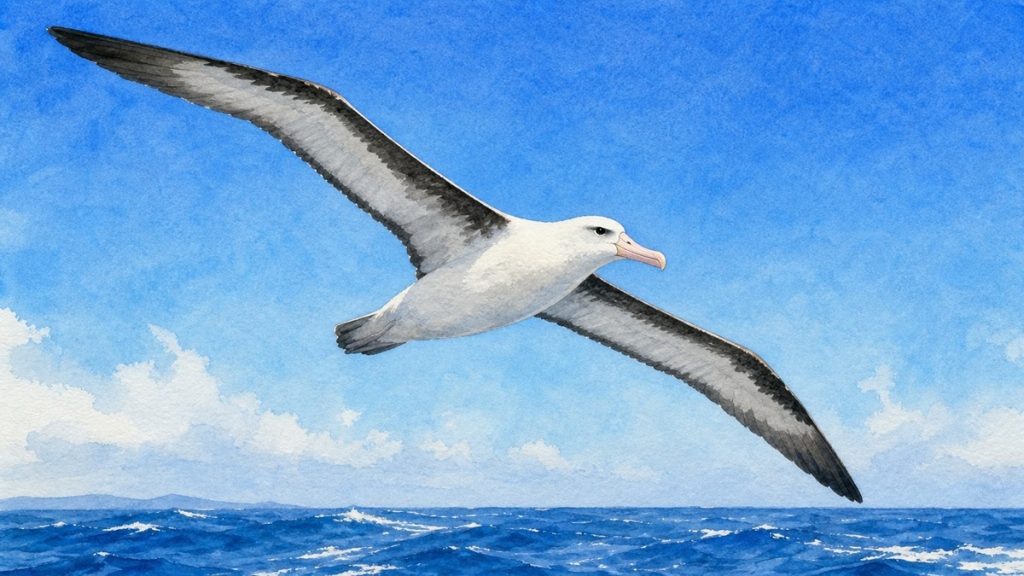
If there’s one bird sailors learned to respect, it was the magnificent albatross.
These enormous seabirds often followed ships for thousands of miles across the open ocean, becoming familiar companions during long voyages. Sailors began believing that albatrosses carried the souls of lost mariners or acted as guardians guiding vessels safely through dangerous waters. Harming one was considered among the worst possible omens imaginable.
The superstition became legendary thanks to Samuel Taylor Coleridge’s The Rime of the Ancient Mariner, where a sailor kills an albatross and brings catastrophic misfortune upon his ship. The phrase “an albatross around your neck” still survives today as a metaphor for carrying a heavy burden or curse.
Modern conservation gives this old superstition an unexpected twist. Albatrosses are genuinely remarkable birds with extraordinary wingspans and incredible navigational abilities, and many species now face real environmental threats. So while the curse may belong to folklore, protecting these majestic ocean travelers is something every sailor—and everyone else—can happily believe in.

Lover of good music, reading, astrology and making memories with friends and spreading positive vibes! 🎶✨I aim to inspire others to find meaning and purpose through a deeper understanding of the universe’s energies.