
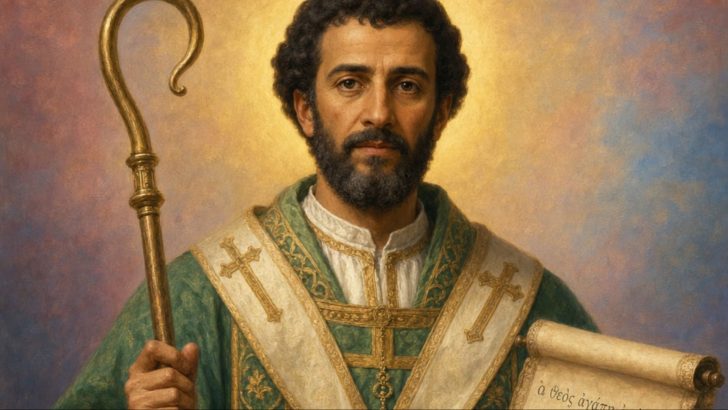
Jesus and His disciples established the foundations of the early Church.
The apostles wrote down all the miracles they witnessed, but Christians everywhere continued to be brutally persecuted.
One by one, the disciples laid their lives down for their faith, and if there was no one to pick up the mantle, Christianity might have ended there.
Thankfully, in the centuries after the crucifixion, countless writers continued to explore and popularize Christ’s teachings.
Here are 16 of them.
1. Clement of Rome
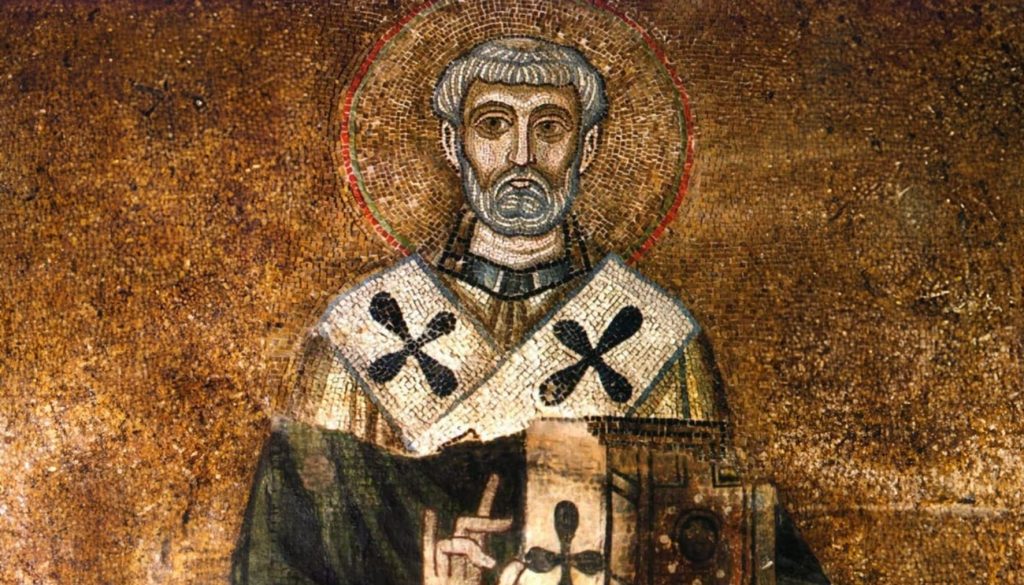
In 95 AD, the Christian church was in chaos. Younger members have kicked out their elders, and the entire congregation was about to fall apart.
At the time, Clement was a leader in the Roman church who wrote a letter (Clement 1) in which he reasoned why the church needed hierarchy and what that should look like.
Throughout the letter, he quoted the Old Testament, which gave his reasons more weight.
This letter is also an important historical proof that, within one generation of apostles, the Christian church already included a complex network between different cities.
There was also succession among the apostles, as Clement was Peter’s disciple and a Pope.
2. Ignatius of Antioch
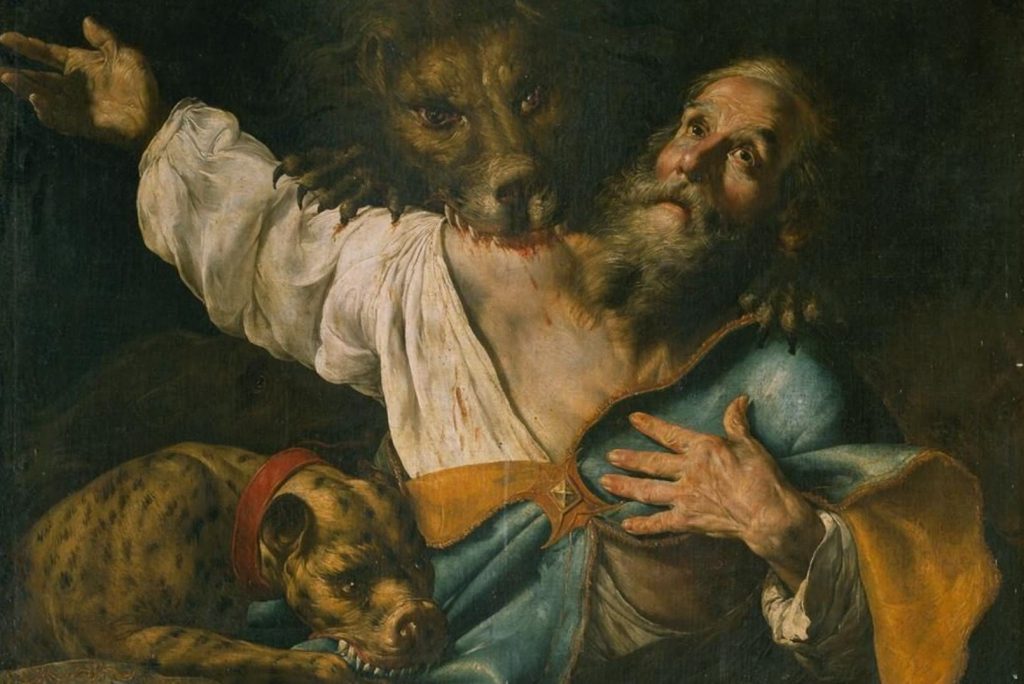
Ignatius was in chains when he wrote his letters. He was a bishop from Antioch around 107 AD, and he was being taken to Rome to be thrown to wild beasts!
Instead of worrying about his own life, he made sure to dictate letters to the churches he passed.
There’s urgency in those letters; they reflect his desire to do something important while he’s still breathing.
In the letters, he begs Christians to stay unified under their bishops and reject docetism.
He’s also the one who coined the titles of positions within the church, like bishop and presbyter.
Ignatius also welcomed martyrdom, asking Roman Christians not to try to save him.
3. Polycarp of Smyrna
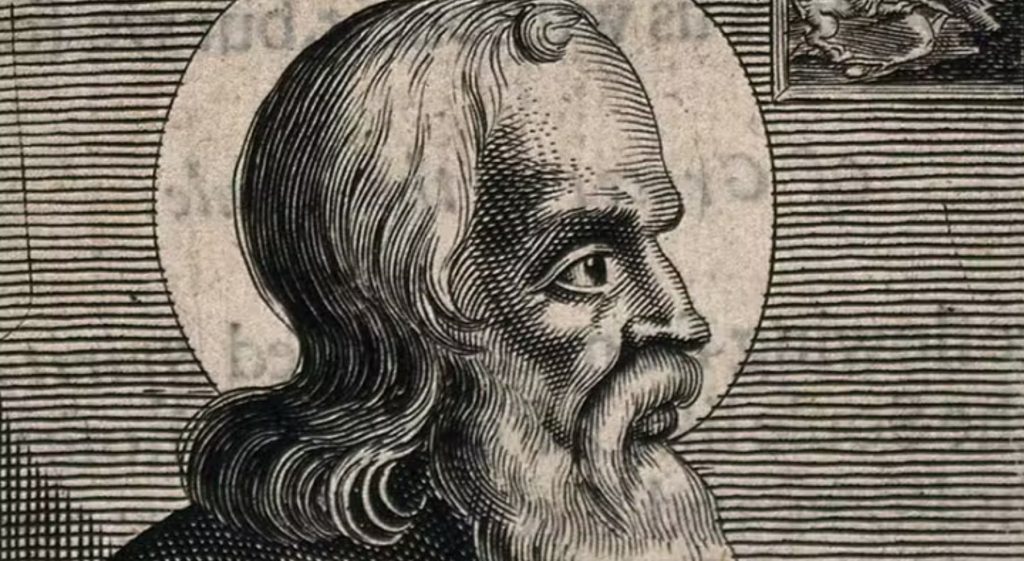
Tradition says that Polycarp was the student of the apostle John, which adds serious weight to his Letter to the Philippians (110 AD).
His theology is directly influenced by the original apostles.
He actually wrote the letter to comfort the Philippian church and address the scandal caused by a certain presbyter.
He reminds the Philippians of the sound doctrine and the danger of heresy.
Historically, Polycarp had preserved and quoted from a huge range of earlier Christian writings, allowing scholars to properly reconstruct and date these ancient texts today.
Polycarp was martyred at the age of 86 when he refused to curse Christ.
4. The Didache
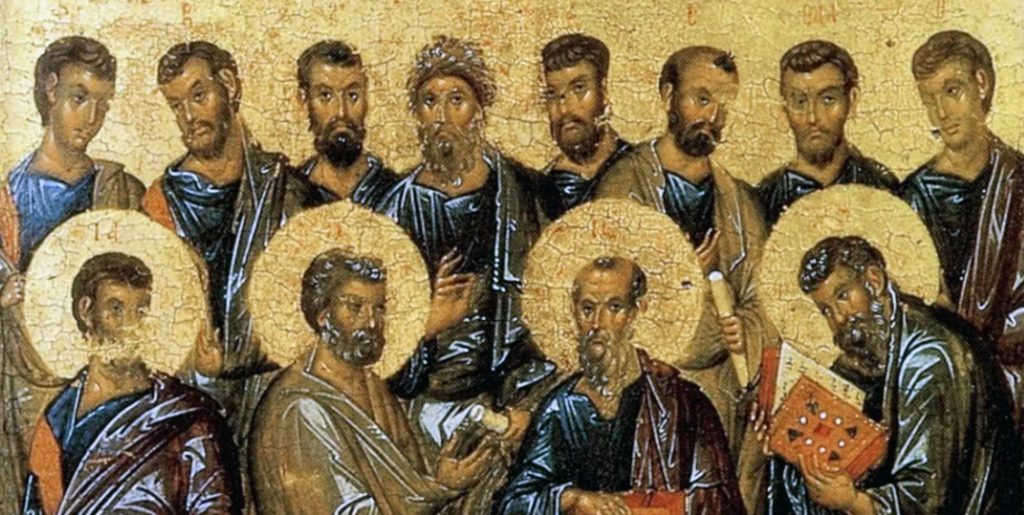
The Teaching of the Twelve Apostles is a short text, which might be the earliest Christian writing outside the New Testament.
Some parts of it are dated to 50 AD!
It opens with ethical instructions by laying down two paths before his readers: the path of life and the path of death.
Then, he gives instructions for liturgy: how to baptize, how often to fast, what prayers to say before meals, and how to handle false prophets.
The text even includes early instructions on the Eucharist.
The writer remains unknown.
5. Papias of Hierapolis
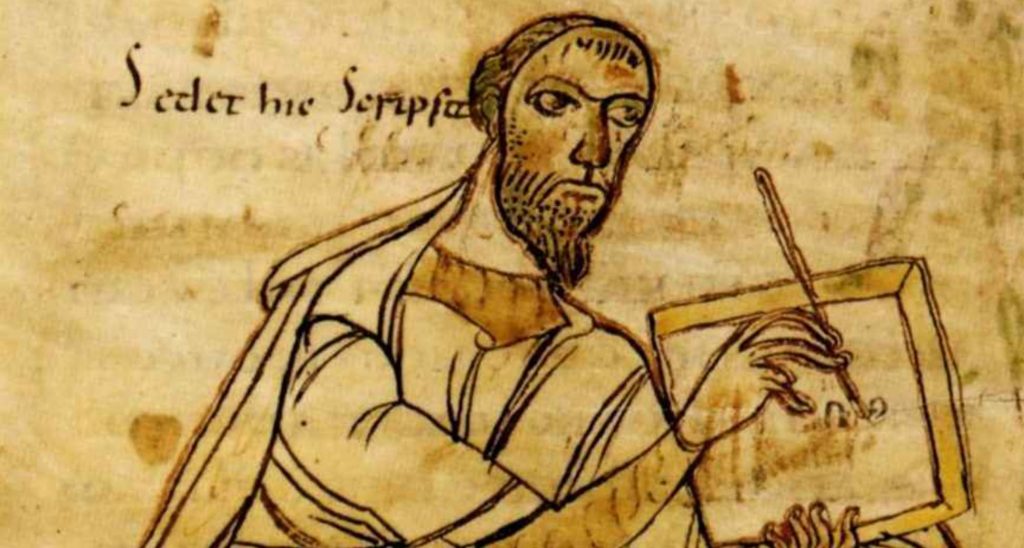
Papias was determined to find anyone who had heard the original apostles speak before they died.
He wrote his Expositions of the Sayings of the Lord sometime between 110 and 140 AD. He said that he preferred living testimony over written books.
This makes him one of history’s earliest oral historians.
For instance, he reveals how the Gospels of Mark and Matthew came to be written, at least according to what he was told.
He was obsessed, but he also understood the importance of preserving firsthand memory before it was lost forever.
6. Quadratus of Athens
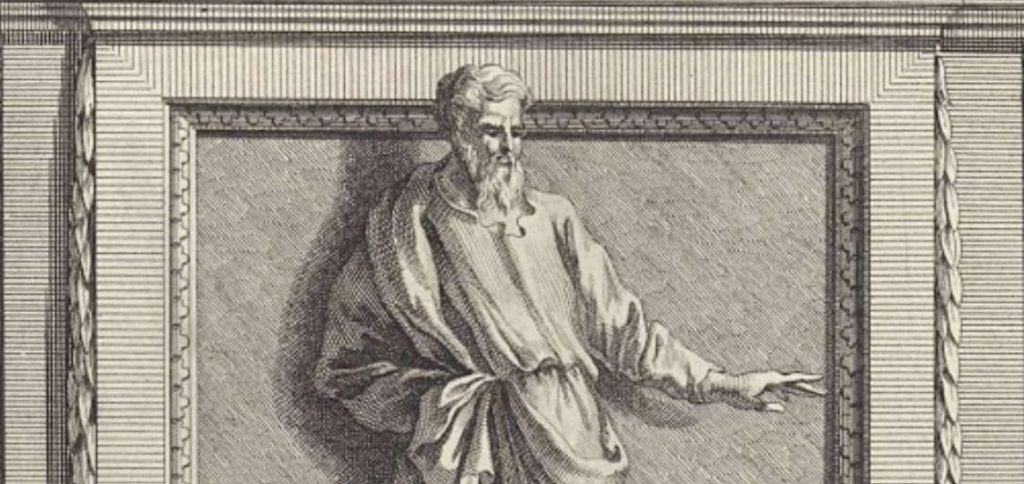
Quadratus doesn’t get too much attention because most of what he wrote was lost. Just one fragment survived and was quoted by Eusebius, centuries later.
However, it’s believed that Quadratus was the first Christian apologist! He wrote letters to Emperor Hadrian in defense of the religion.
Christianity was looked upon with hostility at the time, but this man took it upon himself to defend it before the most powerful man in the world!
In the fragment that survived, he argues that the people Jesus raised and healed lived in His time. His miracles weren’t legends; they were witnessed.
7. Aristides of Athens
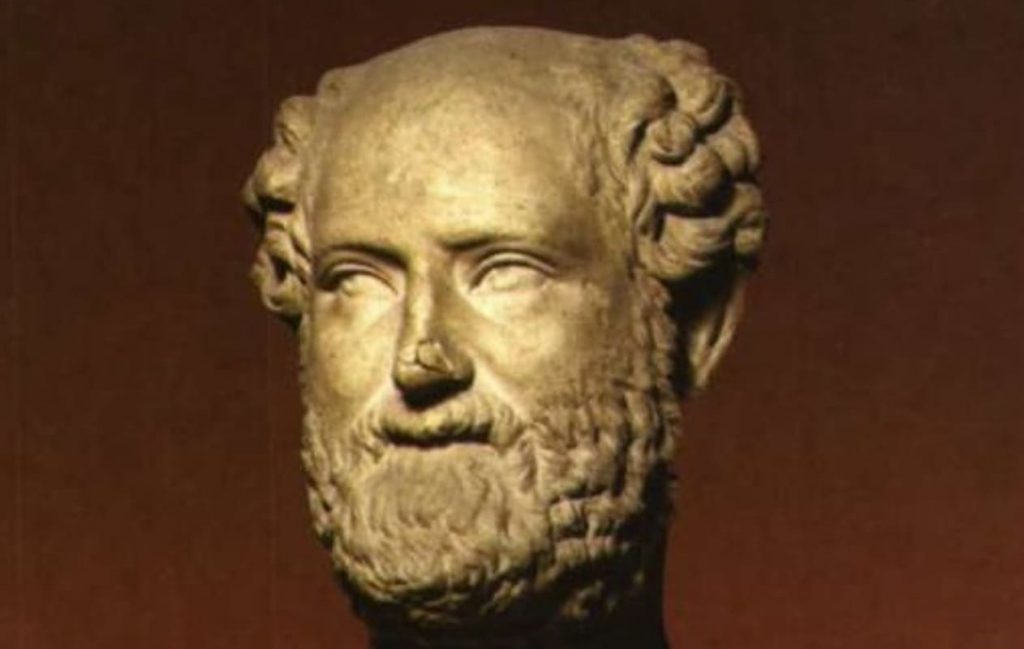
Around the same time as Quadratus, Aristides also wrote his Apology to the Emperor Hadrian (125 AD).
But he took a very interesting approach, which scholars often call anthropological.
Aristides didn’t try to defend Christianity alone; he compared different religions of that time along with their concepts of God.
He mentions the faith of the Barbarians, Greeks, Jews, and Egyptian, and presents Christianity as the correction of them all.
Instead of pleading, Aristides chose philosophy.
He also described the ethical code of those who followed Christ’s teaching: caring for the less fortunate, freeing slaves, helping strangers…
He concluded that the believer’s daily habits and morals reflect the worth of their religion.
8. Justin Martyr
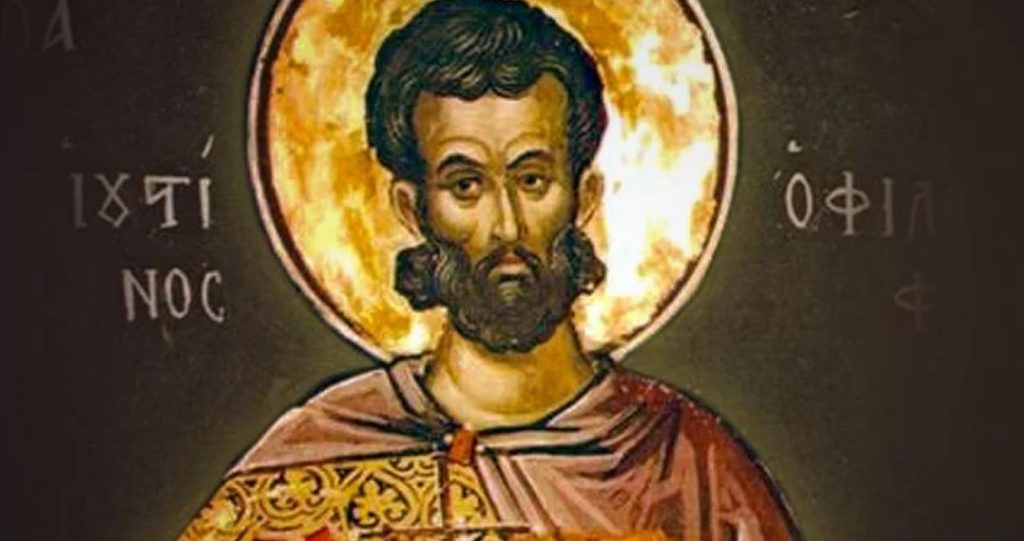
Justin Martyr was a trained philosopher, following various paths in search of the truth. He explored Stoicism, as well as the teachings of Aristotle and Plato, but none of them felt right.
One day, he met an old man on the beach, who pointed him to the Hebrew prophets and Christ.
Upon learning more, he decided that Christianity was the true philosophy.
In his First Apology (150 AD), addressed to the emperor, he gives details about Christian ethics and worship.
In his Dialogue with Trypho, he explains how Christ fulfills Hebrew scripture.
He also ran a school in Rome where he openly taught Christian philosophy, in public and under his own name.
In 165 AD, he was beheaded for refusing to sacrifice to Roman gods.
9. Tatian
Tatian was the student of Justin Martyr, but later, he ended up joining an ascetic sect (Encratism) considered heretical by the traditional church.
However, before and during his time with the sect, he created the Diatessaron, combining the four gospels into a single, coherent narrative of Christ’s life!
That was a massive undertaking, since each disciple emphasized different things. Tatian had managed to combine them all without losing anything essential.
For centuries, his Diatessaron was the standard text used in worship in parts of the Eastern Mediterranean.
10. Athenagoras of Athens
Athenagoras wrote his Plea for the Christians in 177 AD, a time when the believers were accused of insane things, such as cannibalism and incest!
They were also labeled atheists because they refused to worship Roman gods.
Athenagoras argued all of this slander, addressing his defense directly to Emperor Marcus Aurelius.
He was very detailed when he described exactly what Christians believed, their monogamy, ethics, and their rejection of violence.
He represents the era when Christian writers weren’t just surviving persecution but actively debating their opponents.
11. Clement of Alexandria
Clement ran the famous Christian theology school in Alexandria, where every popular religion and sect of the time coexisted.
Clement used that to his advantage.
In his Exhortation to the Greeks, he targets educated pagans, claiming that all of their myths and beliefs were meant to ultimately lead them to Christ.
In the Stromata (between 190 and 215 AD), he argues that true spiritual knowledge is found only in Christ, while exploring the teachings of Stoicism, Plato, and others.
However, the most important thing Clement did was combine reason with faith in his work.
He made it clear that one doesn’t negate the other, which paved the way for later Christian intellectuals.
12. Tertullian
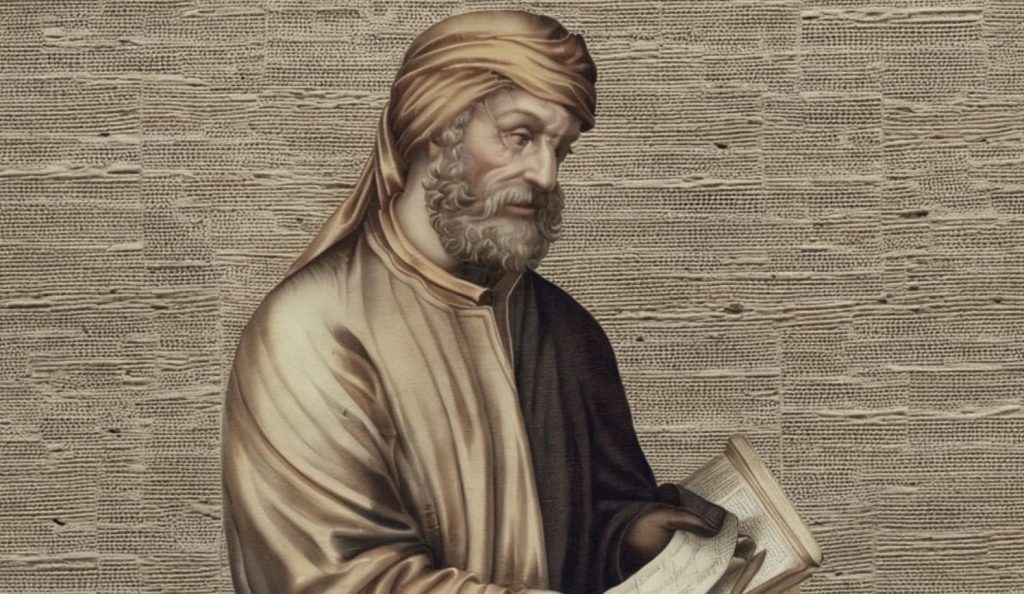
Tertullian was a trained public speaker from Carthage. He wrote about Christianity in Latin, which was important, since most apologists wrote in Greek.
So, he actually invented a huge part of Western Christian vocabulary!
In his Apology, around 197 AD, he uses sarcasm to argue against Roman persecution. His famous line, “blood of martyrs is the seed of the church,” also comes from here.
In Against Marcion, he argues against the claim that the God of the Old Testament and Jesus Christ are two different deities.
Tertullian was combative and rigorous in his faith, which could be why he ended up joining the Montanist movement.
He drifted away from the traditional church, but he also helped establish Western Christianity.
13. Origen of Alexandria
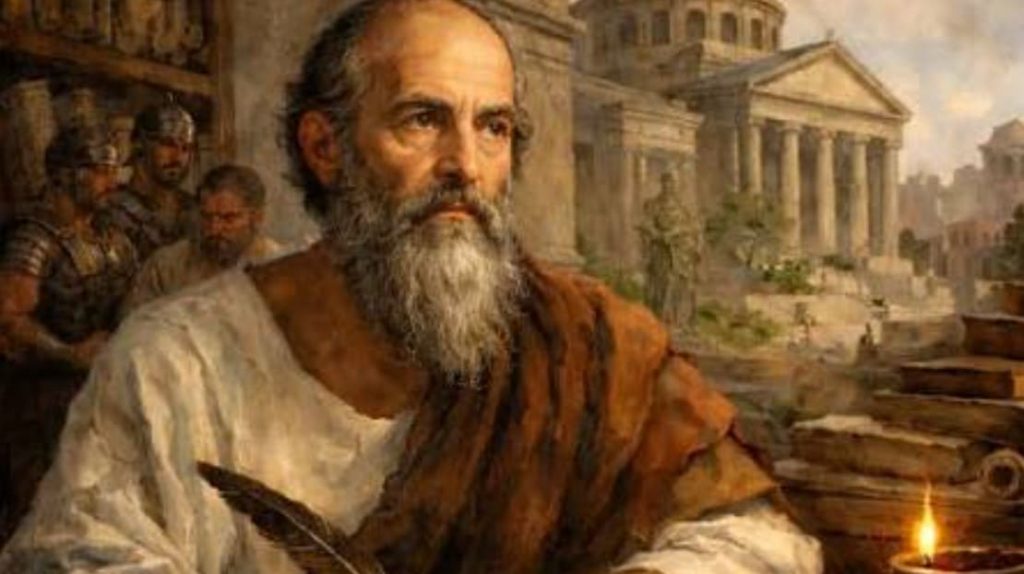
Origen was a student of Clement, and he took over the school in Alexandria as a young man.
The sheer volume of his work is impressive, including commentaries, sermons, criticism, and an attempt at systematic theology!
He explored the nature of God, creation, free will, and salvation. His Commentary on John is considered a masterpiece!
Origen taught that scripture had multiple layers of meaning: literal, moral, and spiritual.
He was tortured during the Decian persecution and died from his injuries around 253 AD.
Posthumously, Origen was declared a heretic for his ideas that the entire universe could eventually be saved.
14. Hippolytus of Rome
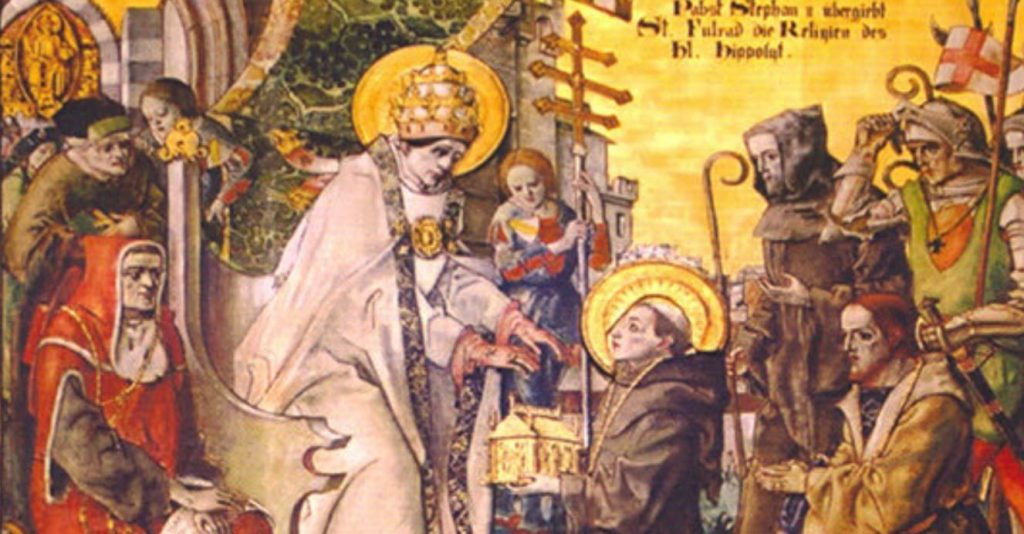
Hippolytus was a brilliant but stubborn presbyter in Rome. At some point, he became a rival bishop to the actual bishop of Rome!
This schism was solved only after they had both been exiled!
His legacy is the Refutation of All Heresies (between 170 and 235 AD). This is actually a catalog of all heretical and pagan philosophies he could document.
It includes Gnosticism, astrology, magic, Greek philosophical schools…
Naturally, he didn’t simply name these philosophies; he also argued against them all.
His work is extremely valuable to historians because he quoted his opponents at length before making his arguments.
By doing this, he had preserved numerous fragments and quotes that would have otherwise been lost forever.
15. Cyprian of Carthage
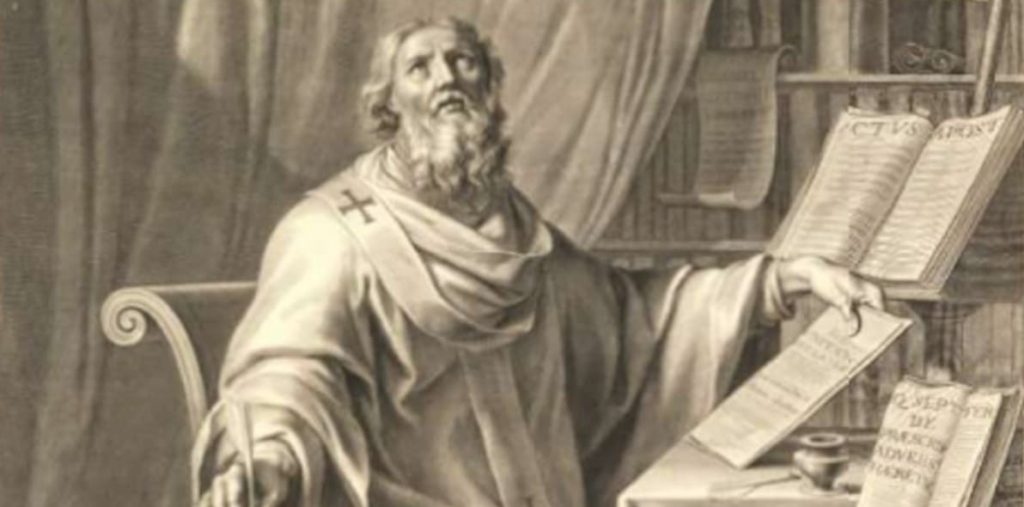
Cyprian became bishop of Carthage right before the Decian persecution.
The persecutors demanded that Christians sacrifice to Roman gods or face execution, and many people naturally chose to save their lives and families.
When it ended, there was a question of what to do with all those who denied Christ under pressure. Should they be allowed back in church or denied?
In his work On the Unity of the Church, Cyprian argued for everyone to find the middle ground.
He also warned against the danger of schism, understanding how it could weaken the entire religion.
When persecution started again under Emperor Valerian, Cyprian was martyred.
16. Dionysius of Alexandria
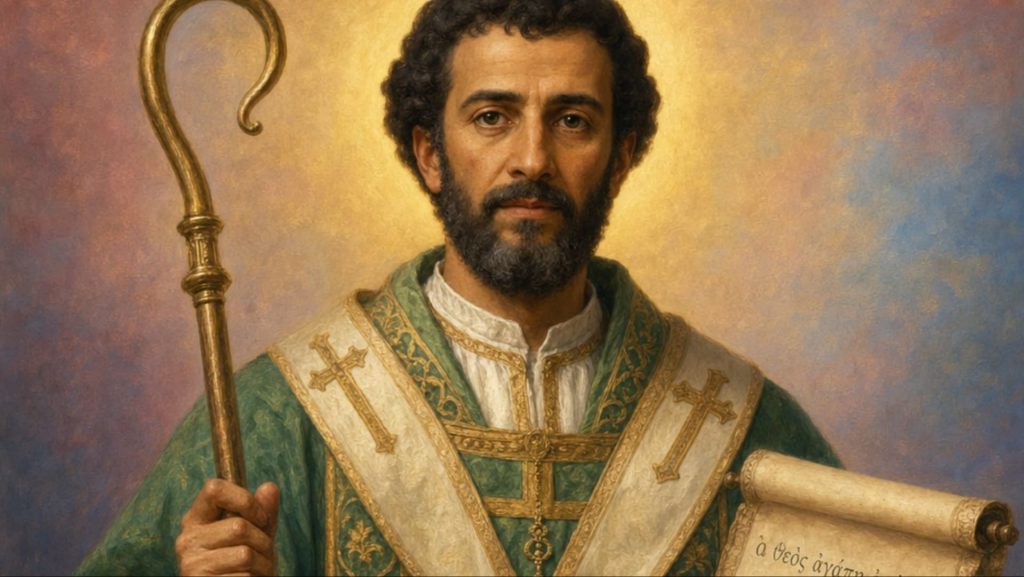
Dionysius was a student of Origen, and he became bishop of Alexandria during a terrible time. There was persecution, a plague, and the civil war was raging all around the city.
Dionysius devoted himself to helping the sick and the dying.
His theological significance lies in his letters on the Trinity (between 200 and 265 AD). In them, he was trying to describe the relationship between the Father and the Son.
This was a difficult task, since he had to combat heresy without overcorrecting and becoming a heretic himself!
Sabellianism claimed that the Father and the Son were exactly the same, and Dionysius tried to highlight how different the two were.
In doing so, he provoked criticism that he made the Son seem lesser. He explained himself in later writing.

A little Aquarius, devoted to writing and embroidery. Through my writing, I hope to empower readers to align with their true selves and navigate life’s mysteries with confidence.