

Not every relationship ends when the love story starts feeling more like a group project nobody remembers volunteering for. Sometimes two people realize the romance has faded, the excitement is gone, and they are essentially roommates who happen to share a Netflix account. Yet they stay together. Why?
The answer is rarely as simple as “they’re afraid to leave.” Relationships are complicated systems built from affection, history, routines, finances, family, shared experiences, commitment, and sometimes an impressive collection of furniture that would be extremely annoying to divide. Research also suggests that romantic passion can decline over long relationships while commitment and attachment follow a different trajectory.
So, why do people remain together when they no longer feel the same romantic love? Here are some of the biggest reasons.
1. They Still Care About Each Other

Romantic love and caring about someone are not necessarily the same thing. A person can stop feeling butterflies while still genuinely caring about their partner’s happiness, safety, and well-being. This can make leaving feel emotionally complicated because the relationship may no longer be passionate, but it isn’t meaningless either.
Long-term relationships often develop forms of intimacy and commitment that are different from the excitement people associate with new romance. In other words, the relationship may have lost its fireworks without becoming completely empty. There can still be tenderness, loyalty, familiarity, affection, and genuine concern.
This is where things get confusing. If someone asks, “Do you still love your partner?” the answer might technically be no, but if they ask, “Would you want something terrible to happen to them?” the answer is obviously also no. Humans apparently enjoy making emotional categories unnecessarily complicated.
Sometimes people stay because they don’t want to abandon someone who has been an important part of their life. The romantic relationship may have changed, but the emotional bond hasn’t completely disappeared.
2. They Have Built an Entire Life Together

Breaking up isn’t always just about breaking up. Sometimes it means dismantling an entire ecosystem.
There may be a home, pets, children, mutual friends, shared finances, family traditions, vacations, routines, furniture, subscriptions, and approximately 4,000 photographs that suddenly need to be sorted. After years together, the relationship becomes woven into everyday life.
Relationship research recognizes that commitment is influenced by more than satisfaction alone. Investment in a relationship and the alternatives people perceive can affect whether they stay or leave.
That means someone might think, “I’m not happy anymore,” while simultaneously thinking, “But what happens to everything else?”
Leaving can therefore feel less like walking out of a restaurant and more like moving an entire country.
For some couples, the sheer complexity of separating keeps them together long after the romantic connection has weakened. They aren’t necessarily pretending everything is wonderful. They may simply feel that changing their entire life is more overwhelming than continuing with the one they already have.
3. They Are Afraid of Regretting It
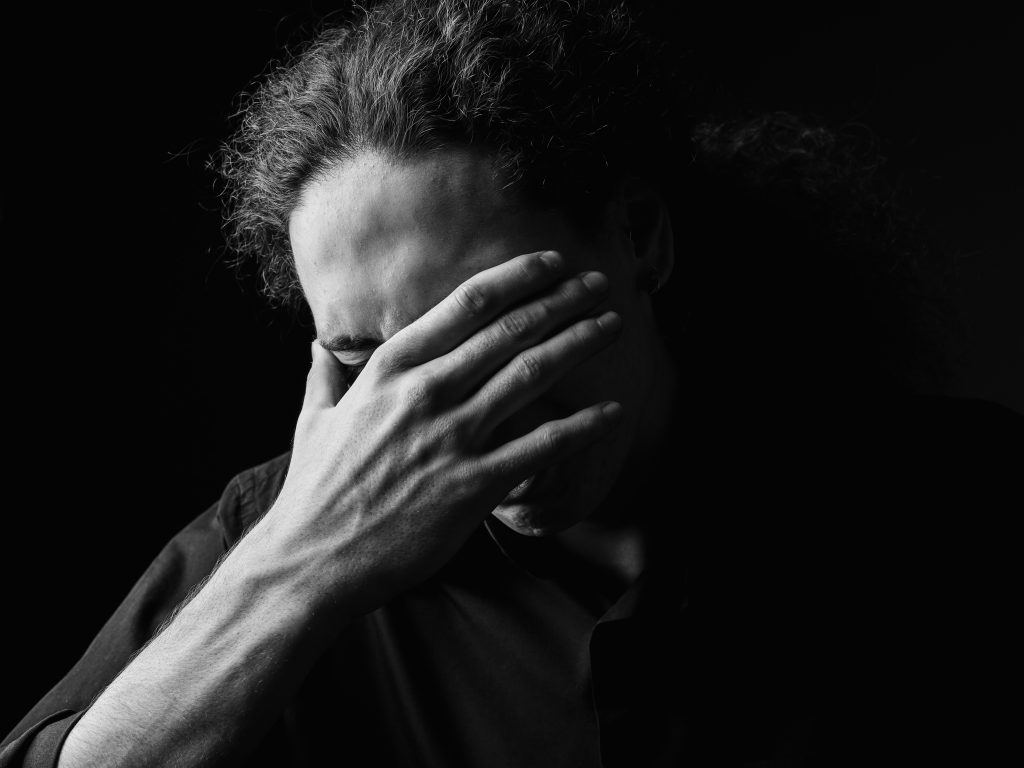
There is something terrifying about making an irreversible decision based on a feeling that might change.
Someone may think they have fallen out of love, but then wonder whether the problem is actually burnout, stress, depression, boredom, resentment, or simply the natural transition from passionate romance into a quieter form of attachment.
Long-term relationships often experience changes in passion and satisfaction, and those changes don’t automatically mean the relationship is doomed.
So the person starts wondering: What if I leave and realize I made a terrible mistake?
This fear can keep people stuck. They may remember the beginning of the relationship, the good years, or the moments when they felt deeply connected. They may believe that if they wait long enough, the old feelings will magically return.
Sometimes they do. Sometimes they don’t.
But uncertainty is powerful. It is much easier to imagine regretting a breakup than to imagine regretting staying when the future is unclear. And apparently the human brain would rather rehearse 17 hypothetical futures at 2 a.m. than make one uncomfortable decision.
4. They Confuse Familiarity With Love

Familiarity can feel remarkably similar to love.
You know how your partner takes their coffee. You know which side of the bed they prefer. You know exactly how they will react when the Wi-Fi stops working. You know the facial expression that means they are annoyed but pretending not to be.
That kind of familiarity creates comfort.
But comfort isn’t necessarily romantic love. Sometimes people remain because the relationship is predictable, and predictability can feel safer than starting over. Dating again means meeting strangers, having awkward conversations, explaining your entire personality to someone new, and discovering that someone thinks pineapple on pizza is a deal-breaker.
Honestly, understandable.
The familiar relationship may not be emotionally fulfilling anymore, but it doesn’t require starting from scratch. The person knows what they’re getting, even if what they’re getting isn’t particularly exciting.
Familiarity can therefore become its own form of emotional glue. It isn’t always healthy, but it is very human.
5. They Stay for the Children

Children can dramatically complicate the decision to leave.
Some couples remain together because they believe staying provides their children with stability, even when the romantic relationship has deteriorated. They may worry about custody arrangements, changing homes, financial disruption, or how a separation could affect their children emotionally.
There is no universal answer to whether staying together is better for children. Constant conflict, hostility, emotional withdrawal, or an unhealthy home environment can also affect children. But parents often don’t know what the consequences of either decision will be.
That uncertainty can make staying seem like the safer option.
Some parents also hope that the relationship can eventually improve. They may decide to remain together while they work through their problems, especially if there is still mutual respect and a willingness to change.
In other cases, they simply postpone the decision because parenting already feels like enough of a full-time job without adding “completely restructure the family” to the schedule.
6. Money Makes Leaving Complicated

Love may be priceless, but rent unfortunately continues to exist.
Financial dependence can be a major reason people remain in relationships that no longer feel romantic. Couples may share a mortgage, bills, insurance, savings, businesses, debts, or other financial responsibilities.
Starting over can be expensive. Someone may not be able to afford another home. They may have sacrificed career opportunities for the relationship or depend on their partner’s income. Even couples who are financially independent can face significant costs when dividing one household into two.
Research on relationships also shows that circumstances outside the relationship itself, including financial stress, can influence how couples experience and maintain intimacy.
This doesn’t mean every financially complicated relationship is loveless. It simply means that emotional decisions don’t happen in a financial vacuum.
Sometimes a person isn’t asking only, “Do I love this person anymore?” They’re also asking, “Can I afford to leave?”
That is a much harder question.
7. They Are Still Committed

Here’s the part that makes the whole subject especially complicated: love and commitment aren’t identical.
A person can experience less passion while still feeling committed to the relationship. In fact, research has found that commitment can develop differently from romantic love over time.
Some people view commitment as a promise to remain present through difficult periods, rather than an agreement to feel passionately in love every single day.
That can be a healthy perspective when both people are still treating each other with respect and actively choosing the relationship.
But commitment can also become complicated when someone stays solely because they believe leaving would make them a bad person.
There is a big difference between “I don’t feel butterflies, but I still value our partnership and want to work on it” and “I haven’t been happy for years, but I feel obligated to stay.”
One is commitment. The other might be emotional captivity wearing a very respectable outfit.
8. They Hope the Love Will Come Back

People don’t always stop loving each other in one dramatic moment. Sometimes the feelings gradually fade beneath stress, routine, resentment, exhaustion, and life.
That means couples may believe the love isn’t gone forever. It’s just buried.
They remember how they used to feel and hope they can find their way back there. Maybe they plan date nights, take a vacation, try couples therapy, communicate more openly, or simply wait for life to become less chaotic.
And sometimes that works.
Relationship satisfaction can change over time, and researchers emphasize that couples don’t all follow the same trajectory. Some experience declines while others remain relatively satisfied.
The hope of recovering something meaningful can therefore be a legitimate reason to stay.
The danger is waiting indefinitely without actually addressing the problems. Hope is useful when it motivates action. It becomes less useful when it is basically a decorative cushion placed on top of a giant unresolved issue.
9. They Don’t Want to Hurt Each Other

Sometimes people stay because they know leaving will cause pain.
This can be especially strong when the relationship has lasted for many years. One person may think, “How can I tell someone who has shared half my life with me that I don’t feel the same anymore?”
Guilt can become incredibly powerful.
The person may also know their partner still loves them. Leaving therefore feels like becoming the villain in someone else’s story, even if staying is ultimately unfair to both people.
Unfortunately, avoiding short-term pain doesn’t always prevent long-term pain. A relationship can become increasingly distant when one or both people are emotionally checked out but unwilling to acknowledge it.
Research on relationship communication consistently emphasizes the importance of addressing problems rather than allowing destructive patterns to take over.
Sometimes the kinder decision isn’t necessarily the easier one. And unfortunately, there is no magical breakup fairy who arrives to handle the awkward conversation for you.
10. They Don’t Know Who They Are Without the Relationship

After enough years together, “I” can quietly become “we.”
Where are we going for vacation? What are we doing this weekend? Should we buy this couch? Are we going to your family’s house or mine?
Eventually, the relationship becomes part of someone’s identity.
Leaving can therefore feel frightening because the person isn’t only losing a partner. They may be losing a lifestyle, social circle, routines, traditions, and a version of themselves.
This is particularly powerful when someone has been partnered for most of their adult life.
They may wonder who they are alone. Will they enjoy being single? Will they date again? Will they make new friends? Will they regret everything?
Those questions can feel enormous.
So instead of stepping into an unknown future, they remain in a familiar relationship that no longer fulfills them. It’s not necessarily because they’re secretly happy. Sometimes uncertainty simply feels scarier than dissatisfaction.
11. They Have Become Best Friends

Romantic love and friendship can overlap, but they aren’t exactly the same thing.
A couple may stop feeling sexually or romantically connected while remaining extremely close companions. They laugh together, understand each other’s personalities, share memories, and genuinely enjoy each other’s company.
That creates a particularly difficult situation.
Breaking up means losing someone who may still be your favorite person to talk to. The relationship may no longer resemble a romance, but it could still provide companionship and emotional security.
Some couples eventually recognize that their relationship has changed rather than disappeared. Others realize that staying together as romantic partners is preventing both people from finding relationships that better meet their needs.
There is no universal answer.
But it does explain why some couples remain together even when the “in love” feeling seems to have disappeared. You can stop wanting someone romantically while still caring deeply about who they are.
Human emotions, once again, refuse to organize themselves into convenient folders.
12. They Are Afraid of Starting Over

Starting over sounds inspirational until you remember that starting over involves paperwork, awkward dates, emotional baggage, and learning what someone’s favorite breakfast is.
Fear of the unknown can be one of the strongest reasons people stay in familiar situations.
A person may know their current relationship isn’t fulfilling, but they also know exactly what their life looks like today. Leaving introduces hundreds of unknowns.
Will I find someone else? Will I be happier? Will I be alone? What if dating is awful? What if everyone on the apps says they’re “fluent in sarcasm”?
These fears can make an unhappy relationship feel safer than an uncertain future.
That doesn’t necessarily mean the person is weak or irrational. Humans generally place significant value on stability, familiarity, and predictability.
But staying because the alternative is frightening is different from staying because the relationship still has something worth protecting.
Sometimes people eventually realize that uncertainty isn’t proof they should stay. It’s simply proof that they don’t know what happens next.
13. They Still Have Something Worth Saving

Finally, sometimes people say they’ve “stopped loving each other” when what they really mean is that the relationship no longer feels the way it used to.
Those are not necessarily the same thing.
Long-term relationships naturally change. Passion may decline. Daily responsibilities can take over. Stress can reduce intimacy. Communication can become purely logistical. Research has found that relationship satisfaction tends to change over time, but there is substantial variation between couples, meaning there is no single inevitable relationship trajectory.
A couple may therefore discover that they haven’t completely lost their connection. They have simply stopped investing in it.
If both people still want to reconnect, communicate honestly, and address what has gone wrong, the relationship may have room to change again. Healthy relationships require ongoing attention rather than assuming that love will simply maintain itself forever.
Sometimes the answer isn’t “stay” or “leave” immediately. Sometimes it’s “figure out what actually disappeared first.”
Because there is a huge difference between losing love and losing the habits that helped love survive.

Lover of good music, reading, astrology and making memories with friends and spreading positive vibes! 🎶✨I aim to inspire others to find meaning and purpose through a deeper understanding of the universe’s energies.