

High-conflict couples are often regarded as just two people who are fundamentally wrong for each other, constantly fighting because they’re incompatible.
But this is a misconception.
Sometimes, these couples love each other deeply, yet they get caught in toxic cycles of arguing.
There are ways for them to find peace and fix their relationships, if they’re committed to it.
So, why do these couples fight so much, and how does the world misunderstand them?
The Roots of Their Conflict

Many high-conflict couples don’t realize that their fights stem from learned patterns, not hatred or incompatibility.
These behaviors can develop over years of unresolved issues, emotional wounds, and unhealthy communication habits.
Perhaps something from their past led them to act defensively or aggressively, even when they mean well.
Also, something could be going on in their lives that causes them to lash out.
It’s important to recognize that these conflicts aren’t always caused by surface-level issues; it might be due to some deeper wounds that were never healed.
If a couple can recognize and identify the roots of their behavior, they can focus on compassion and healing.
A change might be possible if two people want it to be; we shouldn’t immediately label the relationship as broken.
Love Can Still Be Present in Fights
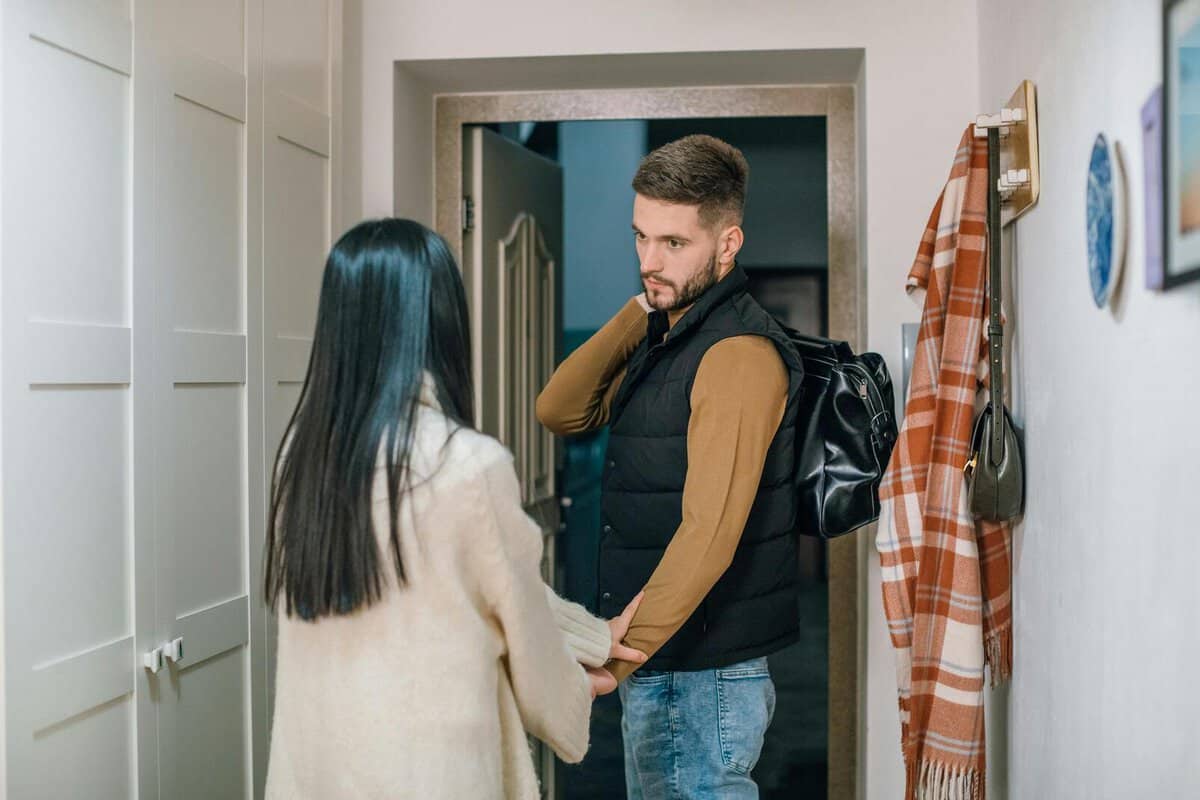
Despite all the arguing, many high-conflict couples truly love each other.
The trouble is that these toxic patterns can overshadow their love, making it hard to see a solution.
If both people are willing to look beyond the arguments and acknowledge how they really feel, their relationship can start to heal.
Even low-conflict relationships require resilience and understanding, and this goes twofold for couples who fight all the time.
Recognizing that love exists beneath the toxicity can motivate them to seek healthier ways to communicate and reconnect.
External Stressors

External stressors play a huge role in high-conflict dynamics.
Financial struggles, job insecurity, parenting issues, health issues, and even expectations add layers of stress.
When life itself feels overwhelming, fights often escalate because people are more reactive and less patient.
It’s not that they don’t care; they’re simply stretched too thin, and lashing out is their coping mechanism.
Addressing these external stressors and creating a space for honest conversations about them can reduce the intensity of conflicts.
Sometimes, couples can lose sight of the fact that they can share this burden. It takes stepping back and seeing the big picture.
Healing Takes Effort

If a couple is determined to stay together and they really care about each other, they can heal their relationship.
However, it requires a ton of patience, and sometimes even external help.
High-conflict relationships are never one person’s fault. Instead of casting blame, they have to work together to change their harmful patterns.
Individual therapy and couples counseling can help a lot, as long as both partners are committed and open to change.
It doesn’t get better overnight, but there’s definitely progress when they focus on building healthy communication and developing empathy.
Understanding Triggers and Patterns

Introspection is a huge part of healing high-conflict relationships.
Both people need to understand their own triggers and habits that contribute to fights.
It can be unresolved childhood trauma, low self-esteem, hidden fears, or even past relationships that make their fights escalate.
Both have to be self-aware enough to choose a healthier response even when they feel like lashing out.
Opening up to each other and understanding that the other person is dealing with their own pain creates room for empathy.
This way, they can create a supportive environment where issues can be addressed constructively.
The Power of Emotional Safety

Emotional safety is the condition for open communication.
In high-conflict relationships, people often feel judged and misunderstood from the get-go, which is why even the smallest disagreements end in explosive fights.
They must learn to talk about difficult things without judgment and blame.
This means actively listening and validating each other’s feelings.
People who are used to the fight or flight response often use destructive language, so it’s paramount that they learn to express their needs and feelings in a gentle way.
Timing is also important. Sometimes, you might be overstimulated or stressed, so it’s simply not the right moment for discussion.
Taking a break or asking to talk later can go a long way.
The Role of Forgiveness

Forgiveness doesn’t mean pretending nothing bad ever happened. It means recognizing what happened in the past and choosing to let it go.
High-conflict couples who wish to stay together have to make this choice because, without forgiveness, there’s no path forward.
Forgiving can be transformative; it allows you to stop living in old scenarios and focus on the future.
It’s a process that involves setting boundaries and learning from past mistakes. It often goes hand-in-hand with therapy.
Even high-conflict relationships become healthy and resilient when people are committed to forgiving and growing together.
When to Let Go?

Not all relationships can or should be saved, and that’s okay.
Sometimes, despite genuine effort, the toxicity is too ingrained in the relationship, or one partner isn’t willing to put in the effort.
If a couple isn’t able to get on the same page after a period of time or if their conflicts escalate in dangerous ways, it’s best to let go.
Staying in a stagnant relationship can be emotionally and otherwise damaging.
If efforts to heal and change keep failing, then the cycle continues to hurt even more than before.
Knowing when to walk away is an act of self-love.

A little Aquarius, devoted to writing and embroidery. Through my writing, I hope to empower readers to align with their true selves and navigate life’s mysteries with confidence.