
My university professor once told us about how the name for the bear in her language wasn’t its real name at all.
It was a euphemism, because calling the bear by its true name was believed to anger its spirit or invite disaster. This stuck with me because I found it really fascinating.
And we can see this tendency even today, especially when it comes to death or disease (using euphemisms such as “eternal sleep,” “the worst thing,” “the end,” etc.).
So, I thought about how numerous cultures treated certain animals as divine, so there should be other taboo animals out there.
Here are 10 of them, as well as the reasons why the ancient peoples considered them too sacred to name.
1. Bear
Many ancient cultures saw the bear as a holy ancestor and protector.
Because of its spiritual power, saying a bear’s true name was considered taboo, as it could anger or disturb its spirit.
Instead, people used euphemisms to name this animal, and funnily enough, those names actually stuck with us, while the original taboo name was lost to time.
That’s why in many languages, the bear’s name can be translated as “honey eater” or “bee wolf” (Beowolf), since this was a popular alternative to using its actual sacred name.
Bears embodied resilience and the protective spirit of the wilderness.
By avoiding their true name, humans acknowledged their power and tried not to offend or wake the spirit within the animal.
2. Wolf
Wolves were seen as both holy and destructive; a noble spirit, but also a feral beast.
In Slavic beliefs, it was even believed to be an animal form of the god Dazhbog, who appeared to humans as a great, white wolf with a limping leg.
The wolf’s true name was hidden because calling it directly was believed to invite misfortune or chaos, and potentially offend the deity.
In Norse mythology, the wolf Fenrir and his two sons symbolized literal chaos, since Fenrir ate the world, and his sons, Sköll and Hati, swallowed the moon and sun.
Wolves’ reputation as both destroyers and protectors made their true name too powerful and taboo.
3. Crocodile
In ancient Egypt, the crocodile was linked with Sobek, the god of fertility and danger.
Sobek was the lord of the Nile, and this river was at the center of Egyptian worship because it was quite literally the life-giver.
So, crocodiles were also revered as his creatures, and their killing was taboo because they represented divine power.
Killing a crocodile could be seen as offending Sobek himself, risking divine wrath or famine.
Their sacred status meant that Egyptians believed the crocodile possessed a divine essence that shouldn’t be offended or disturbed.
4. Snake
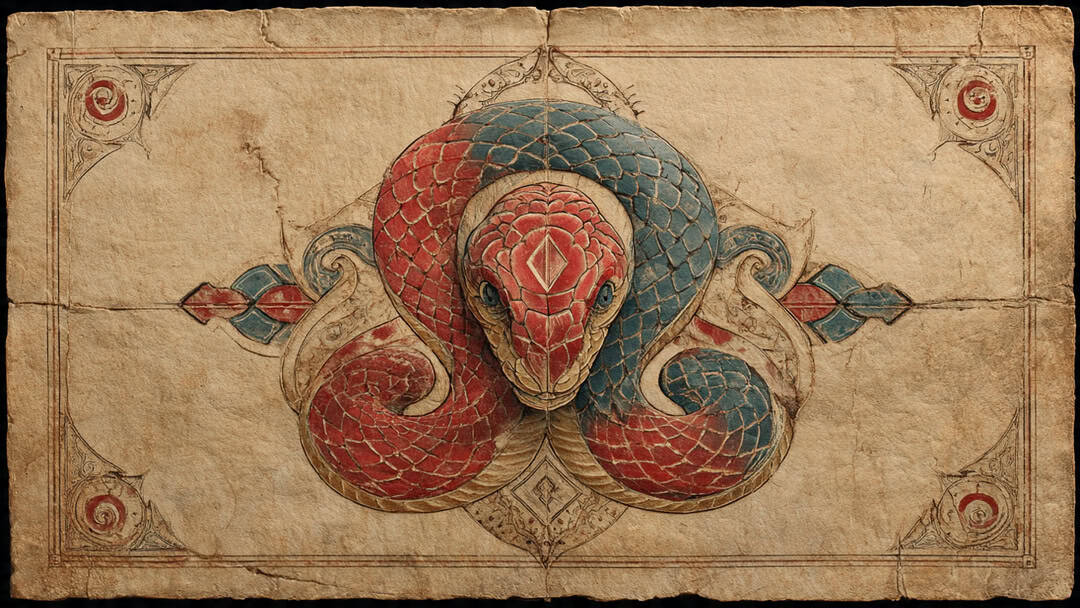
All across the world, snakes have a complicated reputation. They were both revered as protectors and seen as symbols of danger.
In India and Southeast Asia, snakes were worshipped as divine guardians, linked with gods like Shiva and Nagas.
Meanwhile, in Eastern Europe, it was believed that a white snake (ancestor) lived under the threshold of a home, guarding it from evil.
Actually, to this very day, it’s considered terrible luck to kill a snake in your garden, and people usually just find a way to move it.
Killing or insulting a snake was taboo because it was seen as offending your own ancestor or a divine guardian, depending on the culture.
It was another animal whose name wouldn’t be spoken in vain, in fear of provoking its wrath.
5. Owl
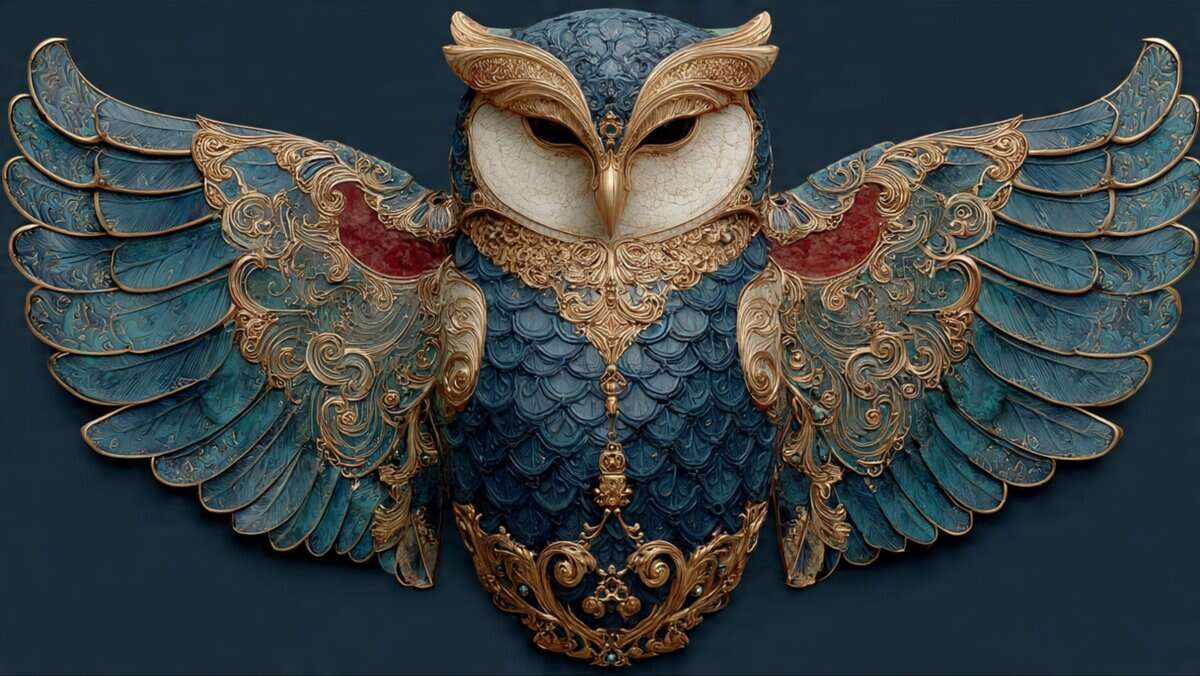
In ancient Greece, the owl was both a symbol of wisdom and a sign of death and misfortune. It’s closely associated with the goddess Athena.
Because of its silent flight and wide eyes, ancient Greeks saw it as a creature of mystery.
In some cultures, it was also connected to the underworld, which is why it might have been taboo to say its true name.
People often used euphemisms for owls, such as “night watchers.”
Much like the other taboo animals, the owl was also a dual creature, embodying both wisdom and death.
6. Raven
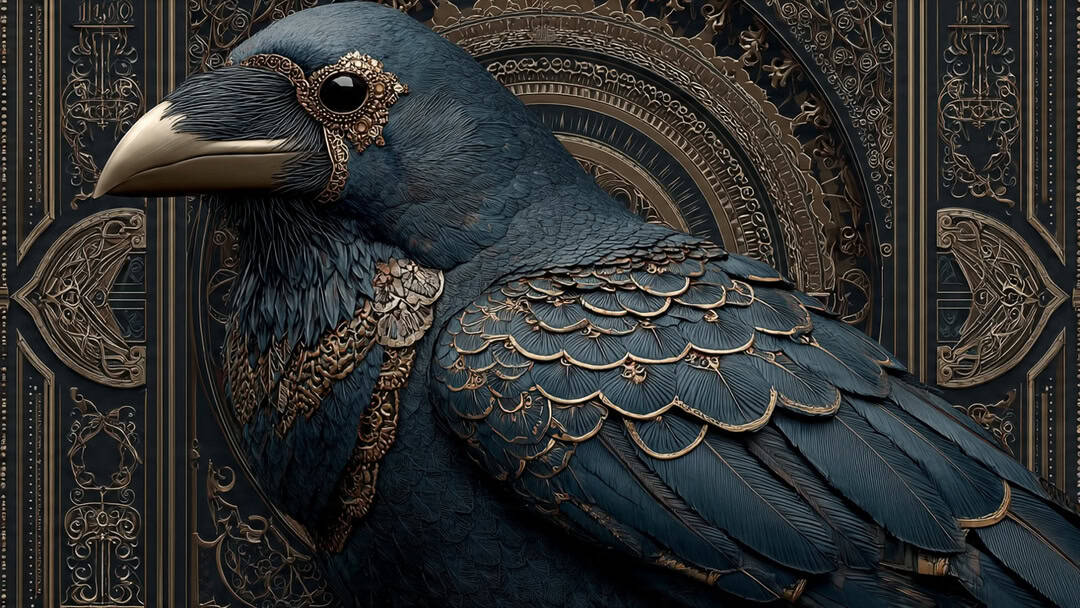
In Norse mythology, ravens were closely linked to Odin, acting as his messengers. To ancient Scandinavians, they were symbols of war and death.
Their ominous presence was often seen as a warning about coming doom.
Because of their power and symbolism, these birds were also taboo.
They were believed to carry messages between worlds, and their sacred status meant that their true name had to be hidden.
Their presence was taken as a reminder that gods are watching, and likely deciding who would enter Valhalla, and who wasn’t worthy.
7. Cat
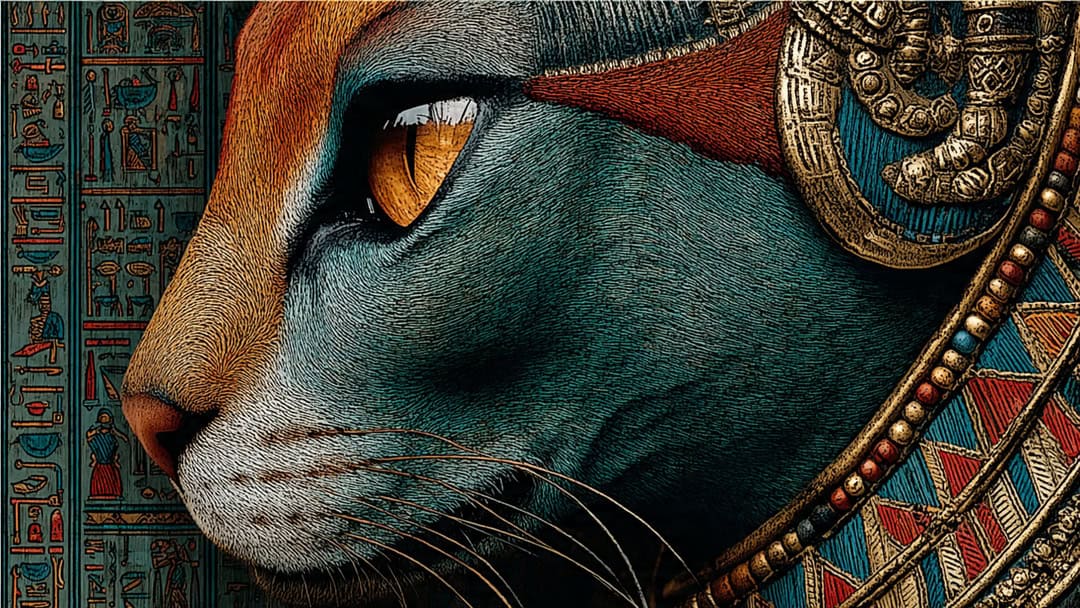
In ancient Egypt, cats were famously associated with the goddess Bastet. Harming or killing a cat was a serious offense, punishable by death.
They were taboo animals because they were treated with reverence.
Cats were seen as protectors, and they also embody fertility and divine energy.
The taboo surrounding cats was so strong that even in later cultures, harming a cat was seen as an act of disrespect and was heavily frowned upon.
8. Lion
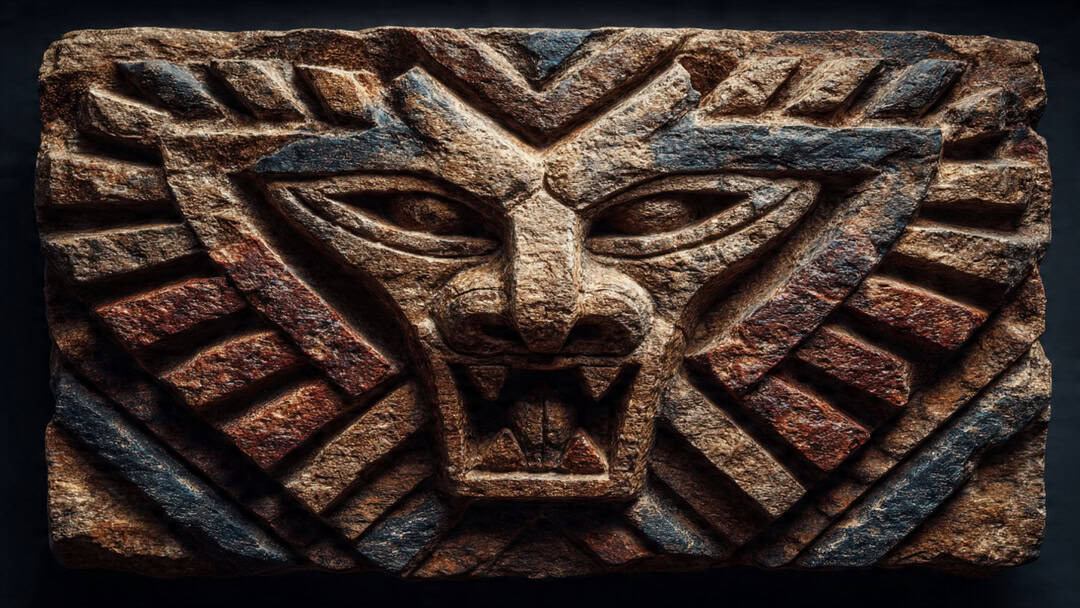
Lions have long symbolized strength, courage, and kingship across Africa, the Middle East, and Europe.
As symbols of divine authority, their names were considered taboo – too powerful to speak.
That’s why the lion was often called “the king of the beasts.”
Lions embody sovereignty and divine strength, and keeping their true name hidden was a sign of respect.
Taboo names were believed to carry magical and divine power, so they were rarely spoken.
9. Tiger
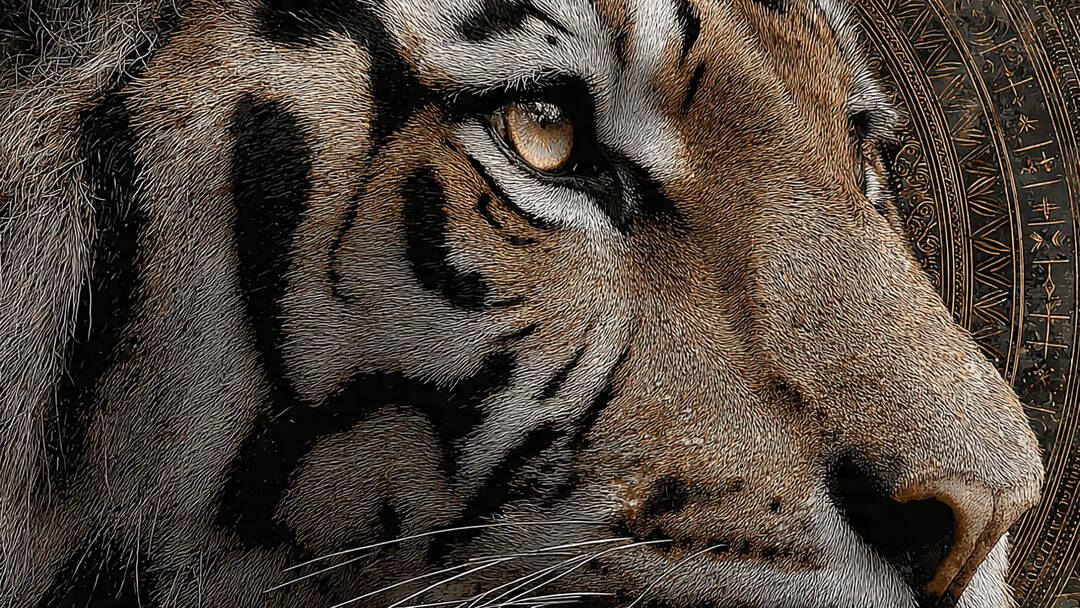
In Asian cultures, especially India, China, and Malaysia, tigers are seen as symbols of power and danger.
Their name was taboo because people were afraid it would provoke the tiger and put their community in danger.
Tigers embody primal strength and divine energy, and ancient peoples made sure not to invoke their wrath.
They were tied to powerful deities, such as Shiva, Durga, and Huye.
10. Buffalo
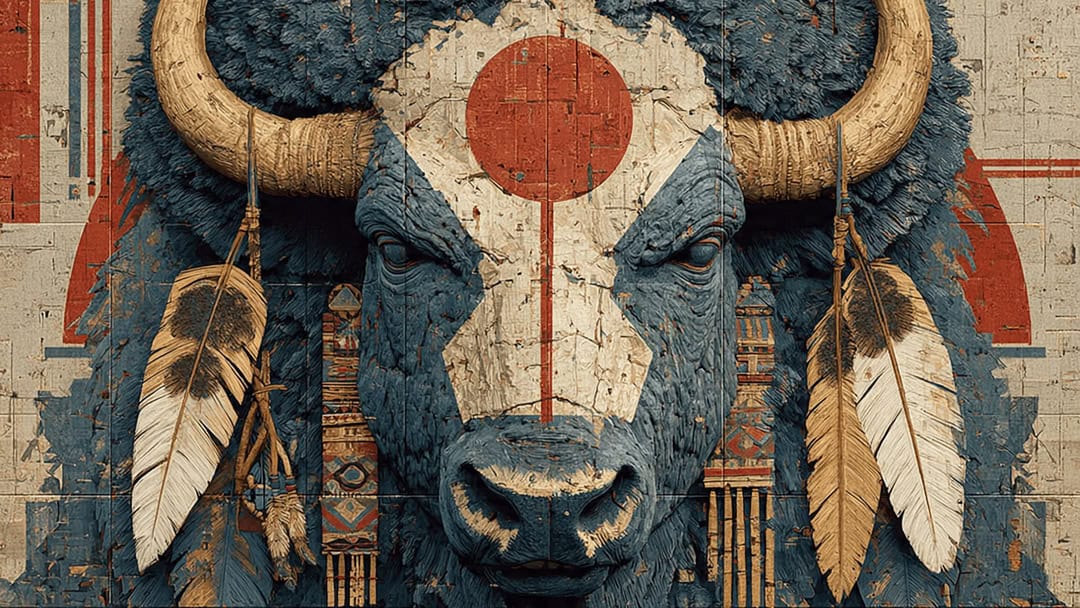
In North America, Africa, and Asia, buffalo were much more than food; they symbolized abundance, survival, and warmth.
Indigenous cultures held buffalo in sacred regard, and their hunting was done with respect, often using indirect references like “the great beast.”
Killing a buffalo was a sacred act, meant to honor its divine role in sustaining life.
Because of this, buffalo was a taboo animal, and disrespecting it was a punishable crime.
The taboo was rooted in the belief that disrespecting this animal could bring bad luck and divine punishment on the whole community.

A little Aquarius, devoted to writing and embroidery. Through my writing, I hope to empower readers to align with their true selves and navigate life’s mysteries with confidence.