
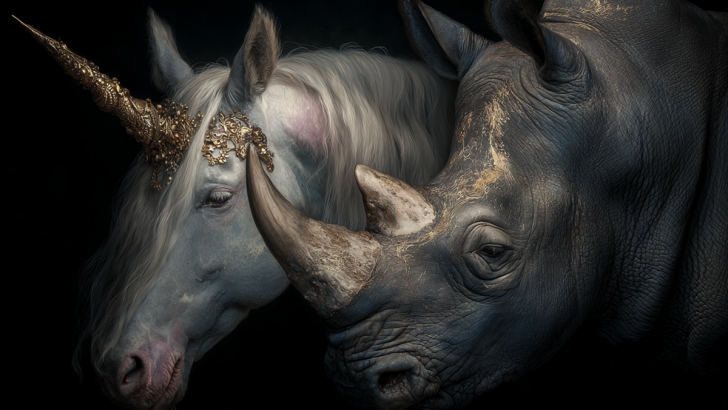
Throughout history, humans have told stories about amazing creatures that never existed. Mermaids, dragons, and unicorns have captured our imagination for centuries.
But what if these legendary beasts weren’t entirely made up? Scientists now believe that many mythical creatures were inspired by real animals that sailors, explorers, and ancient peoples encountered in their travels.
1. Mermaids and Manatees
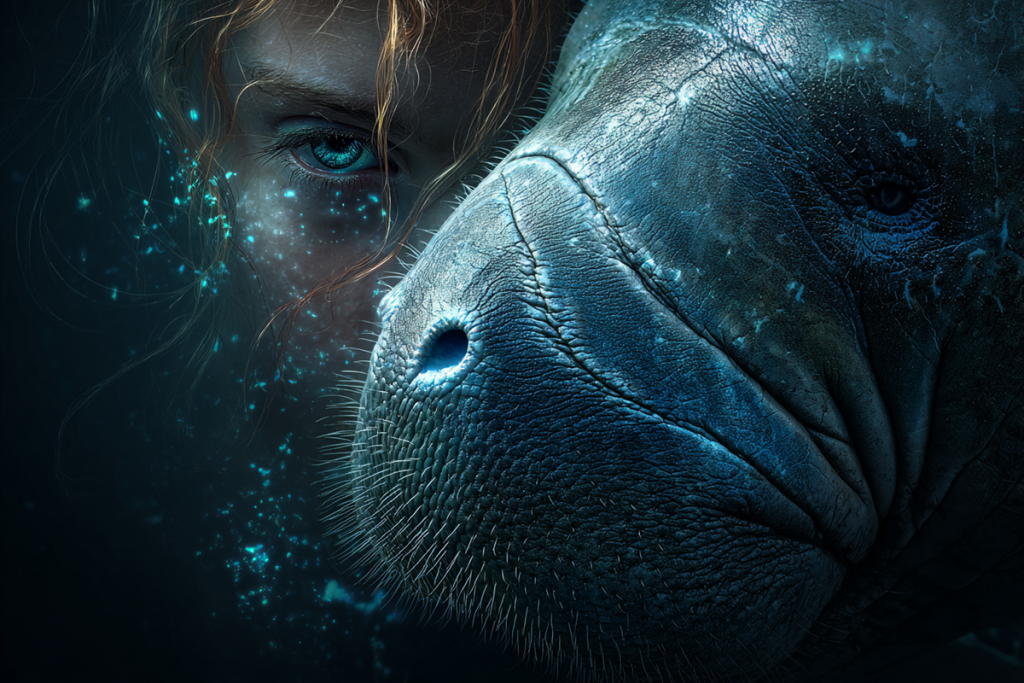
Sailors returning from long voyages often spoke of beautiful mermaids singing in the ocean. However, what they actually saw were probably manatees or dugongs.
These large sea mammals have rounded tails and can appear almost human-like from a distance. Manatees have finger-like flippers and sometimes hold their babies in an upright position while nursing.
When Christopher Columbus spotted these creatures, he even reported seeing mermaids but noted they weren’t as pretty as the legends claimed. Their gentle swimming and curious nature made lonely sailors believe they were seeing something magical.
Today, manatees remain fascinating animals that remind us how imagination can transform ordinary sightings into extraordinary tales.
2. Dragons and Giant Reptiles
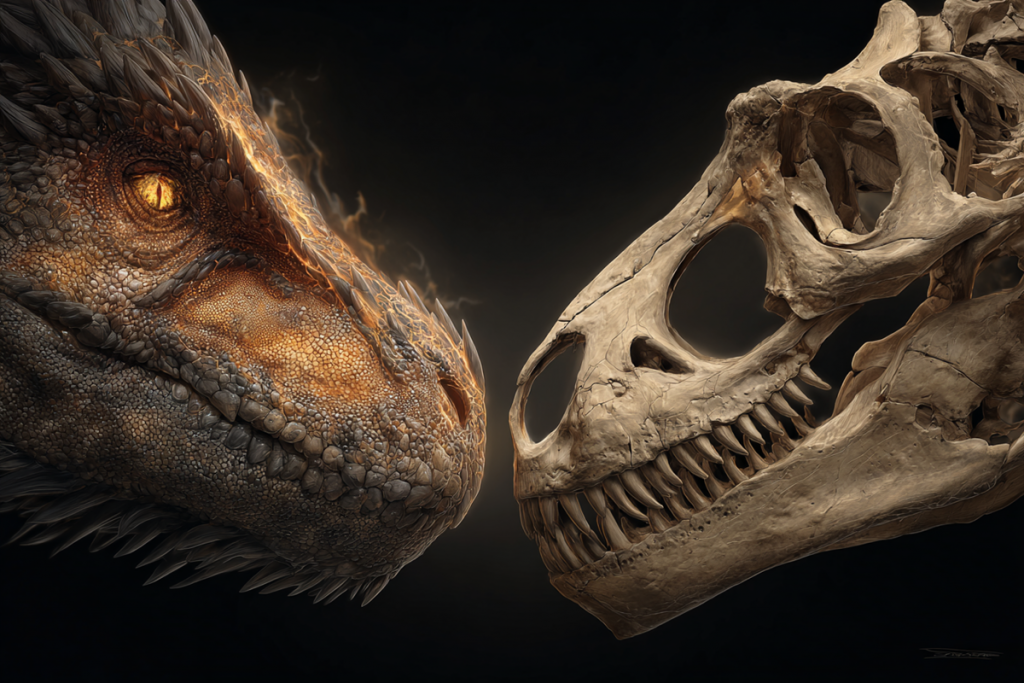
Fire-breathing dragons appear in stories from Europe to China, each culture imagining these fearsome beasts differently. Ancient people likely created dragon myths after discovering enormous dinosaur fossils or encountering large reptiles like crocodiles.
Imagine stumbling upon a Tyrannosaurus rex skull without knowing what dinosaurs were! Komodo dragons, the world’s largest lizards, can grow over ten feet long and have deadly bites.
Their powerful jaws and aggressive hunting behavior make them terrifying predators. Crocodiles, with their armored skin and powerful tails, also fit the dragon description perfectly.
When ancient civilizations found massive fossilized bones, they naturally assumed giant monsters once roamed the earth. Their imaginations filled in the gaps, creating the legendary dragons we know today.
3. Unicorns and Rhinoceroses
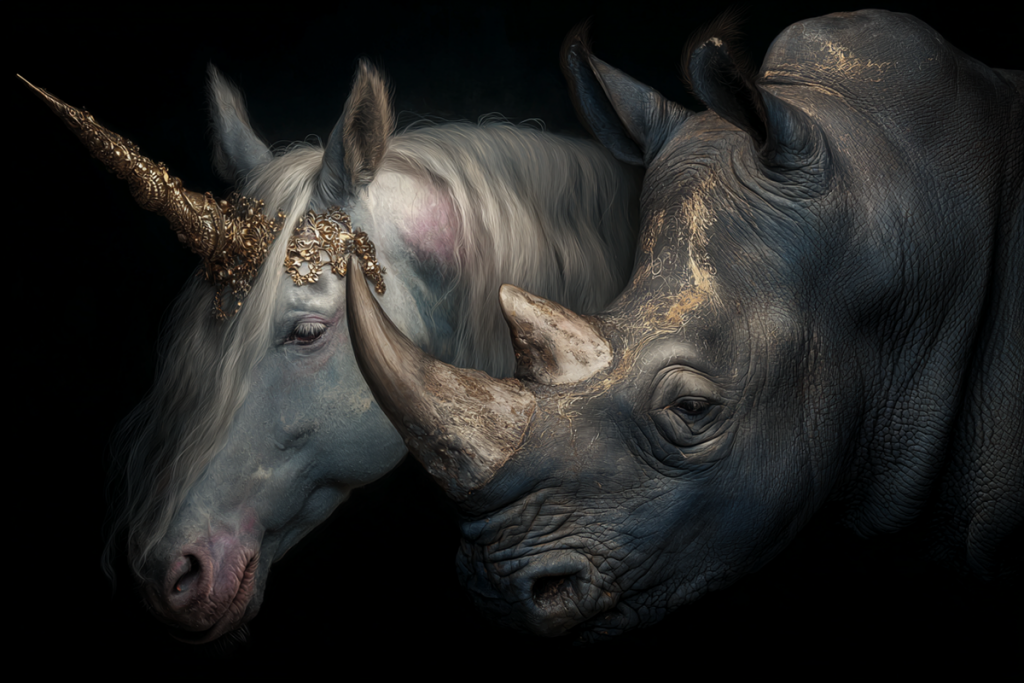
Everyone knows the unicorn: a magical white horse with a single spiraling horn. But this beloved fantasy creature has surprisingly realistic roots.
Travelers returning from Africa and Asia described animals with single horns on their foreheads, which were actually rhinoceroses. The extinct Siberian unicorn, a prehistoric rhino species, had one prominent horn in the center of its head. Narwhals, Arctic whales with long spiral tusks, were called sea unicorns by medieval traders.
When narwhal tusks reached European markets, people believed they were selling actual unicorn horns with magical healing powers. These misidentifications show how easy it was for factual descriptions to become fantastical legends.
Reality simply got lost in translation across cultures and centuries.
4. Griffins and Protoceratops Fossils
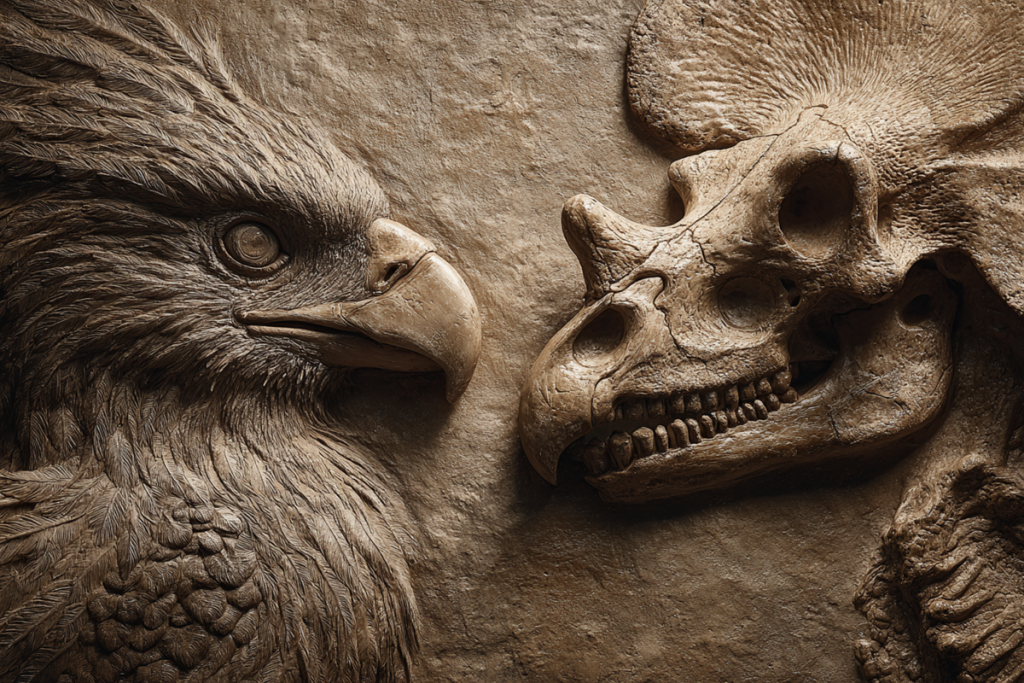
With a lion’s body and an eagle’s head and wings, the griffin symbolized strength and wisdom in ancient mythology. This creature wasn’t pure fantasy, though.
Archaeologists believe griffin legends started when nomadic tribes in Central Asia discovered Protoceratops fossils. These dinosaur skeletons had bird-like beaks, four legs, and prominent shoulder blades that could resemble folded wings. Ancient gold miners in the Gobi Desert frequently encountered these fossils while digging.
Without modern paleontology knowledge, they reasonably concluded that hybrid creatures once existed. Greeks heard these stories from Scythian traders and incorporated griffins into their own mythology.
The legend spread throughout Europe, all because of misunderstood prehistoric bones lying in desert sands.
5. Kraken and Giant Squids
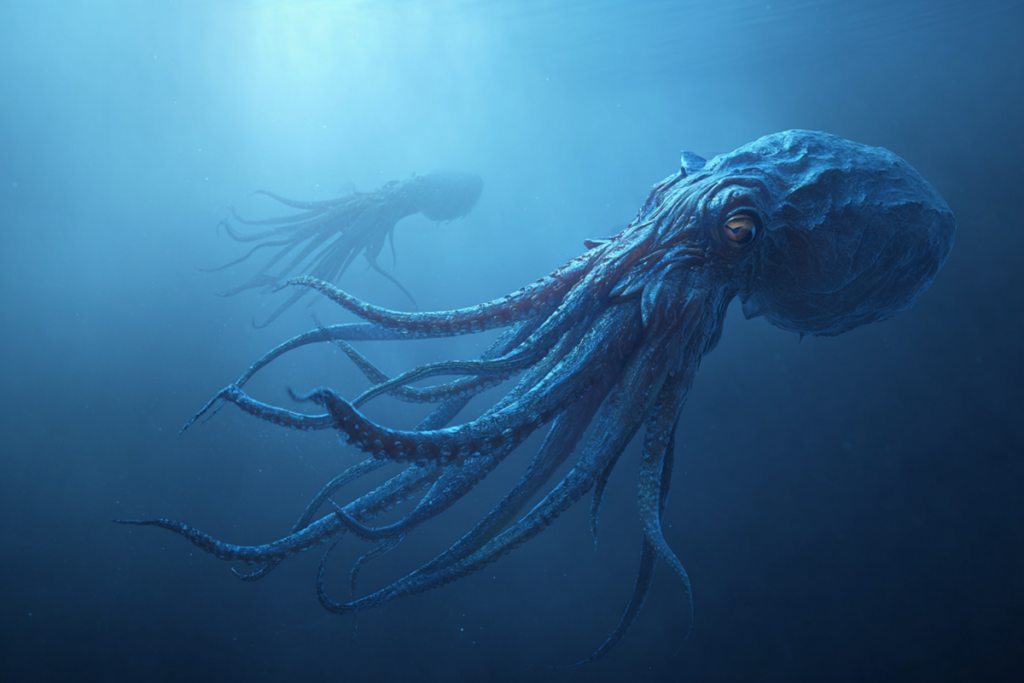
Scandinavian sailors told terrifying tales of the kraken, a massive sea monster that could wrap its tentacles around entire ships and drag them underwater. For centuries, people dismissed these stories as superstition.
Then scientists discovered giant squids actually exist. These deep-sea creatures can grow up to 43 feet long with eyes the size of dinner plates.
They have eight arms plus two longer feeding tentacles lined with powerful suckers. Giant squids occasionally surface and have been known to interact with ships, especially when injured or dying.
Imagine being a sailor in the 1700s and seeing tentacles as thick as tree trunks emerging from dark water. Your kraken story would sound pretty convincing too!
6. Cyclops and Elephant Skulls
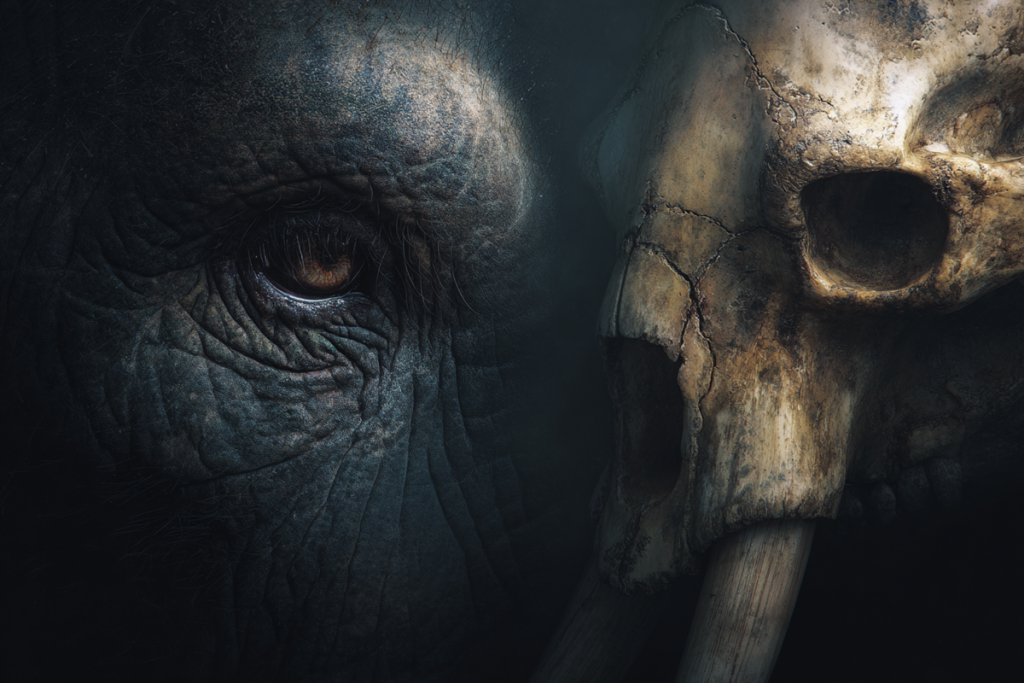
Greek mythology features the Cyclops, a race of one-eyed giants who lived in caves and possessed incredible strength. Modern scientists have an interesting theory about where this myth originated.
Ancient Greeks likely discovered dwarf elephant skulls and completely misinterpreted what they were seeing. Elephant skulls have a large central nasal cavity right in the middle of the forehead where the trunk attaches.
Without knowledge of elephant anatomy, this opening looks exactly like a giant eye socket. The skulls are also much larger than human skulls, suggesting enormous beings.
Mediterranean islands had pygmy elephant species thousands of years ago. When ancient peoples found these mysterious skulls in caves, the Cyclops legend was born from genuine archaeological discoveries.
7. Sea Serpents and Oarfish
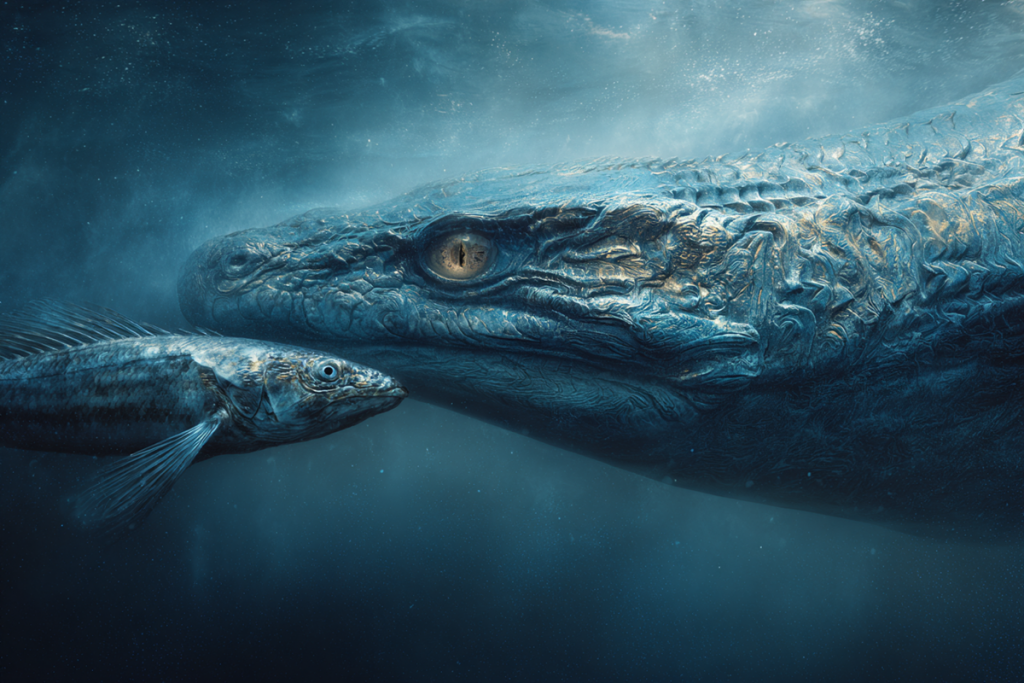
Sailors across the world reported seeing enormous serpents rising from the ocean depths, with silvery bodies stretching over 30 feet long. These weren’t drunken fantasies.
They were sightings of oarfish, the world’s longest bony fish. Oarfish typically live in deep water but occasionally surface when sick or during storms.
Their ribbon-like bodies, bright silver scales, and red dorsal fins create an otherworldly appearance. They swim in an undulating, snake-like motion that looks supernatural.
Because oarfish rarely appear at the surface, each sighting seemed like a unique monster encounter. Fishermen had no way to know they were seeing the same species.
These bizarre fish perfectly explain centuries of consistent sea serpent descriptions from unconnected cultures worldwide.
8. Thunderbirds and California Condors
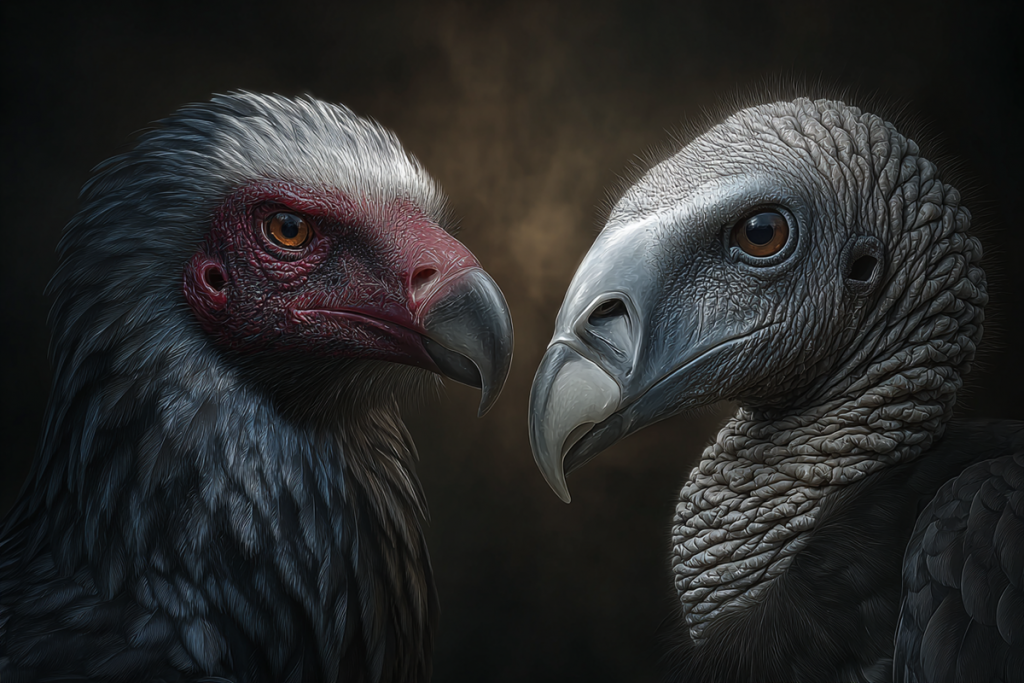
Native American legends speak of the Thunderbird, a powerful supernatural bird whose wings created thunder and whose eyes flashed lightning. While clearly mythological, these stories were inspired by real birds of prey with impressive wingspans.
California condors and other large vultures likely sparked these legends. California condors have wingspans reaching nearly ten feet and can soar at high altitudes for hours.
When they descend from storm clouds, their massive shadows and powerful flight create an intimidating spectacle. Ancient peoples watching these giants emerge from thunderstorms naturally connected them with weather phenomena.
Fossil evidence shows even larger prehistoric birds once existed in North America. Combined with actual condor sightings, the Thunderbird became a sacred symbol representing nature’s awesome power.

Lover of good music, reading, astrology and making memories with friends and spreading positive vibes! 🎶✨I aim to inspire others to find meaning and purpose through a deeper understanding of the universe’s energies.