
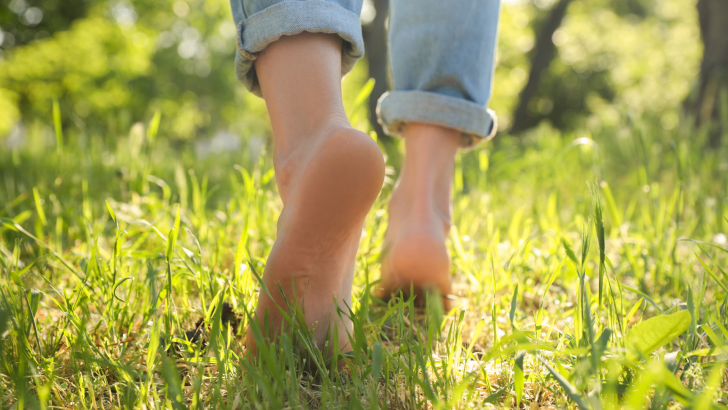
“Controlling” your body isn’t about making it do what you want it to. It’s about understanding the ways your body responds to habits, signals, and even subtle cues.
Most people concentrate on diet and exercise. However, the body responds to the smallest unexpected actions the best. These techniques may sound weird at first, but they are based on being aware and consistent.
With regular practice, these techniques help you focus, relax, improve posture, and control your body in ways you never thought possible.
1. Breathe Through Your Nose Only
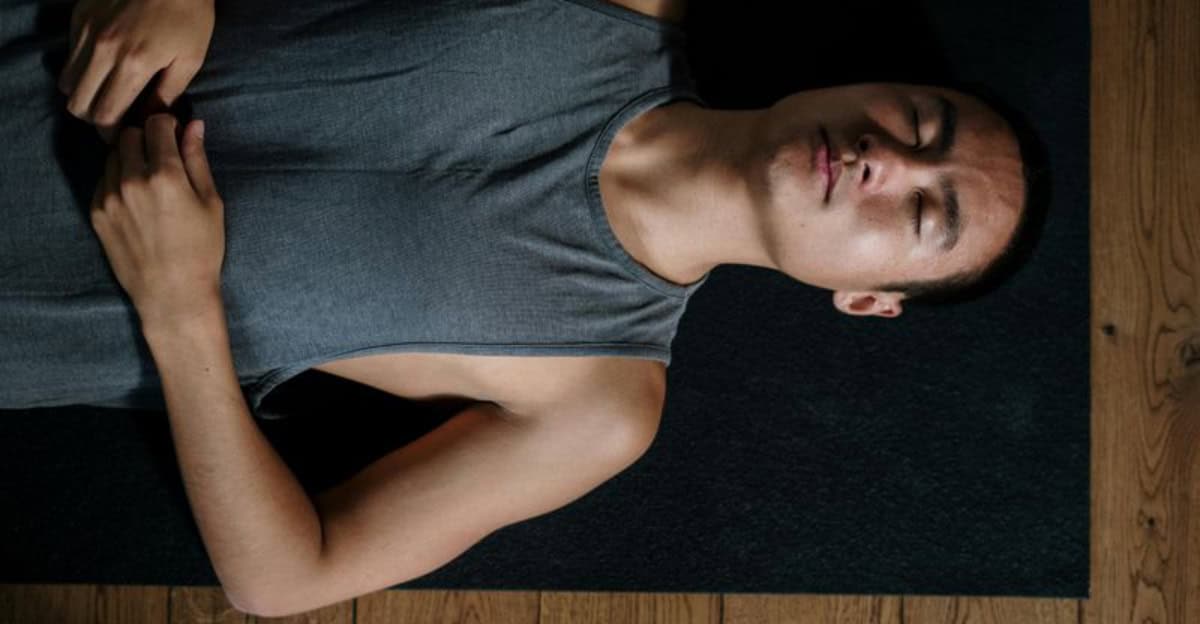
Breathing only through your nose calms the body (nervous system) and decreases stress levels by regulating heart rate. When we breathe through the mouth, we feel as if we are in a hurry.
Breathing through our nose helps to use oxygen more efficiently and aids in maintaining better posture. Since we are more aware of our bodies when we breathe through our noses, we feel grounded and in control.
This simple shift will influence your body’s reaction to the daily stressors and fatigue you experience.
2. Slow Down Your Movements On Purpose

Go at a slightly slower rate, as this will lead to greater control over your movements. When you move quickly, it usually means that there is tension and/or anxiety causing your speed.
Slowing down will also cause you to engage your muscles with greater intention. By intentionally engaging your muscles, you improve your coordination and balance.
Additionally, by slowing down, you provide a signal of calmness to your nervous system. Moving at a slower pace helps you feel more connected to your body and less likely to overreact. You experience more control as you have greater awareness and less reliance on speed.
3. Sit Still And Notice Discomfort

If uncomfortable, don’t adjust immediately. Take a moment to see where you hold tension in your body. Building awareness through this process offers us the ability to build tolerance.
Our bodies tend to respond automatically, but stillness offers us an opportunity to learn self-control. While it may take time, the discomfort will change to providing us with information instead of being perceived as a threat.
The more we practice, the better our posture becomes, as well as becoming less reactive. Through this process, we learn when it is appropriate to move and when to remain still.
4. Use Cold Water On Your Face

Cold water activates the nervous system reset response in the brain. The act of splashing cold water on your face brings about calmness and clarity during panic or anxiety.
This technique is usually used to go from panic to control quickly; although shocking, it does ground you.
Building up a regular amount of cold-water exposure increases your resilience towards stress.
5. Tighten And Release Muscles Intentionally

Briefly tightening and releasing muscles helps build control, teaches the difference between tension and relaxation, and allows people to become aware of their tendency to stay in a tense state without realizing it.
Releasing muscle tension intentionally will reset the body and allow for better sleep and decreased pain.
The ability to know when to engage muscles and when to release them gives you a lot of control.
6. Change Your Posture When Emotions Shift

The way you stand impacts your feelings. If you stand up straight, your lungs have more room. When your lungs have more room, you feel stronger and more self-assured.
As your emotions change, you can change how you hold your body. Changing how we hold our bodies provides us with physical stability during times of emotional change.
In time, posture will be used to control our emotional states. The way our bodies are positioned constantly communicates to our minds.
7. Eat Slower Than Feels Natural

Eating more slowly helps improve digestion and helps improve awareness. Fast eaters are often under stress.
Eating more slowly teaches patience and control and allows you to better recognize your hunger cues. Eating more slowly will help lessen the chances of over-consuming and feeling uncomfortable from eating too quickly.
Eating slowly can help train your body to remain present. The amount of control you feel generally increases when your body feels safe and not rushed.
8. Blink Less During Focus

Excessive blinking may occur while trying to concentrate. The use of a technique that reduces blinking slightly can improve focus and help individuals control their thoughts more effectively.
This technique teaches the eyes and the nervous system how to stabilize.
This method is typically incorporated into both meditation and performance preparation, as it allows an individual to cultivate both mental and physical discipline.
9. Speak Slower Than You Think

When you begin to speak slowly, your body will respond differently. Speaking fast usually shows signs of anxiousness.
If you talk slower, you will have better control of your breath and more confidence in your speaking ability. Your body will be steadier when you speak slowly. Decreasing the pace at which you speak will help you reduce the tension in your jaw, neck, and chest.
When you can control the way you sound while speaking, you can also have more control over your body’s physical stress reactions.
10. Stop Fidgeting For Short Periods
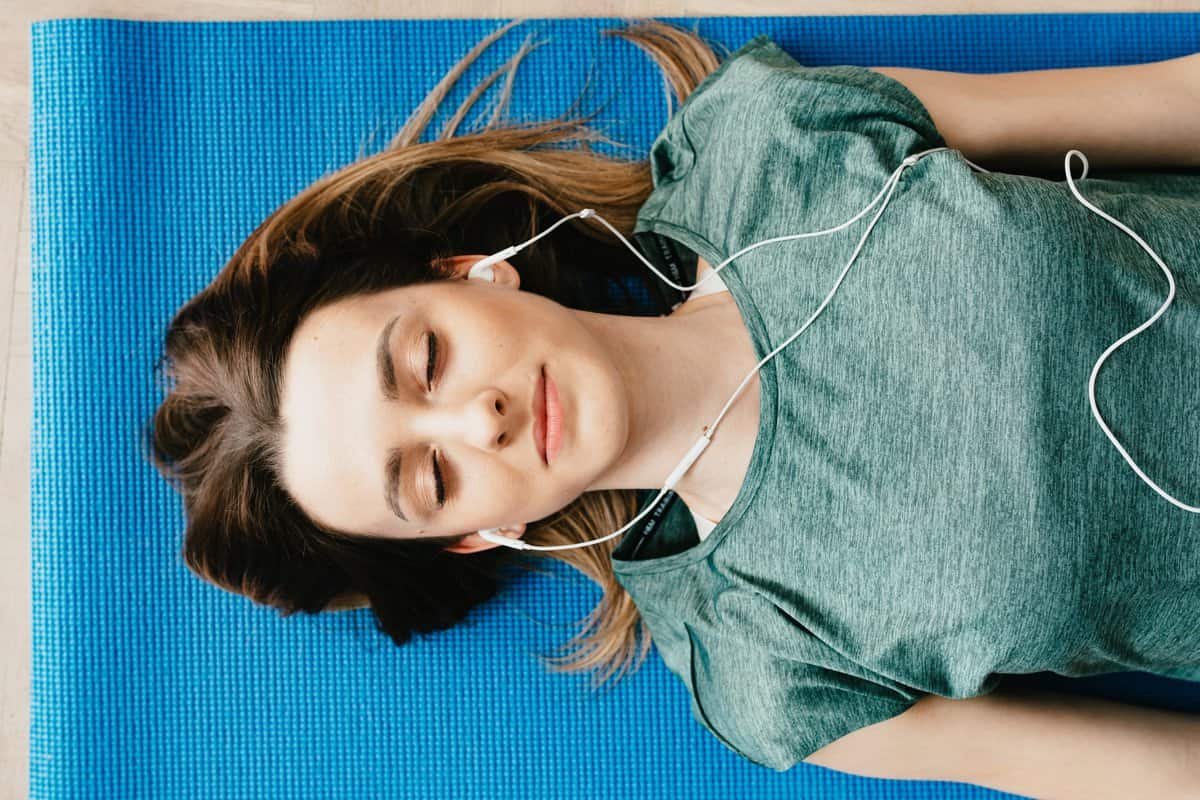
Constant movement is distracting and diminishes control. Using stillness for short periods of time will help develop self-control and awareness.
When you observe your desire to move around, you will often notice that you don’t have a strong compulsion to do so. You will also find that you develop control over your impulses as time passes.
Practicing stillness will promote a stronger mutual connection between your mind and body.

Born and raised in Bosnia and Herzegovina. Ever since I was a little girl, my imagination knew no bounds. I remember vividly how I’d scribble down short stories, each page bursting with adventures and characters conjured up from the whimsy of my mind. These stories weren’t just for me; they were my way of connecting with my friends, offering them a slice of my fantasy world during our playtimes. The joy and excitement on their faces as we dived into my fictional realms motivated me to keep writing. This early passion for storytelling naturally evolved into my pursuit of writing, turning a childhood hobby into a fulfilling career.