
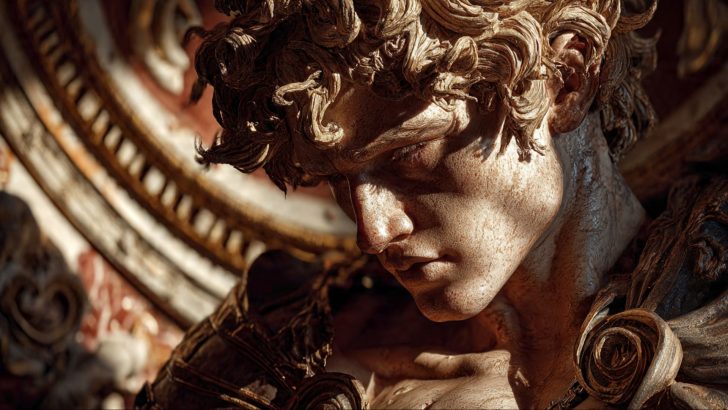
Unlike many other cultures that saw their gods as distant and unchangeable beings, the Greeks believed their deities were deeply involved in their daily lives and politics.
If a god “failed” to protect a city, or if people’s needs shifted, they weren’t shy about replacing their patron deities.
In a way, they held their gods accountable.
The Greeks also saw themselves as direct descendants of their national deities, so their relationship was more practical and personal than one might think.
1. Athens: From Poseidon to Athena
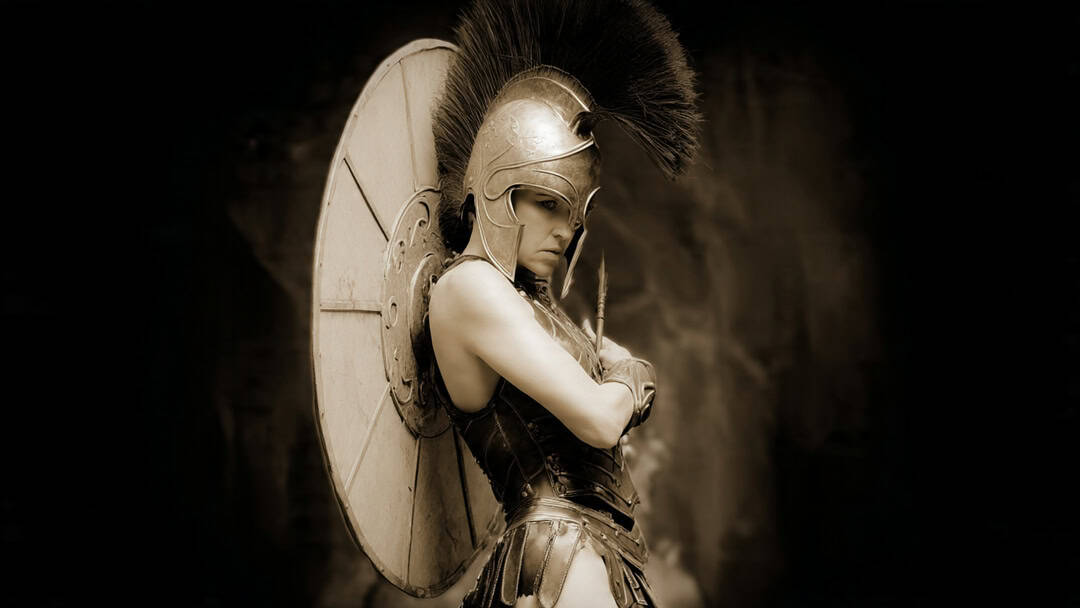
In Athens, things started off with Poseidon as the main patron god, mostly because it was a powerful maritime city.
But over time, Athena’s influence grew, especially after the myth where she won the contest to be the city’s patron.
She represented wisdom, strategy, and civic pride. The Athenians saw her as more aligned with their identity as thinkers and warriors.
This switch wasn’t just religious; it was political and symbolic.
They wanted a protector who embodies the city’s values, and weren’t afraid to replace the one who no longer did. This shows how dignified they were before their gods.
This replacement also reflects how the city saw itself evolving from a seafaring town into a hub of learning and democracy.
2. Corinth: From Poseidon to Aphrodite

Corinth has a longstanding reverence for Poseidon because of its bustling port and maritime trade.
But as the city grew wealthy and more involved with commerce, Aphrodite’s cult gained prominence, because she was linked to beauty and prosperity.
Corinth’s wealth and liberal philosophy meant they valued the goddess of love and pleasure.
This shift of gods was also a sign of changing social norms, emphasizing luxury and personal pleasure.
They saw Aphrodite as a goddess who could bring wealth and success, making her the new patron.
It’s a perfect example of how economic factors could influence which deities a city chose to honor.
3. Argos and the Rise of Mythic Heroes
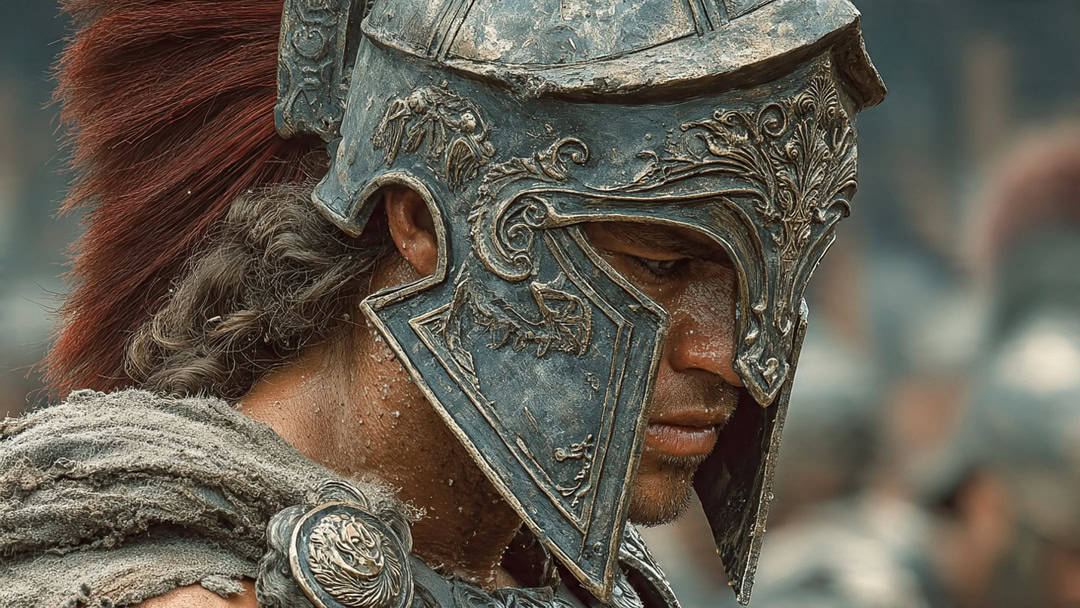
In Argos, Hera was once the main goddess, protecting the city and overseeing family and marriage.
But as local heroes like Perseus became more prominent, it affected the stories and local pride, so the city’s focus shifted.
They started to honor these mythic figures, who embody their ideals and history.
This shows the importance of local identity for ancient Greeks.
By elevating heroes like Perseus, Argos was emphasizing its unique mythic past and distinguishing itself from neighboring city-states.
So, they replaced a goddess with a legendary figure who represented the city’s spirit more directly.
This clearly shows how myth and local pride could influence religious focus.
4. Delphi and Apollo
Delphi was originally a place where local deities and earth spirits were worshipped – like a sacred site with many gods.
But over time, the prominence of Apollo’s oracle transformed Delphi into the most famous religious center in all of Greece.
This shift reflected a religious trend toward Pan-Hellenic worship, where a single god’s oracle became central.
Apollo’s influence grew because he represented order, prophecy, and the arts, and these values were shared across Greece.
This change also helped unify various city-states under a common religious practice.
Delphi was so massively important because, among other things, it created a shared cultural identity that all Greeks respected and followed.
5. Deity Promotion
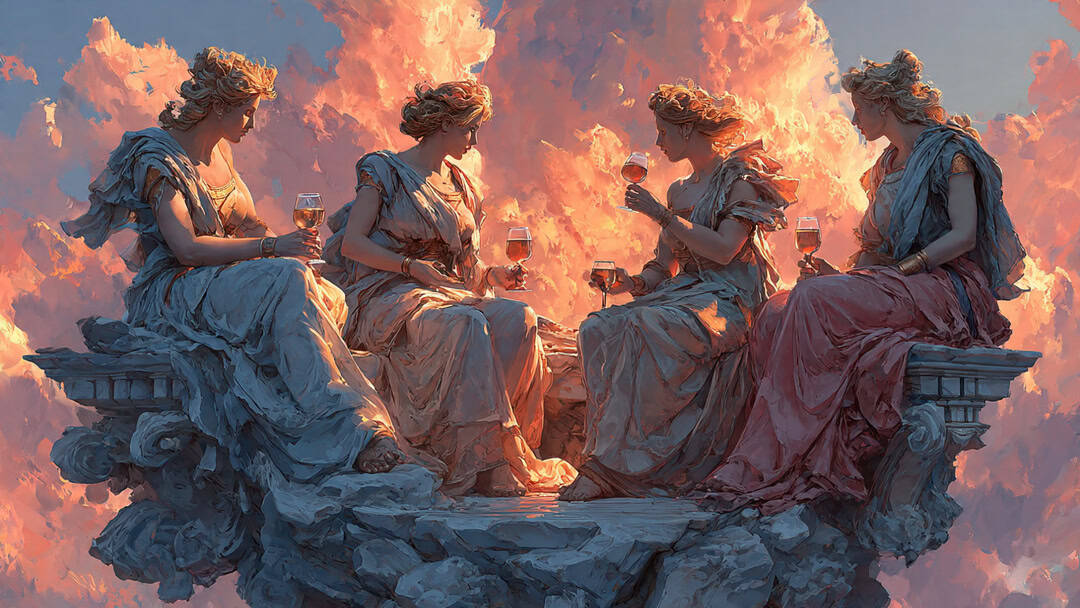
Sometimes, changes in patron gods were driven by politics.
New rulers or city-states wanted to legitimize their rule or showcase their power through religion.
Promoting a particular deity could be a way to assert dominance or distinguish oneself from rivals.
For instance, if a new ruler wanted to show their connection to divine authority, they might elevate a deity associated with strength or victory.
This was more political than religious because Greeks understood that gods could be tools for political propaganda.
6. Cultural Influences and External Contacts

Greek city-states didn’t exist in a vacuum; they interacted both with neighboring cultures and distant lands.
These contacts introduced new gods or emphasized different aspects of existing ones. For example, Persians, Egyptians, and Phoenicians brought several new deities to Greece.
When these cultures traded, warred, or allied with Greece, their gods sometimes gained prominence locally.
This cultural exchange meant that the Greeks were quite adaptable when it came to their religion, making room for new deities or shifting focus among existing ones.
Greek religion continuously evolved as it interacted with the wider world.
7. Religious Reforms
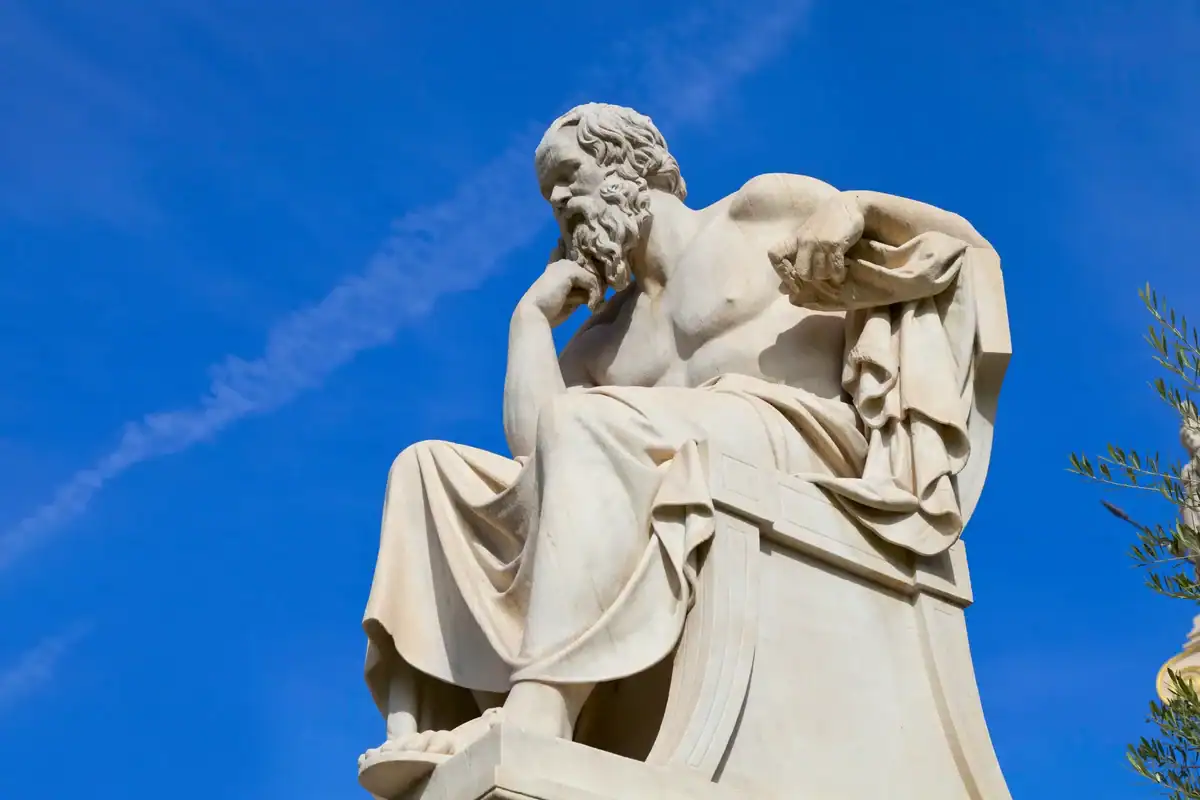
As Greek philosophy and mystery cults gained popularity, their ideas about gods and religion started to shift.
Plato, for instance, questioned traditional beliefs, promoting abstract ideals over gods with human flaws.
Mystery cults, on the other hand, introduced secret rituals and new divine figures.
These movements sometimes promoted new deities or reimagined old ones. Personal enlightenment changed how people related to their deities.
Instead of simply worshipping, some Greeks sought a more personal or philosophical relationship, which changed how gods were viewed and honored.
8. Local Identity

City-states loved to emphasize their own heroes and mythic figures to stand out.
Argos, as I mentioned earlier, focused on Perseus, while other cities celebrated their own legendary heroes. These heroes often took on divine qualities or were related to specific gods.
By elevating these local figures, cities crafted a unique identity that set them apart.
This could mean shifting focus from a deity to a myth that included their particular history and embodied their values.
It was a way to nurture civic pride and keep their stories alive.
9. Economic Factors
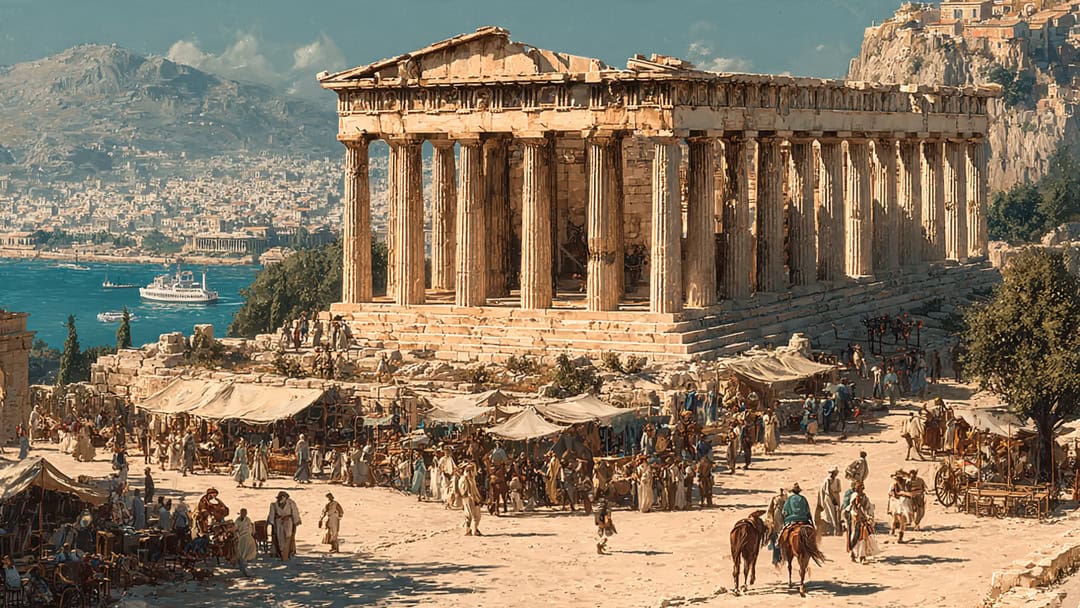
Wealth from trade, industry, or specific local resources could also influence which gods a city worshipped.
For example, a city thriving on trade might honor a god associated with commerce, like Hermes; likewise, a city based on agriculture might favor Demeter.
If a particular deity was believed to bring prosperity, the city would promote them more actively.
If the city faced decline or failure, people would question whether their gods were still doing their job. This led to religious shifts or choosing a new patron.
10. Practical Relationship With Gods

Many religions are based on fear and unquestioning worship, but the Greeks had a more practical relationship with their deities.
They believed they were their direct descendants, so they saw gods as powerful but also relatable.
This is why their deities are so human-like, with countless flaws, passions, tastes, quirks… They’re basically powerful, immortal humans, and that’s exactly how Greeks saw them.
So, they didn’t fear to switch patrons or take their worship to another deity if the current one failed them – not out of disrespect, but because it was logical.
Their religion was a dynamic and responsive system, where they influenced their deities through rituals and offerings, but also held them accountable if they didn’t deliver.
This attitude that the Greeks had towards their religion remains unique and fascinating.

A little Aquarius, devoted to writing and embroidery. Through my writing, I hope to empower readers to align with their true selves and navigate life’s mysteries with confidence.