
In the US, love is vocal and open. We’re used to saying “I love you” or “I’m proud of you,” but in some places around the world, it’s not that straightforward.
In the Balkans, especially in domestic surroundings, saying you love someone can come off as pointless because it’s a given. People prefer to show love.
They do some small, everyday things that leave no doubt about how they feel.
These are meant to send a very simple message: you’re cared for, and you matter.
1. Quietly Peeling You an Apple
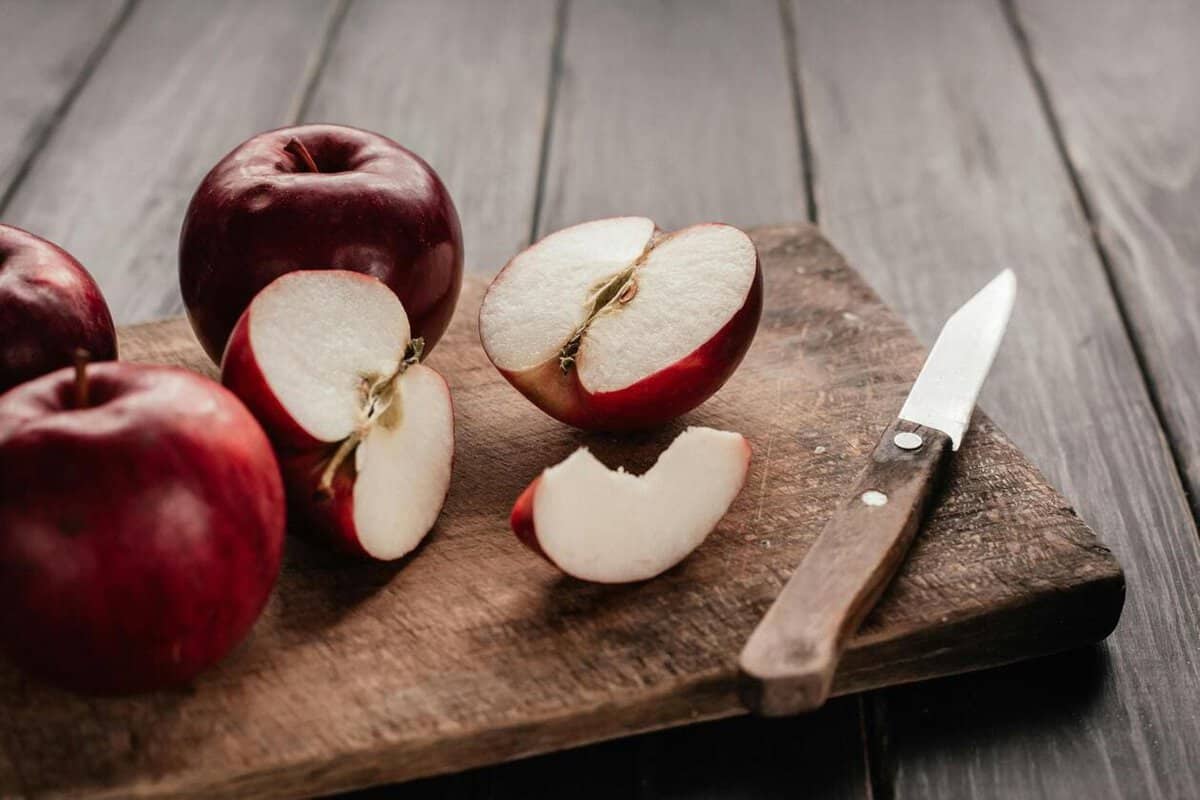
Balkan people often bring each other a healthy snack, like an apple or a carrot, just because.
No one asks you if you’re hungry; they just quietly hand you the food because it’s good for you.
This simple gesture shows that someone thinks of your well-being and wants you to stay healthy. It’s one of the most common ways people in the Balkans express affection.
Oh, and it’s also how they say sorry, because that’s another word you’ll never hear out of their mouth!
Instead of a verbal apology, a plate of crisp fruit is silently placed in front of you as a peace offering.
It acknowledges that, although things might have been tense, you’re still a priority.
It’s nurturing and lovely, albeit a little emotionally immature.
2. Sparing You from Work

Whether you’re heading to wash the dishes or to iron your shirt, it’s common for a loved one to step in, telling you to leave it to them.
It’s not like you’re busy or can’t do it yourself. People naturally do things for their loved ones without any other reason.
Suffice to say, acts of service are definitely the most popular love language in the Balkans.
The moment you stand up to do a chore, someone appears to gently push you back into your seat.
They take the heavier bags and choose the dirtier chores to spare you as much as possible. It’s a way to lighten the load for the people they care about.
It creates a dynamic where love means trying to make each other’s lives a little easier every single day.
3. Buying You a Little Trinket

When one person goes to the market to buy groceries, you bet they won’t come back without bringing a small trinket for their loved one.
It can be a bar of chocolate or a small snack. Usually, it’s something completely small, but the point of it is to show they thought of their loved one.
Generosity is a big deal in the Balkans. Showing someone that you went out of your way to get a little something for them, for no special reason, is very appreciated.
In these parts of the world, affection is mainly tangible.
Coming home with these tiny surprises is an established ritual for many couples and families.
It breaks the monotony of the day and makes the other person feel important.
4. Offering Food, All the Time
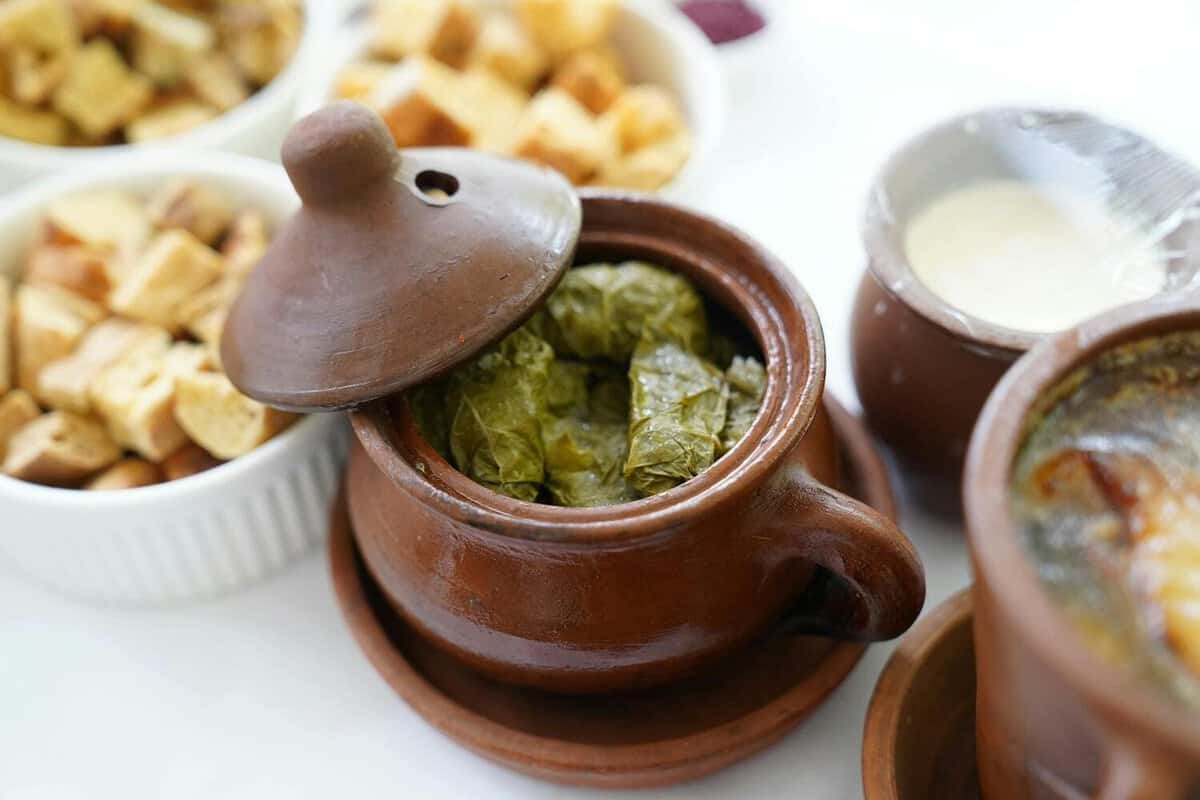
In the Balkans, conversations about emotional well-being aren’t widely popular.
Maybe among the younger generation, but generally, people show they care for your feelings by making sure you’re physically well.
Expect to always be offered food, something warm and homemade, to make you feel better.
Eating good food is believed to make you healthier and, therefore, calmer. It provides comfort and joy.
That’s why offering food and insisting you eat is a love language in the Balkans.
If you look sad or tired, you’re offered an appropriate treat that might lift your spirits. It’s a simple attempt to ease emotional distress.
You’ll hardly hear about people making space for your feelings; they can get pretty awkward when using emotional language.
As I said, tangible affection is the instinct in these parts.
5. Walking You Home
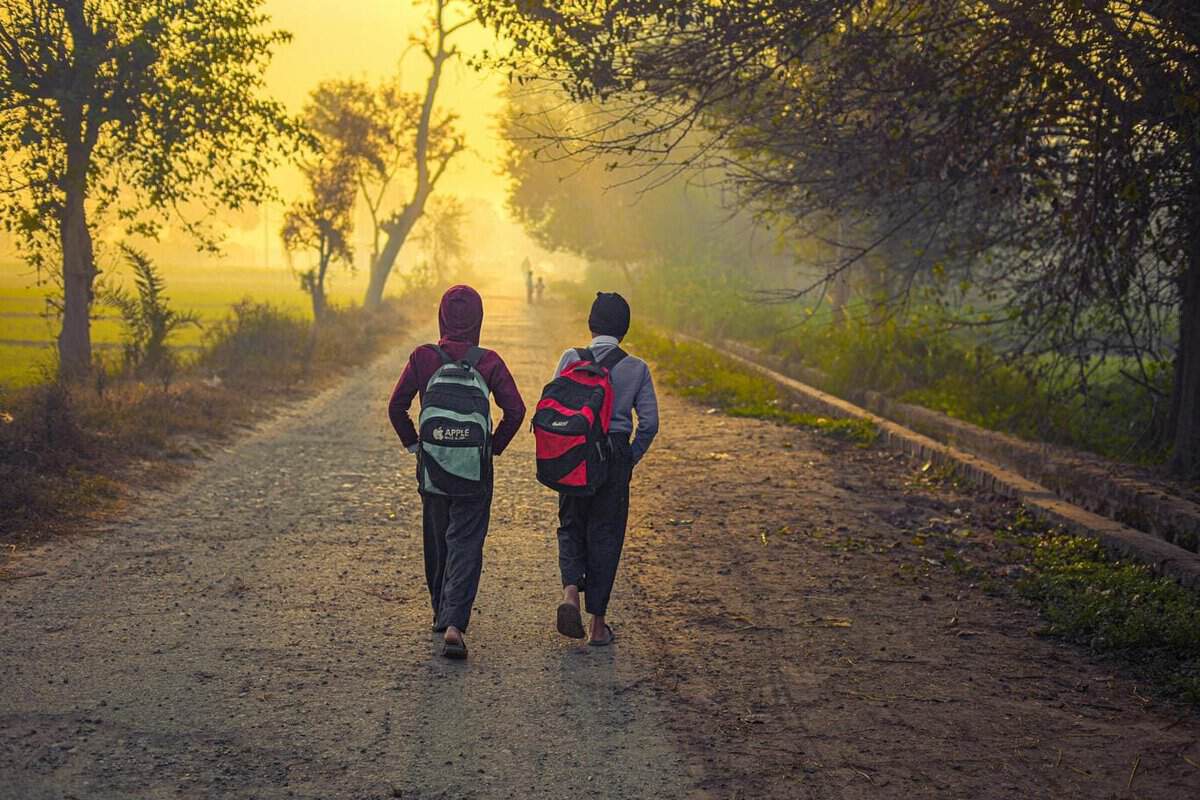
Walking you home and waiting to see you safely go in is a form of love language in the Balkans and elsewhere. Everywhere in the world, people can relate to this gesture.
It’s common for someone to sit in their car, not leaving until they see that the lights are on and their loved one has settled for the day.
It expresses patience and the willingness to go out of your way to make sure someone’s doing fine.
The gesture is deeply personal and protective.
It signals that your safety is more important than their immediate comfort.
6. Nagging
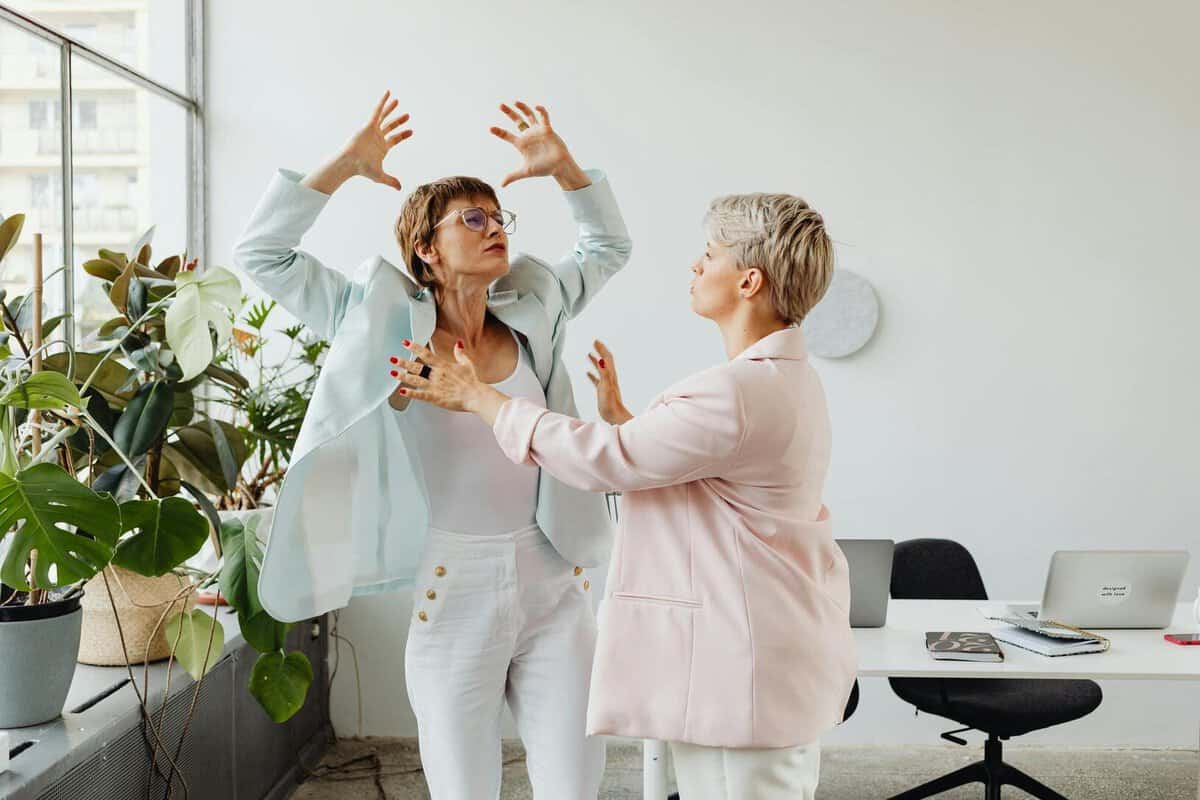
In the Balkans, people constantly nag each other. The closer you are to someone, the harsher they will nag you about stuff.
People can’t stand seeing each other walking barefoot or with their stomachs exposed. You can protest all you want and insist you’re not cold, but they won’t stop because you look cold.
This constant commentary about how you’ll get sick or ruin your kidneys can actually be very annoying, but deep down, it’s just care.
It’s the most common way people express they’re protective of you.
The fear of draft is legendary in these parts, so expect to hear horror stories and have a sweater forced on you.
All of this commotion hides a real fear that something bad might happen to you.
7. Waiting to Share a Meal with You
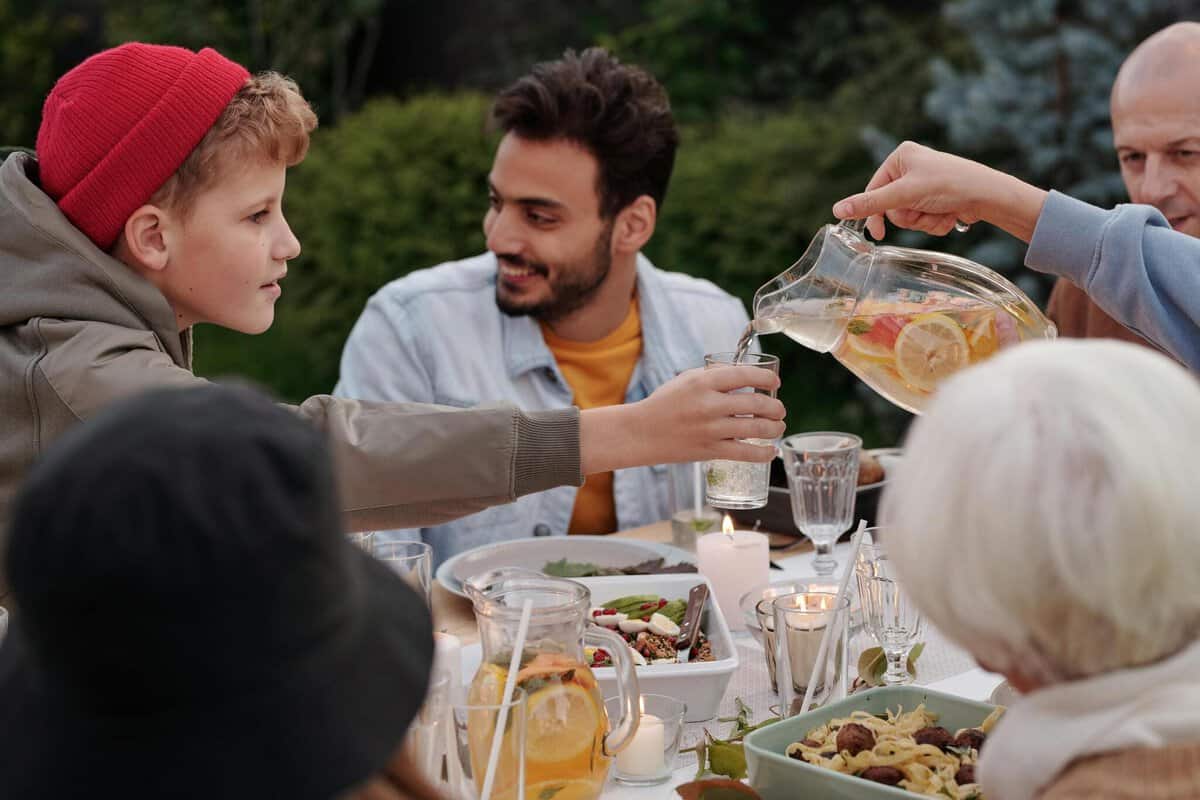
All around the world, food brings people together and helps them connect. The Balkans is no different.
Families eating together is very important in these parts, so even if one person is coming home two hours later than others, most of the time, people choose to wait.
It’s all about the gesture; if they used their words for once, they would say, “Food is sweeter when I share it with you,” but that’s never going to happen.
A shared lunch or dinner is a tradition that prioritizes togetherness.
Waiting until everyone’s together shows patience and values.

A little Aquarius, devoted to writing and embroidery. Through my writing, I hope to empower readers to align with their true selves and navigate life’s mysteries with confidence.