
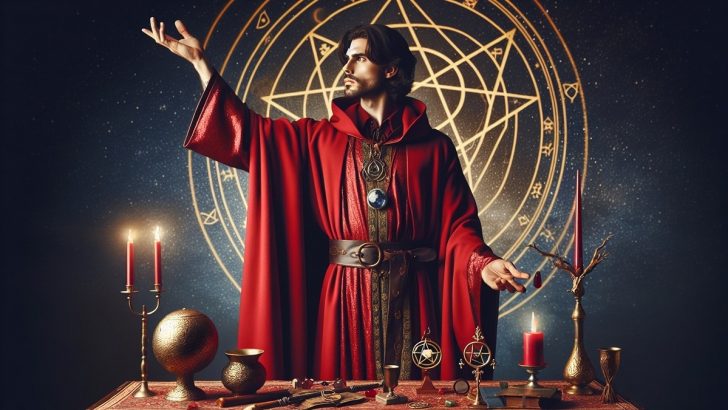
Witches have had a serious PR rollercoaster. One minute they’re feared figures blamed for everything from bad crops to suspiciously strong winds, and the next they’re your go-to aesthetic for candles, crystals, and living your best mysterious life. Whether you picture a pointy-hatted potion stirrer or a modern-day manifesting queen with a Pinterest board titled “Moon Rituals & Soft Life”, witches are way more complex (and honestly relatable) than you might think.
So grab your imaginary broomstick—or your iced coffee, same energy—and let’s get into some surprisingly funny, oddly accurate facts about witches that history books didn’t make nearly entertaining enough.
1. Witches Were Once Just… Your Local Herbalist
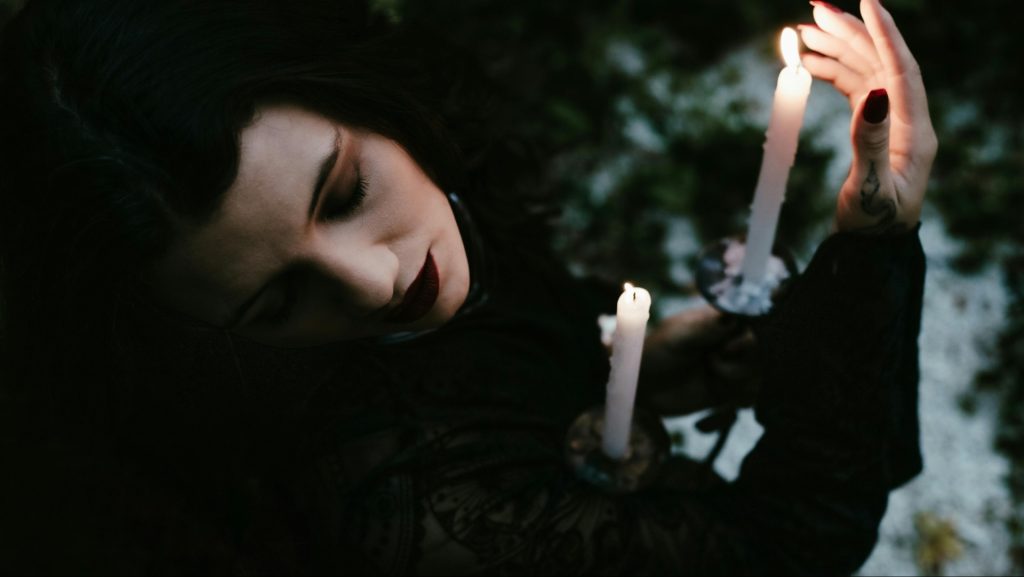
Before witches were villainized, they were basically the neighborhood wellness influencers—minus the affiliate links. Many accused witches were women (and some men) who knew how to use herbs for healing, teas for calming nerves, and natural remedies for common illnesses.
Imagine being burned at the stake because your chamomile tea worked too well. That’s essentially what happened. Knowledge, especially in women, made people nervous. If you could cure a headache without praying for three hours, clearly you were suspicious.
In reality, these “witches” were early practitioners of what we’d now call holistic medicine. So next time you sip on herbal tea or Google natural remedies, just know—you’re participating in centuries-old “witchcraft.” Congratulations, you’re one lavender candle away from a coven.
2. The Pointy Hat Was Basically Medieval Shade
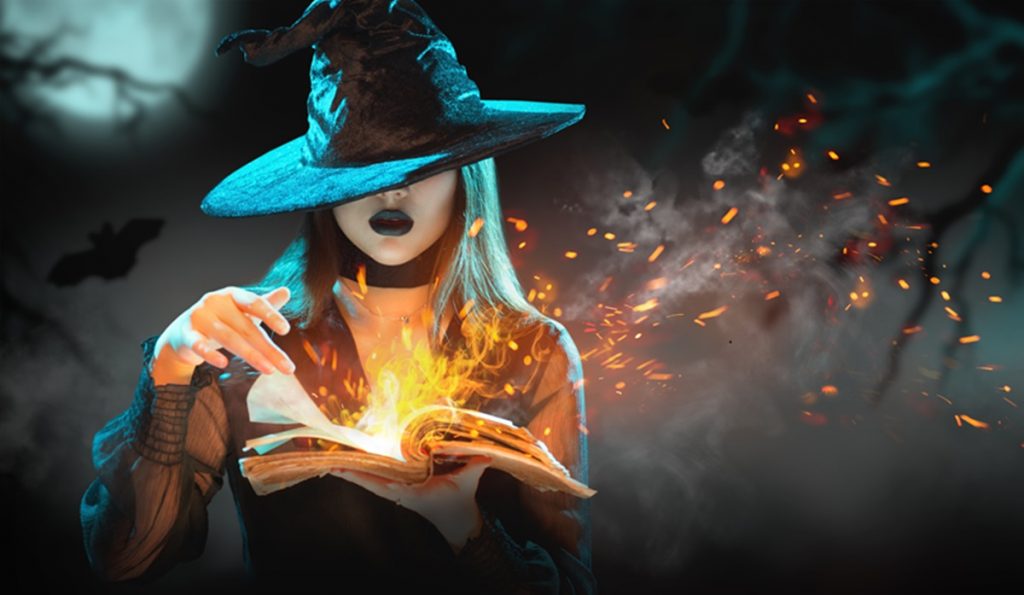
That iconic witch hat? It didn’t start as a fashion statement—it was more like historical trolling. Some historians believe the pointed hat was used to visually mark outcasts, particularly women who didn’t fit societal expectations.
In other words, if you were independent, a little eccentric, or just not interested in being quiet and agreeable… congrats, you might’ve been labeled a witch and given a hat to match. Rude.
Over time, the hat became a symbol of witch identity, which is honestly a glow-up. What was once meant to shame became a whole aesthetic. Today, people wear it for Halloween or Instagram photos like, “Yes, I am mysterious. Yes, I own 14 candles. No, I will not explain.”
3. Not All Witches Were Women (Plot Twist!)
Despite what movies and history books might suggest, not all witches were women. Men were accused too—especially if they were healers, outsiders, or just happened to annoy the wrong person.
However, women were disproportionately targeted because society at the time loved a good scapegoat, and independent women were apparently terrifying. A woman who owned property, lived alone, or spoke her mind? Clearly suspicious. Add a black cat, and it was basically over.
Male witches (sometimes called warlocks, though that term is debated) existed, but they didn’t get nearly as much attention. Typical. Even in witch trials, women were somehow the main characters—just not in a fun way.
4. Broomsticks Had a Much Weirder Origin Than You Think
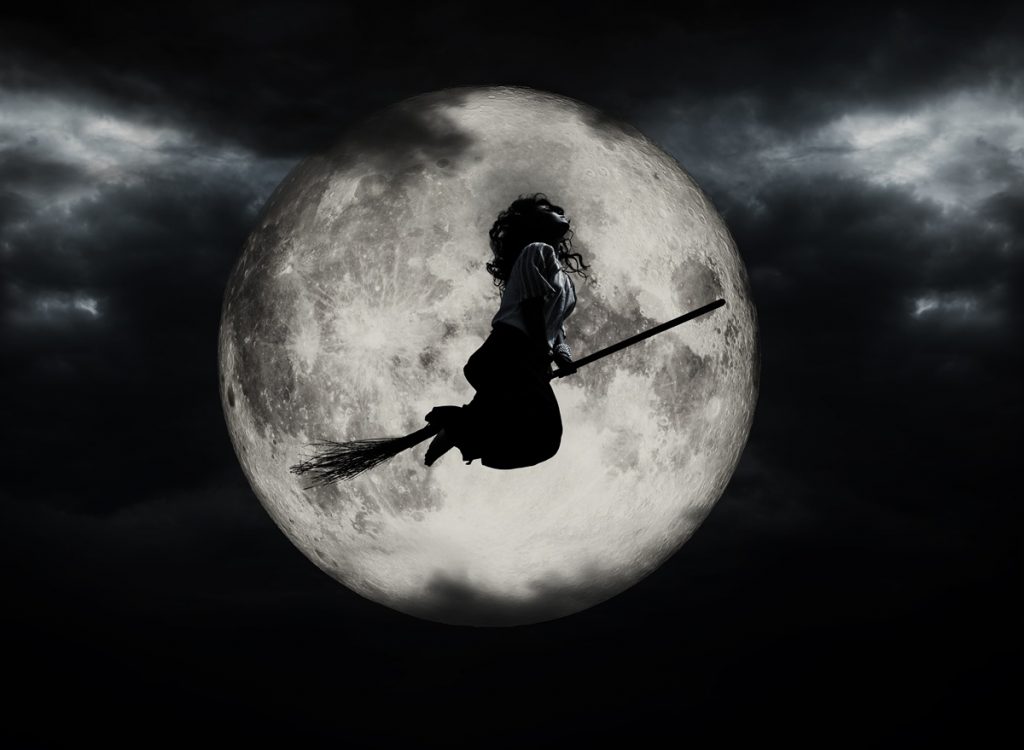
Ah yes, the classic image: a witch flying through the night sky on a broomstick. Magical, whimsical, slightly chaotic. But the origin? Let’s just say… not as PG.
Some historians believe the broomstick imagery may have come from rituals involving hallucinogenic plants. These substances were sometimes applied in ways that… well… made people feel like they were flying. The broomstick became a symbolic (and slightly censored) representation of that experience.
So the next time you see a witch casually soaring across the moon, just remember: history is weird, people are creative, and sometimes symbolism is doing a lot of heavy lifting.
5. The “Witch Hunts” Were Basically Organized Panic
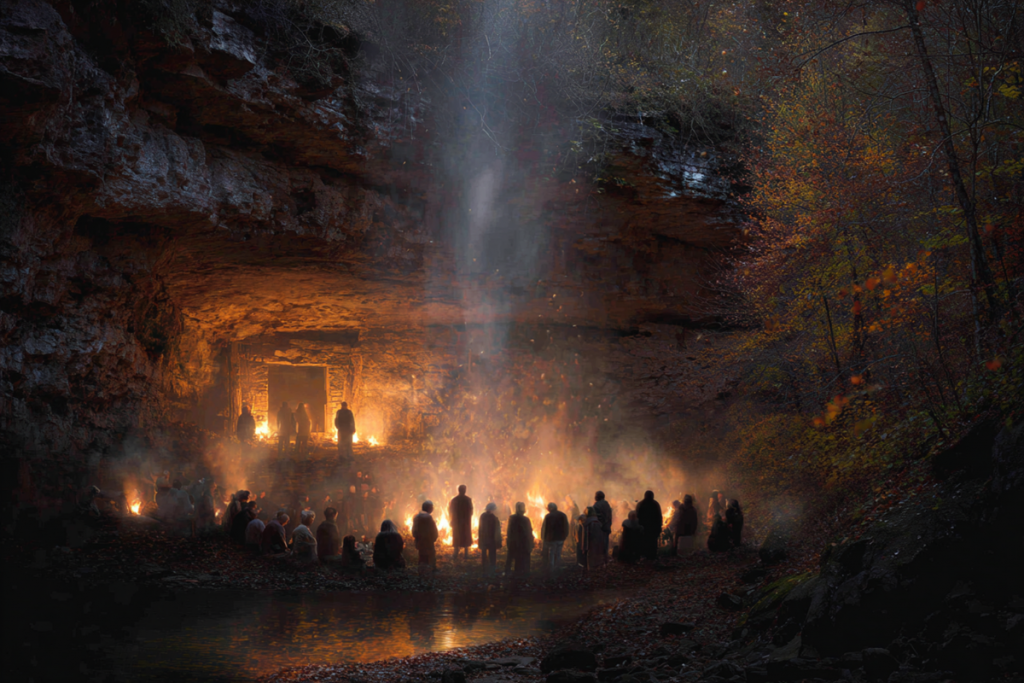
Witch hunts weren’t just dramatic—they were full-blown societal meltdowns. Entire communities would spiral into paranoia, accusing neighbors, friends, and even family members of witchcraft.
It often started with something small: a failed crop, an illness, or someone acting “strange” (which could mean literally anything). From there, accusations spread faster than gossip in a group chat.
Trials were wildly unfair, relying on questionable “evidence” like dreams, visions, or whether a person floated in water (because apparently sinking was the better option?). It was less about justice and more about fear, control, and a complete lack of chill.
6. Black Cats Got the Worst Reputation Ever
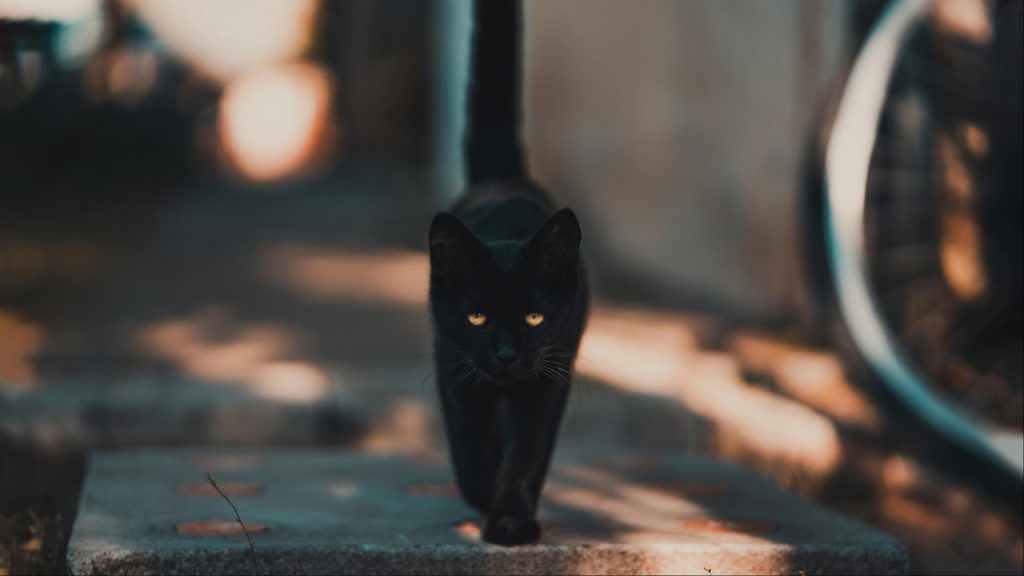
Black cats didn’t ask for any of this. Truly. These innocent animals were often associated with witches and believed to be their “familiars”—magical companions that helped with spells and supernatural tasks.
Because of this, black cats were feared, avoided, and sometimes harmed. All for the crime of having sleek fur and a slightly mysterious vibe.
Ironically, today black cats are considered symbols of luck in some cultures, and they’re beloved by people who appreciate their quiet, observant nature. So really, they went from spooky sidekicks to misunderstood icons. Justice for black cats, honestly.
7. Modern Witches Are More About Self-Care Than Spells
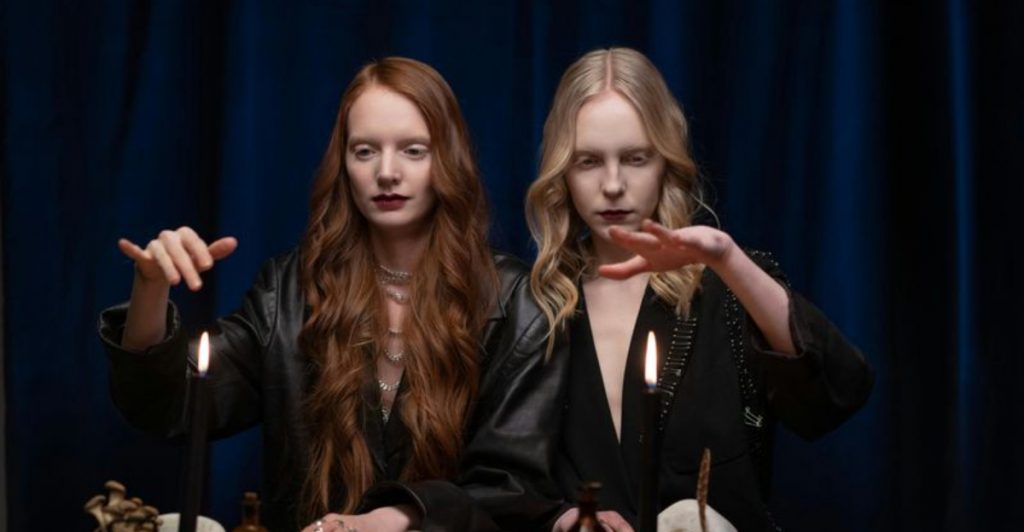
Forget bubbling cauldrons and dramatic curses—modern witchcraft is often about intention, mindfulness, and self-empowerment. Think journaling, meditation, setting goals with a sprinkle of moon energy, and yes… a lot of candles.
For many people, being a “witch” today isn’t about supernatural powers—it’s about reconnecting with nature, trusting your intuition, and creating rituals that bring meaning to your life.
So when someone says they’re doing a full moon ritual, it might just mean they’re reflecting on their goals, lighting a candle, and romanticizing their life a little. Honestly? We love that for them.
8. Witches Were Often Just… Different
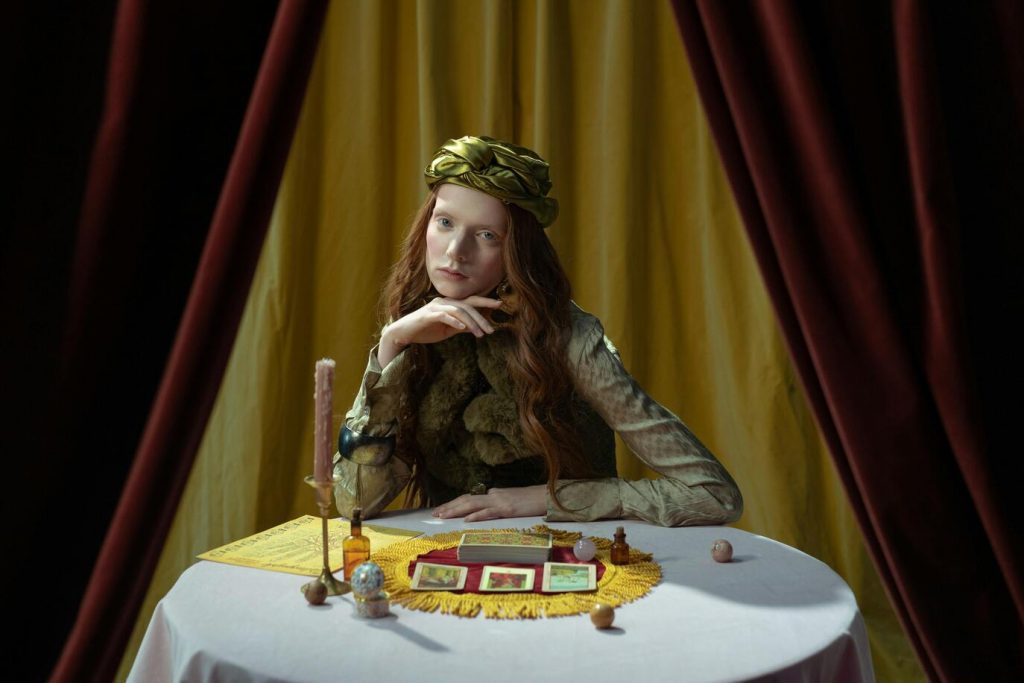
At the heart of it, many accused witches were simply people who didn’t fit in. Maybe they were outspoken, introverted, widowed, childless, or just not interested in following the rules.
Society has always had a complicated relationship with “different,” and in the past, that difference could be dangerous. Labeling someone a witch was an easy way to explain what people didn’t understand—or didn’t like.
Today, that same “different” energy is often celebrated. The qualities that once got people labeled as witches—independence, intuition, creativity—are now seen as strengths. So if you’ve ever felt a little out of place, congratulations. History says you might’ve been powerful.
9. The Witch Aesthetic Is Thriving (and Honestly, Deserved)
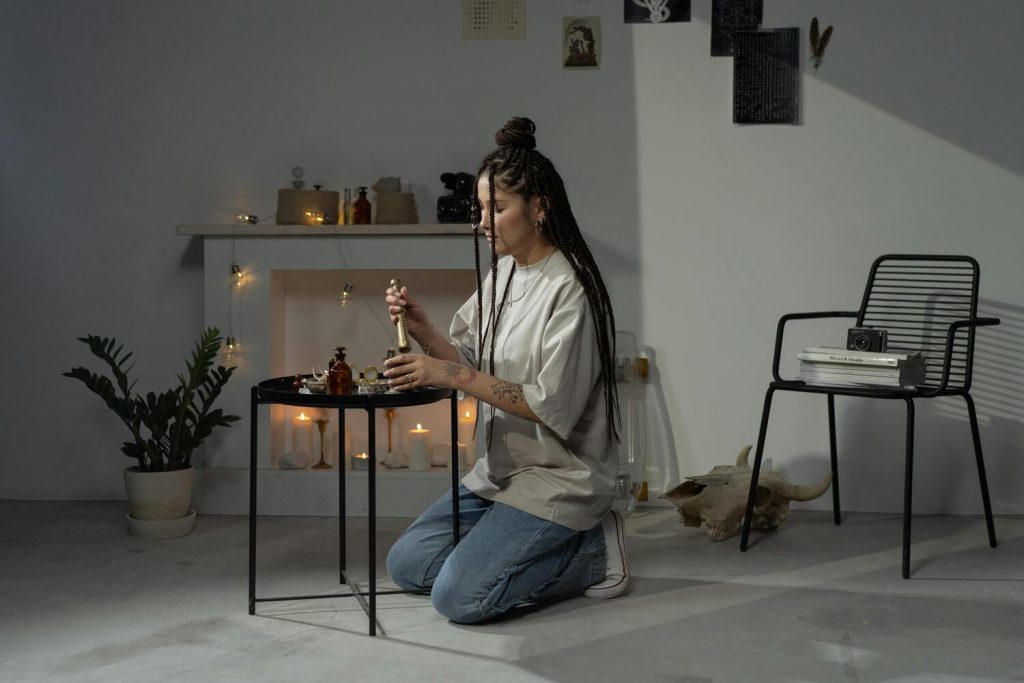
From cozy bookstores to crystal collections and moody playlists, the witch aesthetic is having a moment—and it’s not going anywhere. It blends mystery, empowerment, and just enough drama to make everyday life feel a little magical.
What’s interesting is how this aesthetic reclaims something that was once feared and turns it into something beautiful. It’s less about fear and more about owning your space, your energy, and your story.
Plus, let’s be real: lighting a candle, putting on a playlist, and pretending you’re the main character in a slightly supernatural indie film? Elite behavior.

Lover of good music, reading, astrology and making memories with friends and spreading positive vibes! 🎶✨I aim to inspire others to find meaning and purpose through a deeper understanding of the universe’s energies.