
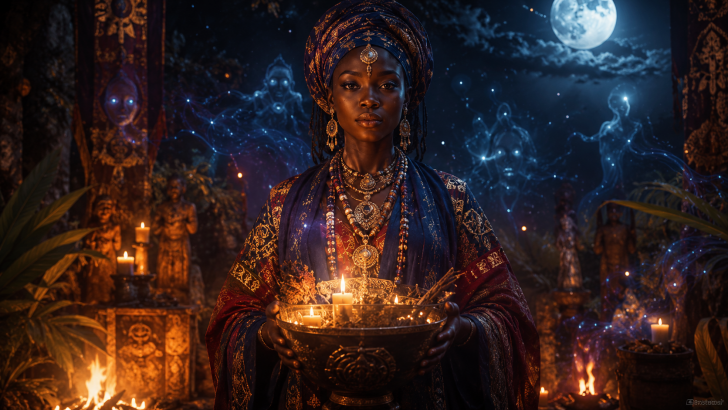
Have you ever noticed how often Voodoo is misunderstood in movies and popular stories?
For centuries, Voodoo has been surrounded by fear, exaggeration, and completely false ideas.
In many Western portrayals, it is shown as something dark or dangerous, but the reality is far more complex and deeply spiritual.
Voodoo is a living religion with roots in West African traditions, later shaped in Haiti, Louisiana, and other parts of the African diaspora.
It includes healing practices, ancestor respect, community rituals, and spiritual balance, not just the sensational ideas often shown in fiction.
Many myths about Voodoo come from misunderstanding, colonial history, and entertainment culture rather than real religious practice.
Here are ten common myths about Voodoo that are completely wrong!
1. Voodoo Is Not Black Magic or Evil
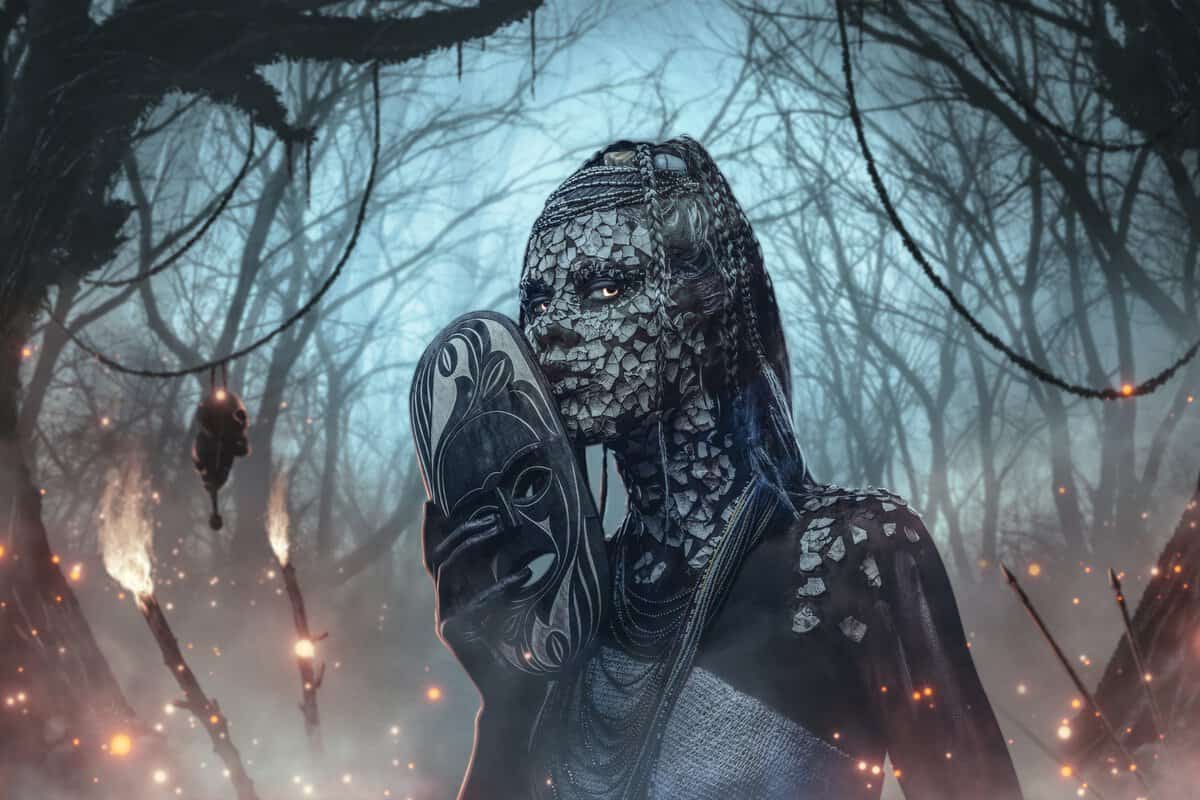
One of the biggest misconceptions is that Voodoo is purely dark magic or harmful sorcery.
In reality, Voodoo is a religion centered on healing, protection, community, and respect for spirits and ancestors.
Like many spiritual traditions, it includes rituals for both protection and guidance through life challenges.
The idea that it is “evil” mostly comes from movies and folklore rather than actual practice.
For many practitioners, Voodoo is a source of spiritual strength, emotional healing, and cultural identity passed down through generations.
It is deeply connected to life, family, and balance rather than destruction or fear, and it continues to be practiced openly in many communities today.
2. Voodoo Dolls Are Not Used to Harm People
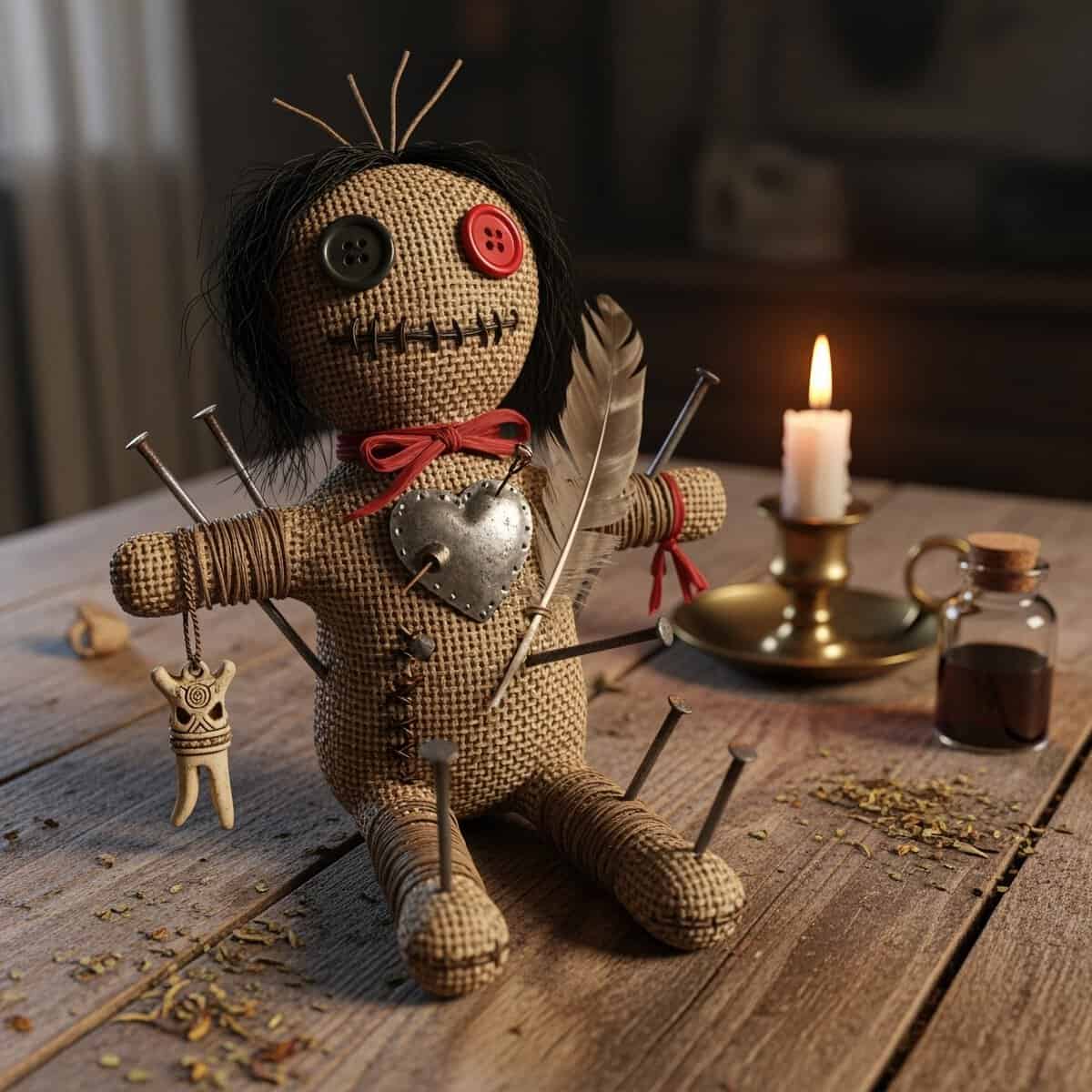
The idea of dolls being used to control or hurt others is one of the most famous and inaccurate myths.
Voodoo traditions do use symbolic objects, but not in the way popular culture suggests.
Spiritual figures or dolls are sometimes used for healing, prayer, or focusing intentions.
They are meant to represent connection, not control over another person’s will. The harmful image of pins and curses is mostly a fictional invention.
In real practice, the focus is on spiritual communication, guidance, and personal or communal well-being rather than causing harm to others, and this misunderstanding has been repeated for generations.
3. Voodoo Is Not the Same Everywhere
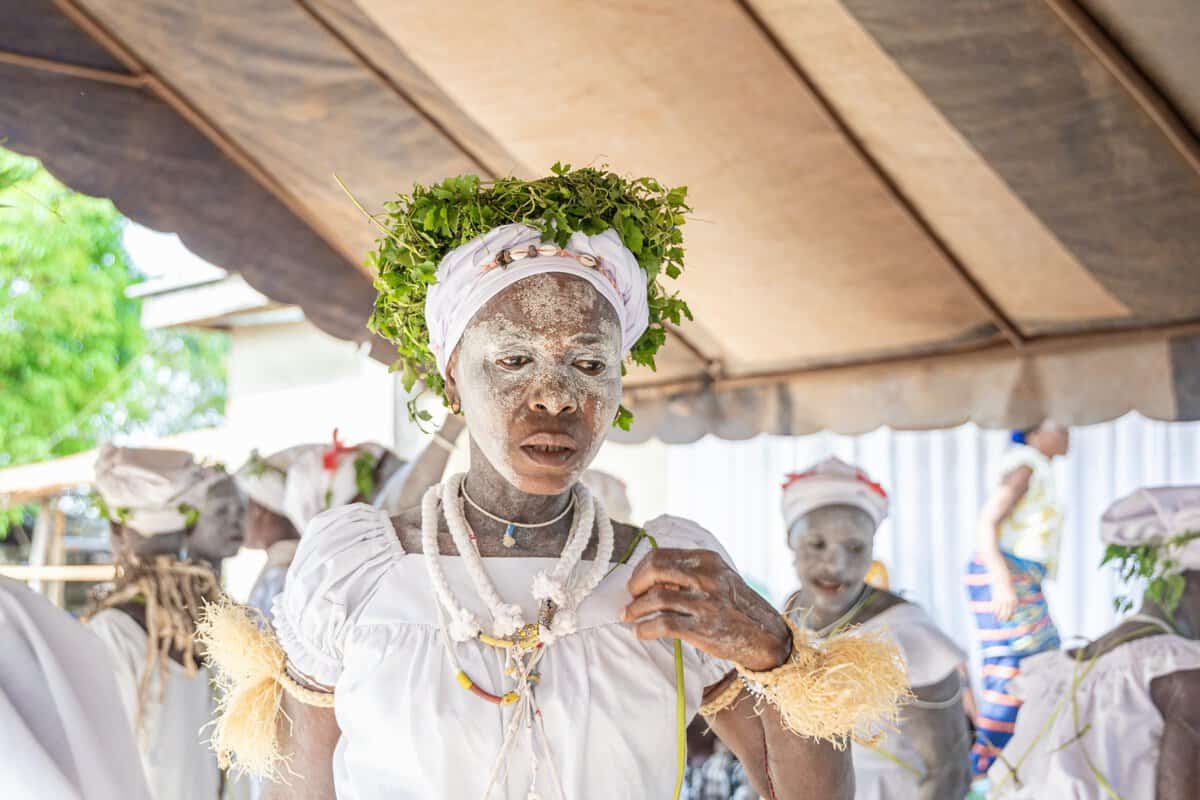
Many people assume Voodoo is one single uniform belief system, but that is not true.
Voodoo has many regional forms and traditions, including Haitian Vodou, Louisiana Voodoo, and West African spiritual practices.
Each version was developed in different cultural and historical environments.
They share similar spiritual roots but have unique rituals, languages, and practices.
This diversity shows that Voodoo is not a single “mystery religion” but a broad spiritual family shaped by history, migration, and cultural adaptation over centuries.
4. Voodoo Is Not About Controlling People
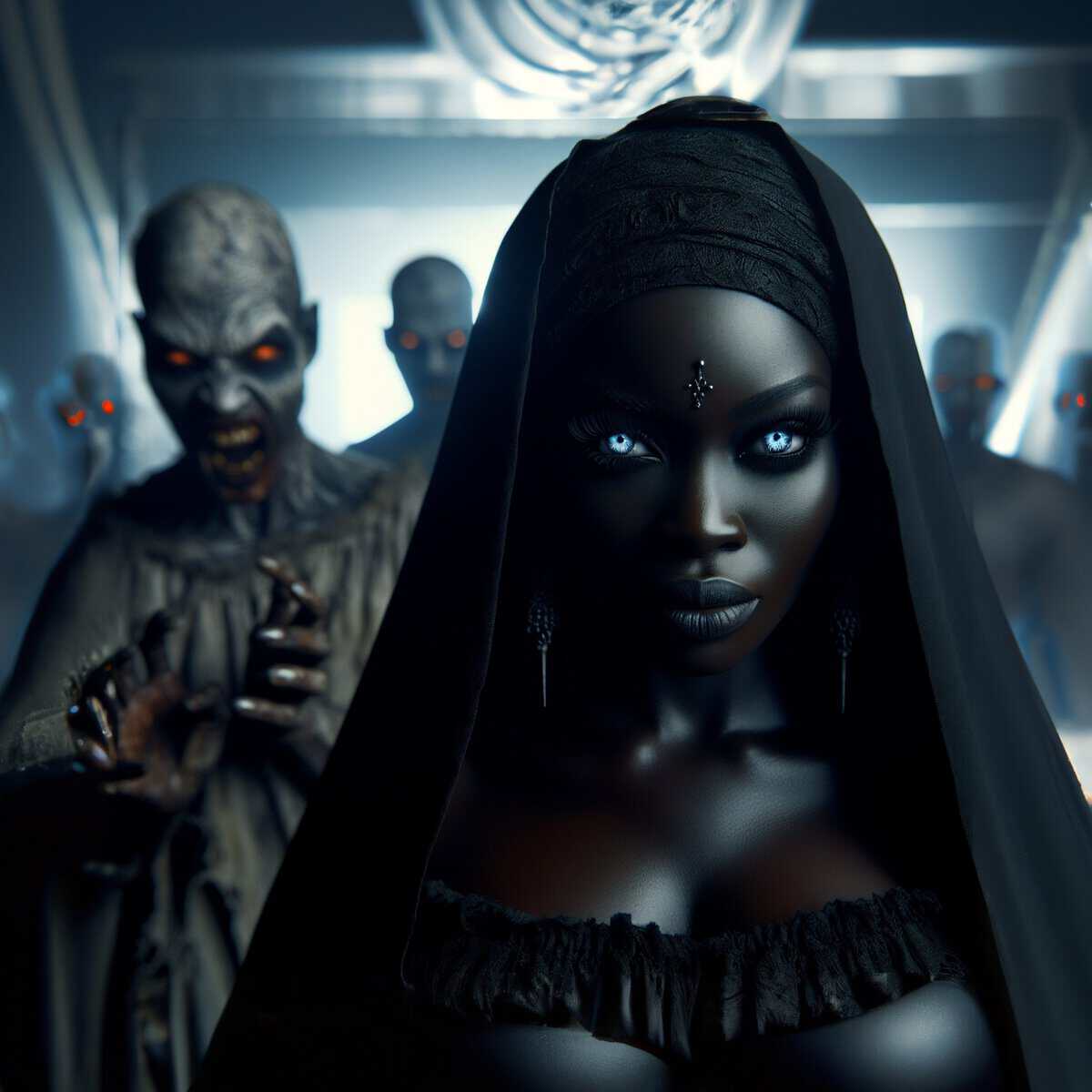
Another false belief is that Voodoo is used to control or manipulate others.
In real traditions, spiritual practice focuses on harmony, balance, and personal responsibility.
Practitioners may seek guidance, protection, or healing, but not control over someone else’s free will.
Misunderstandings about “control spells” come mostly from fiction and fear-based storytelling.
At its core, Voodoo teaches respect for spiritual forces and encourages balance between human actions and the spiritual world.
Voodoo is not about domination over others, even when people outside the tradition misunderstand its purpose completely.
5. Voodoo Is Not Only About Death or Spirits of the Dead
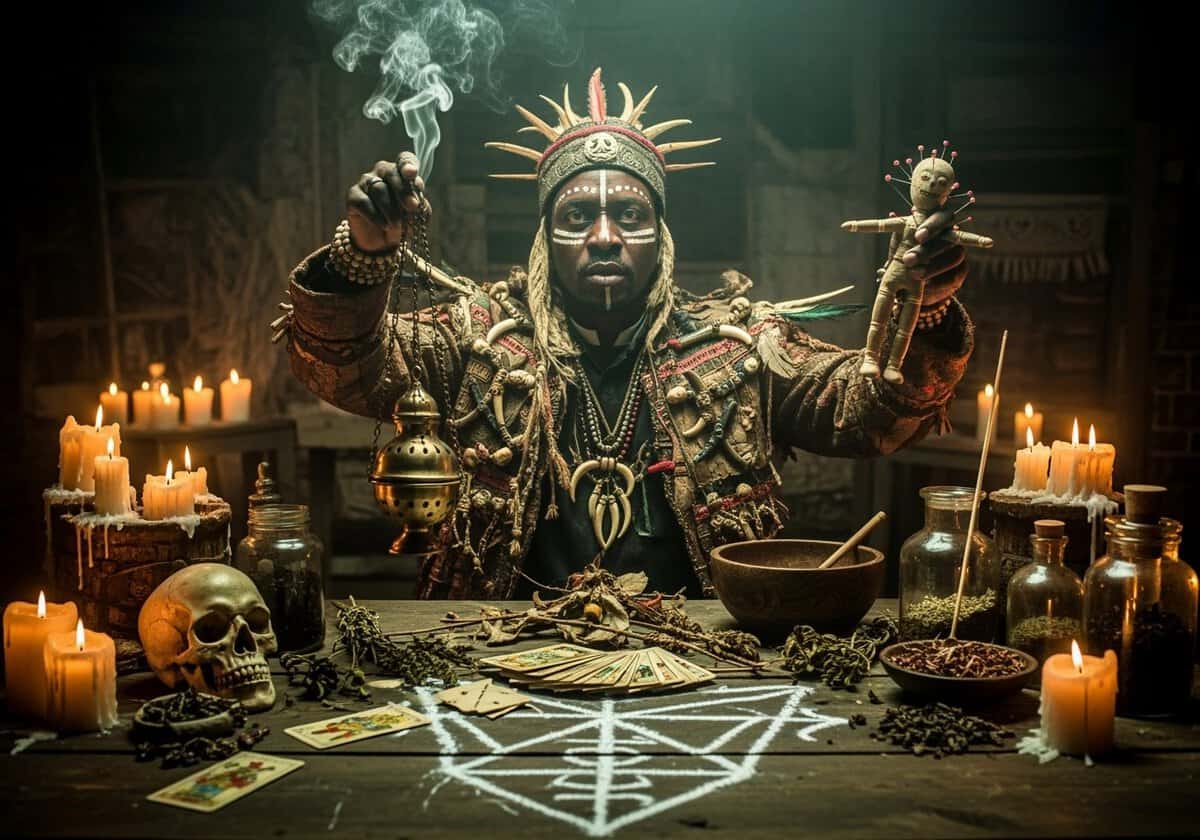
Some people believe Voodoo focuses only on death, ghosts, or harmful spirits. Actually, ancestor respect is just one part of a much larger spiritual system.
Voodoo also includes healing, celebration, music, dance, and connection to life energy.
Spirits are not always frightening figures but are often seen as guides or protectors.
This balance between life and ancestral connection shows that Voodoo is more about harmony between worlds than fear of the unknown, and it plays a role in daily spiritual life for many communities.
6. Voodoo Priests Are Not “Witches” in the Horror Sense
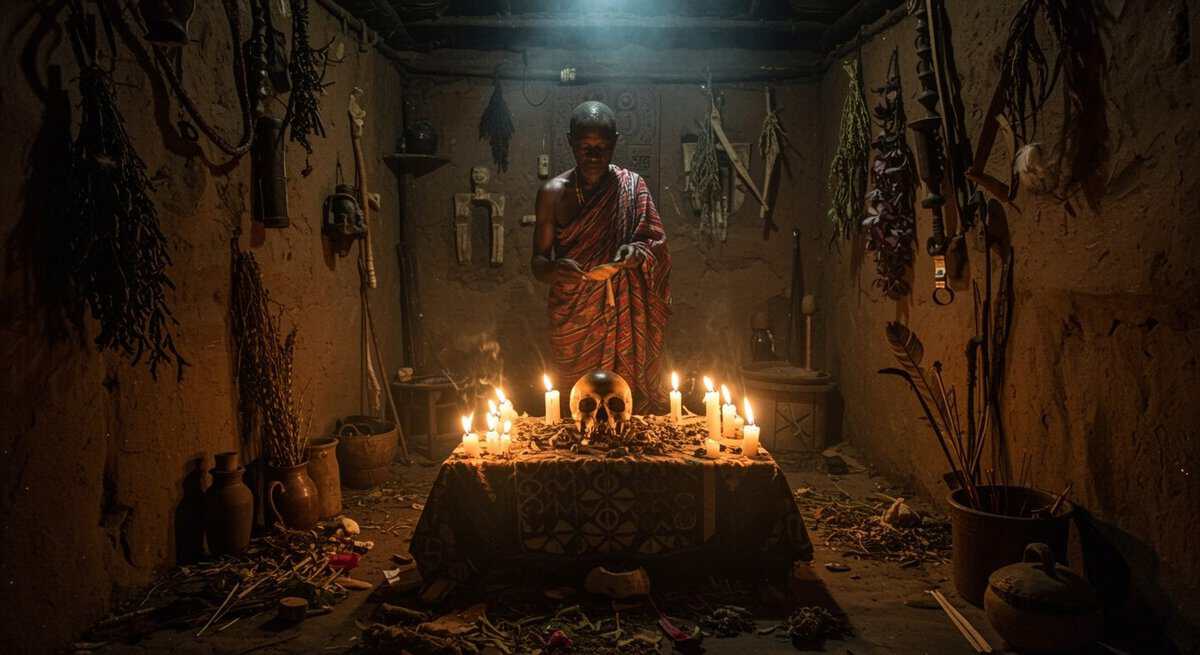
The terms “witch doctor” or “witch” are often wrongly used to describe Voodoo priests and priestesses.
In real life, spiritual leaders in Voodoo are trained within respected religious traditions.
They guide ceremonies, offer healing, and help communities maintain spiritual balance.
Their role is similar to that of priests or spiritual advisors in other religions. The horror-style image of Voodoo leaders is mostly a product of misunderstanding and entertainment.
This is an insult to a real religious practice and cultural truth that ignores their important role in community life and healing practices.
7. Voodoo Is Not Illegal or Secret
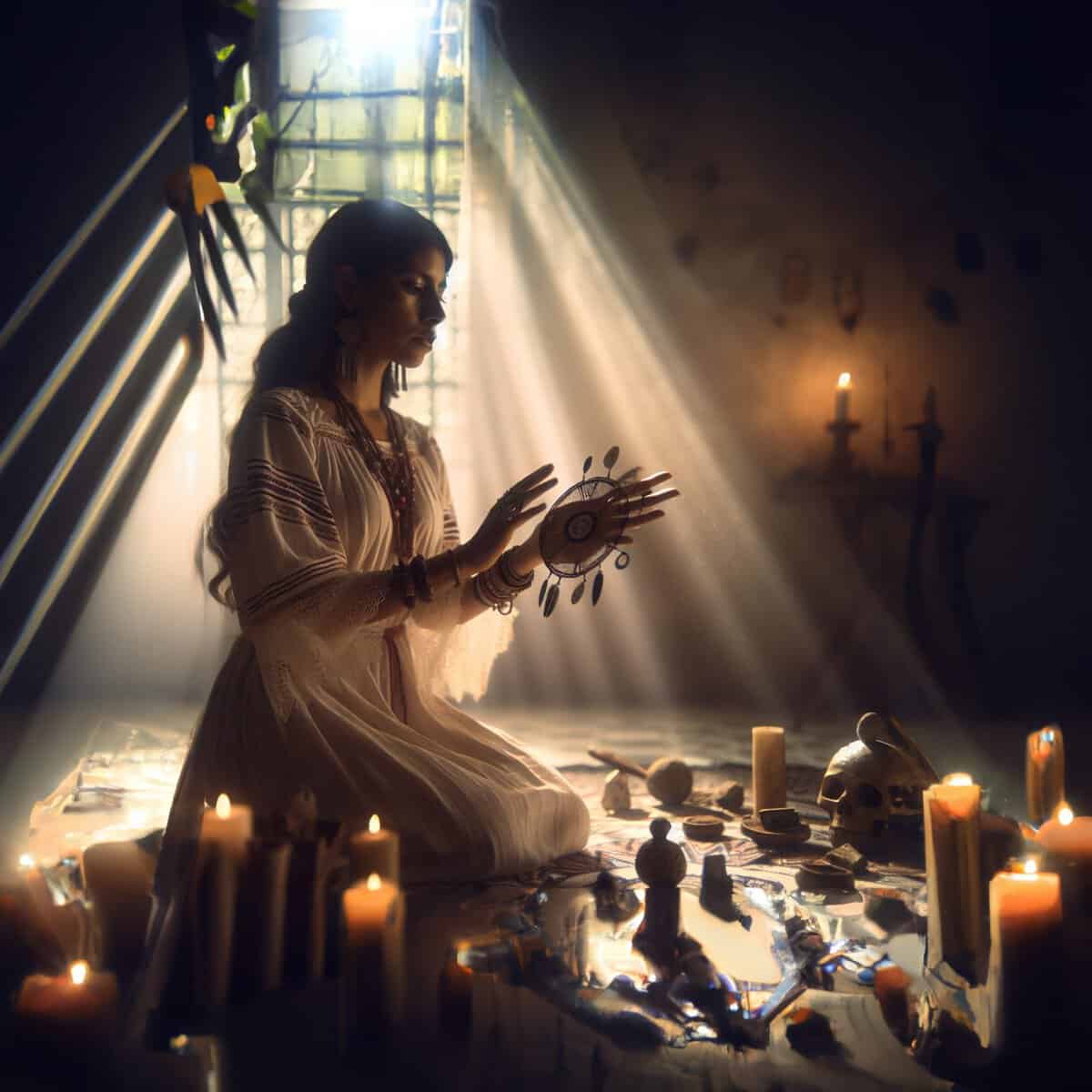
Some myths suggest that Voodoo is a hidden or forbidden practice. However, it is a recognized and openly practiced religion in many parts of the world.
Communities in Haiti, the United States, and West Africa openly celebrate rituals, ceremonies, and festivals.
Voodoo is not something practiced in secrecy out of shame, but rather a cultural and spiritual tradition practiced with pride.
Misconceptions about secrecy often come from historical prejudice and misunderstanding, as well as outsider fear and misinformation passed through generations.
8. Voodoo Is Not Based on Fear Alone
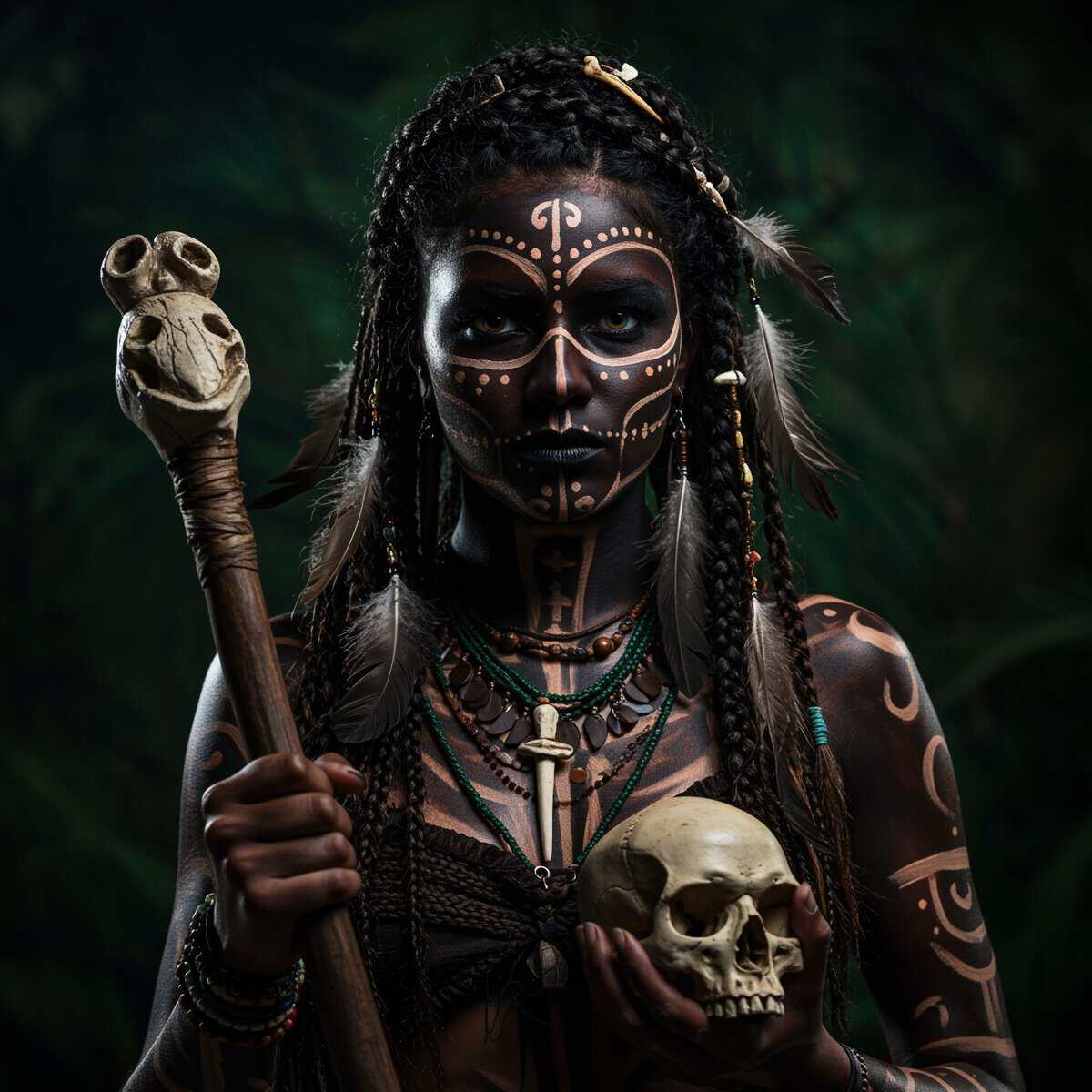
Many fictional stories present Voodoo as a religion built only on fear and curses. In truth, fear is not the foundation of its beliefs or practices.
It is based on respect for spiritual forces, community connection, and healing energy.
Practices often involve music, rhythm, prayer, and celebration rather than fear or intimidation.
The idea that Voodoo is fear-based is a stereotype that ignores its rich cultural, emotional, and spiritual meaning, which continues to support communities and personal identity.
9. Voodoo Does Not Reject Modern Life
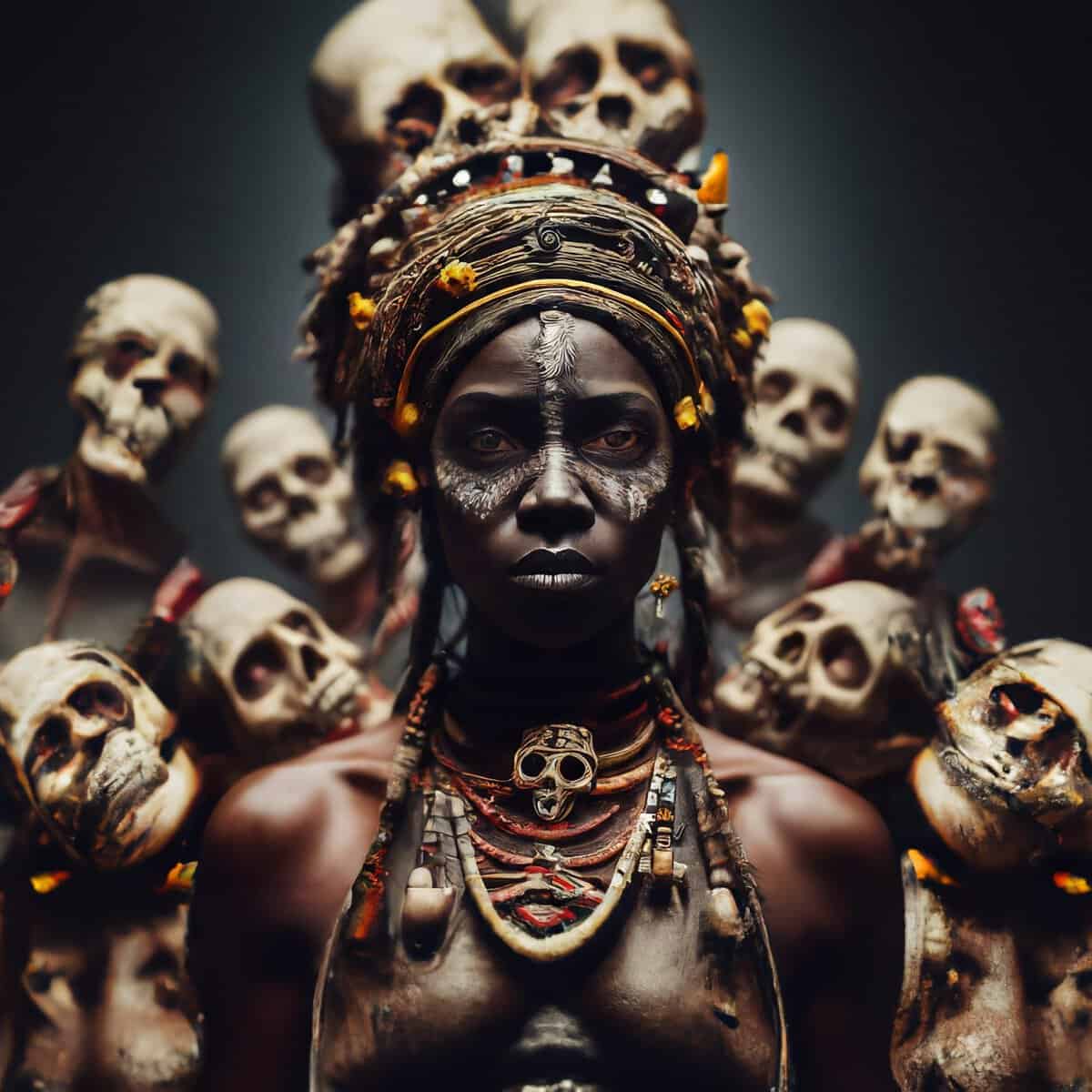
Another myth is that Voodoo belongs only to the past or rural traditions. But it continues to exist in modern cities and global communities.
Practitioners live normal lives, use modern technology, and participate in everyday society while maintaining their spiritual traditions.
Voodoo has adapted over time while keeping its core beliefs alive.
This shows that it is not an outdated system but a living tradition that continues to evolve in modern environments, blending heritage with contemporary life across many countries.
10. Voodoo Is Not What Movies Show
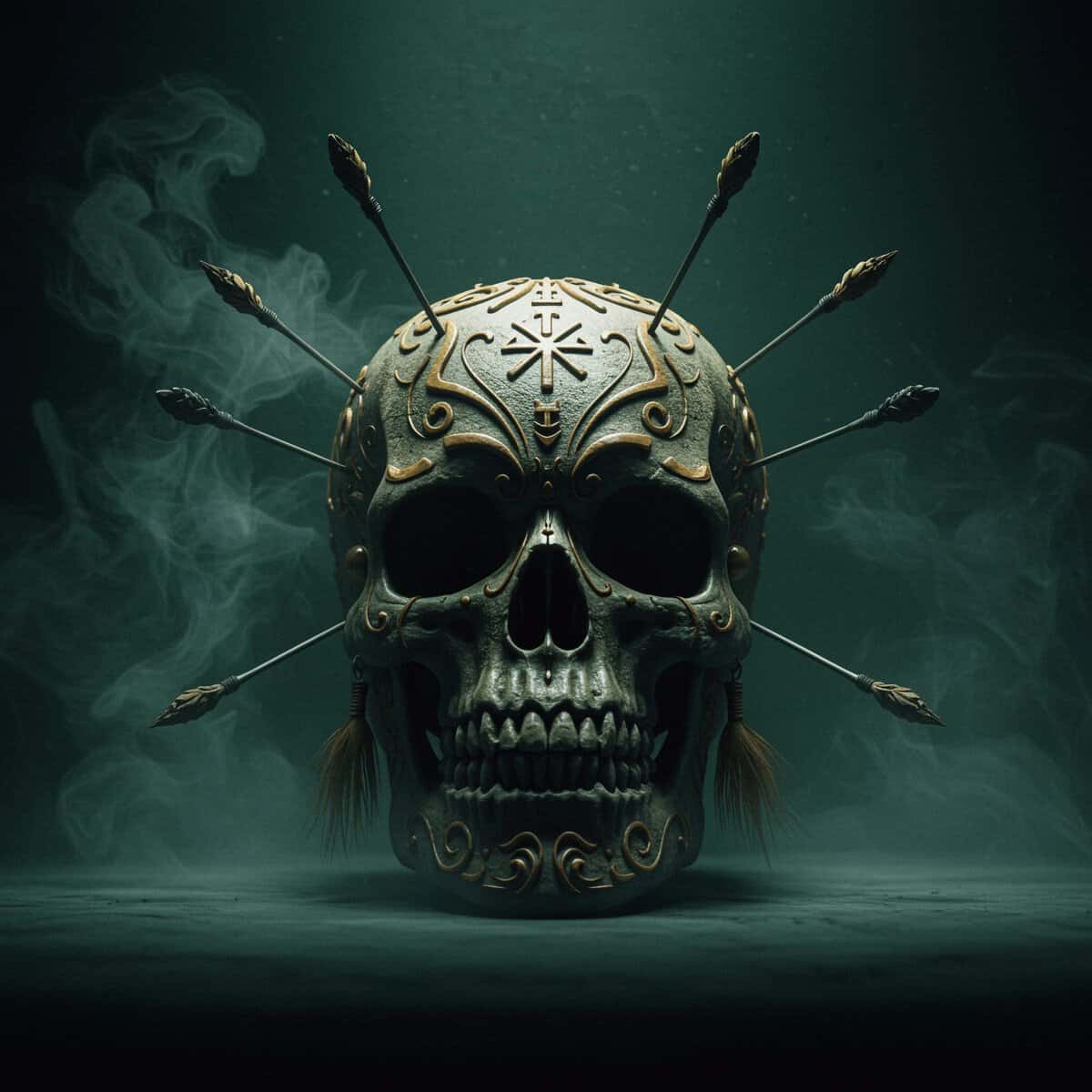
Perhaps the biggest misconception is that Hollywood accurately represents Voodoo.
The truth is, films often exaggerate or completely distort their practices for entertainment.
These portrayals usually focus on curses, dolls, and fear while ignoring healing, community, and spiritual balance.
Voodoo is far more complex, peaceful, and culturally rich than most fictional versions suggest.
Understanding this difference helps separate myth from reality and shows the importance of respecting spiritual traditions.
We shouldn’t be reducing them to stereotypes, especially when the media continues to misrepresent them globally.

Siempre sentí una fuerte conexión con lo Divino desde mi nacimiento. Como autora y mentora, mi misión es ayudar a los demás a encontrar el amor, la felicidad y la fuerza interior en los momentos más oscuros.