
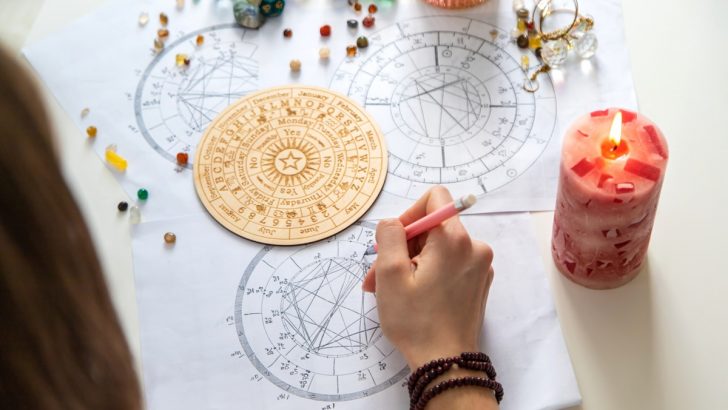
The first time you look at a birth chart, it can feel less like a tool for self-discovery and more like something stolen from an ancient wizard’s desk. There are circles, symbols, lines, numbers, houses, planets, and enough strange markings to convince you that you’ve accidentally opened a portal instead of an astrology app.
The good news? Reading a birth chart is much easier than it looks. Once you understand the basics, the chart starts to tell a fascinating story about personality, strengths, challenges, relationships, motivations, and life themes. Think of it as your cosmic instruction manual—except the instructions are written in symbols and occasionally seem to suggest that your tendency to overthink everything is somehow Mercury’s fault.
If you’ve ever wondered how astrologers make sense of all those mysterious symbols, here’s a beginner-friendly guide to reading a birth chart.
1. Start With the “Big Three”
If birth charts were movies, your Sun, Moon, and Rising signs would be the lead actors.
Most people know their Sun sign because it’s the sign associated with their birthday. It represents your core identity, ego, and overall sense of self. It’s the version of you that develops over time and often feels most authentic.
Your Moon sign represents your emotions, instincts, and inner world. It’s how you process feelings, seek comfort, and react when life becomes stressful. Think of it as the person you are when nobody’s watching.
Your Rising sign (also called the Ascendant) reflects first impressions, appearance, and how you interact with the outside world. It’s the mask you wear—not in a fake sense, but as your natural social interface.
Many people discover their Moon or Rising sign and immediately think, “Oh, that’s why people see me differently than I see myself.” Congratulations. You’ve officially entered the astrology rabbit hole.
2. Learn What the Planets Represent
In astrology, planets are the “what” of the story. They represent different parts of your personality and life experience.
The Sun symbolizes identity and purpose. The Moon governs emotions. Mercury rules communication and thinking. Venus influences love and relationships. Mars represents action, ambition, and drive.
Then you have Jupiter, the planet of growth and opportunity. Saturn brings lessons, discipline, and responsibility. Uranus encourages change and rebellion. Neptune inspires dreams and imagination. Pluto focuses on transformation and power.
Think of the planets as characters in a reality TV show. Each one has a distinct personality, agenda, and tendency to create drama.
When astrologers examine a chart, they’re looking at how these planetary “characters” interact. Sometimes they’re cooperating beautifully. Other times they’re behaving like coworkers trapped in a mandatory team-building retreat.
Understanding the planets is one of the most important steps toward understanding your chart.
3. Understand the Zodiac Signs

If planets are the “what,” zodiac signs are the “how.”
A planet’s sign describes the style in which that planet expresses itself. For example, Mercury governs communication. Mercury in Gemini may communicate quickly, curiously, and constantly. Mercury in Capricorn may communicate more carefully and strategically.
Imagine each planet as a driver and each zodiac sign as the vehicle.
Venus driving a sports car is different from Venus driving a pickup truck. Both are still Venus, but the expression changes dramatically.
This is why two people with the same Sun sign can seem completely different. Their other planetary placements may create an entirely unique combination of energies.
The zodiac signs add flavor, personality, and nuance to the chart. They’re the reason astrology feels much more detailed than simply reading a generic horoscope.
4. The Houses Tell You Where Things Happen

Houses are often the part of astrology that makes beginners stare blankly at the chart and wonder if they should take up a simpler hobby.
Fortunately, the concept is straightforward.
The houses represent different areas of life. The First House relates to identity. The Second House covers money and values. The Third House focuses on communication. The Fourth House relates to home and family.
The pattern continues through all twelve houses, covering topics like romance, work, partnerships, transformation, travel, career, friendships, and spirituality.
Here’s the easiest way to remember them:
Planets are the actors.
Signs are the costumes.
Houses are the stages where the action takes place.
For example, Venus in the Tenth House may express itself through career and public image, while Venus in the Fourth House may focus more on home and family life.
Once you understand the houses, your chart begins feeling much more organized and less like a cosmic scavenger hunt.
5. Look for Planetary Clusters

One of the easiest ways to identify important themes in a birth chart is to look for concentrations of planets.
Do you have several planets in one sign? That’s called a stellium, and it often indicates a dominant personality theme.
For example, someone with multiple planets in Scorpio may embody intense, passionate, and transformative qualities throughout many areas of life. Someone with several planets in Aquarius may strongly identify with innovation, independence, and unconventional thinking.
The same principle applies to houses. If several planets occupy one house, that area of life may receive extra attention.
These clusters act like giant neon signs saying, “Pay attention to this section!”
Even astrologers often begin chart analysis by noticing where the strongest concentrations appear because they reveal major themes almost immediately.
6. Pay Attention to Aspects
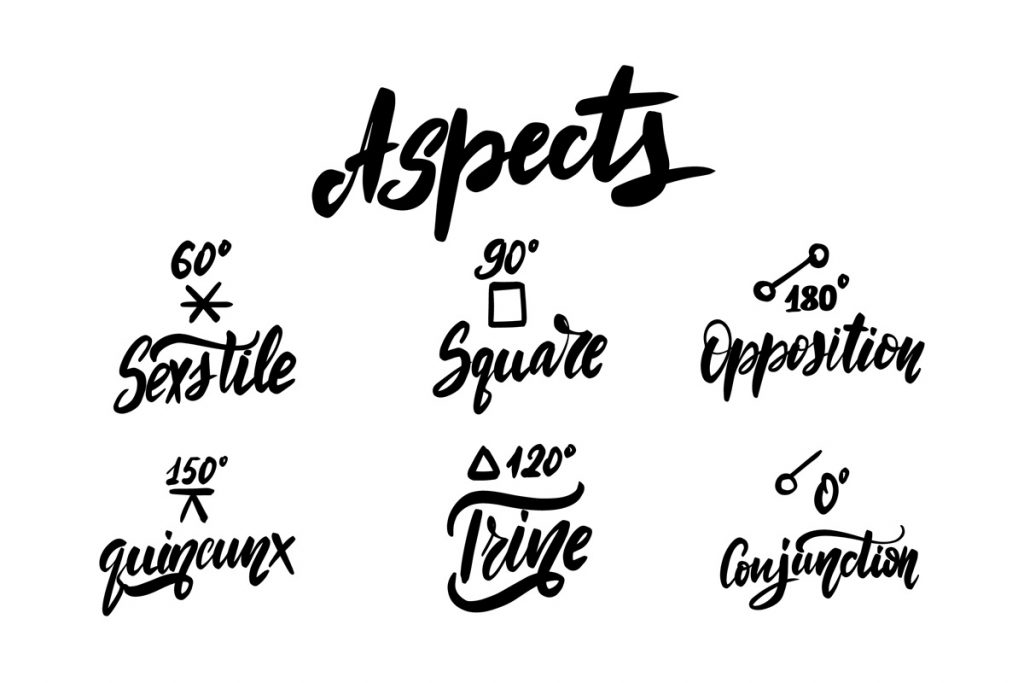
Aspects are the lines connecting planets inside the chart. They’re essentially conversations between planetary energies.
Some aspects are harmonious and supportive. Others create tension and challenges. Neither is inherently good or bad.
A challenging aspect might create obstacles, but it can also encourage growth, resilience, and achievement. Meanwhile, an easy aspect may create natural talents and strengths.
Think of aspects like relationships between coworkers.
Some coworkers collaborate effortlessly.
Others constantly disagree.
Both situations influence how the workplace functions.
When astrologers analyze aspects, they’re studying how different parts of your personality interact. Does your emotional nature cooperate with your ambitions? Does your communication style support your relationships?
These interactions add enormous depth to chart interpretation and help explain why people can be wonderfully complicated.
7. Remember That the Chart Is a Whole System

One of the biggest mistakes beginners make is focusing on individual placements without considering the bigger picture.
Reading a birth chart is a bit like baking a cake. You can’t judge the final product based solely on the flour or the eggs. It’s the combination that matters.
Someone with a fiery Aries Sun may seem bold and impulsive. But if they also have a cautious Capricorn Moon and a practical Virgo Rising, the overall personality becomes far more nuanced.
Every placement influences every other placement.
This is why astrology enthusiasts can spend years studying charts and still discover new insights. The chart functions as an interconnected system rather than a collection of isolated traits.
The goal isn’t to memorize every symbol overnight. It’s to gradually learn how the pieces fit together.
8. Don’t Panic If Your Chart Looks Complicated
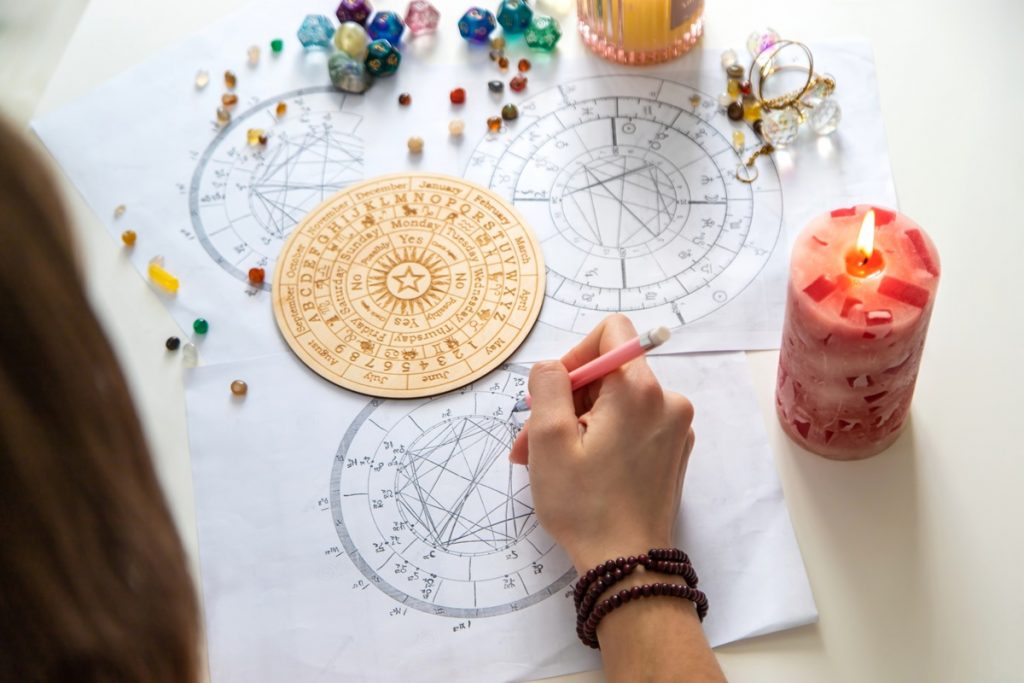
Every beginner eventually reaches a point where they stare at their birth chart and think, “I have absolutely no idea what any of this means.”
This is normal.
Even experienced astrologers continue learning throughout their lives. Birth charts contain layers of symbolism that can be explored for years.
The best approach is to start small. Learn your Big Three. Understand your personal planets. Explore your houses. Then gradually dive into aspects, transits, and more advanced techniques.
The chart isn’t a test you need to pass. It’s a tool for exploration.
And honestly, half the fun is discovering that the reason you’ve spent three hours researching a minor topic at midnight might somehow be connected to a particular planetary placement.
Maybe.
According to astrology, at least.
9. Final Thoughts

Reading a birth chart may seem intimidating at first, but it’s really just a symbolic language. The planets represent different parts of your personality, the signs describe how those energies operate, and the houses reveal where they tend to show up in life.
The more you learn, the more the chart begins to feel like a fascinating map of strengths, challenges, habits, and potential.
And before long, you’ll find yourself saying things like, “Of course my Mars is doing that,” while everyone around you slowly backs away from the conversation.
Welcome to astrology. It only gets more interesting from here.

Lover of good music, reading, astrology and making memories with friends and spreading positive vibes! 🎶✨I aim to inspire others to find meaning and purpose through a deeper understanding of the universe’s energies.