
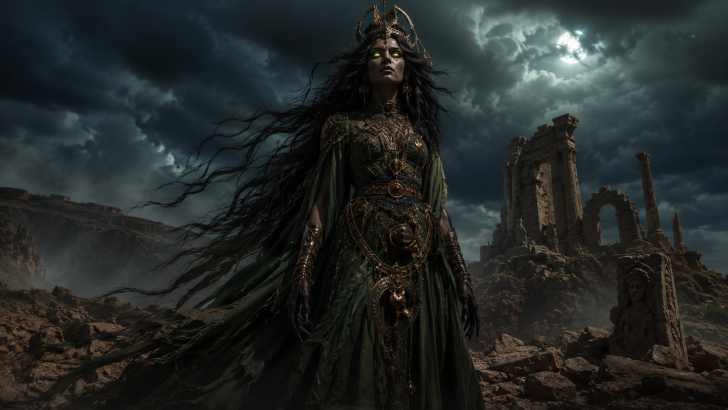
Long before vampires, witches, and modern horror villains filled books and movies, the people of ancient Mesopotamia feared supernatural beings that they believed could affect everyday life.
Among the most feared of all was Lamashtu, a mysterious demoness whose name appears in some of the oldest written records in human history.
Unlike many demons who worked under the command of greater gods, Lamashtu was often described as acting on her own.
Ancient people blamed her for illness, nightmares, and dangers that seemed impossible to explain.
Her legends spread across Mesopotamia for centuries and became part of the beliefs of several civilizations, including the Assyrians and Babylonians.
Here are ten fascinating facts about Lamashtu.
1. Lamashtu Was One of Mesopotamia’s Most Feared Demons
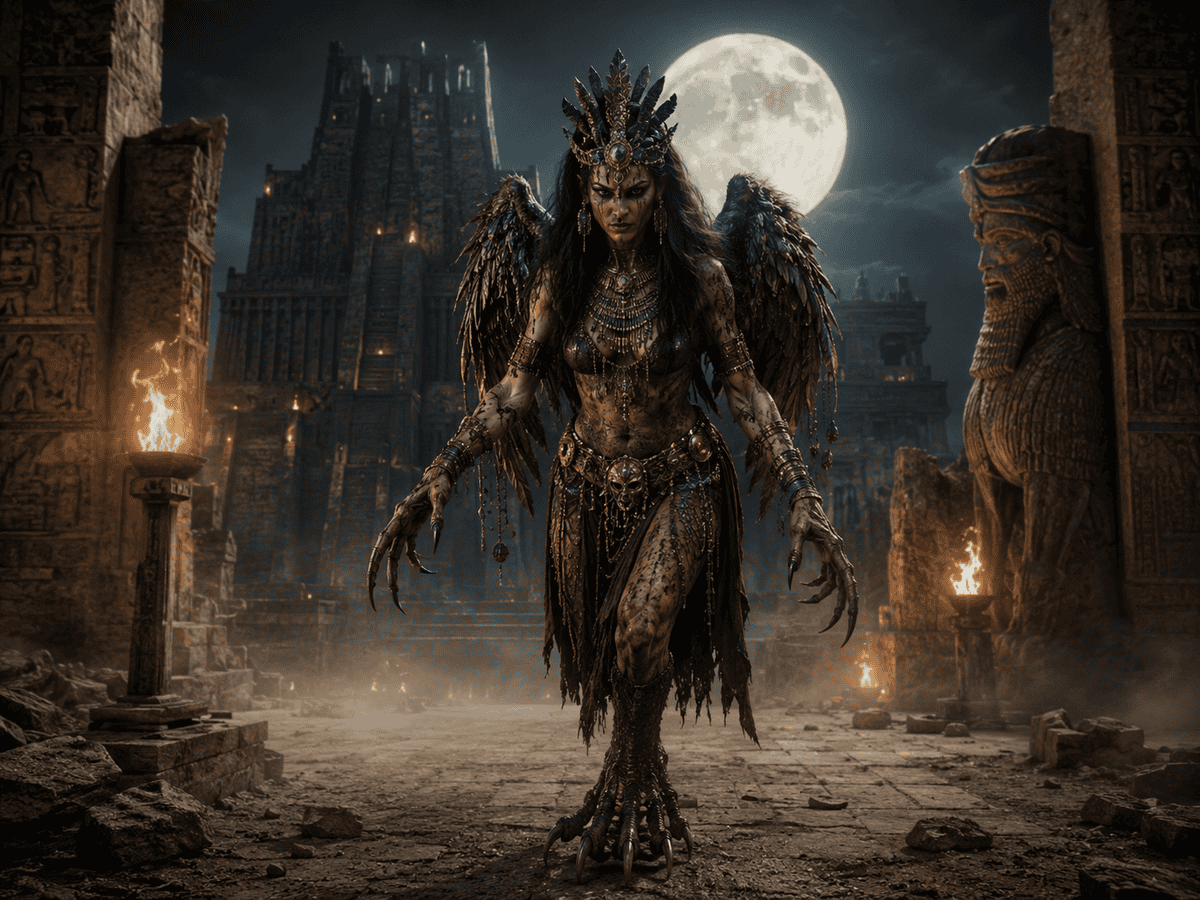
Ancient Mesopotamia had many spirits, monsters, and supernatural beings, but few inspired as much fear as Lamashtu.
Her name appears in texts dating back thousands of years, making her one of the oldest demon figures known to history.
Unlike local spirits that belonged to one city or region, stories about Lamashtu spread widely throughout Mesopotamia.
People believed she could travel freely and appear wherever she wished. This reputation made her especially frightening.
It meant that there was no single place where people felt completely safe from her influence.
Even centuries later, scribes were still recording rituals and prayers intended to protect families from her presence.
2. She Was Believed to Act Independently
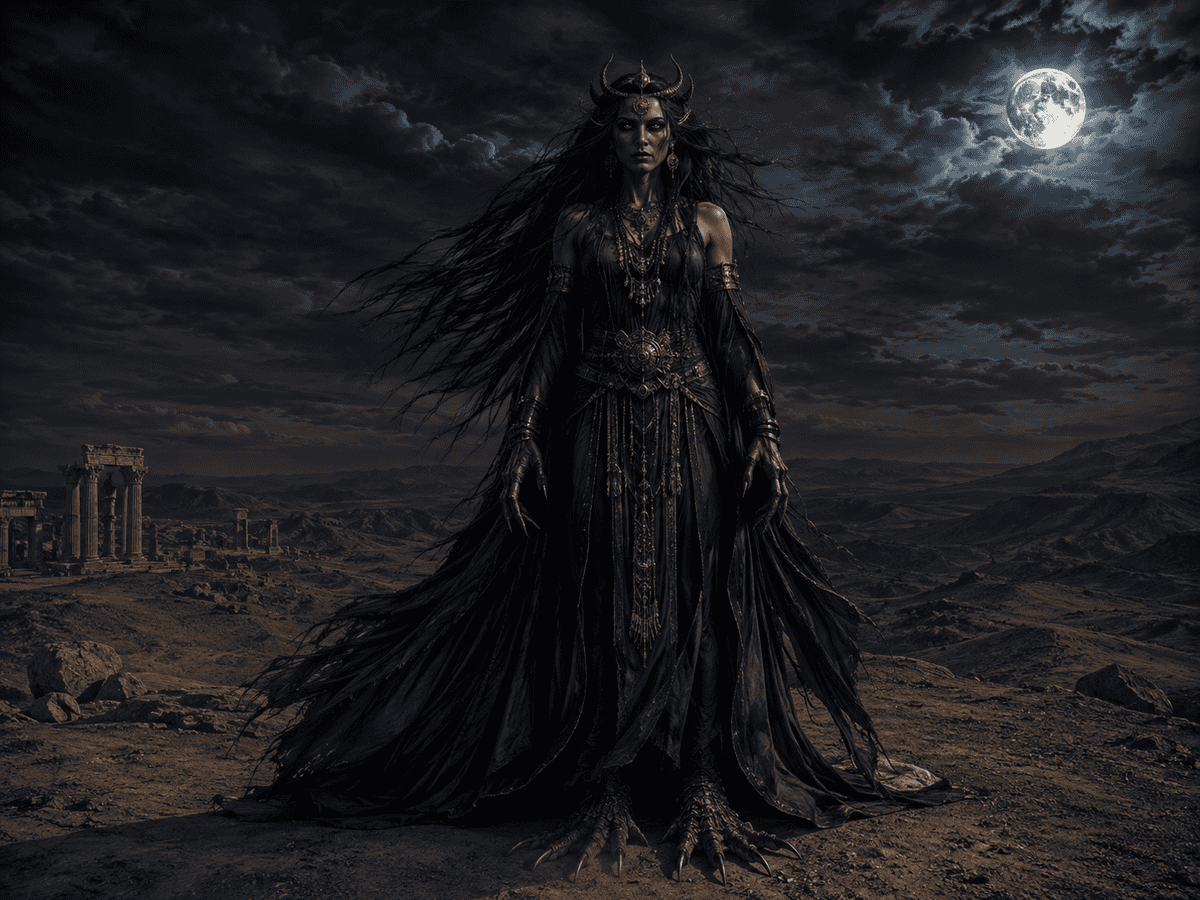
Many ancient demons were thought to serve gods or carry out divine punishments.
Lamashtu was unusual because she was often portrayed as acting according to her own desires rather than following orders from higher powers.
This independence made her stand out from many other supernatural beings in Mesopotamian belief.
Ancient people feared unpredictable dangers far more than dangers they believed followed rules.
Because Lamashtu acted on her own, it became difficult to know when or why she might strike.
This uncertainty contributed greatly to her terrifying reputation and helped make her one of the most feared figures in Mesopotamian folklore.
3. She Was Often Associated With Childbirth
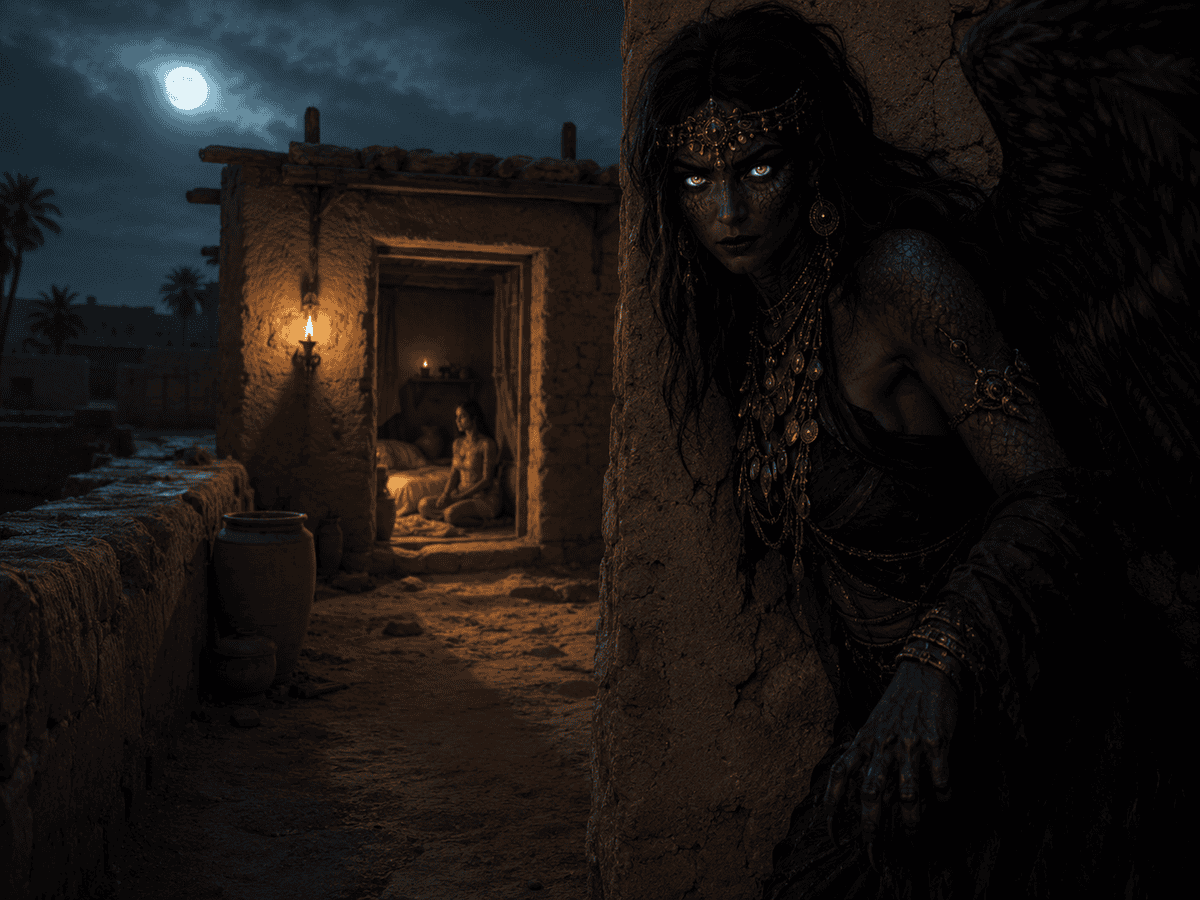
One of the most important parts of Lamashtu’s legend involved childbirth and infancy. In the ancient world, childbirth was far more dangerous than it is today.
Without modern medicine, many mothers and babies faced serious risks during pregnancy and birth.
When tragedy struck, communities often searched for explanations. Lamashtu became one of the supernatural figures blamed for these heartbreaking events.
Her stories reflected the fears and uncertainty that surrounded childbirth in ancient societies where even simple complications could quickly become life-threatening.
For historians, these legends reveal how people tried to understand experiences that medicine could not yet explain.
4. Ancient People Used Protective Amulets Against Her
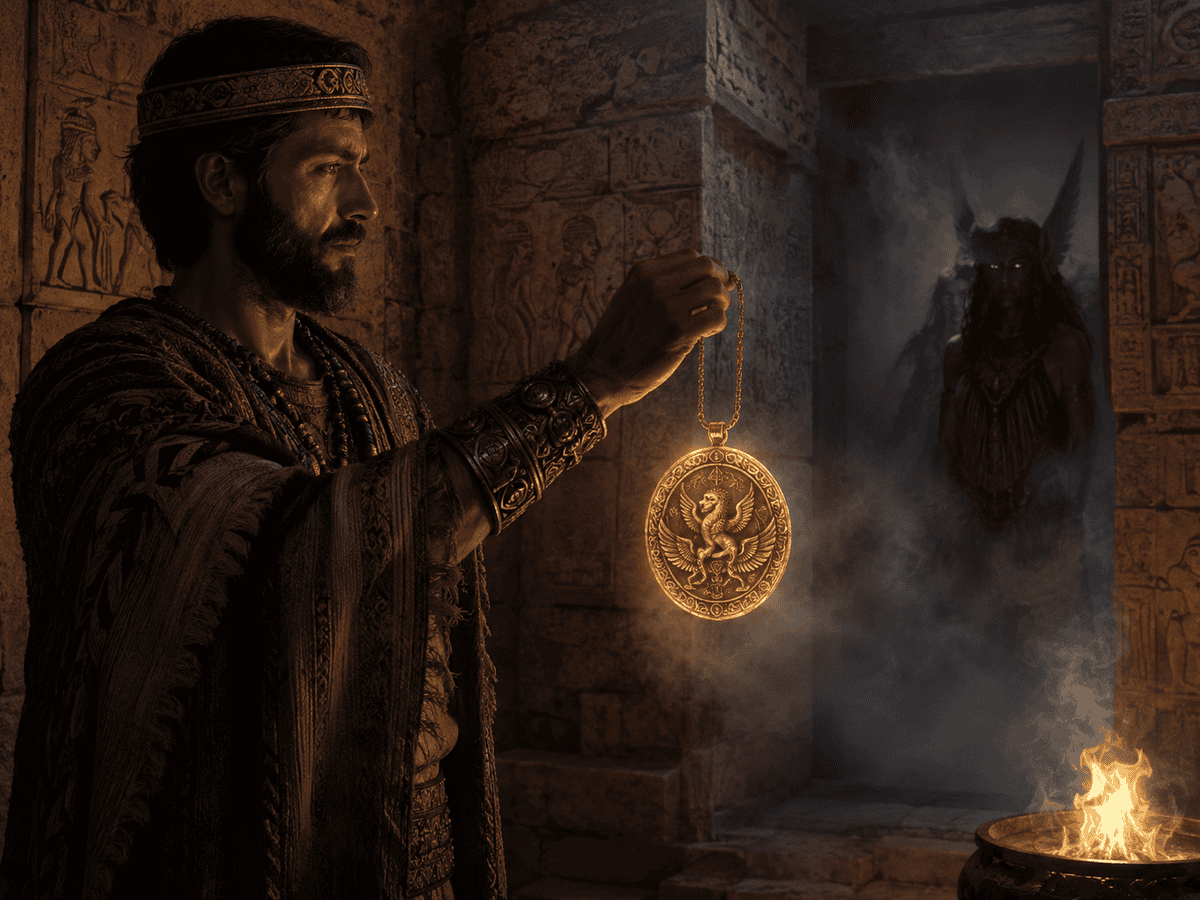
Because people feared Lamashtu so deeply, they developed many ways to protect themselves. Protective amulets became especially popular throughout Mesopotamia.
These objects often included prayers, magical symbols, or images of protective gods intended to keep harmful spirits away.
Some families placed them inside homes, while others carried them during travel or important life events.
The existence of these amulets shows just how seriously people took supernatural dangers.
They also demonstrate humanity’s long history of creating protective objects during times of uncertainty and fear.
5. Pazuzu Was Sometimes Invoked Against Her
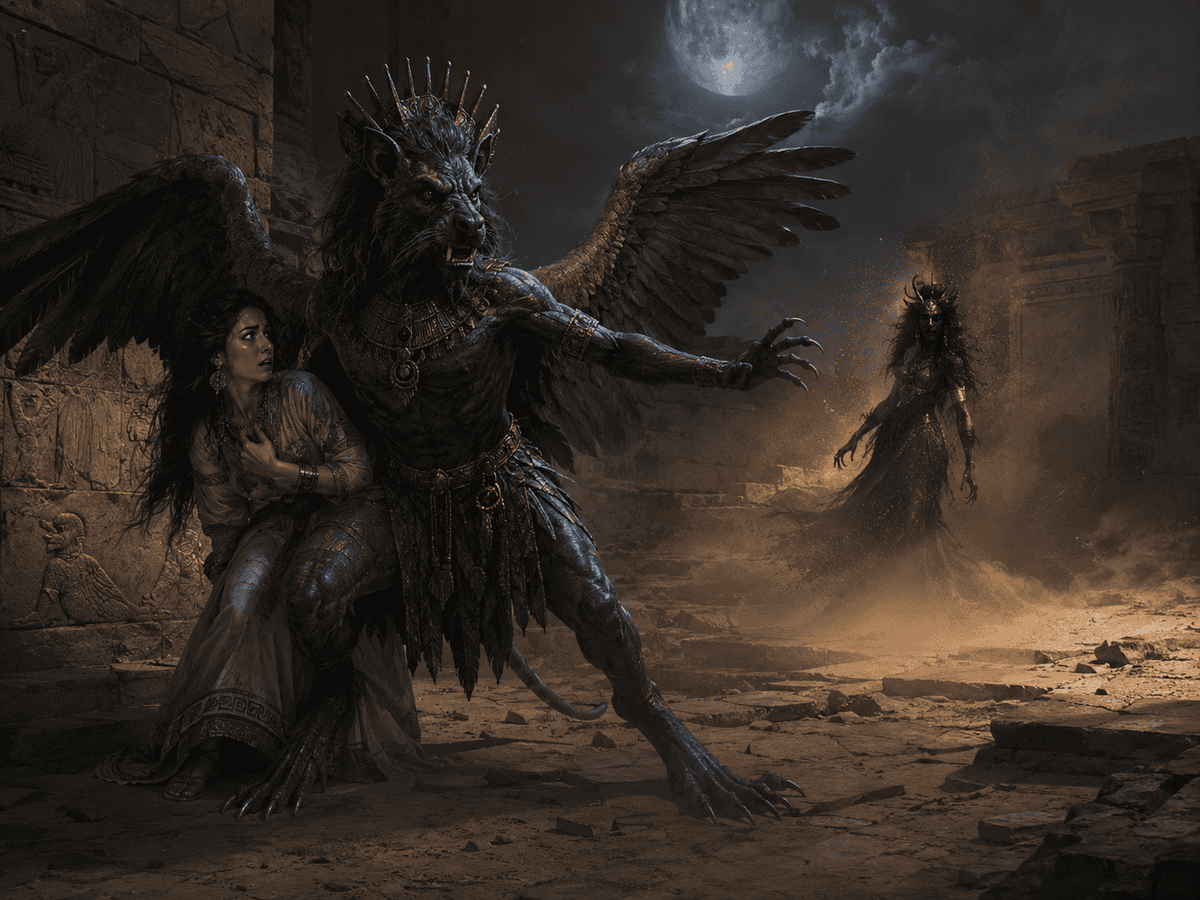
One of the most surprising details about Lamashtu involves another famous demon named Pazuzu.
Although Pazuzu could be frightening in his own right, ancient people sometimes called upon him for protection against Lamashtu.
This may sound strange to modern readers, but ancient mythology often included supernatural beings who fought against one another.
In this case, Pazuzu was believed to possess the power to drive her away. Images of him sometimes appeared on protective charms and household objects.
The idea of using one feared spirit to defend against another shows just how complex Mesopotamian beliefs about the supernatural could become.
6. Her Appearance Was Meant to Inspire Fear
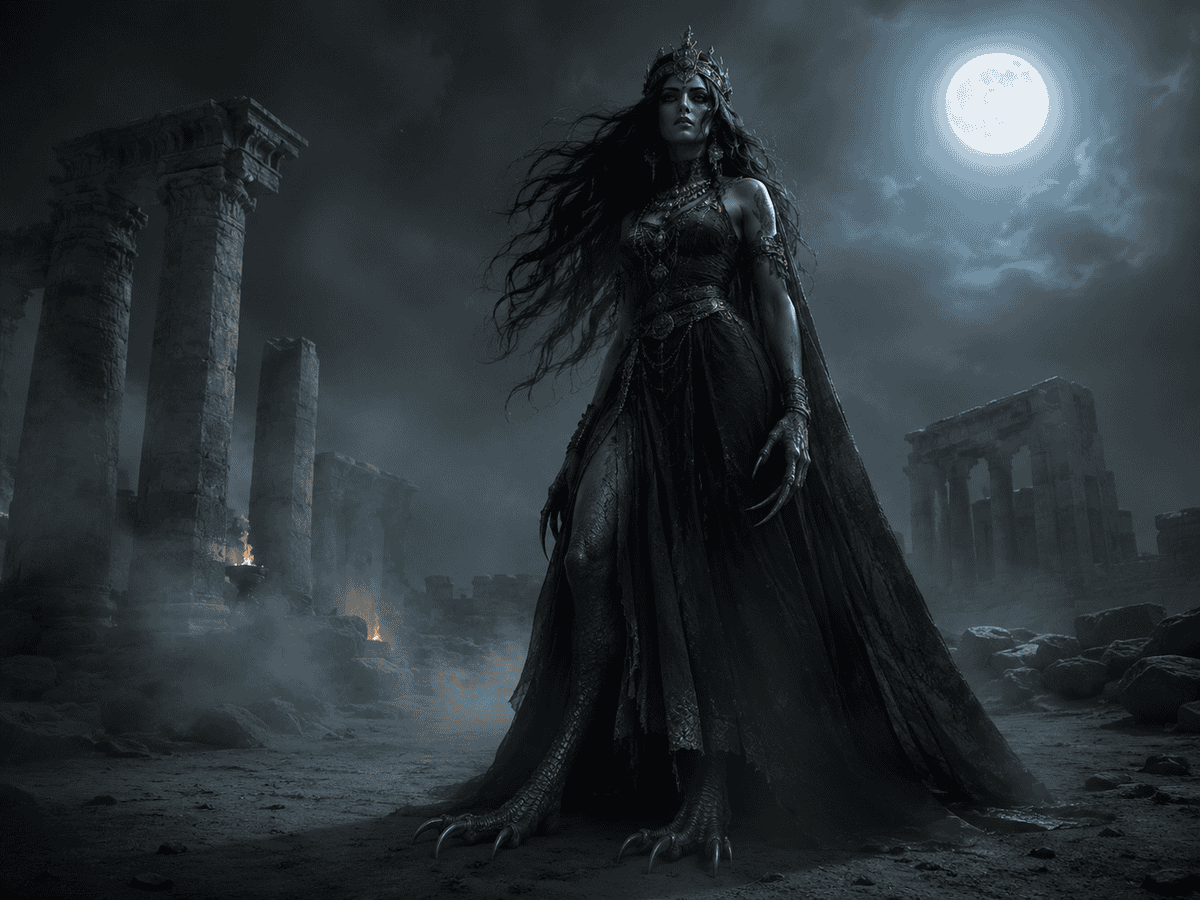
Ancient descriptions of Lamashtu often combined features from several different animals and creatures.
Some texts describe birdlike feet, sharp teeth, claws, and other frightening characteristics. These details were not meant to create realism.
Instead, they emphasized that she belonged to the supernatural world rather than the human one.
Many ancient cultures gave monsters mixed features because combining familiar animals created something that felt unnatural and unsettling.
Her appearance reflected the fears and anxieties she represented in the minds of those who told her stories.
7. Her Stories Survived Across Multiple Civilizations
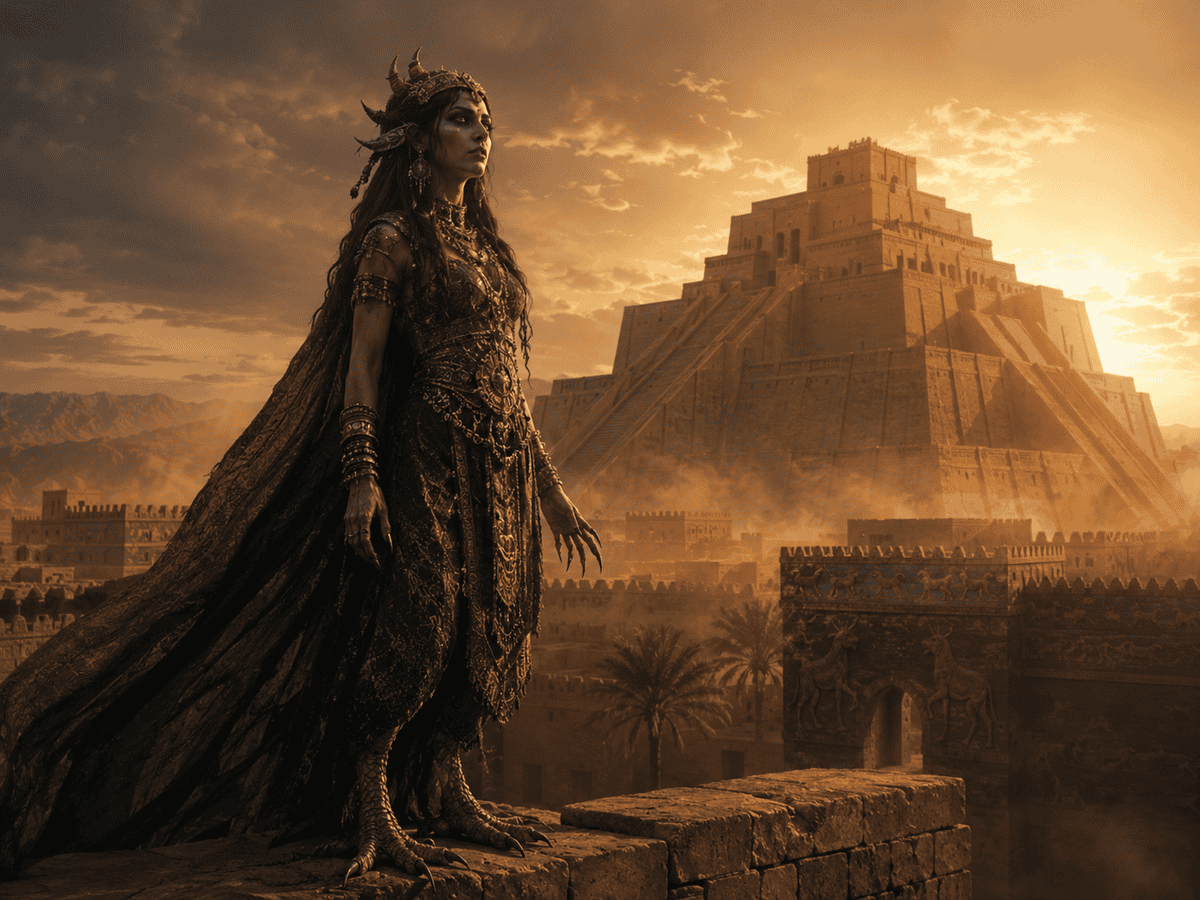
Mesopotamia was home to many civilizations over thousands of years. Despite these changes, stories about Lamashtu continued to survive.
The Sumerians, Akkadians, Assyrians, and Babylonians all contributed to the region’s mythology and religious traditions.
Different cultures sometimes altered details about her, but her reputation remained remarkably consistent.
This longevity demonstrates how powerful and memorable her legend became.
Very few supernatural figures remained important across so many centuries and political changes.
Her survival makes her one of the best-known demons of the ancient Near East.
8. She Appeared in Some of Humanity’s Oldest Written Texts

Unlike many legends that survived only through storytelling, Lamashtu appears in written records.
This makes her especially valuable to historians studying ancient religion and folklore.
Mesopotamia developed some of the world’s earliest writing systems, allowing stories and beliefs to be preserved on clay tablets.
Because of this, modern researchers can study the original words written by people who lived thousands of years ago.
Few mythological figures can claim such an ancient written history. Lamashtu’s story connects modern readers directly with some of humanity’s earliest civilizations.
9. Scholars Study Her as a Reflection of Ancient Fears
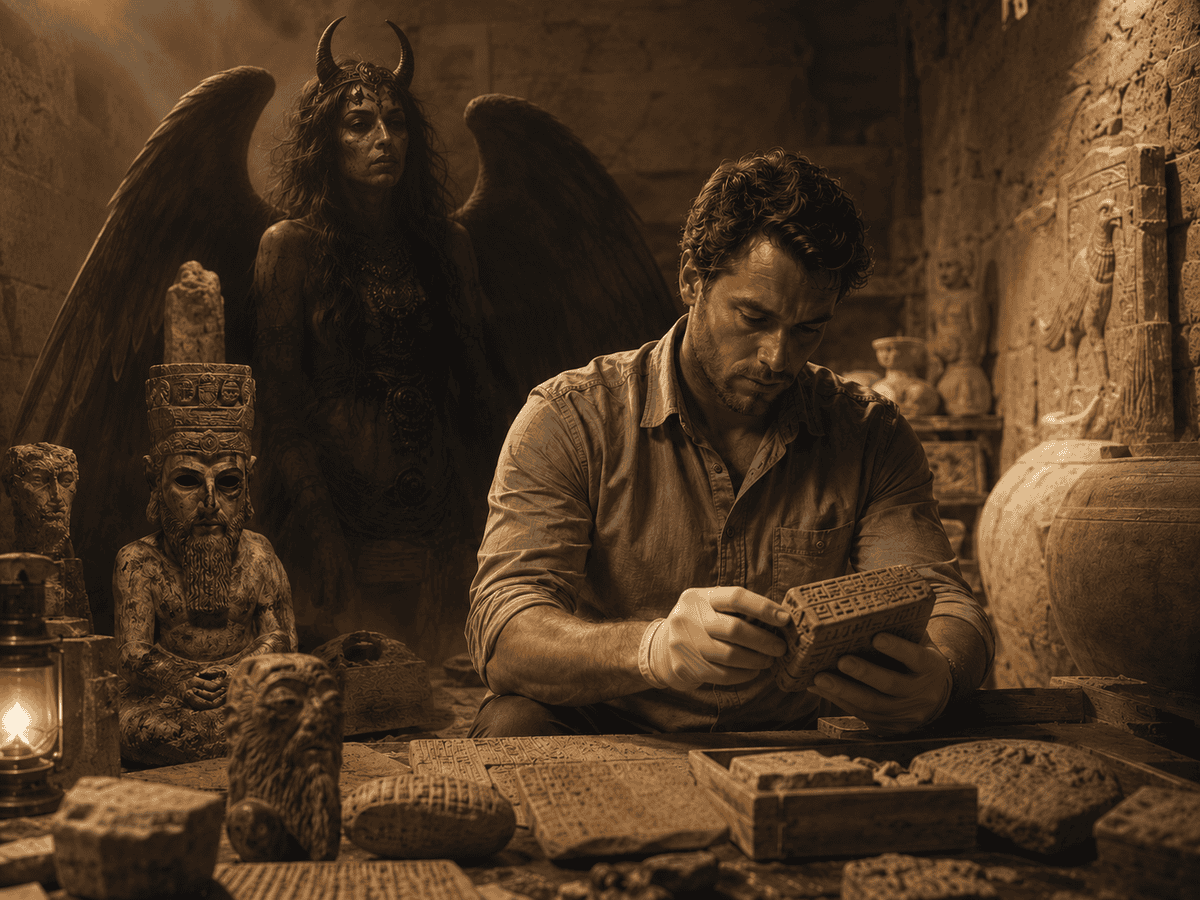
Modern historians do not study Lamashtu as a historical being. Instead, they examine what her stories reveal about the people who created them.
Many legends reflect fears that were common in everyday life. Lamashtu became one way of giving fears a face and a name.
Illness, infant mortality, pregnancy complications, and unexplained tragedies affected nearly every community in the ancient world.
Her mythology provides valuable insight into the concerns, beliefs, and emotional lives of people who lived thousands of years ago.
10. Lamashtu Remains One of the Most Famous Demonesses in History
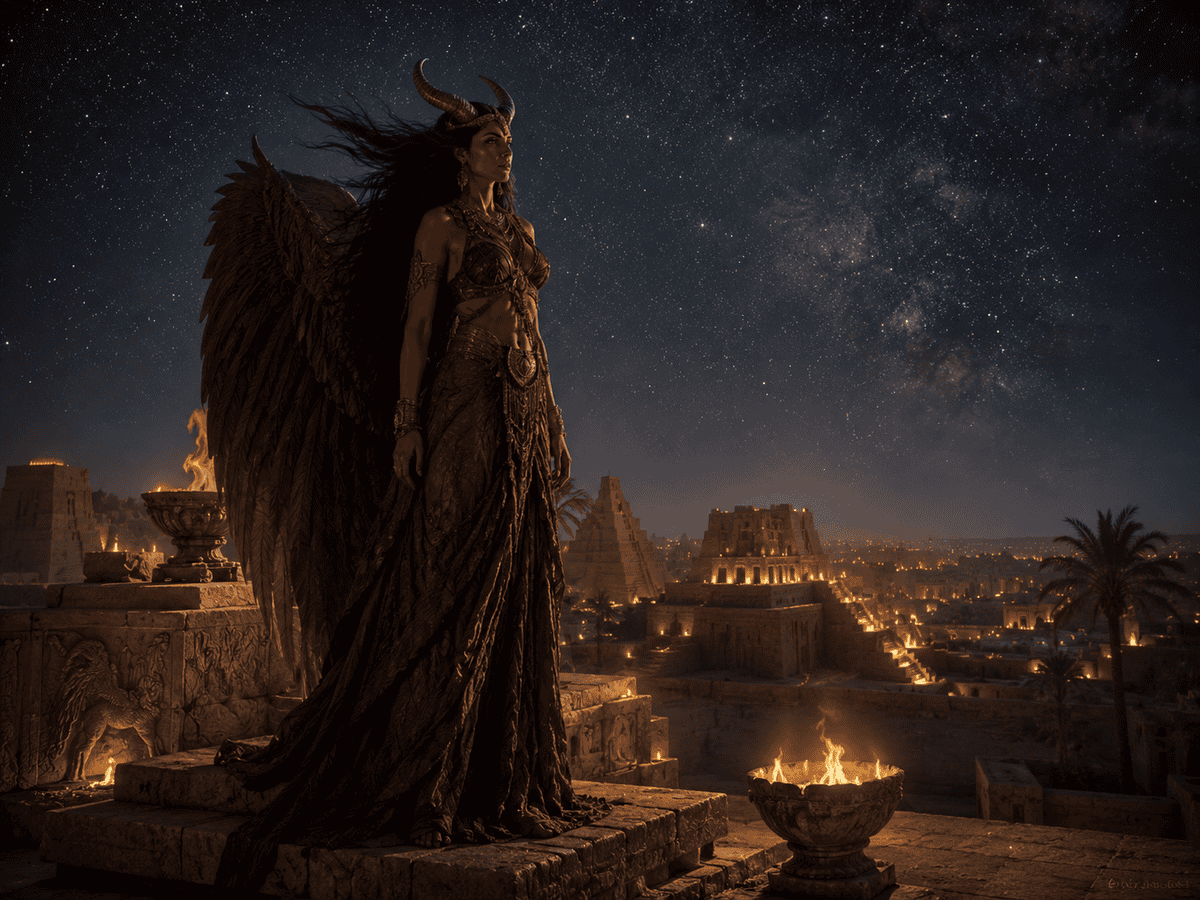
Thousands of years after her stories were first written down, Lamashtu continues to fascinate historians, mythology enthusiasts, and readers around the world.
She appears in documentaries, books, games, and modern retellings of ancient myths. Part of her lasting appeal comes from her incredible age.
Few supernatural figures can trace their origins back as far as she can. Her legend also offers a rare glimpse into the fears and imagination of some of the earliest urban civilizations in human history.
For anyone interested in mythology, Lamashtu remains one of the most important and unforgettable figures to emerge from the ancient world.

Siempre sentí una fuerte conexión con lo Divino desde mi nacimiento. Como autora y mentora, mi misión es ayudar a los demás a encontrar el amor, la felicidad y la fuerza interior en los momentos más oscuros.