
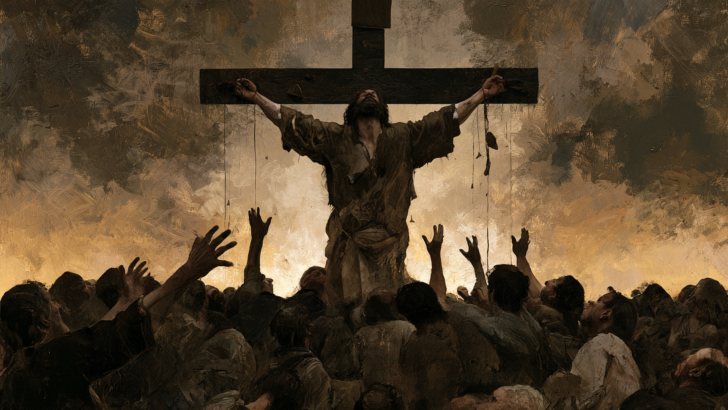
Almost two millennia have passed since the crucifixion of Jesus Christ, yet one astounding question is still sparking curiosity: can there be some traces of his blood somewhere in the world?
The Gospels describe Jesus suffering wounds in his dying hours. Various surviving relics have been associated with those events in Christian traditions. Some churches have kept strange fabrics, sacred utensils, and artifacts thought to have been touched by his blood.
Others speak of miracles that appear to defy normal understanding. But no presently available blood sample has been scientifically verified as Jesus’ blood.
The riddle hangs between faith, history, and the boundaries of scientific research. These ten possibilities are why the topic continues to captivate believers and researchers.
1. The Bloodstains on the Shroud of Turin
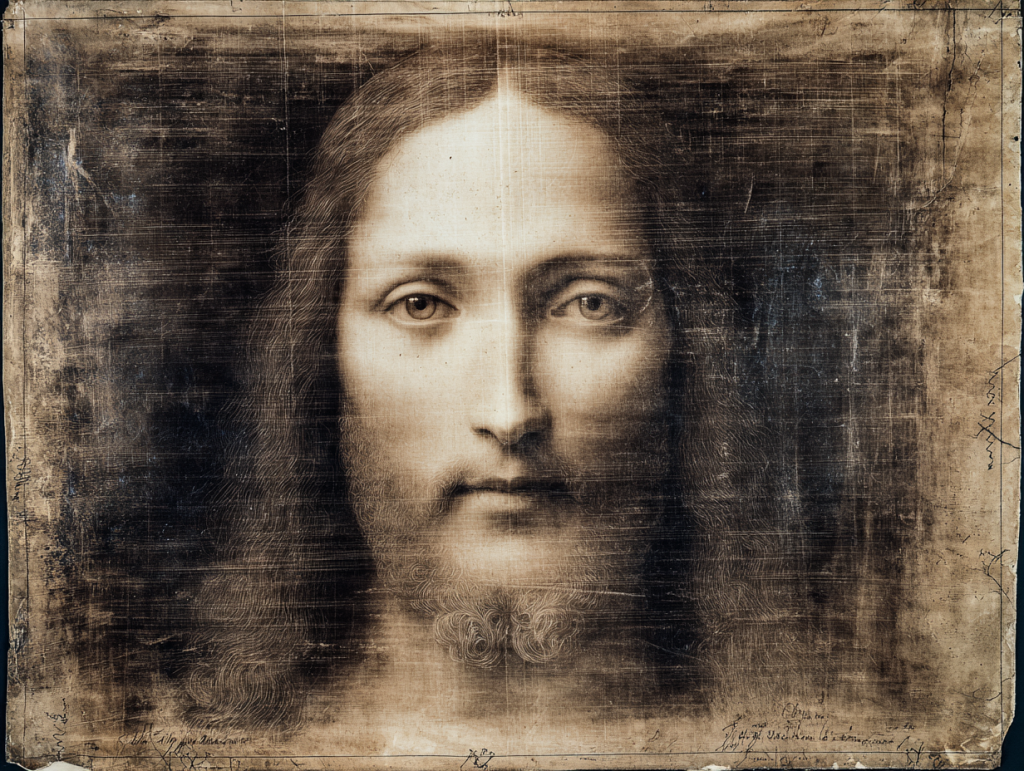
The Shroud of Turin is among the most mysterious of the relics linked with Jesus. The ancient-looking linen contains a faint image of a wounded man and reddish stains in places associated with crucifixion trauma.
Some believers think of it as the burial garment that covered Jesus after his death. And if that identification were right, the stains would be of great religious importance.
However, radiocarbon dating of the sampled cloth suggests a medieval date, and the source of its image is disputed. No scientific examination has shown the stains to be the blood of Jesus. But the shroud nevertheless stirs curiosity and devotion.
2. The Mysterious Cloth Preserved in Spain
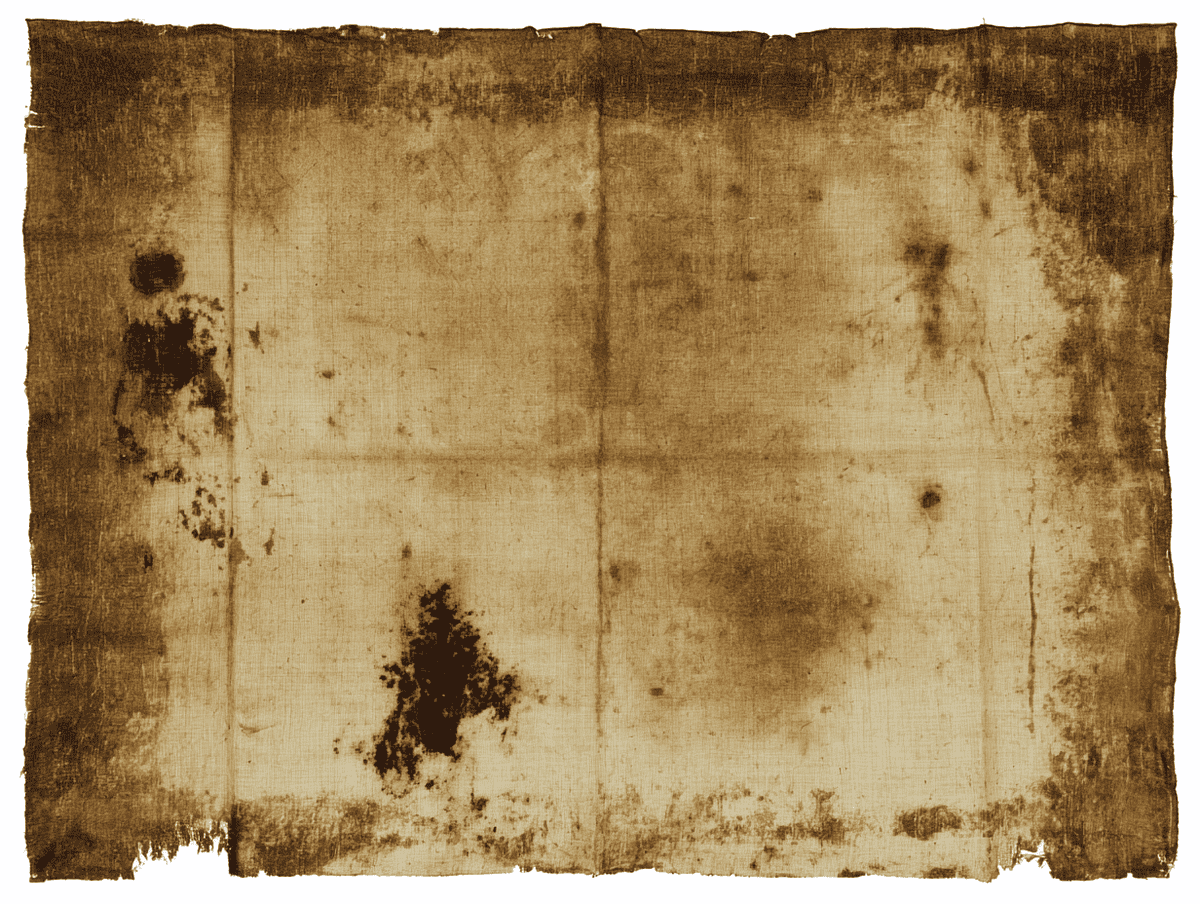
In the Cathedral of San Salvador, Oviedo, Spain, there has been maintained for centuries a small piece of cloth called a sudarium. It is associated in Christian tradition with the fabric recorded in the Gospel of John, which was found separate from Jesus’ burial clothes.
Some experts have looked for ties to ancient burial customs by examining stains on the fabric. It does not depict a recognizable human picture, as does the Shroud of Turin.
Some believers question if it may have traces from Jesus’ dying hours. However, its biblical burial association is unsubstantiated, and its initial origins are uncertain.
3. The Holy Blood Relic in Bruges
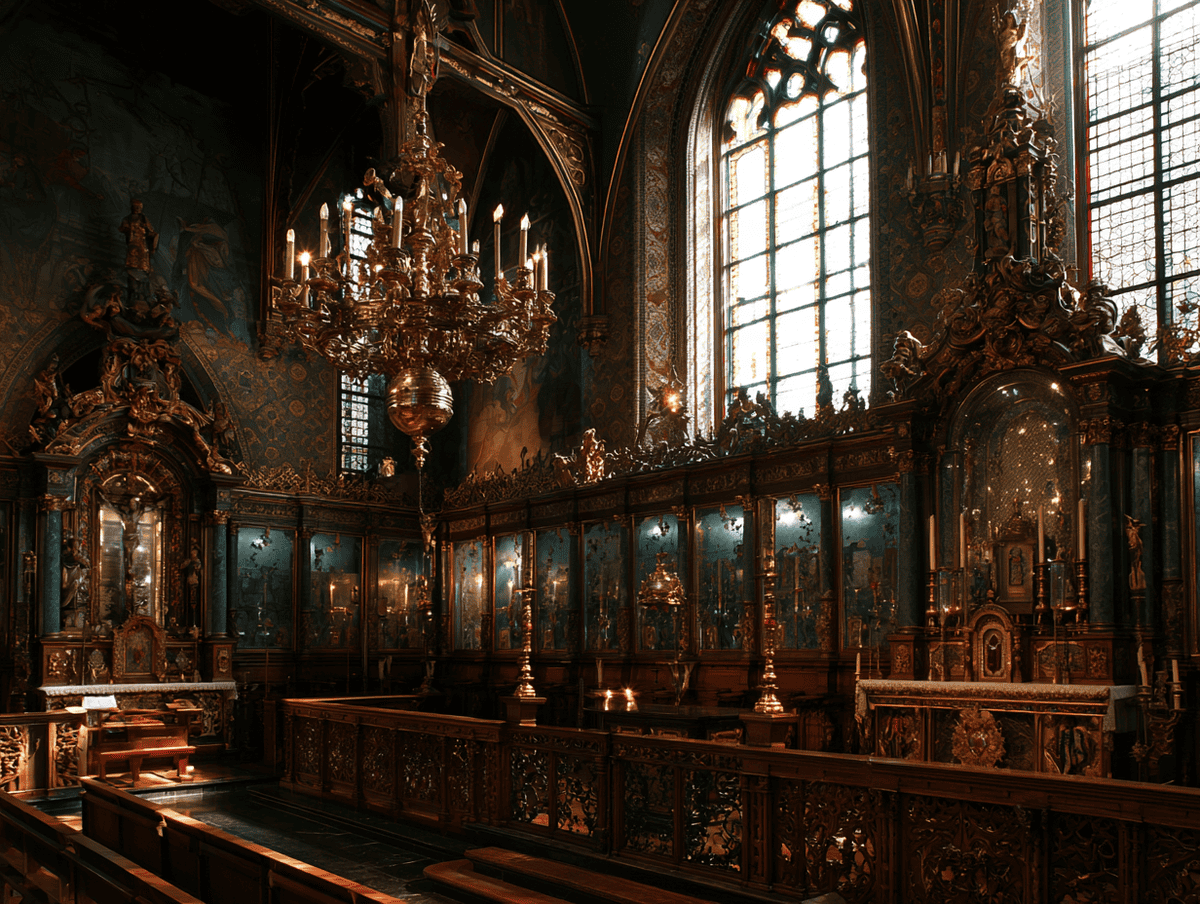
The Basilica of the Holy Blood in Bruges, Belgium, has a famous relic that is said to be the blood of Jesus. As medieval history has it, the relic was conveyed to the city from the Holy Land.
It is kept in a beautiful vase and is still a prominent focus of religious devotion. The city’s Holy Blood procession is held every year in honor of the sacred tradition surrounding it.
For believers, the relic is a concrete connection to Christ’s sacrifice. Historians, however, cannot prove that its contents were created at the time of the crucifixion. Its great reputation rests on centuries of religion and tradition.
4. The Legend of Joseph of Arimathea
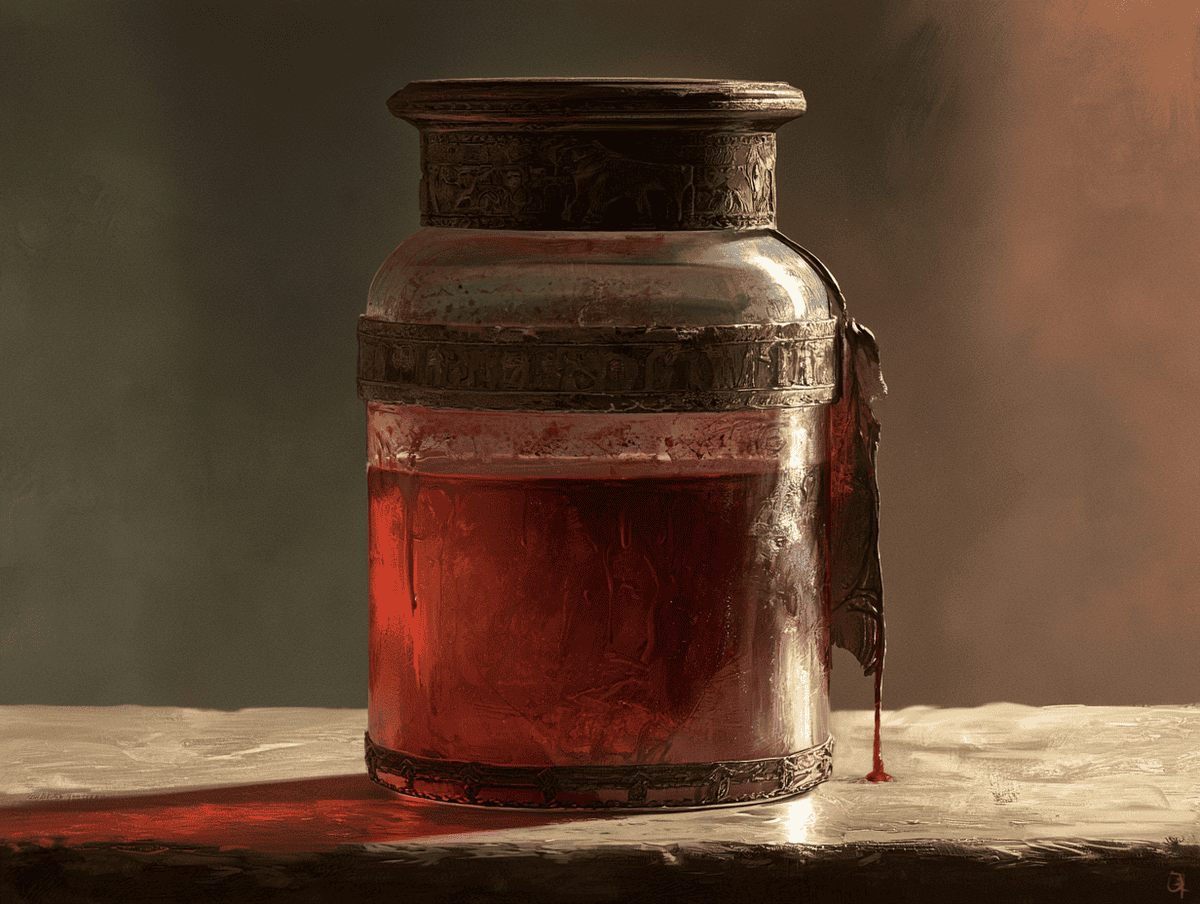
The Gospels mention Joseph of Arimathea as the man who planned for Jesus’ burial. Later traditions magnified his involvement enormously, with some accounts saying that he gathered Jesus’ blood in a sacred jar.
These stories were at last linked to the mystery of the Holy Grail. Some medieval stories even put Joseph’s journey in Britain, where he was said to have brought sacred items associated with Christ.
There are no reliable historical sources to substantiate these subsequent accounts. Nevertheless, the tradition suggests an intriguing possibility in Christian mythology: that a believer in the early days might have saved some of the blood of Jesus in an object.
5. The Holy Grail and Its Hidden Contents
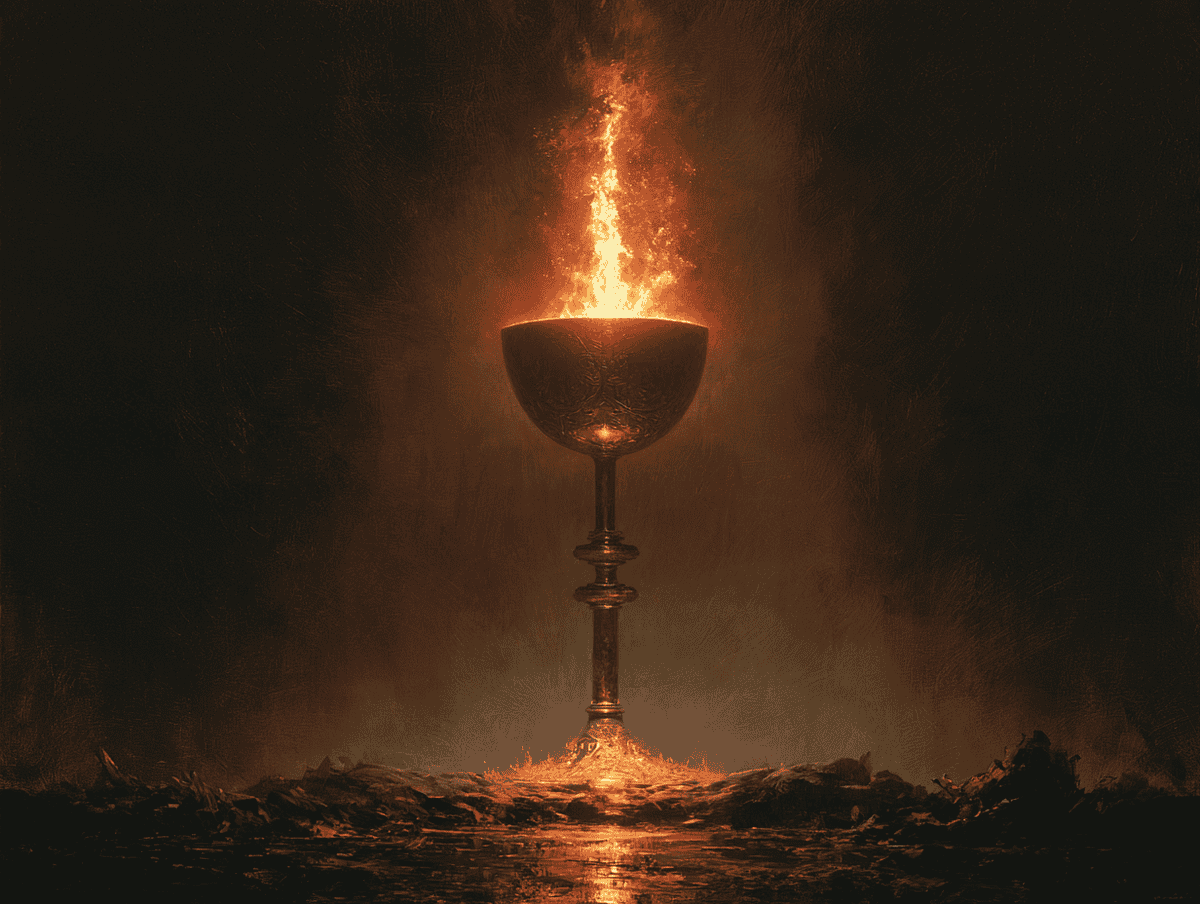
The Holy Grail is most often characterized as the cup Jesus used at the Last Supper. In medieval traditions, it was also associated with the blood spilled in his crucifixion.
Some speak of it as a divine vessel of magical powers; others view the Grail as a symbol of spiritual purity. Many objects have been offered as suitable contenders, including the Holy Chalice maintained in Valencia, Spain.
No one has been shown to have Jesus’ blood. But the Grail is one of Christianity’s most enduring mysteries. It tells a story that meshes historical questions with a deeper spiritual desire for the presence of God.
6. Could Ancient Blood Survive for Two Thousand Years?
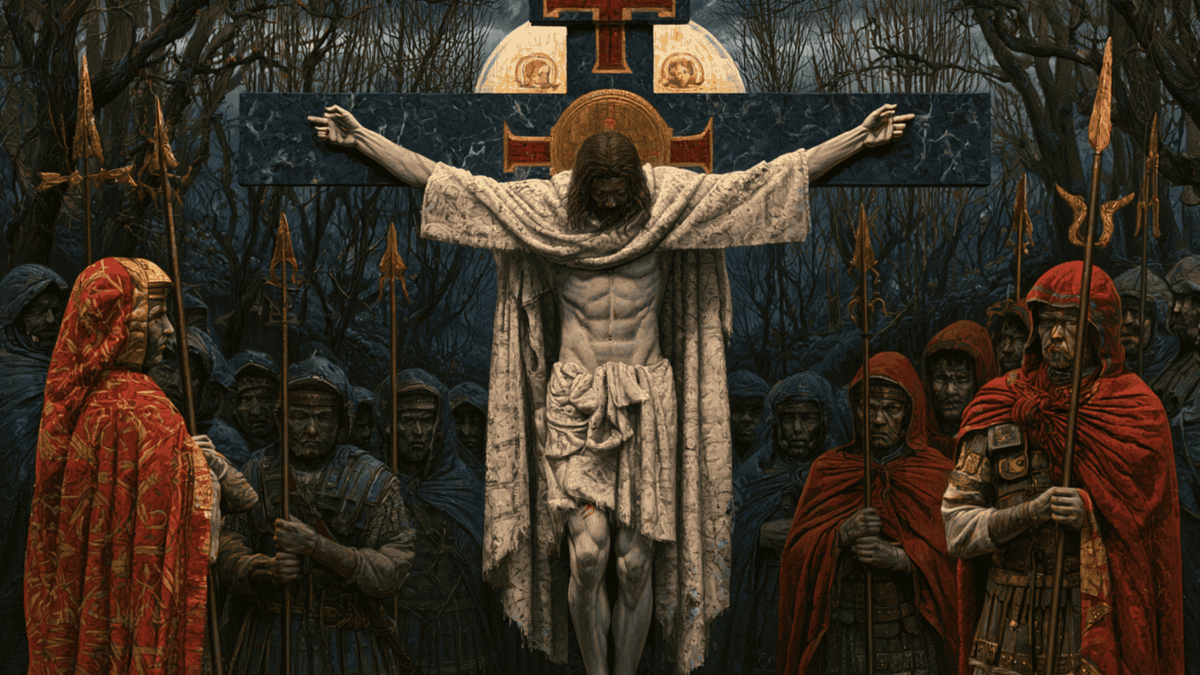
Scientifically, ancient blood can survive, depending mostly on the environment in which it is found. Biological material is prone to deterioration over time, especially when moisture, heat, and microorganisms are present.
But scientists have found evidence of ancient organic material in well-preserved archeological relics. This leaves open the potential that blood remaining from antiquity may persist under unusual conditions.
Identifying such content as coming from Jesus would be a considerably more difficult task. They would have to have good historical records and a dependable mechanism to prove identity. Without such things, even an old blood sample could not unravel the riddle.
7. The Blood Associated With the Crown of Thorns
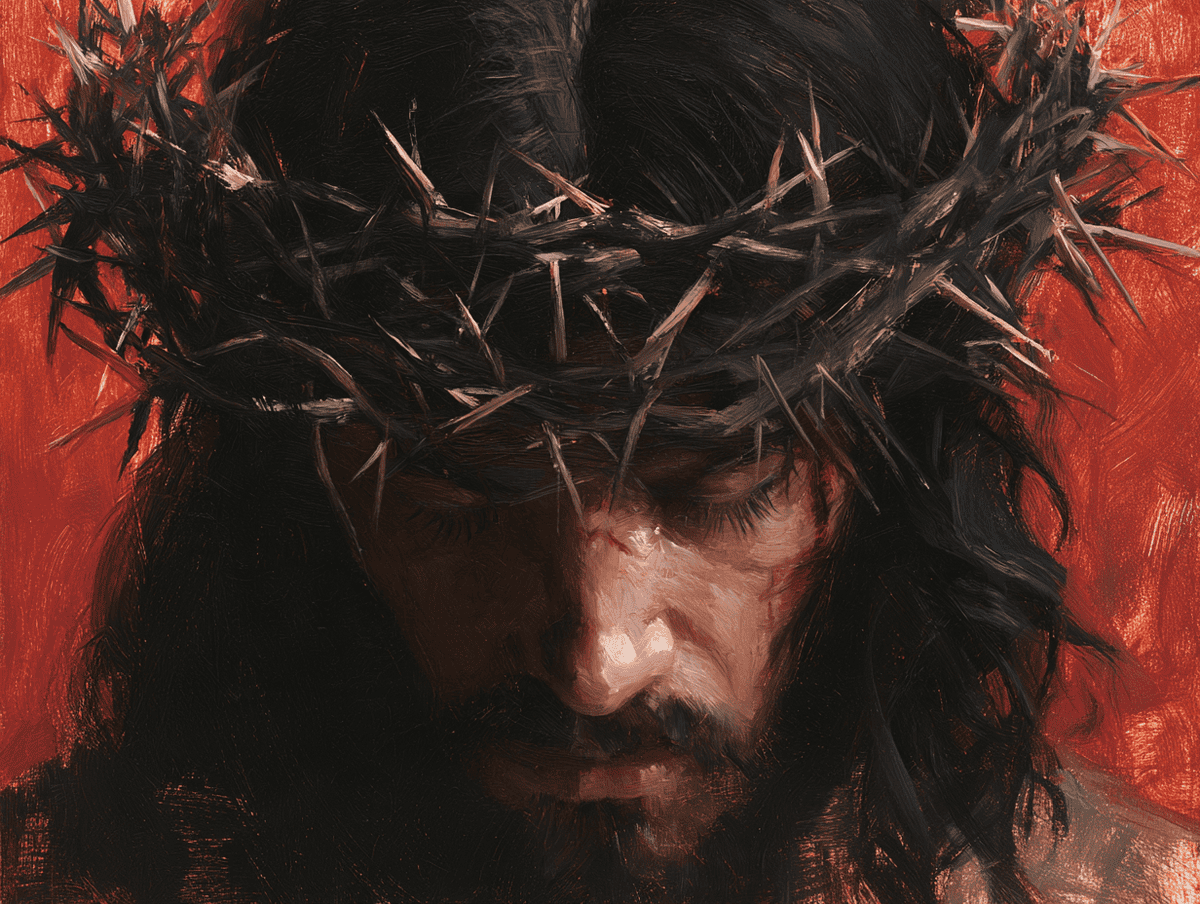
The Gospels tell us that before Jesus was crucified, Roman soldiers put a crown of thorns on his head. According to Christian belief, a relic of this crown survived and was finally kept in France.
During the centuries, individual thorns were often handed out as treasured relics to churches. Some Christians have speculated that any surviving material would reveal evidence of the blood from the wounds recounted in the Scriptures.
But there is no certified blood sample that links these things to Jesus. The crown is still essentially a spiritual emblem of the humiliation, suffering, and transformation of an instrument of mocking into a sign of sacred majesty.
8. The Spear That Pierced Jesus’ Side
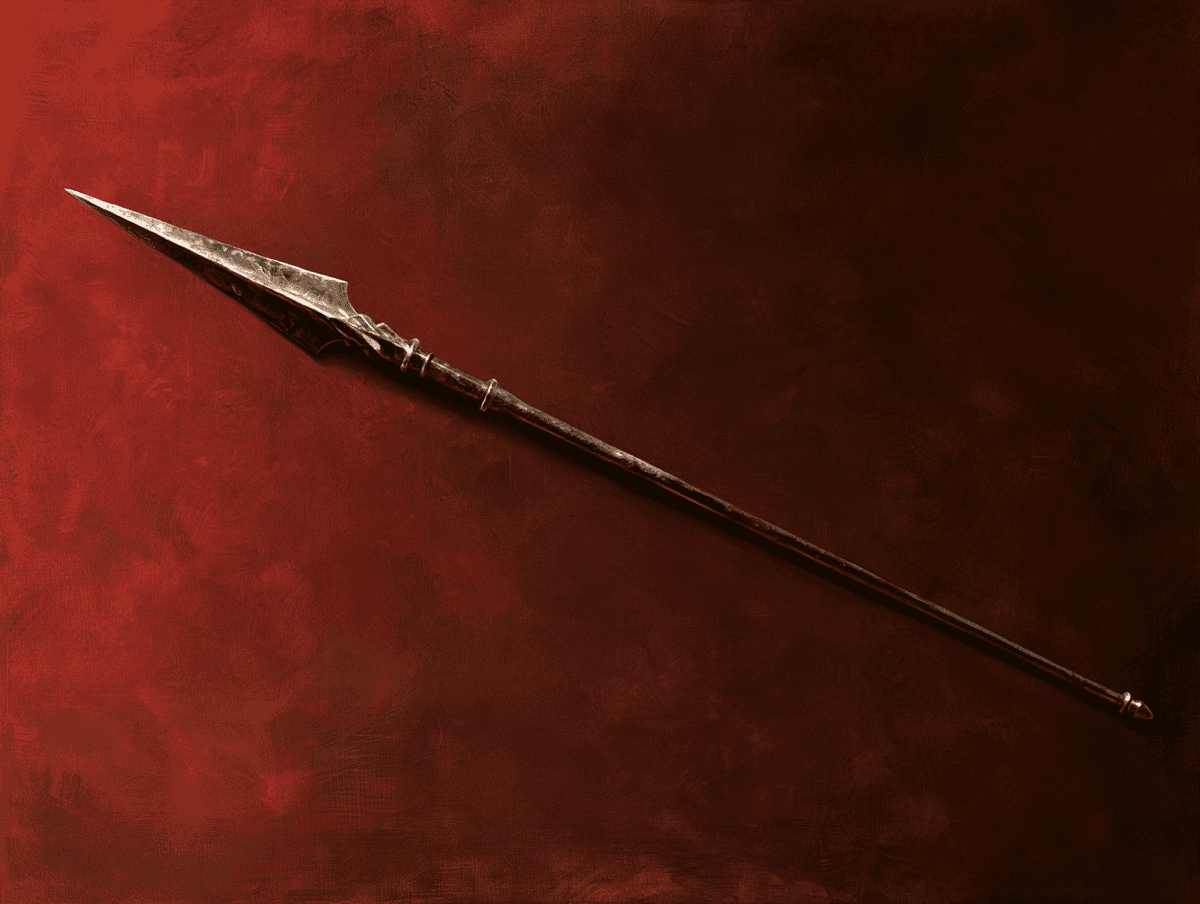
In the Gospel of John, a soldier pierced Jesus in the side with a spear, and blood and water flowed out. Later Christian tradition identifies the soldier as Longinus and the weapon as the Holy Lance.
Several relics have been associated with this spear, including the one that is preserved in Vienna. Some traditions attribute the lance with remarkable powers, capturing the interest of monarchs throughout history.
Would a real, living spear carry minuscule traces of ancient blood? In theory, residues may occasionally survive on archeological objects. However, no known Holy Lance has been recognized as the weapon described in Scripture.
9. The Mystery of Eucharistic Miracles
Throughout Christian history, certain Christians have described miraculous incidents where consecrated bread or wine seemed to assume the properties of human flesh or blood. These narratives are generally characterized as Eucharistic miracles.
A notable custom is connected with Lanciano in Italy, where a relic has been the object of veneration for generations. For many Catholics, such accounts have profound spiritual value, because the Eucharist is tied to the body and blood of Christ.
But the claims to miraculous origin cannot be verified by normal scientific investigation. These legends are independent of the archeological evidence of blood preserved from the historical crucifixion.
10. What Would Finding Jesus’ Blood Actually Mean?
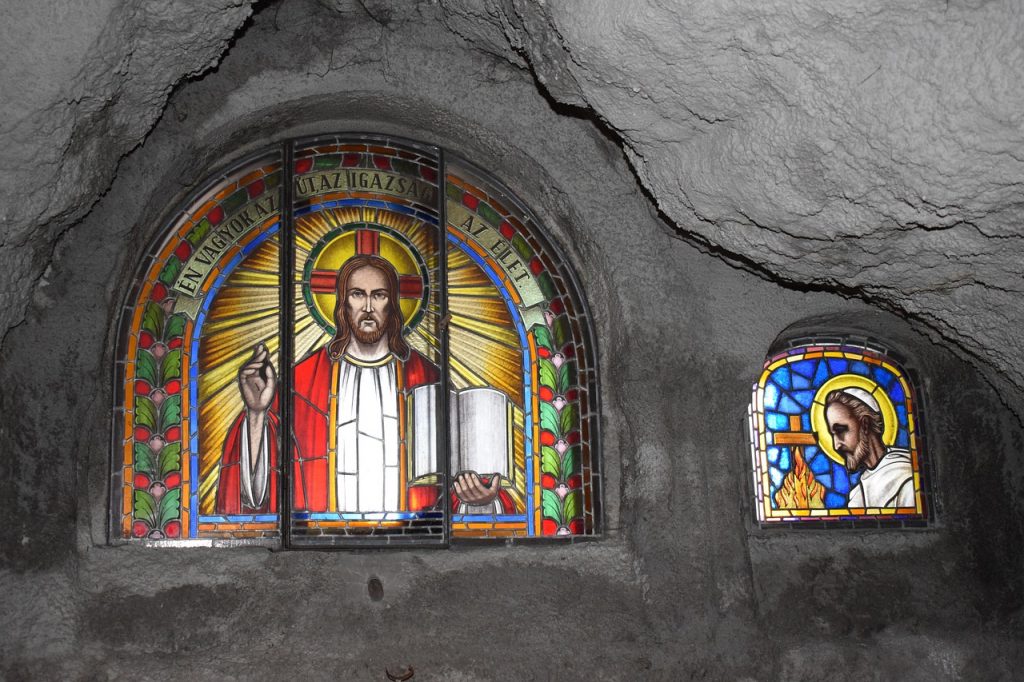
If an old sample ever turned up and was claimed to be blood from Jesus, confirming its identity would be close to impossible. Researchers would need to prove the age of the object, where it was made, how it was preserved, and how it is linked to a certain historical figure.
Even if you did DNA analysis, it would be impossible to positively identify Jesus without a known sample to compare it to. For Christians, the finding may raise interesting questions, but the importance of Christ’s sacrifice does not need the recovery of physical remains.
The riddle leads us to a broader thought spiritually: that some sacred problems call up faith and contemplation even when history does not provide a final explanation.

Born and raised in Bosnia and Herzegovina. Ever since I was a little girl, my imagination knew no bounds. I remember vividly how I’d scribble down short stories, each page bursting with adventures and characters conjured up from the whimsy of my mind. These stories weren’t just for me; they were my way of connecting with my friends, offering them a slice of my fantasy world during our playtimes. The joy and excitement on their faces as we dived into my fictional realms motivated me to keep writing. This early passion for storytelling naturally evolved into my pursuit of writing, turning a childhood hobby into a fulfilling career.