

Triggers aren’t just random; they’re indicators of unacknowledged feelings, old pain, and unfulfilled desires.
The smallest things can trigger old unresolved stories, such as hearing a certain tone of voice, not receiving a quick reply, or walking into a messy space.
Developing awareness of how we respond to our triggers allows us to understand ourselves on a deeper level than we might otherwise observe.
Understanding triggers will show you where to develop self-awareness, patience, and greater emotional stability.
Feeling Ignored Reveals Your Need for Recognition

If you frequently feel hurt or upset when you are overlooked or ignored, this is usually an indicator that there is a lack of recognition in your life.
The development of this reaction may stem from early childhood experiences that were inconsistent in providing attention to children or providing love through “earning” it.
As adults, we see moments when someone does not respond to us or forgets our name in a conversation as somehow personal, and these moments trigger within us our need to be seen, valued, and chosen.
Once you are aware of this pattern, you can be kinder to yourself regarding your reactions to others.
You will know how to express your needs and develop healthier expectations and emotional stability, enabling you to control the level of intensity of your daily reactions to these situations.
Feeling Rushed Shows Your Need for Control and Safety

If you feel stressed or irritated with people who rush you, that indicates you have an underlying need to feel safe and in control of your surroundings.
When someone places a rush on you, it is an anxiety-inducing moment since someone has now placed you in a pace that is different than the pace you wish to work at, and this creates fear of making mistakes or letting others down.
It is possible that past life experiences (where constant pressure and unrealistic expectations existed) created the current reaction you have to being rushed.
With awareness of this reaction, you can maintain your composure through deep breathing, by setting firm limits/boundaries, and by establishing your own rhythm. You will also now possess the ability to be protective of your peace without feeling guilty for needing time and space.
Messiness or Disorder Reflects Your Need for Emotional Stability

If clutter bothers you more than others, it may represent something deeper; it can mirror feelings of uncertainty or chaos in your past.
You may need order and structure to feel safe and grounded, and when that order is disrupted, it may create a feeling that life is out of control.
This reaction can indicate your need for stability and balance, and as you learn to understand this, you will have more compassion for yourself rather than criticism.
Once you recognize this need, you can create calming routines, declutter small areas, or reach out for support when overwhelmed. All of these actions can help restore emotional stability.
Criticism Feels Personal When You Crave Reassurance

If you get easily upset when someone criticizes you or when a friend gives you gentle feedback, it is a sign that you may have an underlying need for reassurance.
You may have had past experiences where mistakes were punished and/or misunderstood.
Therefore, as an adult, even the mildest of suggestions may be perceived as an attack on you personally, which is why it is important to recognize what is triggering your outburst so that you can stop and remind yourself that you are not under threat from feedback.
Being aware that you are seeking support, acceptance, and emotional security will help you make room to grow without taking too much damage every time someone points out an area where you can improve. Being aware of this also allows you to create a healthier emotional resilience.
Sudden Changes Expose Your Desire for Predictability
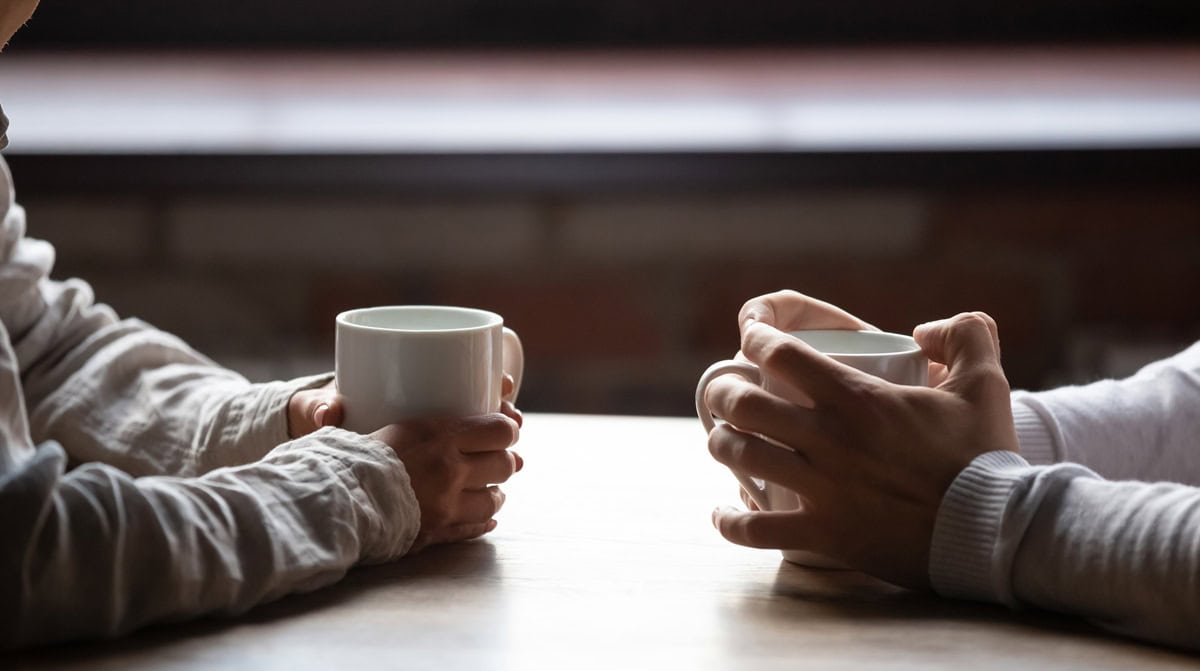
An unexpected change can cause anxiety due to a person’s tendency to want stability, which is likely a very strong need.
For instance, being told you are not going to be able to meet with a business partner and not knowing when you will reschedule can be very unsettling for a person who needs stability in their life.
The person’s fear may be triggered because they were once in a situation where they were not secure in their life, making them feel nervous and insecure when dealing with something or someone uncertain.
By preparing for the unexpected, communicating effectively, establishing flexible routines or habits, and being okay with the fact that life will have its ups and downs, people who have a strong need for stability in their lives will be able to accept the circumstances of the moment without feeling overwhelmed.
Other People’s Strong Emotions Trigger Your Inner Pressure

If someone else’s emotion (anger, sadness, or stress) generates uncomfortable feelings within you, it is likely due to your own internal pressure to “fix” everything.
If you grew up in an environment where you had to keep people from being upset or conflict from occurring, you might have a sense of responsibility towards other people’s emotions.
Other people’s emotions may create anxiety and/or fear for you, even though nothing related to you is causing those emotions. Learning how to understand this trigger will enable you to help yourself by setting emotional boundaries and releasing the unrealistic responsibility to help manage other people’s emotions.
Once you are aware of this trigger, you can remind yourself that other people’s emotions are not your responsibility. This knowledge will give you permission to take care of your own emotional well-being without feeling guilty about doing so.

Born and raised in Bosnia and Herzegovina. Ever since I was a little girl, my imagination knew no bounds. I remember vividly how I’d scribble down short stories, each page bursting with adventures and characters conjured up from the whimsy of my mind. These stories weren’t just for me; they were my way of connecting with my friends, offering them a slice of my fantasy world during our playtimes. The joy and excitement on their faces as we dived into my fictional realms motivated me to keep writing. This early passion for storytelling naturally evolved into my pursuit of writing, turning a childhood hobby into a fulfilling career.